Best VR Headsets 2026 for PS5, PC and Standalone Play
Three VR headsets compared on manufacturer specs and expert reviews: a budget standalone all-rounder, a sharper Quest with PS5 streaming, and a premium PC-tethered display.
5 products compared · Research-based · Affiliate links
We earn a commission from qualifying purchases made through our links, at no extra cost to you. It never decides our picks. How we make money
Which one should you buy?
Our picks by what matters to you · details below ↓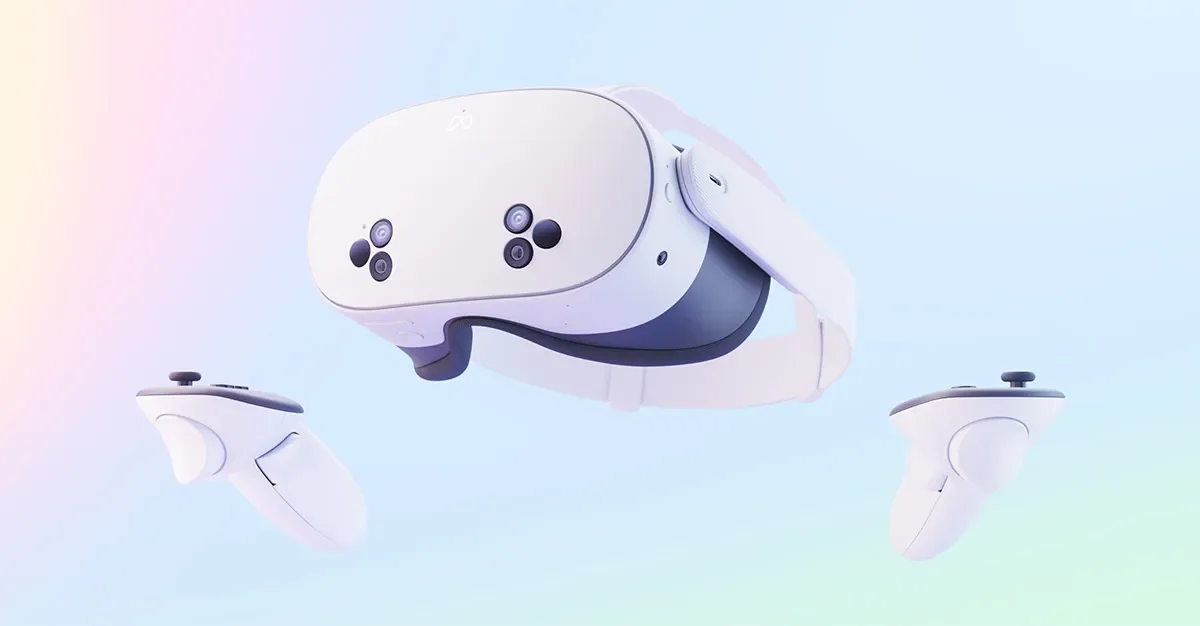
Best for: First-time buyers wanting affordable standalone and PC VR
Check price on Amazon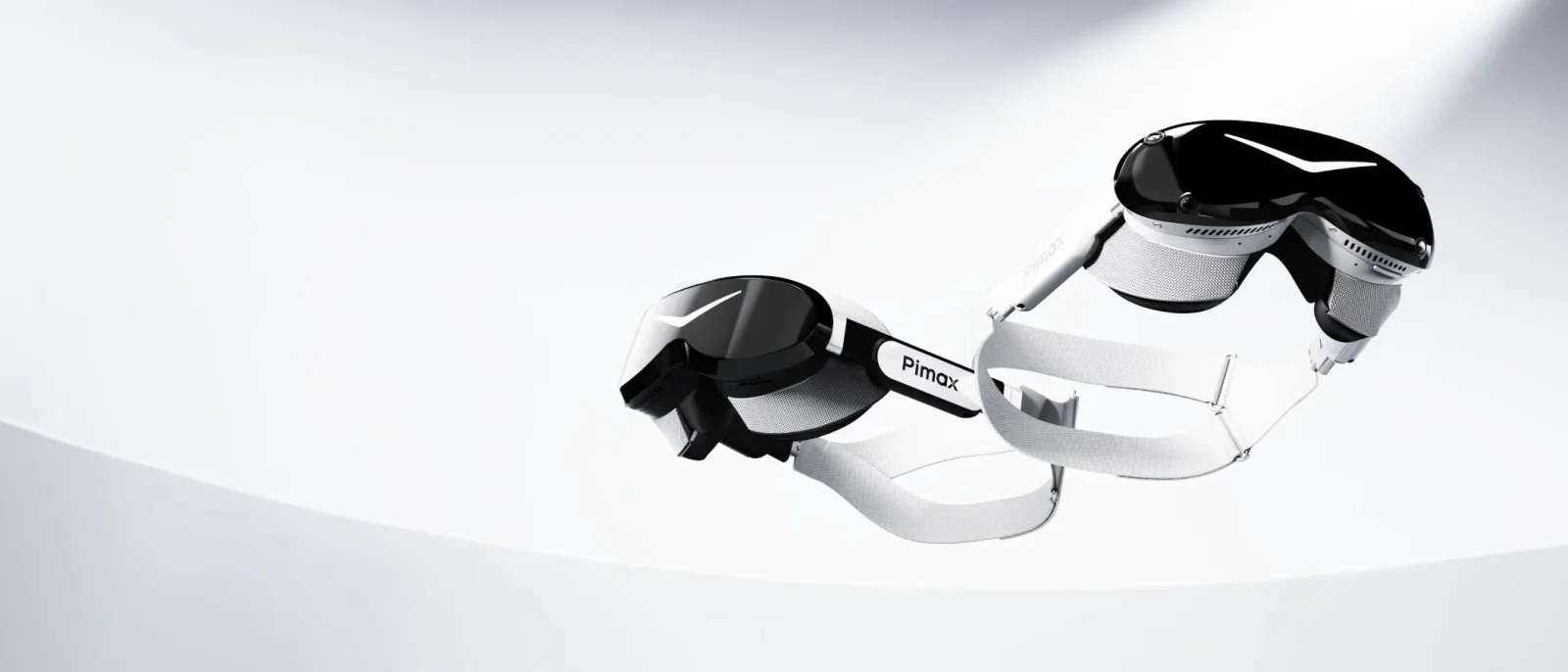
The best VR headsets 2026 for PS5, PC and standalone play fall into three camps: an affordable all-rounder, a sharper all-rounder that also streams PS5 games, and a premium headset built purely for PC. This guide compares three of them so you can match the hardware to how you actually want to play.
This guide is based on manufacturer specs and independent expert recommendations. It is not based on hands-on testing. Live prices are available through the check-price buttons on each product card.
At a Glance: Best VR Headsets 2026 for PS5, PC and Standalone Play
| Pick | Label | Best for | Resolution per eye | Play modes | Weight | Buy |
|---|---|---|---|---|---|---|
| Meta Quest 3S | Best Overall | First-time buyers wanting affordable standalone and PC VR | 1832 x 1920 pixels | Standalone, PC VR streaming | 514g | Check price |
| Meta Quest 3 | Best Value | Players wanting sharper visuals across standalone, PC and PS5 streaming | 2064×2208 | Standalone, PC VR via Air Link, PS5 streaming | 515g | Check price |
| Pimax Dream Air | Premium Pick | PC VR enthusiasts seeking top clarity and a light headset | 3840×3552 | Wired PC VR (DisplayPort 1.4a via USB-C) | Under 170 grams (headset) | Check price |
Meta Quest 3S: Best Overall for Affordable Standalone VR
Best for: First-time buyers wanting affordable standalone and PC VR
Meta Quest 3S pairs the Quest 3's XR2 Gen 2 chip with mixed reality and a full game library at a budget tier. It is the most accessible way into standalone VR with PC streaming.
Read our full Meta Quest 3S review →- Weight
- 514g
- Resolution
- 1832 x 1920 pixels per eye
- Refresh rate
- 72Hz, 90Hz, 120Hz
- Field of view
- 96° horizontal, 90° vertical
- Battery life
- 2.5 hours average
- Processor
- Qualcomm Snapdragon XR2 Gen 2
Reasons to buy
- Same Snapdragon XR2 Gen 2 processor as the pricier Quest 3
- Full-color passthrough with dual RGB cameras for mixed reality
- Runs standalone games and streams PC VR
- Touch Plus controllers with hand tracking support
- Refresh rates up to 120Hz for smooth motion
Reasons to avoid
- Battery lasts about 2.5 hours per session
- Narrower field of view than Quest 3
- Single LCD panel with lower resolution than Quest 3
- Trusted Reviews
- 9.0
- TechRadar
- 9.0
- CGMagazine
- 9.5
- PCGamesN
- 7.0
- NexReview
- 8.9
- PC Gamer
- 8.3
- Tom's Guide
- 8.0
- Talk Android
- 7.2
The Meta Quest 3S is the best starting point for most people. It sits at the budget tier, runs standalone games, and also streams PC VR. It is aimed at first-time buyers who want one headset that covers both without a big outlay.
Keep reading about Meta Quest 3S
It uses the same Qualcomm Snapdragon XR2 Gen 2 processor as the pricier Quest 3, with 8GB of RAM. It also offers full-color passthrough mixed reality using dual RGB cameras, and Touch Plus controllers with hand tracking support. Refresh rates of 72Hz, 90Hz and 120Hz are available, and storage comes in 128GB and 256GB versions. The headset has access to the full Meta Quest game library.
Reviewers rate it well. CGMagazine gave it 9.5 out of 10, NexReview 8.9 out of 10, Trusted Reviews 4.5 out of 5 and PC Gamer 83 out of 100.
The trade-offs are about the display and battery. It has a single LCD panel at 1832 x 1920 pixels per eye, which is lower resolution than the Quest 3. Its field of view is 96° horizontal and 90° vertical, which is narrower than the Quest 3. The battery lasts about 2.5 hours per session. If you want an affordable way into standalone and PC VR and care more about the game library than peak clarity, this is the one.
Meta Quest 3: Best Value for Sharper Visuals and PS5 Streaming
Best for: Players wanting sharper visuals across standalone, PC and PS5 streaming
Meta Quest 3 brings sharper visuals, a wider field of view and generous storage, while still covering standalone, PC VR and PS5 streaming. It suits buyers who want a clearer image without moving to a premium PC headset.
Read our full Meta Quest 3 review →- Weight
- 515g
- Resolution
- 2064×2208 per eye
- Refresh rate
- 72 Hz, 90 Hz, 120 Hz
- Field of view
- 110° horizontal, 96° vertical
- Battery life
- 2.2 hours
- Processor
- Snapdragon XR2 Gen 2
Reasons to buy
- Sharp 2064×2208 per-eye resolution aids text readability
- Pancake lenses give a slimmer design and clear edges
- Wider 110° horizontal field of view
- 512GB storage leaves room for a big game library
- Supports PS5 game streaming and PC VR via Air Link
Reasons to avoid
- Battery life is only about 2.2 hours
- Weighs around 515g, which can tire during long sessions
- Trusted Reviews
- 9.0
- Stuff
- 8.0
- TechGearLab
- 8.2
- CGMagazine
- 9.0
- IGN
- 9.0
- Expert Reviews
- 8.0
- TechRadar
- 10.0
- Tom's Guide
- 8.0
The Meta Quest 3 earns the Best Value label because it offers a clearer image, a wider view and more storage than the 3S while staying at the budget tier. It is for players who want sharper visuals and want to stream PS5 games as well as play standalone and PC VR.
Keep reading about Meta Quest 3
The headline numbers are a resolution of 2064×2208 per eye and a field of view of 110° horizontal and 96° vertical. Pancake lenses give a design that is 40% slimmer and keep edges clear, and the high per-eye resolution aids text readability. Inside is a Snapdragon XR2 Gen 2 processor with 2× graphics power over Quest 2, plus 8GB of RAM and 512GB of storage, which leaves room for a large game library. Passthrough uses 2× 4MP RGB cameras and 4× IR cameras for full-color mixed reality with a depth sensor.
It is also the only headset in this guide whose facts list PS5 game streaming, alongside PC VR via Air Link and a growing standalone library. IGN gave it 9 out of 10, TechGearLab 8.2 out of 10 and Expert Reviews 8 out of 10.
The main downsides are endurance and weight. Battery life is only about 2.2 hours, and at around 515g it can tire you during long sessions. Those are real limits if you plan marathon play. For a clearer image without stepping up to a premium PC headset, it is a strong pick.
Pimax Dream Air: Premium Pick for Top PC VR Clarity
Best for: PC VR enthusiasts seeking top clarity and a light headset
Pimax Dream Air targets PC VR enthusiasts with very high resolution, eye tracking and a featherweight build. Its flexible tracking options suit demanding setups, but it is a premium, PC-tethered choice.
- Weight
- Under 170 grams (headset)
- Resolution
- 3840×3552 per eye
- Refresh rate
- 90 Hz
- Field of view
- 110° horizontal
- Display
- Sony Micro-OLED
- Tracking
- SLAM (inside-out) or Lighthouse (base stations)
Reasons to buy
- Under 170g headset weight for extended comfort
- Sony Micro-OLED with 3840×3552 pixels per eye
- 120Hz eye tracking with Dynamic Foveated Rendering
- Choice of SLAM inside-out or Lighthouse base station tracking
- Automatic IPD adjustment across 58–72 mm
Reasons to avoid
- Wired DisplayPort connection ties you to a PC
- Refresh rate tops out at 90Hz
- PC Gamer
- 7.5
- PCGamesN
- 8.0
- Tom's Guide
- 8.0
- SimRacingSetups
- 8.2
- GamesRadar
- 7.0
The Pimax Dream Air is the Premium Pick for PC VR enthusiasts who prioritise image clarity and a light headset. It is a premium, PC-tethered choice. It is not a standalone headset for casual use.
Keep reading about Pimax Dream Air
Its Sony Micro-OLED displays reach 3840×3552 pixels per eye. That is the highest resolution in this guide. The ConcaveView pancake lenses give up to 110° horizontal field of view, and the headset weighs under 170g. It has 120Hz eye tracking with Dynamic Foveated Rendering for performance optimization, and automatic IPD adjustment across 58–72 mm. You can choose between SLAM (inside-out) tracking and Lighthouse (base station) tracking, which suits more demanding setups.
Reviewers are positive but measured. PC Gamer gave it 3.75 out of 5, PCGamesN 4 out of 5, Tom's Guide 4 out of 5 and SimRacingSetups 4.1 out of 5.
The trade-offs are clear. It connects over DisplayPort 1.4a via USB-C, so a wired connection ties you to a PC, and its refresh rate tops out at 90Hz. It also sits at the premium tier. If you want to play without a PC, look at the Quest models instead, and if you want PS5 streaming, the Meta Quest 3 is the one in this guide that lists it.
Compare our picks side by side
The specs most of our picks share, from each maker’s spec page (— = not published). Expert score = the average of published expert reviews, which rate each product for its price. Scroll sideways on small screens.
| Spec | Meta Quest 3S | Meta Quest 3 | Pimax Dream Air |
|---|---|---|---|
| Best for | Best Overall | Best Value | Premium Pick |
| Expert score | 8.4 | 8.7 | 7.7 |
| Price vs. these picks | Lower | Lower | Higher |
| Weight | 514g | 515g | Under 170 grams (headset) |
| Resolution | 1832 x 1920 pixels per eye | 2064×2208 per eye | 3840×3552 per eye |
| Refresh rate | 72Hz, 90Hz, 120Hz | 72 Hz, 90 Hz, 120 Hz | 90 Hz |
| Field of view | 96° horizontal, 90° vertical | 110° horizontal, 96° vertical | 110° horizontal |
| Battery life | 2.5 hours average | 2.2 hours | — |
| Processor | Qualcomm Snapdragon XR2 Gen 2 | Snapdragon XR2 Gen 2 | — |
| RAM | 8GB | 8GB | — |
| Storage | 128GB, 256GB | 512GB | — |
| Where to buy | Check price | Check price | Check price |
How to Choose a VR Headset
Decide where you will play
Start with the platform. If you want a headset that works on its own and can also stream from a PC, the Meta Quest 3S and Meta Quest 3 both do this. If PS5 streaming matters, the Meta Quest 3 is the one whose facts list it. The Pimax Dream Air is for PC VR only, via a wired connection.
Weigh clarity against cost
Resolution and field of view shape how sharp and immersive the image looks. Per eye, the Quest 3S offers 1832 x 1920 pixels, the Quest 3 offers 2064×2208, and the Pimax Dream Air offers 3840×3552. A wider field of view also helps immersion: 110° horizontal on the Quest 3 and Pimax Dream Air, against 96° on the Quest 3S. The Pimax Dream Air sits at the premium tier, while the Meta Quest 3S and Meta Quest 3 are both budget-tier.
Think about comfort and battery
The two Quest headsets weigh 514g and 515g, and their batteries last about 2.5 hours and 2.2 hours respectively. If you expect long sessions, plan for breaks or charging. The Pimax Dream Air headset weighs under 170g, but it is wired to a PC.
Consider tracking and extras
All three headsets in this guide offer mixed reality or advanced tracking features in some form. The Quest models have full-color passthrough. The Pimax Dream Air adds 120Hz eye tracking and a choice of SLAM or Lighthouse tracking.
How We Picked
This guide is based on manufacturer specs and independent expert recommendations. We did not run hands-on tests. We compared each headset's published specs, including processor, resolution, field of view, weight and battery life. We also looked at what independent reviews consistently say and at the scores the named publications have published. Each pick's label reflects its role in this comparison. Prices change often, so we do not list them here. Use the live check-price buttons instead.
Bottom Line
For most buyers, the Meta Quest 3S is the best place to start. It covers standalone play and PC VR at a budget price, with the same processor as the Quest 3. If you want a sharper image, a wider field of view, more storage and PS5 streaming, the Meta Quest 3 is the better-value step up. PC VR enthusiasts who want the highest clarity and a very light headset, and who accept a wired PC connection, should look at the Pimax Dream Air.
Ready to buy?
 Best OverallMeta Quest 3SCheck price
 Best ValueMeta Quest 3Check price
 Premium PickPimax Dream AirCheck price
Related buying guides
- Best Gaming Headset 2026: Comfort, Battery & Low Latency
- Best PC Controllers 2026: Hall Effect, TMR, Haptic Picks
- Best Gaming Consoles 2026: TV, Handheld and Hybrid Play
- Quest 3S vs Dream Air (2026): Wireless Ease or PC Image Quality?
- Meta Quest 3S vs Meta Quest 3 (2026): Savings or Sharpness?
- Switch 2 vs PS5 Slim (2026): Handheld or 4K Power?
Frequently asked questions
Which VR headset in this guide can stream PS5 games?
The Meta Quest 3: its facts list PS5 game streaming alongside standalone play and PC VR via Air Link. The other two headsets in this guide do not list PS5 streaming.
How long does the Meta Quest 3S battery last?
The Meta Quest 3S: about 2.5 hours on average. That is a little longer than the Meta Quest 3, which lasts about 2.2 hours, but both are best suited to shorter sessions.
Which headset has the highest resolution?
The Pimax Dream Air: 3840×3552 pixels per eye on Sony Micro-OLED displays. It is a premium headset that connects to a PC by wire.
Which VR headset is lightest?
The Pimax Dream Air: the headset weighs under 170g. The Meta Quest 3S and Meta Quest 3 weigh 514g and 515g, but they work standalone without a PC.
What is the best VR headset for a first-time buyer?
The Meta Quest 3S: it is the budget-tier pick for newcomers who want standalone play and PC VR streaming. It uses the same Snapdragon XR2 Gen 2 processor as the Quest 3.
Sources
Specs are taken from the manufacturers' official pages; expert recommendations from the publications below.
- Meta Quest 3S: meta.com, en.wikipedia.org, androidcentral.com, uctoday.com
- Meta Quest 3: meta.com, en.wikipedia.org, androidcentral.com, vrcover.com
- Pimax Dream Air: store.pimax.com, vr-compare.com, skillsive.com
More buying guides
Meta Quest 3 Review (2026): Wireless VR With Trade-Offs
A look at the Meta Quest 3 based on manufacturer specs and expert reviews: sharp lenses, strong performance and mixed reality, held back by battery life and the stock strap.
Published Oct 25, 2026Meta Quest 3S vs Pimax Dream Air (2026): Which VR Fits?
Meta Quest 3S vs Pimax Dream Air: a budget wireless headset with a huge library against a premium, ultra-sharp PC VR headset. Here's who should buy which.
Published Oct 30, 2026Meta Quest 3S Review (2026): Full Library, Softer Lenses
The Meta Quest 3S pairs the Quest 3's chip and game library with Fresnel lenses and less comfort. Here is what the specs and expert reviews say.
Published Oct 19, 2026