HyperX Cloud III Review (2026): Comfort Over Bass?
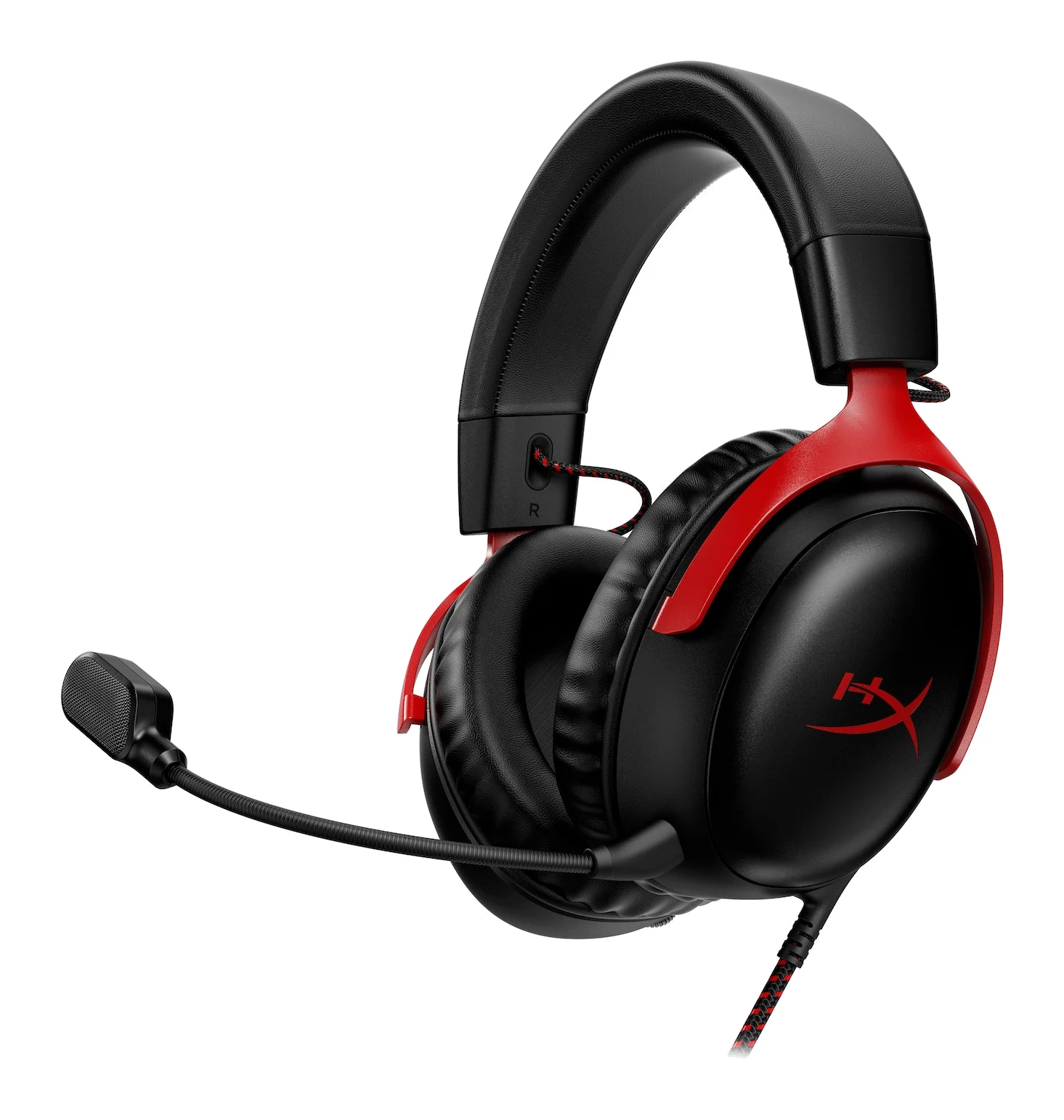
Our HyperX Cloud III review looks at a wired, aluminum-framed gaming headset built for comfort, with a detachable mic. Here is where it shines and where experts say it falls short.
Research-based · We earn from qualifying purchases
Our verdict
The HyperX Cloud III suits gamers who want a comfortable, durable wired headset with a good detachable mic that works across PC, consoles and mobile. Skip it if you want strong bass, wireless Bluetooth freedom or solid noise isolation in noisy or shared spaces.
The good
- Plush memory foam cushions and headband suit long gaming sessions
- Sturdy full aluminum frame feels premium and travel-ready
- Detachable noise-cancelling mic with mesh filter sounds clear
- 3.5mm, USB-C and USB-A work across PC, consoles and mobile
- Balanced, gaming-friendly tuning with angled 53mm drivers
+2 more
- 3.5mm, USB-C and USB-A work across PC, consoles and mobile
- Balanced, gaming-friendly tuning with angled 53mm drivers
The bad
- Default sound is light on bass
- Narrow soundstage for a closed-back headset
- Weak noise isolation and noticeable sound leakage
- Wired only, with no Bluetooth or carrying case
+1 more
- Wired only, with no Bluetooth or carrying case
This HyperX Cloud III review is about a wired gaming headset that puts comfort, durability and a usable microphone ahead of flashy extras. It is aimed at gamers who want one headset for PC, consoles and mobile and don't need wireless. This article is based on HyperX's published specs and what independent expert reviews report, not on hands-on testing.
HyperX Cloud III: specs at a glance
From the manufacturer- Frame
- Aluminum
- Driver
- Dynamic, 53mm with Neodymium magnets
- Weight
- 308g; 320g with microphone
- Warranty
- 2 years
- Bit depth
- 16 bit, 24 bit
- Impedance
- 64Ω
- Form factor
- Over ear, circumaural, closed back
- Ear cushions
- Memory foam and premium leatherette
- Sampling rates
- 44.1kHz, 48kHz, 96kHz
- Microphone type
- Electret condenser, uni-directional, noise-cancelling
- Headphone sensitivity
- 100dBSPL/mW at 1kHz
- Microphone sensitivity
- -42dBV (0dB=1V/Pa at 1kHz)
- Total harmonic distortion
- < 2%
- Headphone frequency response
- 10Hz-21kHz
Key features
- Plush memory foam ear cushions and headband for long sessions
- Angled 53mm drivers tuned for gaming audio
- Detachable 10mm noise-cancelling mic with mesh filter
- LED mic-mute indicator
- Earcup controls for volume and mic mute
- Full aluminum frame built for travel and wear
- 3.5mm, USB-C and USB-A connections across PC, consoles and mobile
- DTS Headphone:X spatial audio on PC
What the HyperX Cloud III is
The Cloud III is an over-ear, closed-back headset in the mid-range part of the market. It uses angled 53mm drivers tuned for gaming audio, a full aluminum frame, memory foam cushions and a detachable noise-cancelling microphone. It connects by 3.5mm, USB-C or USB-A, so it is not tied to a single platform.
The score on this page averages four published expert scores. Those are TechRadar at 4.8/5, Trusted Reviews at 3.5/5, TweakTown at 88/100 and RTINGS at 7.7/10, which together give 8.3/10. That is a solid result with some spread: TechRadar is clearly enthusiastic, while Trusted Reviews is more reserved. It has also been recommended in an independent expert buying guide. If you are still comparing options, our guide to the best gaming headset shows how it fits into the wider field.
Design and build quality
The most distinctive design choice is the full aluminum frame. HyperX describes the full aluminum frame as built for travel and wear, and reviewers consistently describe the construction as sturdy and premium.
The headset weighs 308g, or 320g with the microphone attached. The padding matters as much as the weight. The ear cushions combine memory foam with premium leatherette, and the headband is padded with memory foam as well. Reviewers praise this combination as well suited to long gaming sessions.
There is one omission to be aware of. A common criticism is that there is no carrying case, which is a pity given the travel-ready frame. If you plan to carry it around, you will need to sort out your own protection.
Features and what they mean day to day
The detachable microphone
The microphone is a detachable 10mm unit with a mesh filter. It is an electret condenser, uni-directional and noise-cancelling. In practice that means it is designed to focus on your voice rather than the room around you. Reviewers say it sounds clear, and it is one of the headset's most consistent strengths.
Because it detaches, you can remove it when you just want to listen to music or watch something, and the weight drops back to 308g. An LED indicator shows when the mic is muted, so you don't have to guess whether your team can hear you.
Earcup controls
Volume and mic mute are controlled from the earcups. This is practical when you are mid-game and don't want to alt-tab or fumble for a menu. The headset's tuning and mic are the main attraction, but easy access to those two controls helps with daily use.
Spatial audio on PC
PC users get DTS Headphone:X spatial audio. This is a virtual surround feature meant to give a better sense of direction in games. It is listed as a PC feature, so don't assume it carries over to every connection. Reviewers also flag a narrow soundstage for a closed-back headset, so manage expectations about how spacious it will sound.
Sound and performance
The Cloud III uses dynamic 53mm drivers with neodymium magnets. The drivers are angled and tuned for gaming audio. HyperX lists a frequency response of 10Hz-21kHz, an impedance of 64Ω, sensitivity of 100dBSPL/mW at 1kHz and total harmonic distortion of < 2%. Supported sampling rates are 44.1kHz, 48kHz and 96kHz, and bit depths are 16 bit and 24 bit.
Those figures show that it is a conventional wired gaming headset with a wide stated frequency range and low stated distortion. A frequency range on a spec sheet doesn't tell you how a headset actually sounds, though. For that, the expert verdict is more useful. Reviewers describe the tuning as balanced and gaming-friendly. They also say the default sound is light on bass. If you like thumping low end for action games or music, that is the most likely point of disappointment.
Isolation and leakage
This is a closed-back design, which might suggest good isolation, but reviewers report weak noise isolation and noticeable sound leakage. In a noisy room you may turn the volume up to compensate, and in a shared space others may hear what you are playing. The noise-cancelling label applies to the microphone, not to the headphones themselves. Keep that distinction clear when shopping.
Connectivity
The headset supports 3.5mm, USB-C and USB-A connections across PC, consoles and mobile. For many buyers this is the main selling point, since one headset can follow you from a desktop to a console to a phone without needing an adapter you have to hunt down. Reviewers praise this breadth.
The cost is that it is wired only. There is no Bluetooth, so you can't pair it with a phone wirelessly or walk around the house with it. If cable freedom matters, this isn't the headset for you.
What experts like and what they criticise
Reviewers' praise is consistent. They highlight:
- the comfort of the memory foam cushions and headband;
- the sturdy, premium-feeling aluminum frame;
- the clear detachable microphone;
- the flexibility of the connection options;
- the balanced tuning from the angled drivers.
The criticisms are just as consistent, and they are real compromises rather than footnotes. Reviewers say the default sound is light on bass, the soundstage is narrow for a closed-back headset, noise isolation is weak with noticeable leakage, and there is no Bluetooth or carrying case. The scores range from 3.5/5 at Trusted Reviews to 4.8/5 at TechRadar.
Who should buy it, and who should skip it
Buy it if you want a comfortable, durable wired headset for long sessions, you care about a good detachable mic for voice chat, and you want one headset to work across PC, consoles and mobile. The 2-year warranty adds some reassurance.
Skip it if you want strong bass out of the box, wireless freedom, or solid isolation in a noisy home or office. It's also a weaker choice for shared spaces, since sound leakage is a recurring complaint. If you want wireless earbuds for commuting instead, see our guide to the best wireless earbuds.
How it fits in the gaming headset category
Gaming headsets split broadly into wireless models that trade on convenience and wired models that trade on simplicity. The Cloud III sits firmly in the second group. Its appeal rests on comfort, build and mic quality rather than on features such as wireless or heavy bass. That makes it a practical, sensible pick rather than an exciting one, and its sub-par isolation and bass are the trade-offs that come with it.
Verdict
The HyperX Cloud III is a well-built, comfortable wired headset with a clear detachable mic and flexible connections. Its weaknesses are plain: light bass, a narrow soundstage, weak isolation and no wireless option. If those don't bother you, the expert average of 8.3/10 suggests it is a dependable choice for everyday gaming. If they do, look elsewhere.
Related buying guides
- Best Gaming Laptops 2026: Light, OLED & RTX 50 Power
- Best VR Headsets 2026 for PS5, PC and Standalone Play
- Best Gaming Monitor 2026: QD-OLED Speed, 4K & Ultrawide
- Best Handheld Gaming PCs 2026: Screens, Battery & Power
- Best Gaming Mouse for FPS 2026: Lightweight Wireless Aim
- Meta Quest 3S Review (2026): Full Library, Softer Lenses
Not sure about the HyperX Cloud III? Consider these
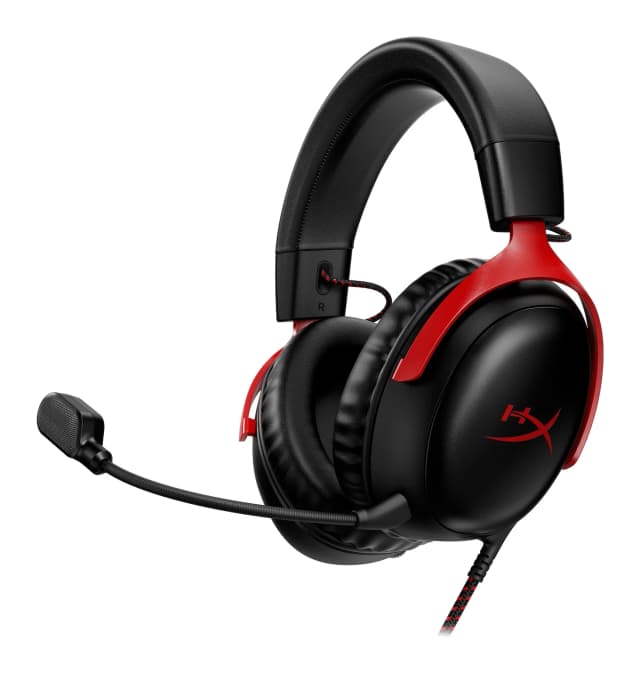
- Best OverallHyperX Cloud III – Gaming HeadsetWhy we picked it →
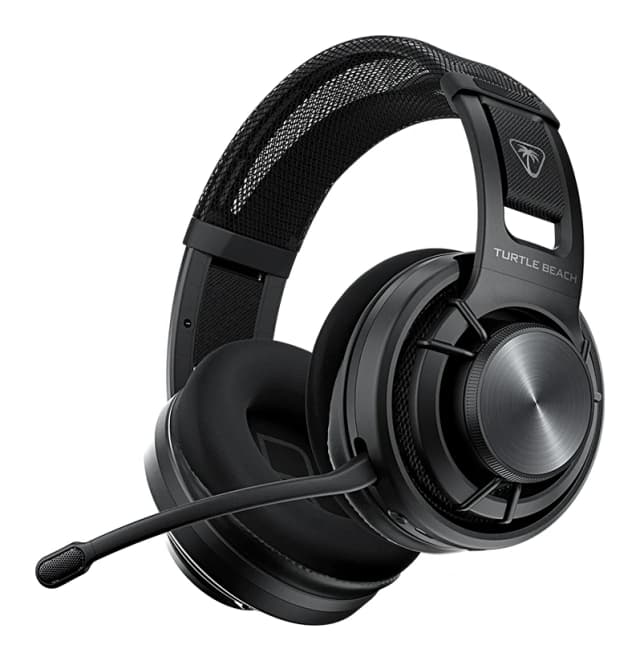
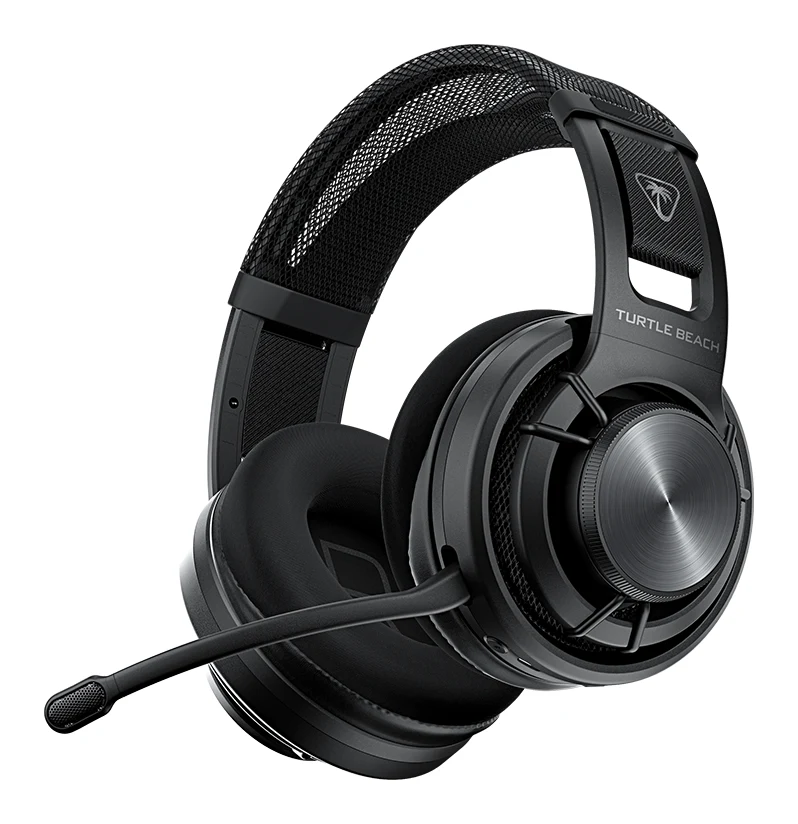
- Best ValueTurtle Beach Atlas AirWhy we picked it →
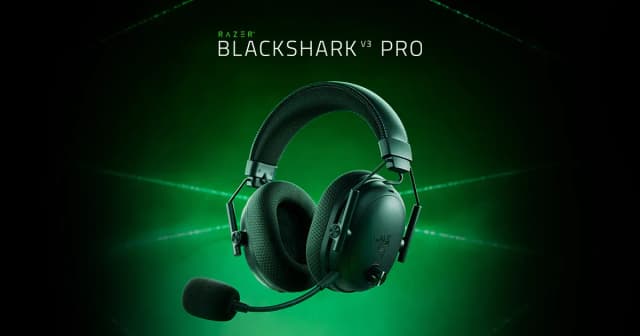
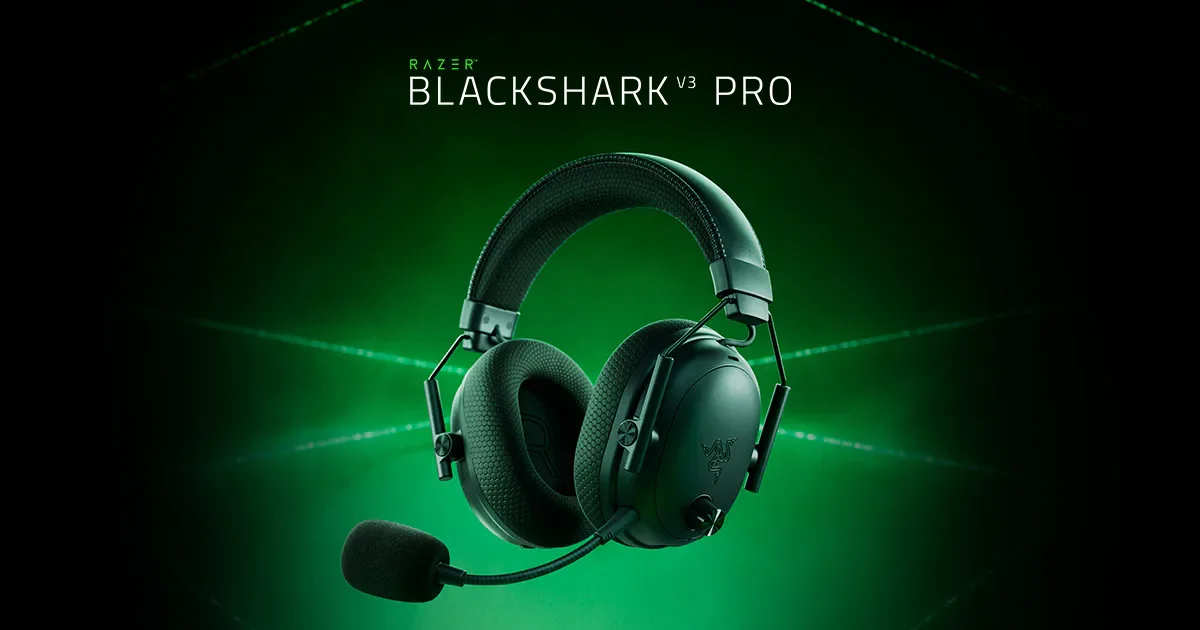
- Also GreatRazer BlackShark V3 ProWhy we picked it →
Frequently asked questions
Is the HyperX Cloud III worth it?
It is worth considering if you want a comfortable, sturdy wired gaming headset with a good detachable mic. It averages 8.3/10 across four expert scores. It is less appealing if you want strong bass, Bluetooth or good noise isolation.
Does the HyperX Cloud III have Bluetooth?
No. It is wired only and connects by 3.5mm, USB-C or USB-A. Reviewers list the lack of Bluetooth as a drawback.
Does the HyperX Cloud III work with consoles and mobile?
HyperX lists 3.5mm, USB-C and USB-A connections across PC, consoles and mobile, so it is designed to work across those platforms. Check which port your specific device uses before buying.
Is the HyperX Cloud III microphone detachable?
Yes. It has a detachable 10mm noise-cancelling microphone with a mesh filter and an LED mic-mute indicator. Reviewers say it sounds clear.
Is the HyperX Cloud III good for long gaming sessions?
Reviewers praise the memory foam ear cushions and headband as well suited to long sessions. The headset weighs 308g, or 320g with the microphone attached.
Does the HyperX Cloud III have surround sound?
It supports DTS Headphone:X spatial audio on PC. Reviewers note a narrow soundstage for a closed-back headset, so expectations should be moderate.
Does the HyperX Cloud III block outside noise?
Not well. Reviewers report weak noise isolation and noticeable sound leakage. The noise cancelling applies to the microphone, not the headphones.
Sources
Specs are taken from the manufacturers' official pages; expert recommendations from the publications below.
- HyperX Cloud III: hyperx.com, row.hyperx.com, microcenter.com
Related reviews & guides
Best Gaming Headset 2026: Comfort, Battery & Low Latency
Our guide to the best gaming headset in 2026 compares five picks, from the HyperX Cloud III to the Audeze Maxwell 2, using specs and expert recommendations.
Published Oct 17, 2026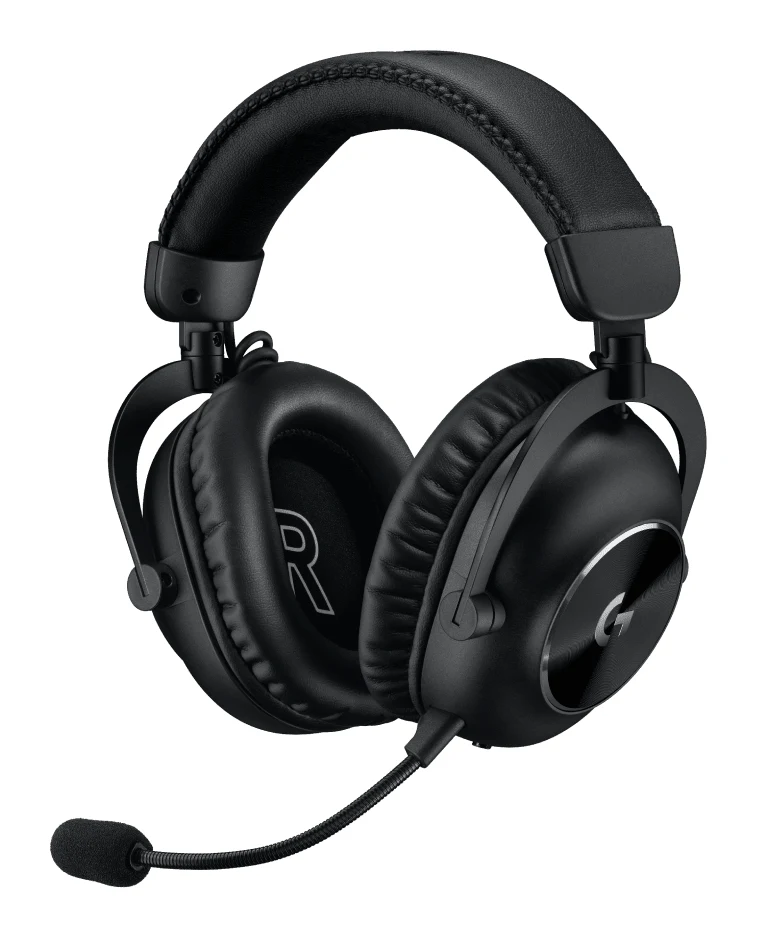
Logitech G PRO X 2 LIGHTSPEED Review (2026): Comfort First
A look at the Logitech G PRO X 2 LIGHTSPEED wireless gaming headset: graphene drivers, flexible connections, long battery life and a mic that reviewers call average.
Published Oct 26, 2026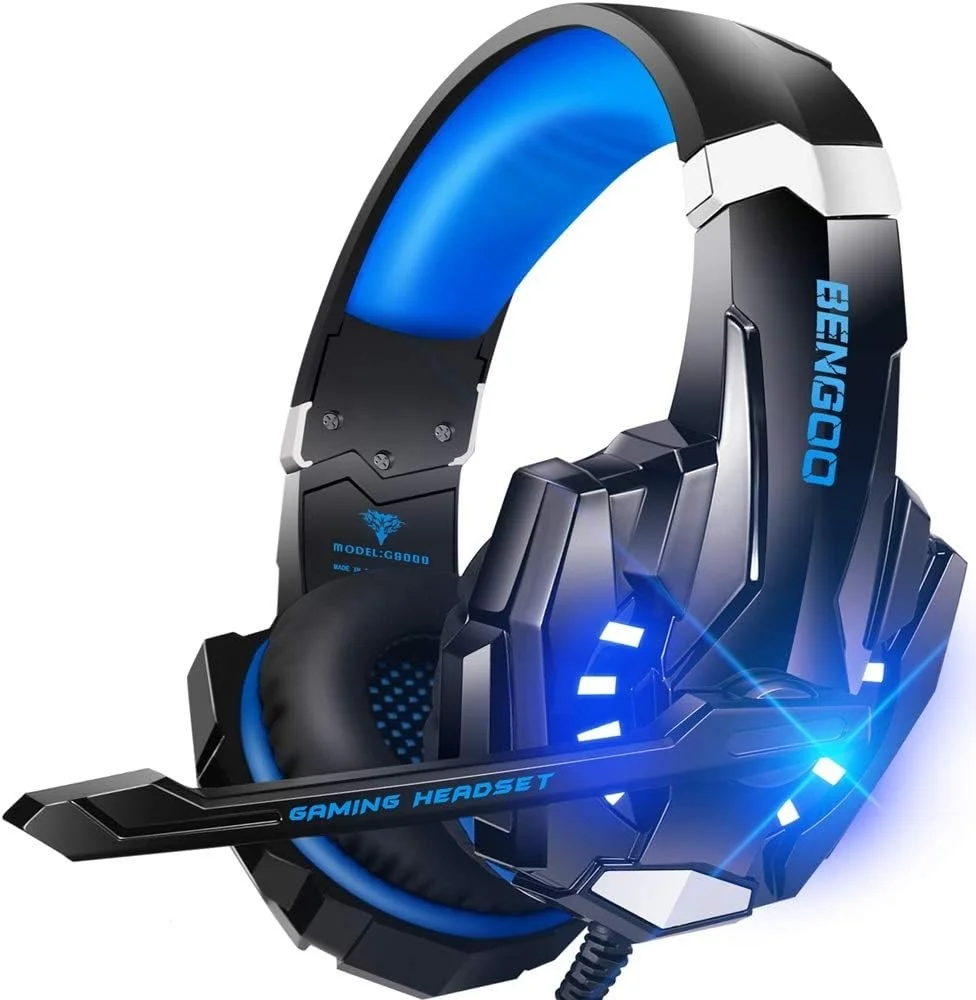
BENGOO G9000 Review (2026): Comfy Bass for Casual Play
A wired, multi-platform gaming headset with bass-forward drivers, soft pads and an inline volume wheel. We look at what the BENGOO G9000 does well, where it cuts corners and who it suits.
Published Oct 29, 2026