Best Handheld Gaming PCs 2026: Power, Screens & Battery
Five of the best handheld gaming PCs compared on screen, processor, weight and battery, from the near-desktop GPD WIN 5 to the Steam Deck OLED.
15 products compared · Research-based · Affiliate links
We earn a commission from qualifying purchases made through our links, at no extra cost to you. It never decides our picks. How we make money
Which one should you buy?
Our picks by what matters to you · details below ↓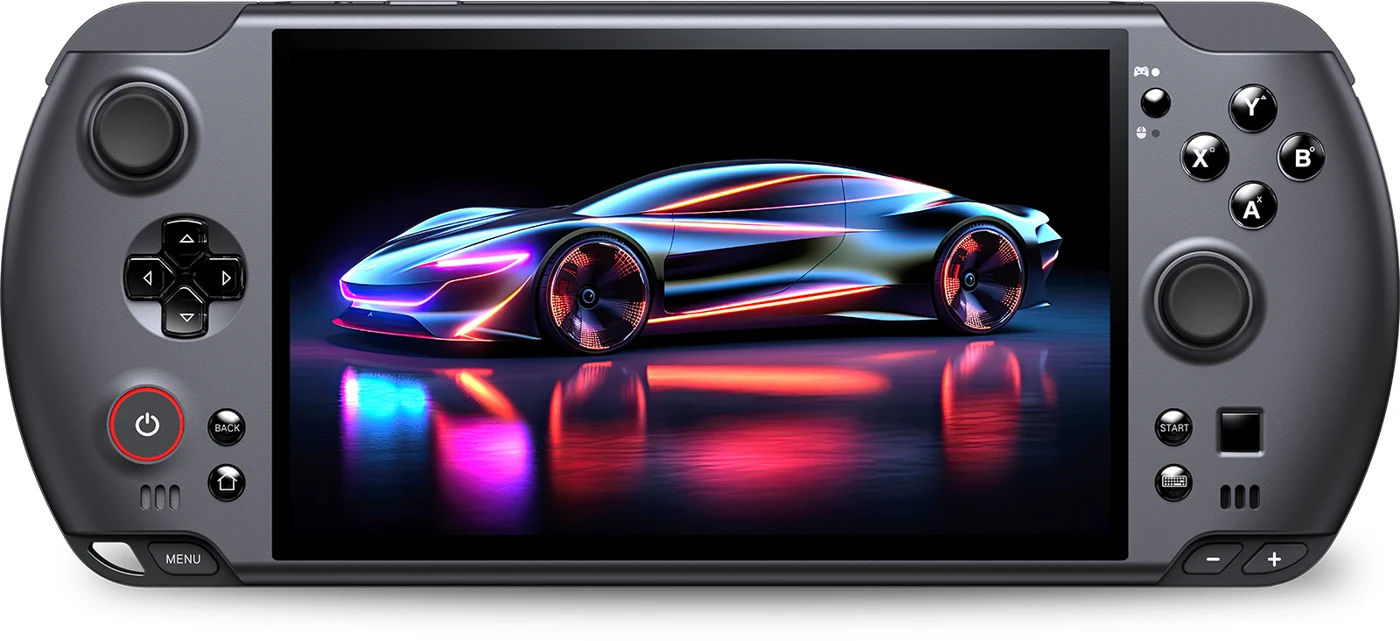
Best for: Power users wanting near-desktop handheld performance and memory
Check price on Amazon- Best ValueSteam Deck OLEDBest for: Value-minded gamers who want a great screen and batteryCheck price
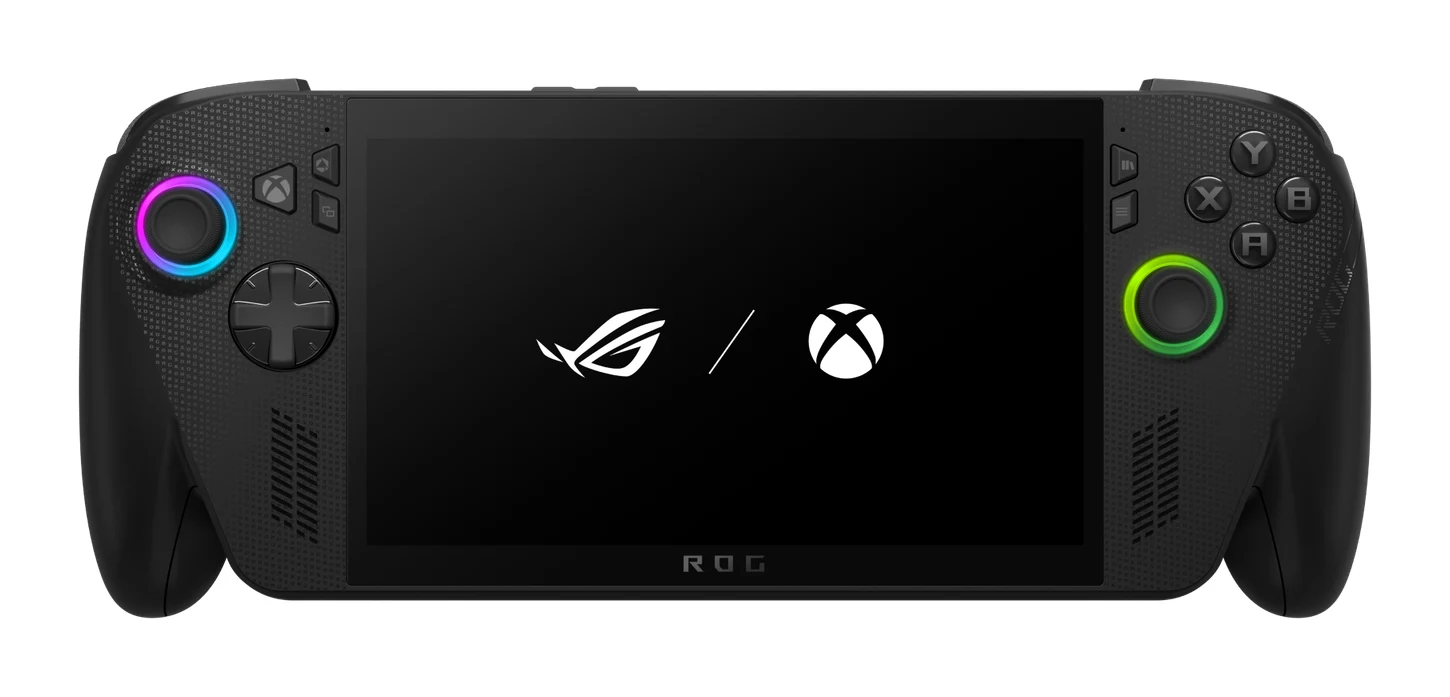
- Premium PickASUS ROG Xbox Ally X (2025)Best for: Xbox and PC players wanting a polished, powerful handheldCheck price
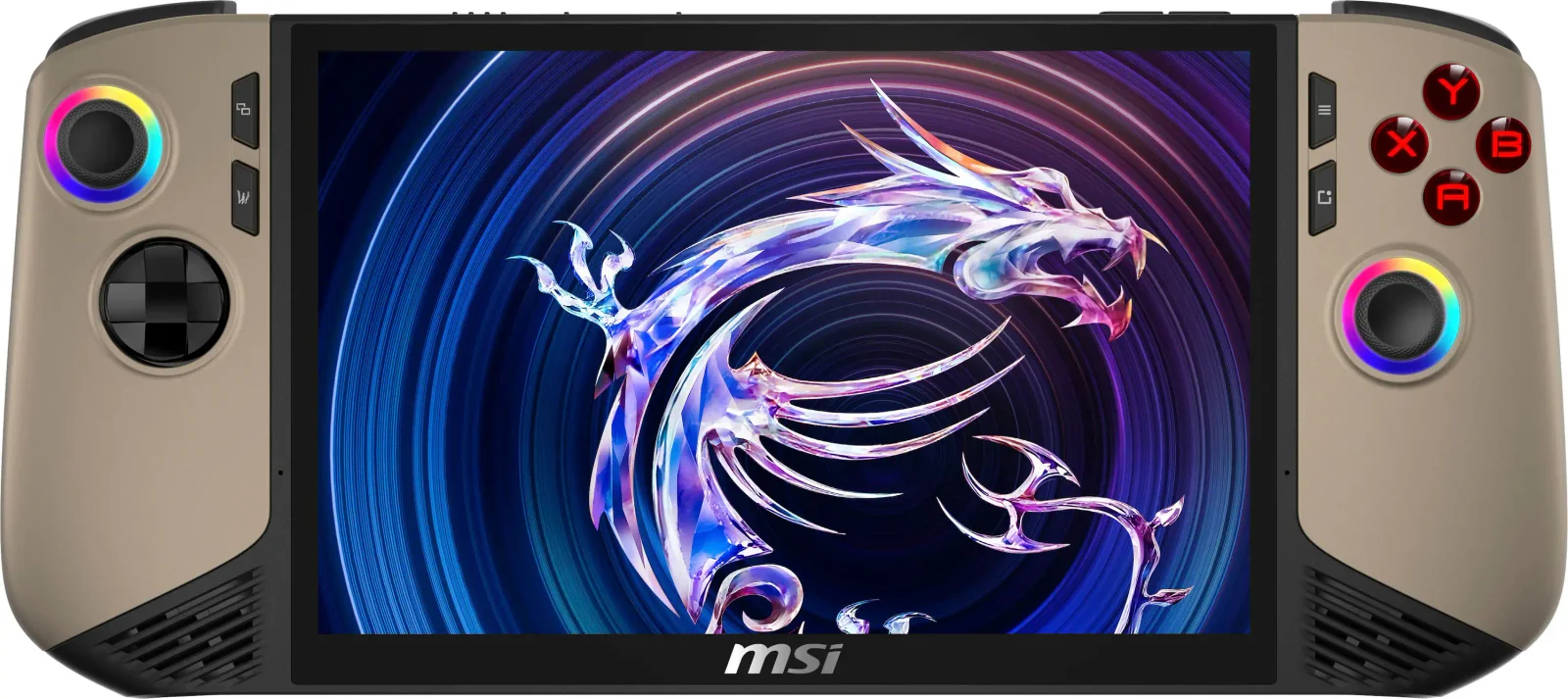
- Also GreatMSI Claw 8 AI+Best for: Players wanting a big VRR screen and Thunderbolt portsCheck price
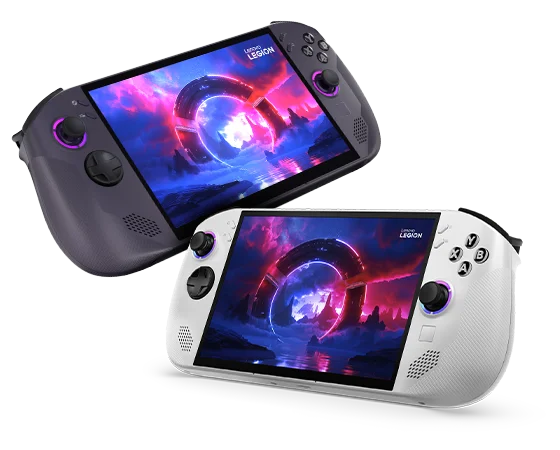
- Best BudgetLenovo Legion Go SBest for: Budget buyers wanting a big screen and SteamOS optionCheck price

Choosing among the best handheld gaming PCs in 2026 mostly comes down to three trade-offs: raw power, screen quality and how long the battery lasts away from a plug. This guide narrows the field to five picks, from a near-desktop-class machine with a detachable battery to an OLED handheld that suits value-minded players. It is based on manufacturer specs and independent expert recommendations, not hands-on testing.
Every pick below has a clear strength and a clear compromise. The notes under each product say who it suits, so you can match one to the way you play.
Best Handheld Gaming PCs at a Glance
| Pick | Label | Display | Processor | Weight | Battery | Buy |
|---|---|---|---|---|---|---|
| GPD WIN 5 | Best Overall | 7-inch 1920×1080, 120Hz | AMD Ryzen AI Max+ 395 | 565g (handheld); 915g with battery | 2-6 hours (80Wh external) | Check price |
| Steam Deck OLED | Best Value | 7.4-inch HDR OLED, 1280 x 800, up to 90Hz | AMD Zen 2, 4 cores/8 threads | 640g | 3-12 hours (content-dependent) | Check price |
| ASUS ROG Xbox Ally X (2025) | Premium Pick | 7-inch IPS, 1920 x 1080, 120Hz | AMD Ryzen AI Z2 Extreme | 715g | 3 hours heavy AAA gaming | Check price |
| MSI Claw 8 AI+ | Also Great | 8-inch 1920x1200, 120Hz, VRR | Intel Core Ultra 7 258V | 1.75 lbs | 2 hours gaming | Check price |
| Lenovo Legion Go S | Best Budget | 8 inch IPS, 1920 x 1200, 120 Hz | AMD Ryzen Z2 Go | 740g | 15.4 h (video playback) | Check price |
GPD WIN 5: Best Overall for Near-Desktop Power
Best for: Power users wanting near-desktop handheld performance and memory
The GPD WIN 5 packs desktop-class silicon and a modular battery into a handheld, making it the most powerful pick here. It suits buyers who prioritize raw performance over weight and price.
- Battery life
- 2-6 hours (80Wh external)
- Weight
- 565g (handheld); 915g (with battery integrated)
- Display
- 7-inch LTPS
- Resolution
- 1920×1080
- Refresh rate
- 120Hz
- Processor
- AMD Ryzen AI Max+ 395 (16-core/32-thread Zen 5)
Reasons to buy
- Ryzen AI Max+ 395 with Radeon 8060S targets RTX 4060-class performance
- Up to 128GB LPDDR5X unified memory for demanding workloads
- 7-inch 1080p 120Hz display with FreeSync Premium
- Detachable 80Wh external battery with modular FlexPower design
- Dual fans and quad heat pipes support sustained performance
Reasons to avoid
- Heavier at 915g with the battery attached
- Battery life of 2-6 hours depends on load
- Premium price tier
- GPD Store
- 9.8
- DROIX
- 9.8
The GPD WIN 5 is the most powerful handheld in this group, built around the AMD Ryzen AI Max+ 395 with Radeon 8060S graphics, which targets RTX 4060-class performance. It suits power users who want near-desktop performance and memory in a handheld and will accept extra weight and a premium price tier to get it. It is recommended in 7 expert guides.
Keep reading about GPD WIN 5
The chip has 16 Zen 5 cores, and the machine can be configured with up to 128GB of LPDDR5X unified memory and up to 4TB of PCIe 4.0 NVMe storage. The 7-inch 1920×1080 screen runs at 120Hz with AMD FreeSync Premium and a 6ms response time. Cooling uses dual fans and a quad heat-pipe configuration, which GPD says supports sustained performance. DROIX gives it 4.9 out of 5.
The modular design is the main trade-off. Power comes from an external 80Wh detachable battery with a FlexPower dual-mode design. The handheld alone weighs 565g, but that rises to 915g with the battery attached. Battery life is listed at 2-6 hours depending on load, so it is the pick for performance first, not endurance.
Steam Deck OLED: Best Value for Screen and Battery
Best for: Value-minded gamers who want a great screen and battery
The Steam Deck OLED delivers a standout HDR screen and strong battery life at a budget price. It is the easiest recommendation for most players who want a polished, affordable handheld.
Read our full Steam Deck OLED review →- Battery life
- 3-12 hours of gameplay (content-dependent)
- Weight
- 640g
- Display
- 7.4-inch OLED
- Resolution
- 1280 x 800
- Refresh rate
- up to 90Hz
- Processor
- AMD Zen 2 (6nm APU), 4 cores/8 threads, 2.4-3.5GHz
Reasons to buy
- HDR OLED display with 1000 nits peak brightness
- Battery life of 3-12 hours depending on content
- Lighter than the LCD model with improved cooling
- WiFi 6E and Bluetooth 5.3 for faster downloads
- Budget price tier for the experience offered
Reasons to avoid
- 1280x800 resolution is lower than rivals' 1080p screens
- Refresh rate tops out at 90Hz
- Zen 2 4-core processor is older than competitors' chips
- Trusted Reviews
- 9.0
- PCGamesN
- 9.0
- Stuff
- 8.0
- CGMagazine
- 8.5
- MMORPG.com
- 9.0
- The Inspect Aspect
- 8.8
The Steam Deck OLED earns Best Value by pairing a standout HDR OLED screen with long battery life in the budget price tier. It is the easiest recommendation for players who want a polished, affordable handheld and care more about the display and runtime than about top-end power. Twelve expert guides recommend it.
Keep reading about Steam Deck OLED
The 7.4-inch OLED panel reaches 1000 nits peak brightness in HDR, with 600 nits in SDR. Valve lists battery life at 3-12 hours of gameplay depending on content, from a 50Whr battery. It also has 16GB of LPDDR5X memory, WiFi 6E, Bluetooth 5.3 and a refresh rate of up to 90Hz. It is 30g lighter than the LCD model and has improved cooling, at 640g. Reviewers rate it well: Trusted Reviews gives it 4.5 out of 5 and MMORPG.com gives it 9 out of 10.
The compromises are in the spec sheet. The 1280 x 800 resolution is lower than the 1080p screens on rivals, and the 90Hz refresh rate is the lowest here. The Zen 2 4-core processor is older than the chips in competing handhelds. If you want more detail on this model alone, see our Valve Steam Deck OLED review.
ASUS ROG Xbox Ally X: Premium Pick for Xbox and Windows Gaming
ASUS ROG Xbox Ally X (2025)
Best for: Xbox and PC players wanting a polished, powerful handheld
The ROG Xbox Ally X combines a fast processor, generous memory and a console-style interface on top of Windows 11. It is a well-rounded high-end choice for a mixed game library.
Read our full ASUS ROG Xbox Ally X (2025) review →- Battery life
- 3 hours gaming (heavy AAA), 17.5+ hours office use
- Weight
- 715g
- Display
- 7-inch IPS
- Resolution
- 1920 x 1080 FHD
- Refresh rate
- 120Hz
- Processor
- AMD Ryzen AI Z2 Extreme (8 cores, 16 threads, up to 5.0GHz)
Reasons to buy
- Ryzen AI Z2 Extreme with 8 cores and onboard NPU
- 80Wh battery, up to 2x the original ROG Ally
- 24GB LPDDR5X and 1TB PCIe 4.0 SSD included
- Bright 7-inch 1080p 120Hz display with Gorilla Glass
- Xbox Full Screen Experience plus full Windows 11 flexibility
Reasons to avoid
- About 3 hours of battery in heavy AAA gaming
- 715g weight is noticeable in long sessions
- IPS panel is less vivid than OLED alternatives
- Trusted Reviews
- 9.0
- Tom's Guide
- 8.0
- PC Gamer
- 8.4
- CGMagazine
- 8.0
- Xbox Tavern
- 9.0
- Engadget
- 8.8
- Stuff TV
- 8.0
The ASUS ROG Xbox Ally X (2025) is the Premium Pick for Xbox and PC players who want a polished, powerful handheld. It combines the AMD Ryzen AI Z2 Extreme with a console-style interface layered on Windows 11. Twelve expert guides recommend it.
Keep reading about ASUS ROG Xbox Ally X (2025)
The Xbox Full Screen Experience gives a console-like front end, while Windows 11 keeps the wider PC game library open. The processor has 8 cores and 16 threads and an onboard NPU. It comes with 24GB of LPDDR5X memory and a 1TB PCIe 4.0 SSD. The 7-inch 1080p IPS display runs at 120Hz with 500 nits brightness and Gorilla Glass protection. ASUS lists the 80Wh battery as giving up to 2x the battery life of the original ROG Ally. Engadget gives it 4.4 out of 5 and PC Gamer gives it 4.2 out of 5.
Battery life under heavy load is the main caveat. ASUS lists about 3 hours for heavy AAA gaming, against 17.5+ hours of office use. At 715g, the weight is noticeable in long sessions, and the IPS panel is less vivid than the OLED alternatives.
MSI Claw 8 AI+: Also Great for a Big VRR Screen
Best for: Players wanting a big VRR screen and Thunderbolt ports
The MSI Claw 8 AI+ offers a large, sharp VRR display and strong connectivity with Wi-Fi 7 and Thunderbolt 4. It fits players who value screen size and ports over endurance.
- Battery life
- 2 hours gaming
- Weight
- 1.75 lbs
- Display
- 8-inch FHD+ (1920x1200)
- Resolution
- 1920 x 1200
- Refresh rate
- 120Hz
- Processor
- Intel Core Ultra 7 258V
Reasons to buy
- 8-inch 1920x1200 120Hz touchscreen with VRR support
- Intel Core Ultra 7 258V with Arc 140V graphics for 1080p gaming
- Hall Effect sticks and triggers resist drift
- Dual Thunderbolt 4 ports for fast external connectivity
- 32GB LPDDR5x memory and 1TB Gen4 SSD
Reasons to avoid
- About 2 hours of gaming battery despite 80Whr capacity
- Weighs 1.75 lbs, hefty for extended handheld play
- PC Gamer
- 9.0
- CGMagazine
- 8.0
- Windows Central
- 9.0
- Club386
- 8.0
The MSI Claw 8 AI+ is an Also Great pick for players who want a big, sharp variable-refresh screen and strong connectivity. Its 8-inch 1920x1200 120Hz touchscreen supports VRR, and it has dual Thunderbolt 4 ports. Eight expert guides recommend it.
Keep reading about MSI Claw 8 AI+
Under the screen sit an Intel Core Ultra 7 258V with Intel Arc 140V graphics, 32GB of LPDDR5x memory and a 1TB Gen4 SSD. The Hall Effect analog sticks and triggers are designed to resist drift. Connectivity includes Wi-Fi 7, Bluetooth 5.4, a microSD reader and a 3.5mm audio jack. The two Thunderbolt 4 ports offer 40Gbps external connectivity and high-speed charging. PC Gamer and Windows Central each give it 4.5 out of 5.
Endurance is the weak spot. Despite its 80Whr battery, the listed gaming runtime is about 2 hours. At 1.75 lbs, it is also hefty for extended handheld play. It fits players who value screen size and ports over time away from the charger.
Lenovo Legion Go S: Best Budget for a Big Screen and SteamOS Option
Best for: Budget buyers wanting a big screen and SteamOS option
The Legion Go S pairs a large 120Hz screen with drift-resistant sticks and the choice of SteamOS or Windows. It is a sensible, affordable option for everyday handheld gaming.
- Battery life
- 15.4 h (video playback)
- Weight
- 740 g
- Display
- 8 inch IPS
- Resolution
- 1920 x 1200
- Refresh rate
- 120 Hz
- Processor
- AMD Ryzen Z2 Go
Reasons to buy
- 8-inch 1920x1200 120Hz display for smooth play
- Hall Effect joysticks help prevent stick drift
- Ryzen Z2 Go tuned for battery life
- Offered with Windows 11 or SteamOS
- Two USB4 ports plus microSD slot
Reasons to avoid
- Z2 Go processor is less powerful than higher-end handheld chips
- 740g weight is on the heavier side
- Trusted Reviews (SteamOS version)
- 9.0
- Stuff TV
- 8.0
- Pocket Lint
- 8.0
- Gizmodo
- 7.0
The Lenovo Legion Go S is the Best Budget pick for buyers who want a large 120Hz screen without moving up to a premium price tier. It is also offered with either Windows 11 or SteamOS, which suits anyone who prefers a SteamOS-style setup. It is recommended in 11 expert guides.
Keep reading about Lenovo Legion Go S
The 8-inch IPS display is 1920 x 1200 at 120 Hz. The AMD Ryzen Z2 Go processor is optimized for battery life, and Lenovo lists 15.4 h of video playback, which is not a gaming figure. Memory is 16GB or 32GB of LPDDR5X, storage is 512GB or 1TB, and there are two USB4 ports plus a microSD slot. The Hall Effect joysticks with RGB lighting help prevent stick drift, and the ColdFront thermal system handles cooling. Trusted Reviews scored the SteamOS version 4.5 out of 5, while Gizmodo gave it 3.5 out of 5.
The trade-offs are power and weight. The Z2 Go is less powerful than higher-end handheld chips, and 740g is on the heavy side. It makes sense as a sensible, affordable everyday handheld, not a performance leader.
Compare our picks side by side
The specs most of our picks share, from each maker’s spec page (— = not published). Expert score = the average of published expert reviews, which rate each product for its price. Scroll sideways on small screens.
| Spec | GPD WIN 5 | Steam Deck OLED | ASUS ROG Xbox Ally X (2025) | MSI Claw 8 AI+ | Lenovo Legion Go S |
|---|---|---|---|---|---|
| Best for | Best Overall | Best Value | Premium Pick | Also Great | Best Budget |
| Expert score | 9.8 | 8.7 | 8.5 | 8.5 | 8.0 |
| Price vs. these picks | Higher | Lower | Middle | Lower | Lower |
| Battery life | 2-6 hours (80Wh external) | 3-12 hours of gameplay (content-dependent) | 3 hours gaming (heavy AAA), 17.5+ hours office use | 2 hours gaming | 15.4 h (video playback) |
| Weight | 565g (handheld); 915g (with battery integrated) | 640g | 715g | 1.75 lbs | 740 g |
| Display | 7-inch LTPS | 7.4-inch OLED | 7-inch IPS | 8-inch FHD+ (1920x1200) | 8 inch IPS |
| Resolution | 1920×1080 | 1280 x 800 | 1920 x 1080 FHD | 1920 x 1200 | 1920 x 1200 |
| Refresh rate | 120Hz | up to 90Hz | 120Hz | 120Hz | 120 Hz |
| Processor | AMD Ryzen AI Max+ 395 (16-core/32-thread Zen 5) | AMD Zen 2 (6nm APU), 4 cores/8 threads, 2.4-3.5GHz | AMD Ryzen AI Z2 Extreme (8 cores, 16 threads, up to 5.0GHz) | Intel Core Ultra 7 258V | AMD Ryzen Z2 Go |
| RAM | Up to 128GB LPDDR5X 8000 MT/s | 16GB LPDDR5X-6400 | 24GB LPDDR5X | 32GB LPDDR5x-8533MHz | 16GB or 32GB LPDDR5X-6400 |
| Storage | Up to 4TB M.2 NVMe SSD PCIe 4.0 | 512GB or 1TB NVMe SSD | 1TB PCIe 4.0 NVMe M.2 SSD | 1TB NVMe SSD Gen4x4 | 512GB or 1TB NVMe SSD |
| Where to buy | Check price | Check price | Check price | Check price | Check price |
How to Choose the Best Handheld Gaming PCs for You
Screen: resolution, refresh rate and panel type
Four of the five picks offer 1080p or higher with 120Hz: the GPD WIN 5, ROG Xbox Ally X, MSI Claw 8 AI+ and Legion Go S. The MSI and Lenovo step up to 8-inch 1920x1200 panels. The Steam Deck OLED takes a different route, with a lower 1280 x 800 resolution and up to 90Hz but an HDR OLED panel that reaches 1000 nits peak brightness.
Power versus battery life
The GPD WIN 5 is the most powerful pick here, with a listed TDP of 45-75W. In exchange, its runtime is listed at 2-6 hours. The Steam Deck OLED lists 3-12 hours depending on content, while the ROG Xbox Ally X lists about 3 hours in heavy AAA games and the MSI Claw 8 AI+ about 2 hours. Compare gaming figures with gaming figures, since the Legion Go S number is for video playback.
Weight and comfort
Weights range from the GPD WIN 5's 565g without its battery to 915g with it. The Steam Deck OLED is 640g, the ROG Xbox Ally X is 715g and the Legion Go S is 740g. The MSI Claw 8 AI+ is listed at 1.75 lbs. If you play in long sessions, weight deserves as much attention as the processor.
Operating system and ecosystem
The ROG Xbox Ally X pairs an Xbox-style interface with Windows 11. The Legion Go S is offered with either Windows 11 or SteamOS. Think about which game library you already own before you choose.
Controls and ports
The MSI Claw 8 AI+ and Lenovo Legion Go S both use Hall Effect sticks, which are designed to resist drift. The MSI adds two Thunderbolt 4 ports and the Lenovo has two USB4 ports. Both include a microSD slot.
How We Picked
This guide uses manufacturer specs and the recommendations of independent expert guides and reviews. We looked at display, processor and memory, weight, battery claims, controls and connectivity. We also weighed how consistently reviewers recommend each handheld and which trade-offs they raise. We have not hands-on tested these products. Prices change often, so use the check-price buttons for current offers.
Bottom Line
The GPD WIN 5 is the pick if performance matters most and you can live with a heavier, premium-priced, modular design. The Steam Deck OLED is the easiest recommendation for most players, thanks to its HDR OLED screen and 3-12 hours of battery life in the budget tier. The ROG Xbox Ally X suits Xbox and PC players who want a polished high-end handheld. The MSI Claw 8 AI+ is for those who prioritize a big VRR screen and Thunderbolt ports, and the Legion Go S is the budget option with a large 120Hz display and a SteamOS choice.
Ready to buy?
 Best OverallGPD WIN 5Check price
- Best ValueSteam Deck OLEDCheck price
- Premium PickASUS ROG Xbox Ally X (2025)Check price
- Also GreatMSI Claw 8 AI+Check price
- Best BudgetLenovo Legion Go SCheck price
Related buying guides
- Best Gaming Laptops 2026: Light, OLED & RTX 50 Power
- Best Gaming Headset 2026: Comfort, Battery & Low Latency
- Best Gaming Monitor 2026: QD-OLED Speed, 4K & Ultrawide
- Best Gaming Mouse for FPS 2026: Lightweight Wireless Aim
- Best Gaming Consoles 2026: TV, Handheld and Hybrid Play
- Best Gaming Chairs 2026: Comfort for Long Sessions
Frequently asked questions
What is the best handheld gaming PC overall?
The GPD WIN 5. It uses the AMD Ryzen AI Max+ 395 with Radeon 8060S graphics, which targets RTX 4060-class performance, and offers up to 128GB of unified memory. The trade-offs are weight with the battery attached and a premium price tier.
Which handheld gaming PC has the best battery life?
There is no like-for-like winner, since the listed figures use different workloads. The Steam Deck OLED lists 3-12 hours of gameplay, depending on content. The Legion Go S lists 15.4 h, but that is for video playback, not gaming. The ROG Xbox Ally X lists about 3 hours of heavy AAA gaming and the MSI Claw 8 AI+ about 2 hours.
What is the best value handheld gaming PC?
The Steam Deck OLED. It combines a 7.4-inch HDR OLED display and long battery life in the budget price tier. Its lower 1280 x 800 resolution and older Zen 2 processor are the main compromises.
Which handheld gaming PCs have a 120Hz display?
The GPD WIN 5, ASUS ROG Xbox Ally X, MSI Claw 8 AI+ and Lenovo Legion Go S all have 120Hz screens. The Steam Deck OLED tops out at 90Hz but uses an HDR OLED panel.
Which handheld can run SteamOS?
Among the picks here, the Lenovo Legion Go S is listed as offered with either Windows 11 or SteamOS. The ROG Xbox Ally X instead pairs the Xbox Full Screen Experience with Windows 11.
Which handheld gaming PC is the lightest?
Without its external battery the GPD WIN 5 is 565g, but that figure isn't like-for-like. With the battery attached it is 915g, the heaviest here. Among the others, the Steam Deck OLED is lightest at 640g, then the ROG Xbox Ally X at 715g and the Legion Go S at 740g.
Sources
Specs are taken from the manufacturers' official pages; expert recommendations from the publications below.
- GPD WIN 5: gpdstore.net, gpd-minipc.com, videocardz.com
- Steam Deck OLED: steamdeck.com, retrocatalog.com, en.wikipedia.org, store.steampowered.com
- ASUS ROG Xbox Ally X (2025): rog.asus.com, retrocatalog.com
- MSI Claw 8 AI+: us-store.msi.com, en.wikipedia.org, techpowerup.com
- Lenovo Legion Go S: lenovo.com, laptopmedia.com, retrocatalog.com, comparisontabl.es
More buying guides
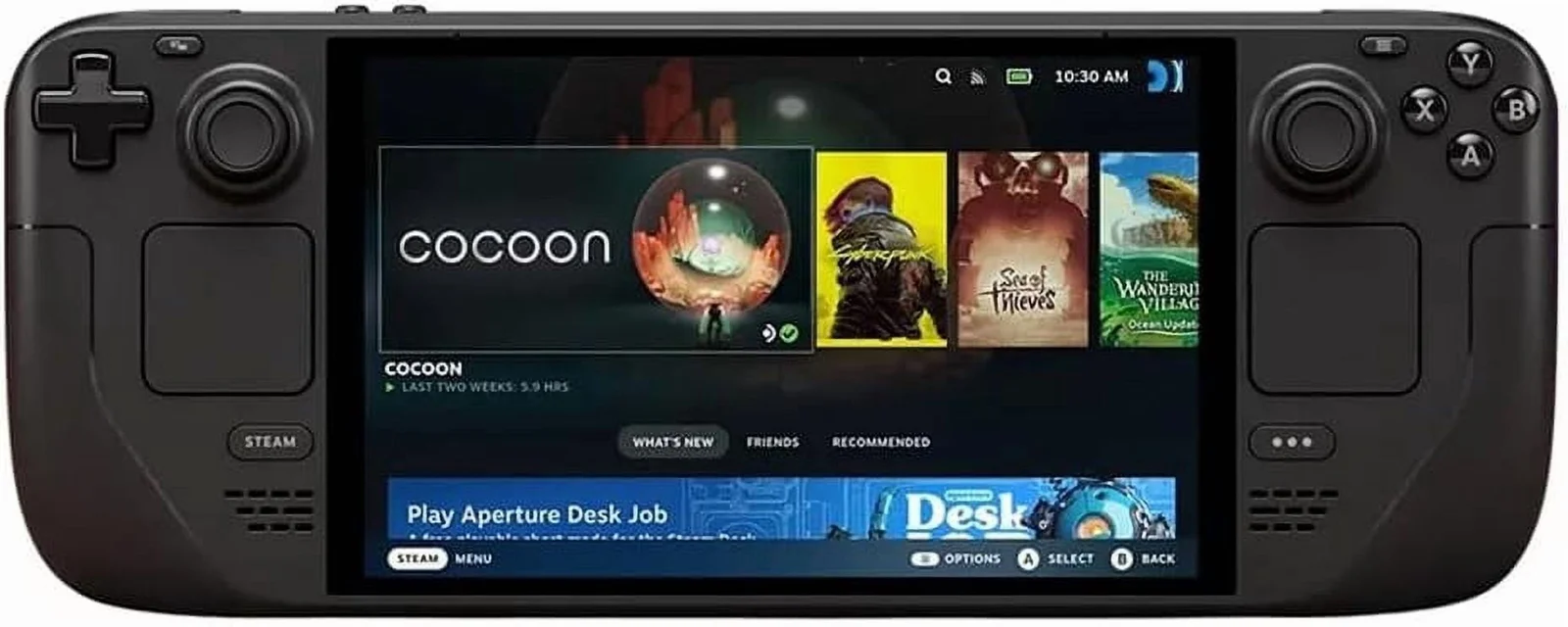
Valve Steam Deck OLED Review (2026): The Screen Is the Star
Our Valve Steam Deck OLED review looks at the HDR screen, battery, thermals and controls, and who should buy this handheld.
Published Oct 20, 2026
Best Gaming Consoles 2026: TV, Handheld and Hybrid Play
Five of the best gaming consoles for 2026, from the hybrid Nintendo Switch 2 to the PlayStation 5 Pro, compared on specs and expert recommendations.
Published Oct 27, 2026Switch 2 vs PS5 Slim (2026): Handheld or 4K Power?
Switch 2 or PS5 Slim? One is a budget hybrid that works on the TV and in your hands. The other is a premium living-room console built for 4K and big-budget games.
Published Oct 30, 2026