Valve Steam Deck OLED Review (2026): The Screen Is the Star
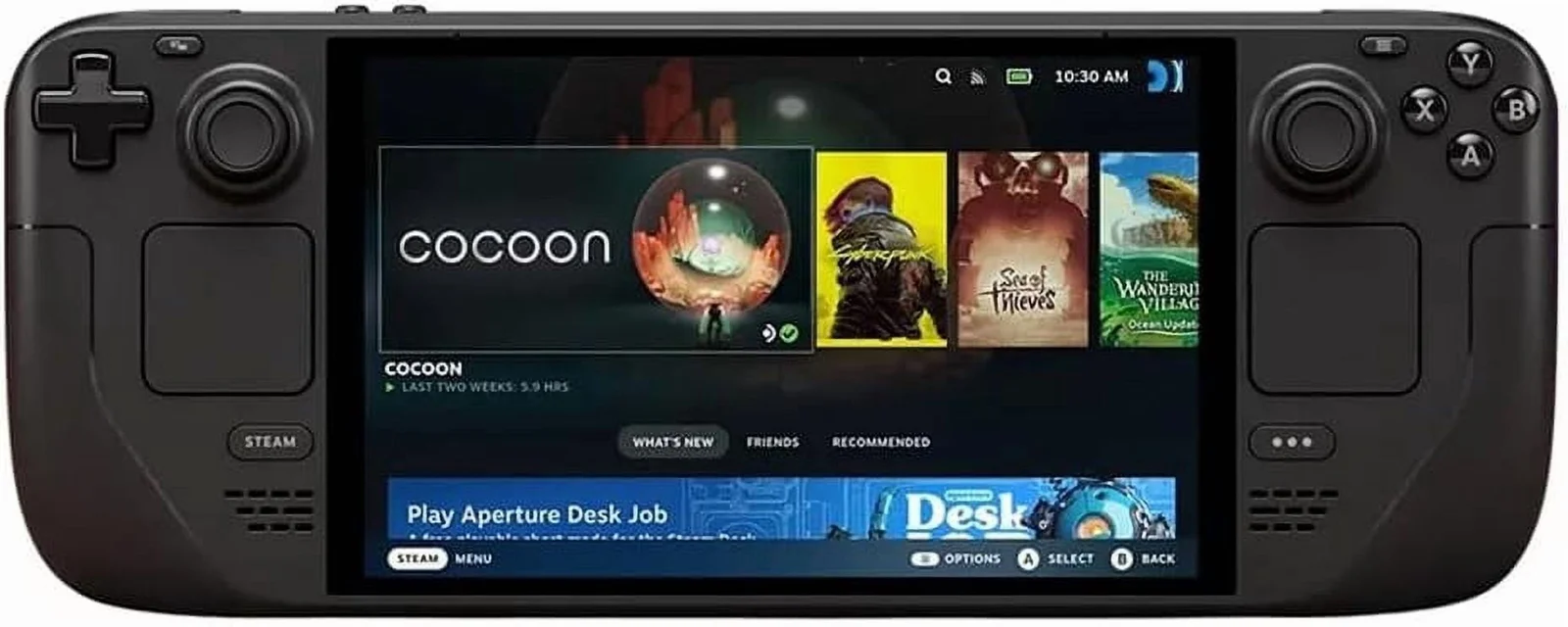
Our Valve Steam Deck OLED review looks at the HDR screen, battery, thermals and controls, and who should buy this handheld.
Research-based · We earn from qualifying purchases
Our verdict
The Steam Deck OLED is a great pick for Steam library owners who want a stunning screen, better battery life and cooler, quieter running in a handheld. Skip it if you need extra horsepower for demanding new releases, a higher-resolution display or a more compact device.
The good
- 7.4" HDR OLED screen with deep blacks, widely seen as best on a handheld
- 50Whr battery with better endurance than the LCD model
- Runs cooler and quieter thanks to a bigger fan and efficient 6 nm APU
- SteamOS feels console-like and plays a large Steam library
- Trackpads, four grip buttons and gyro give flexible controls
+2 more
- SteamOS feels console-like and plays a large Steam library
- Trackpads, four grip buttons and gyro give flexible controls
The bad
- Performance is essentially unchanged, so demanding new games can struggle
- Resolution stays at 1280 x 800
- Still large and bulky at about 640 grams
- No VRR, and some SteamOS quirks remain
+1 more
- No VRR, and some SteamOS quirks remain
This valve steam deck oled review looks at a handheld built around one idea: keep the Steam Deck's core formula and make the parts you look at and live with every day better. The headline change is a 7.4" HDR OLED display. Around it sit a 50Whr battery, a more efficient 6 nm AMD APU, a bigger fan and updated thermals. It is aimed at people who already own a Steam library and want to play it on a handheld with a premium screen.
This review is based on Valve's manufacturer specs and on what independent expert reviews report. It is not hands-on testing. Across four published expert scores it averages 8.6/10, and it has been recommended in 8 independent expert guides.
Valve Steam Deck OLED: specs at a glance
From the manufacturer- GPU
- 8 RDNA 2 CUs, 1.6GHz (1.6 TFLOPS FP32)
- RAM
- 16 GB LPDDR5 (6400 MT/s)
- Weight
- Approx. 640 grams
- Battery
- 50Whr
- Charger
- 45W PD3.0 USB-C, 2.5m cable
- Display
- 7.4" HDR OLED, 1280 x 800
- Storage
- 512GB or 1TB NVMe SSD, plus microSD
- Wireless
- Wi-Fi 6E, Bluetooth 5.3
- APU power
- 4-15W
- Processor
- 6 nm AMD APU, Zen 2 4c/8t, 2.4-3.5GHz
- Dimensions
- 298mm x 117mm x 49mm
- Refresh rate
- up to 90Hz
- Peak brightness
- 1,000 nits (HDR), 600 nits (SDR)
- Operating system
- SteamOS 3 (Arch-based)
Key features
- 7.4" HDR OLED screen with brighter colors and deeper blacks
- Refresh rate up to 90Hz
- 50Whr battery, rated 3-12 hours of gameplay (content-dependent)
- More efficient 6 nm AMD APU
- Wi-Fi 6E and Bluetooth 5.3
- Bigger fan and updated thermals, so it runs cooler
- Two trackpads with haptics, 4 assignable grip buttons and gyro
- Fast charging: 20% to 80% in as little as 45 minutes
Design and build
The Steam Deck OLED is a big handheld. It measures 298mm x 117mm x 49mm and weighs approx. 640 grams. A listed drawback is that it is still large and bulky. If you want something that slips easily into a jacket pocket, this is not that device. If you mainly play on a couch, in bed or on a train seat, the size matters less.
The controls are a major part of the design. The Deck has two trackpads with haptics, four assignable grip buttons and gyro. Reviewers praise this as flexible. The grip buttons are assignable, which gives you room to set up the layout the way you want.
The bigger fan and updated thermals mean the unit runs cooler, and reviewers say it runs quieter too.
The display: why this is the headline upgrade
The 7.4" HDR OLED panel is the reason most people will consider this model. Valve lists brighter colours and deeper blacks. Peak brightness is 1,000 nits (HDR) and 600 nits (SDR). Reviewers widely regard it as the best screen on a handheld, and the deep blacks are the part they single out.
The refresh rate goes up to 90Hz.
There are limits. The resolution stays at 1280 x 800, so the screen's appeal is about colour and contrast rather than pixel count. There is also no VRR. If you are hoping for a higher-resolution or variable-refresh handheld, this is not the one.
Performance and thermals
This is where expectations need to be calibrated. The Steam Deck OLED uses a 6 nm AMD APU with Zen 2 4c/8t cores running at 2.4-3.5GHz. The GPU is 8 RDNA 2 CUs at 1.6GHz (1.6 TFLOPS FP32). It comes with 16 GB of LPDDR5 (6400 MT/s) memory, and the APU power range is 4-15W.
A common criticism from reviewers is that performance is essentially unchanged. The gains here come from efficiency, thermals and the display, not from raw horsepower. That works for a large library of existing Steam games. A common caveat is that demanding new releases can struggle. If your wishlist is full of the newest, most graphically demanding games, set your expectations accordingly.
The 6 nm APU is more efficient, and together with the bigger fan it contributes to cooler, quieter running. In practice, performance is essentially unchanged while the running experience is cooler and quieter, which suits players who want a nicer version of the Deck experience.
Battery life and charging
The battery is 50Whr, and Valve rates it at 3-12 hours of gameplay, depending on the content. Where you land in that range depends on the content being played. Reviewers say endurance is better than on the LCD model.
Valve lists fast charging from 20% to 80% in as little as 45 minutes. The specs list a 45W PD3.0 USB-C charger with a 2.5m cable.
Software, storage and connectivity
The Deck runs SteamOS 3, which is Arch-based. Reviewers say it feels console-like and that it plays a large Steam library. A common criticism is that some SteamOS quirks remain.
Storage comes as a 512GB or 1TB NVMe SSD, plus a microSD slot for expansion. Wireless is up to date, with Wi-Fi 6E and Bluetooth 5.3.
What experts like and what they criticise
Expert coverage is consistent. Trusted Reviews scores it 4.5/5, PCGamesN gives it 9/10, Stuff rates it 4/5 and CGMagazine scores it 8.5/10. That adds up to the 8.6/10 average.
What reviewers praise:
- The HDR OLED screen and its deep blacks.
- Better battery endurance than the LCD model.
- Cooler, quieter running thanks to the bigger fan and efficient APU.
- A console-like SteamOS experience with access to a large Steam library.
- Flexible controls from the trackpads, grip buttons and gyro.
What they criticise:
- Performance is essentially unchanged, so demanding new games can struggle.
- The resolution stays at 1280 x 800.
- It is still large and bulky.
- There is no VRR, and some SteamOS quirks remain.
Who should buy it and who should skip it
Buy it if you have, or plan to build, a Steam library and want to play it on a handheld with a premium screen. It also suits anyone who values battery life and quieter running. The trackpads, four assignable grip buttons and gyro give it flexible controls.
Skip it if you need extra horsepower for the most demanding new releases, you want a higher-resolution display, or you want a more compact device. If maximum performance is the priority, this is not the right device.
How it fits in its category
The Steam Deck OLED combines a screen reviewers rate highly, better endurance than the LCD model and a console-like software experience that plays a large Steam library. It has been recommended in 8 expert guides.
Verdict
The Steam Deck OLED is a refinement rather than a reinvention. Its strengths are the screen, the battery and the cooler, quieter running. Its weaknesses are the unchanged performance, the 1280 x 800 resolution, the bulk and the lack of VRR. If your Steam library is the draw and the screen is what you want most, it is easy to recommend. If you want more power or a smaller device, look elsewhere.
Related buying guides
- Best Handheld Gaming PCs 2026: Screens, Battery & Power
- Best Gaming Laptops 2026: Light, OLED & RTX 50 Power
- Best Gaming Monitor 2026: QD-OLED Speed, 4K & Ultrawide
- Best Gaming Headset 2026: Comfort, Battery & Low Latency
- Best Gaming Consoles 2026: TV, Handheld and Hybrid Play
- Best Gaming Chairs 2026: Comfort for Long Sessions
- Switch 2 vs PS5 Slim (2026): Handheld or 4K Power?
Not sure about the Valve Steam Deck OLED? Consider these
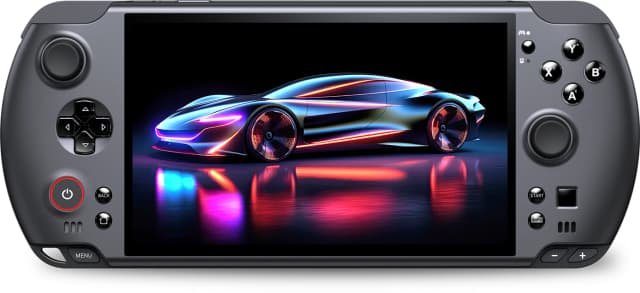
- Best OverallGPD WIN 5Why we picked it →
- Best ValueSteam Deck OLEDWhy we picked it →
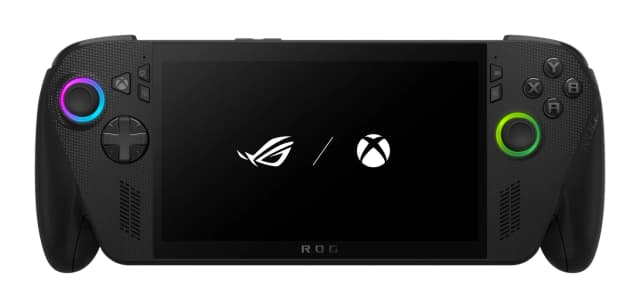
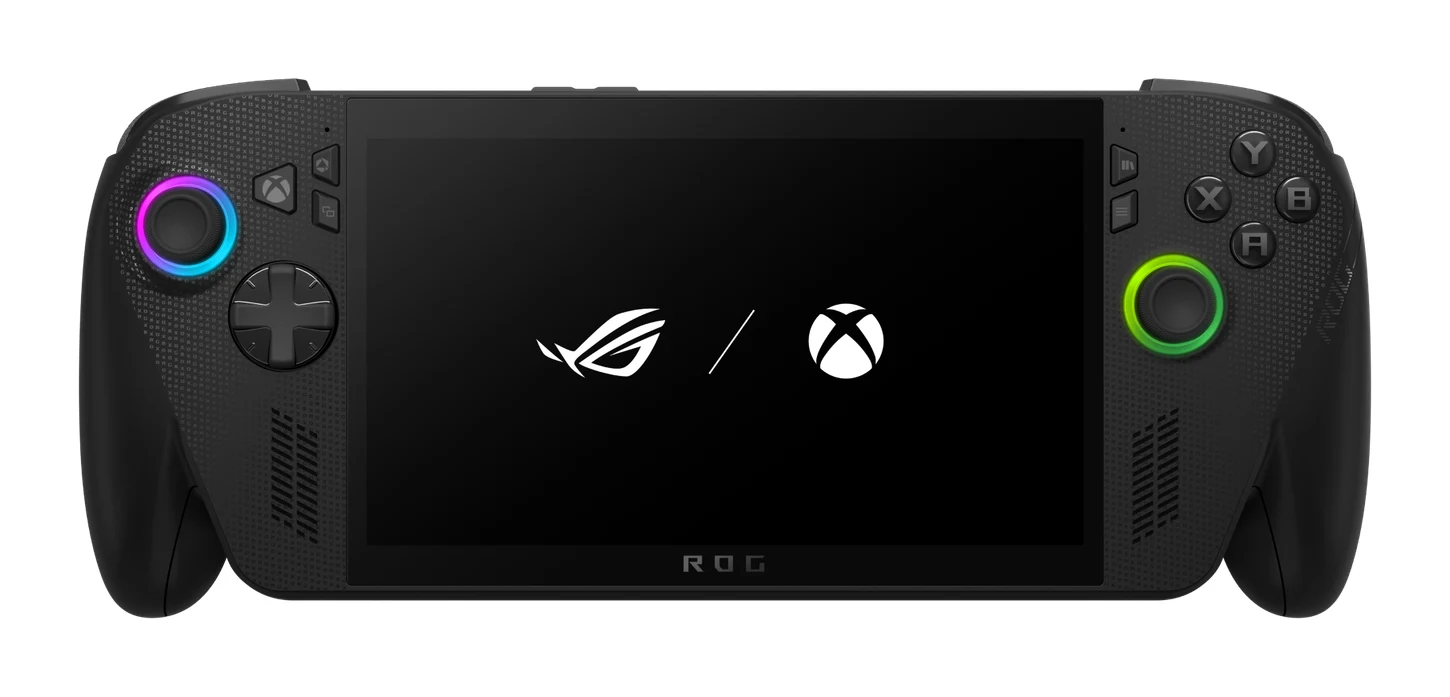
- Premium PickASUS ROG Xbox Ally X (2025)Why we picked it →
Frequently asked questions
Is the Steam Deck OLED worth it?
For Steam library owners who want a better screen, better battery endurance and cooler, quieter running, reviewers say yes. It averages 8.6/10 across four expert reviews. If you want more performance for demanding new games, a higher-resolution display or a smaller device, it is less compelling.
What screen does the Steam Deck OLED have?
It has a 7.4" HDR OLED display at 1280 x 800, with a refresh rate of up to 90Hz. Peak brightness is 1,000 nits (HDR) and 600 nits (SDR). Reviewers widely see it as the best screen on a handheld, though it has no VRR.
How long does the Steam Deck OLED battery last?
Valve rates the 50Whr battery at 3-12 hours of gameplay, depending on the content. Reviewers say endurance is better than on the LCD model. Fast charging takes it from 20% to 80% in as little as 45 minutes.
Is the Steam Deck OLED faster than the LCD model?
Reviewers say performance is essentially unchanged. The OLED model's gains come from the screen, battery, efficiency and cooling rather than raw power, and demanding new games can still struggle.
Does the Steam Deck OLED support Wi-Fi 6E and Bluetooth 5.3?
Yes. The wireless specs list Wi-Fi 6E and Bluetooth 5.3.
Can you add more storage to the Steam Deck OLED?
Yes. It comes with a 512GB or 1TB NVMe SSD and also has a microSD slot for extra storage.
Sources
Specs are taken from the manufacturers' official pages; expert recommendations from the publications below.
- Valve Steam Deck OLED: store.steampowered.com, steamdeck.com, steamhardware.io
Related reviews & guides
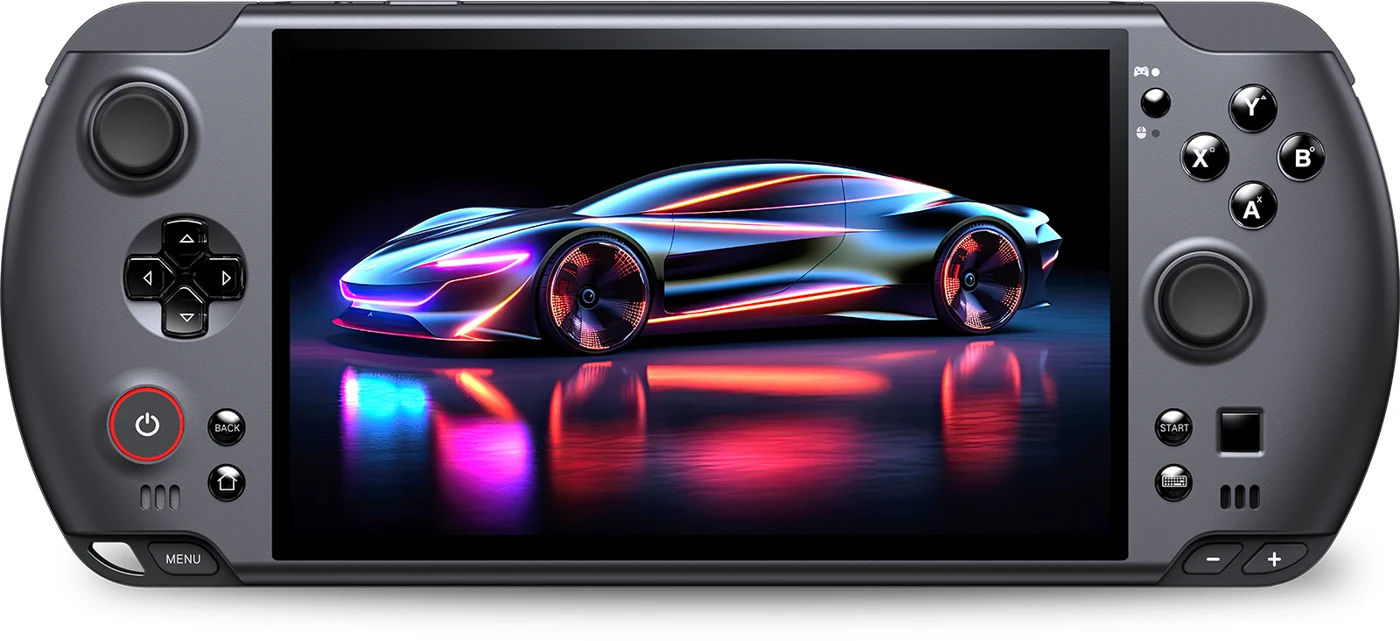
Best Handheld Gaming PCs 2026: Power, Screens & Battery
Five of the best handheld gaming PCs compared on screen, processor, weight and battery, from the near-desktop GPD WIN 5 to the Steam Deck OLED.
Published Oct 16, 2026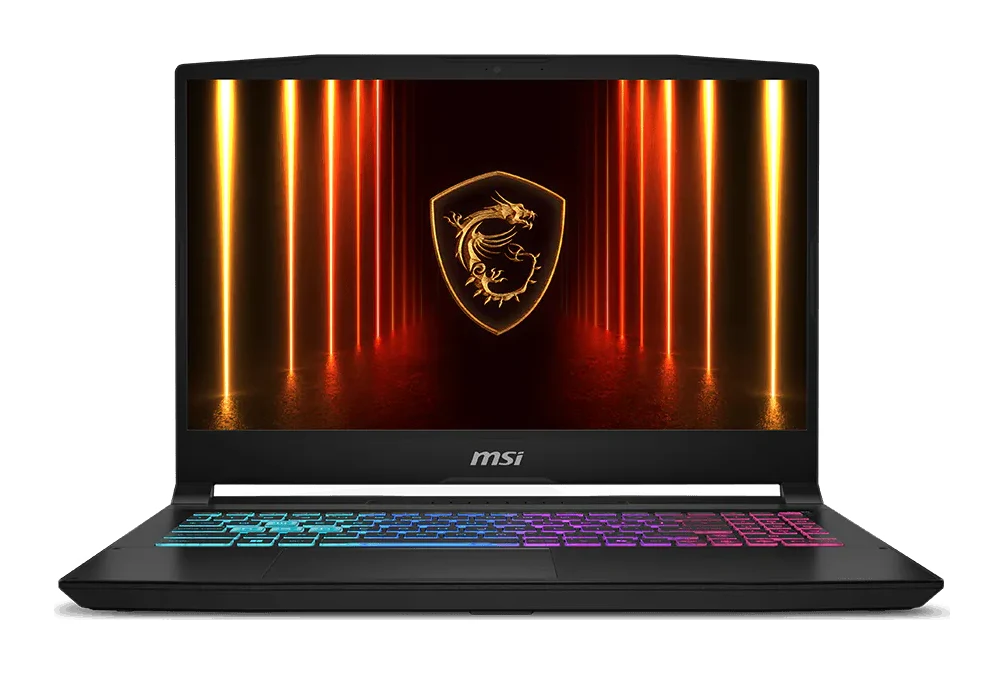
Best Gaming Laptops 2026: Light, OLED & RTX 50 Power
Five gaming laptops for 2026, from the MSI Katana 15 HX to the ASUS ROG Zephyrus G14, compared on graphics, display, weight and expert recommendations.
Published Oct 8, 2026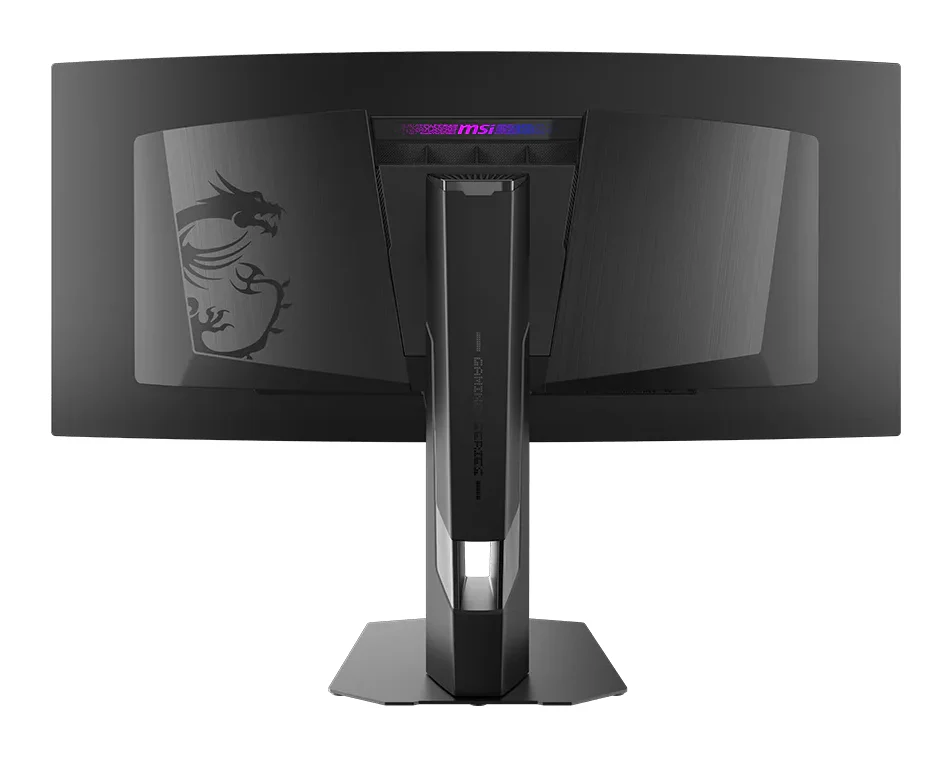
Best Gaming Monitor 2026: OLED and Mini LED Picks Compared
Five gaming monitors compared on panel tech, refresh rate, resolution and connectivity, from an ultrawide QD-OLED to a 4K 240Hz flagship and a bright Mini LED value pick.
Published Oct 17, 2026