Rode NT-USB+ Review (2026): Clean USB Vocals, Few Controls
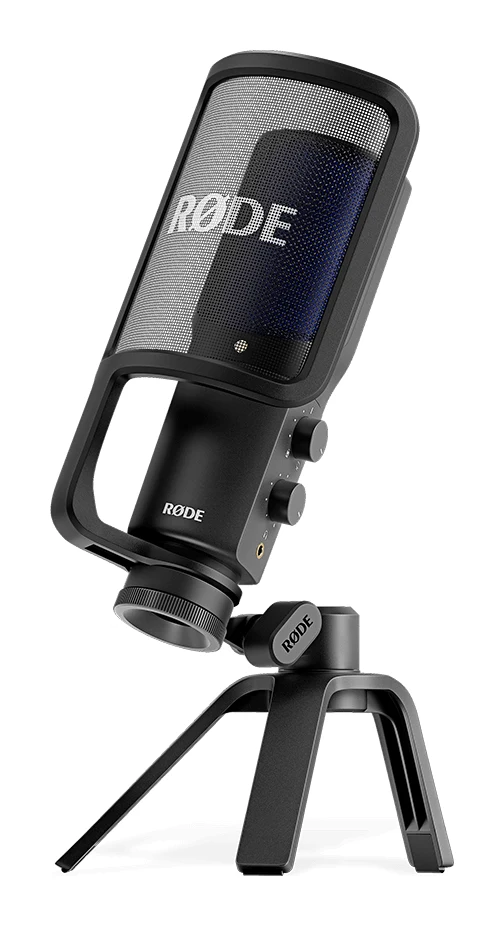
Our Rode NT-USB+ review looks at a mid-range USB-C condenser mic built for podcasters, streamers and voiceover work, with onboard Aphex processing and zero-latency monitoring.
Research-based · We earn from qualifying purchases
Our verdict
The NT-USB+ suits streamers, podcasters and voiceover artists who want a clean, detailed USB mic with built-in processing and zero-latency monitoring. Skip it if you need on-mic gain or mute controls, multiple pickup patterns, or plan to record loud instruments.
The good
- Rich, detailed vocal sound from a large-diaphragm condenser capsule
- Very low self-noise thanks to the Revolution Preamp
- Zero-latency headphone output with a useful volume and mix control
- Onboard Aphex DSP with compressor, noise gate and high-pass filter
- Pop filter, desk stand, ring mount and 3 m USB-C cable included
+2 more
- Onboard Aphex DSP with compressor, noise gate and high-pass filter
- Pop filter, desk stand, ring mount and 3 m USB-C cable included
The bad
- No on-mic gain control or mute button
- Cardioid is the only pickup pattern available
- Can clip on louder sources such as instruments
- Lightweight desk stand can tip; a boom arm works better
+1 more
- Lightweight desk stand can tip; a boom arm works better
This Rode NT-USB+ review looks at a USB-C large-diaphragm condenser microphone aimed at people who want studio-style vocal capture without an audio interface. It is built for podcasters, streamers and voiceover artists who want a clean, detailed sound from a single cable, with processing and monitoring already built in. It sits in the mid-range part of the market. The questions below are the ones buyers tend to ask: what the built-in processing does, what you give up for the simplicity, and whether the missing controls matter.
This review is based on Rode's published specifications and on what independent expert reviews report. It is not based on hands-on testing.
Rode NT-USB+: specs at a glance
From the manufacturer- Type
- Large-diaphragm condenser, side-address
- Cable
- USB-C to USB-C, 9.8' / 3 m
- Power
- USB bus power, 5 V
- Weight
- 540 g / 1.2 lb (microphone only)
- Max SPL
- 118 dB (10% THD)
- Included
- Pop filter, tripod desk stand, ring mount, USB-C cable
- Warranty
- Limited 1-year, extendable by 1 year on registration (US only)
- Dimensions
- 184 x 62 x 50 mm (7.2 x 2.4 x 2")
- Connectivity
- USB-C, class-compliant
- Dynamic range
- 97 dB
- Polar pattern
- Cardioid
- A/D conversion
- 24-bit / 48 kHz
- Headphone output
- 3.5mm jack with volume and mix controls
- Frequency response
- 20 Hz to 20 kHz
Key features
- Studio-grade condenser capsule with a tight cardioid pattern keeps recordings focused
- Ultra-low-noise, high-gain Revolution Preamp gives a clean signal with little self-noise
- Built-in Aphex DSP (compressor, noise gate, high-pass filter, Aphex effects) works through Rode Connect, Central and Reporter
- Zero-latency headphone output with separate volume and mix dials
- USB-C, class-compliant plug-and-play for computers, smartphones and tablets
- 24-bit/48 kHz analog-to-digital conversion
- Detachable pop filter, desktop tripod stand and ring mount included
- Up to 4 NT-USB+ mics can be used together on a computer via Rode Connect
Design and build
The NT-USB+ is a side-address condenser, so you speak into the side of the body rather than the top. It measures 184 x 62 x 50 mm (7.2 x 2.4 x 2") and weighs 540 g / 1.2 lb without the stand, so it is a full-size studio-style microphone rather than a compact travel mic.
The box is generous. Rode includes a detachable pop filter, a tripod desk stand, a ring mount and a USB-C to USB-C cable that is 9.8' / 3 m long. That means you can plug it in and start recording, and the long cable gives you room to position the mic away from the computer.
The desk stand is the weak point. A common criticism is that the lightweight tripod can tip, and reviewers say a boom arm works better. If you record at a desk every day, plan on an arm.
Features and what they mean day to day
Revolution Preamp and capsule
The mic pairs a studio-grade condenser capsule with a tight cardioid pattern. The pattern keeps the recording focused on whatever is in front of the mic. Rode's ultra-low-noise, high-gain Revolution Preamp is there to give a clean signal with little self-noise. Reviewers repeatedly highlight that low noise floor as one of the mic's strengths. The preamp does the work an interface would normally do, so you don't need extra hardware.
Built-in Aphex DSP
The mic includes onboard Aphex DSP, with a compressor, a noise gate, a high-pass filter and Aphex effects. You control it through Rode Connect, Rode Central and Rode Reporter.
Practically, this means some of the processing you would normally add in recording software happens before the signal reaches your computer. A compressor evens out the difference between quiet and loud passages. A noise gate cuts low-level background sound between phrases. A high-pass filter removes low-frequency rumble. Together they can get a spoken-word recording close to finished at the source, which helps if you stream live and don't want to build a plugin chain.
Zero-latency headphone monitoring
The 3.5mm headphone output is zero-latency and has separate volume and mix dials. Zero-latency means you hear yourself with no delay, which matters when you talk for long stretches because delayed self-monitoring is distracting. The mix dial blends the mic signal with playback from your computer, so you can balance your own voice against a guest or backing audio. Reviewers call this a useful addition.
Multiple mics through Rode Connect
Rode says up to 4 NT-USB+ mics can be used together on a computer via Rode Connect. That makes it practical for a small podcast with several hosts, since each person gets the same mic. The mics are not tied to one setup, either: the NT-USB+ also works as a single mic for a solo creator.
Rode NT-USB+ review: sound and performance
The published numbers describe a mic aimed at speech and vocals. Frequency response is 20 Hz to 20 kHz, and dynamic range is 97 dB. Max SPL is 118 dB (10% THD). Conversion is 24-bit / 48 kHz, which is a standard figure for voice work, streaming and video.
Reviewers describe the sound as rich and detailed for vocals, which fits a large-diaphragm condenser capsule. MusicRadar scores it 4.5/5.
The cardioid-only pattern has two sides. The tight focus helps when you want to isolate one voice. It also means there are no omnidirectional or figure-8 modes for recording a room or two people across one mic. If you need those, this isn't the right mic.
Reviewers also say it can clip on louder sources such as instruments. The 118 dB (10% THD) maximum SPL gives a rough indication of how much level it handles, but the practical advice is simple: the NT-USB+ is a voice-first mic. Treat any instrument use as secondary and check levels carefully if you try it.
The bigger practical limitation is control. There is no on-mic gain control and no mute button. There is no on-mic gain control and no mute button, so you can't adjust either on the mic body. For live streamers who like to mute quickly, that is a real inconvenience.
Connectivity and compatibility
The NT-USB+ connects over USB-C and is class-compliant. Rode says that makes it plug-and-play for computers, smartphones and tablets, with no driver installation. It runs on USB bus power at 5 V, so there is no separate power supply.
The cable is USB-C to USB-C. If your computer only has USB-A ports, check what adapter you need. The spec sheet doesn't list one in the box.
Using it with a phone or tablet makes the mic useful for mobile creators too. The Aphex processing is configured through Rode's apps, so it's worth checking what each of them does on your platform before buying.
What experts like and what they criticise
The praise is consistent. Reviewers like the rich, detailed vocal sound from the large-diaphragm condenser capsule and the very low self-noise from the Revolution Preamp. The zero-latency headphone output with volume and mix control also gets credit, as does the onboard Aphex DSP with compressor, noise gate and high-pass filter. Reviewers also like the accessories in the box: pop filter, desk stand, ring mount and 3 m USB-C cable.
The criticism is just as consistent. The lack of an on-mic gain control or mute button is the most practical complaint. Others are that cardioid is the only pickup pattern, that it can clip on louder sources, and that the lightweight desk stand can tip. None of these is a flaw in the sound itself. They are limits on flexibility, and whether they matter depends on how you record.
Who should buy it, and who should skip it
Buy it if:
- You are a podcaster, streamer or voiceover artist who wants a clean, detailed USB vocal mic.
- You want compression, gating and high-pass filtering built in rather than assembled in software.
- You value zero-latency monitoring with a quick volume and mix adjustment.
- You want a complete kit in one box, with a pop filter, stand, ring mount and long cable.
- You plan to run several identical mics on one computer through Rode Connect.
Skip it if:
- You want physical gain and mute controls on the mic body.
- You need more than one pickup pattern.
- You mainly want to record loud instruments.
- You don't want to buy a boom arm and are worried about the stock stand.
How it fits in its category
USB microphones range from simple plug-in mics to models with more processing and monitoring. The NT-USB+ combines a large-diaphragm condenser capsule, onboard DSP and a headphone output with a mix control, but it keeps to a single cardioid pattern and omits on-mic controls. That makes it a focused voice tool rather than an all-purpose recorder. If you prefer a mic you can adapt to many sources, or one with hardware controls, compare the pickup patterns and controls of other USB mics against this one before you decide. We don't currently have a microphone buying guide to link to.
Verdict
The Rode NT-USB+ is a strong choice for spoken-word creators who care about clean sound and want processing and monitoring handled by the mic itself. Reviewers praise its vocal detail, its low self-noise and the headphone mix, and MusicRadar scores it 4.5/5. The trade-offs are practical rather than sonic. There is no on-mic gain or mute, only one pickup pattern, a tendency to clip on loud sources and a stand that is better replaced with a boom arm. If those don't matter for your setup, the NT-USB+ gives you a well-equipped, mid-range USB mic for podcasting, streaming and voiceover.
Related buying guides
Not sure about the Rode NT-USB+? Consider these
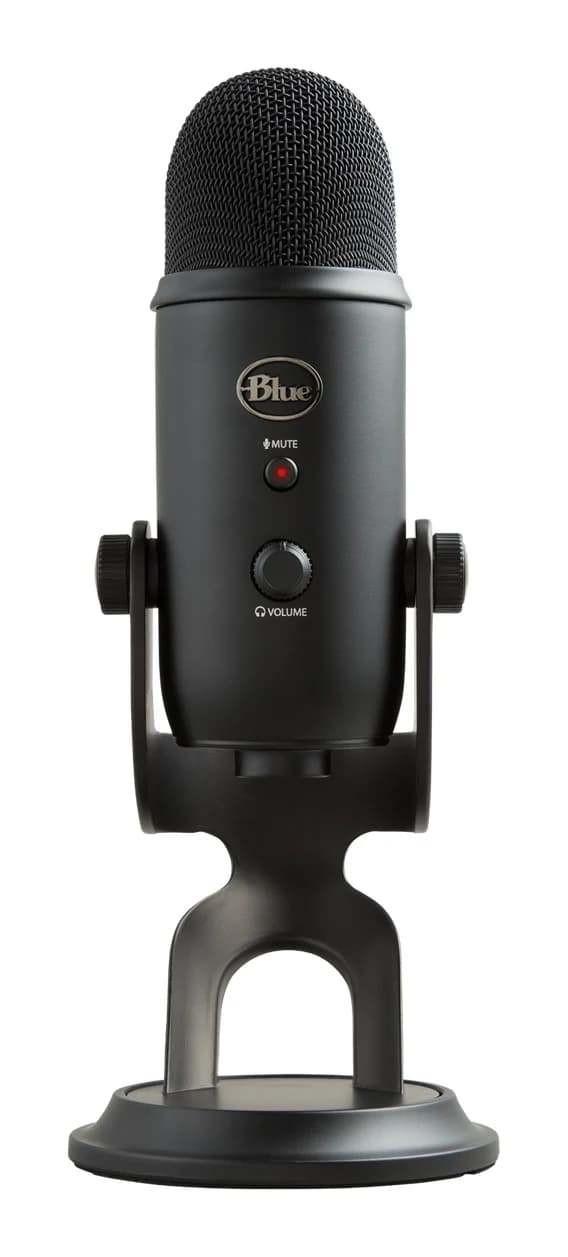
- Best OverallLogitech Blue YetiWhy we picked it →
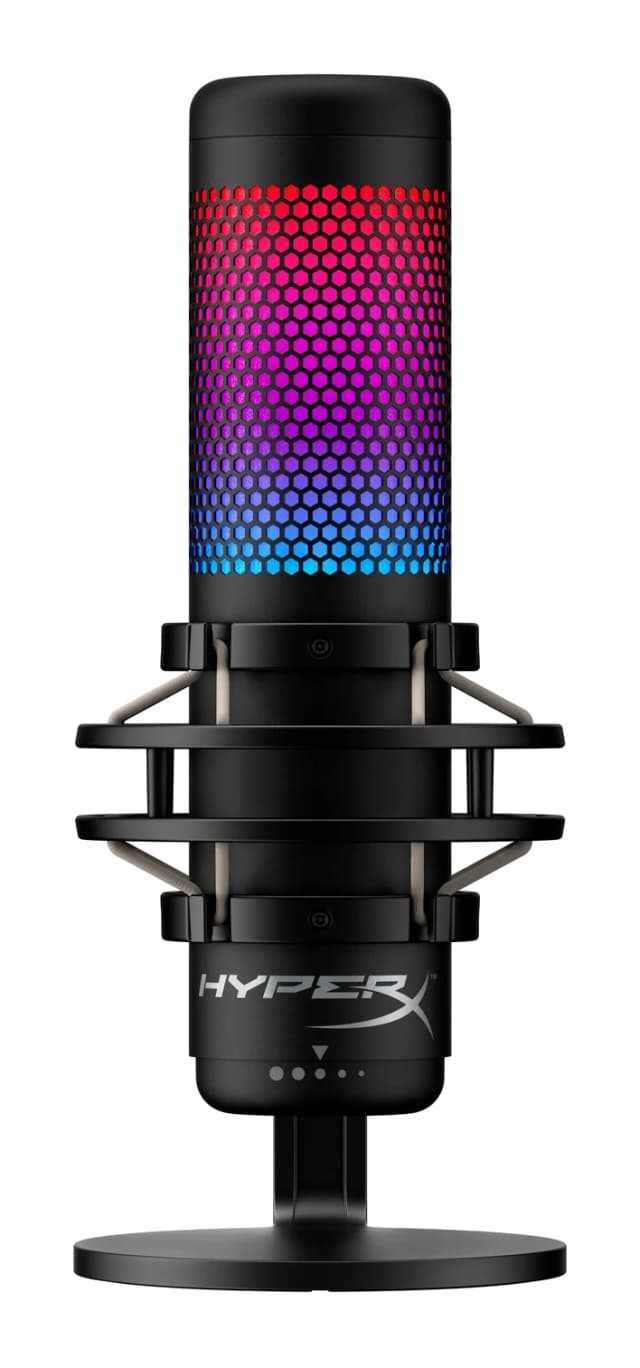
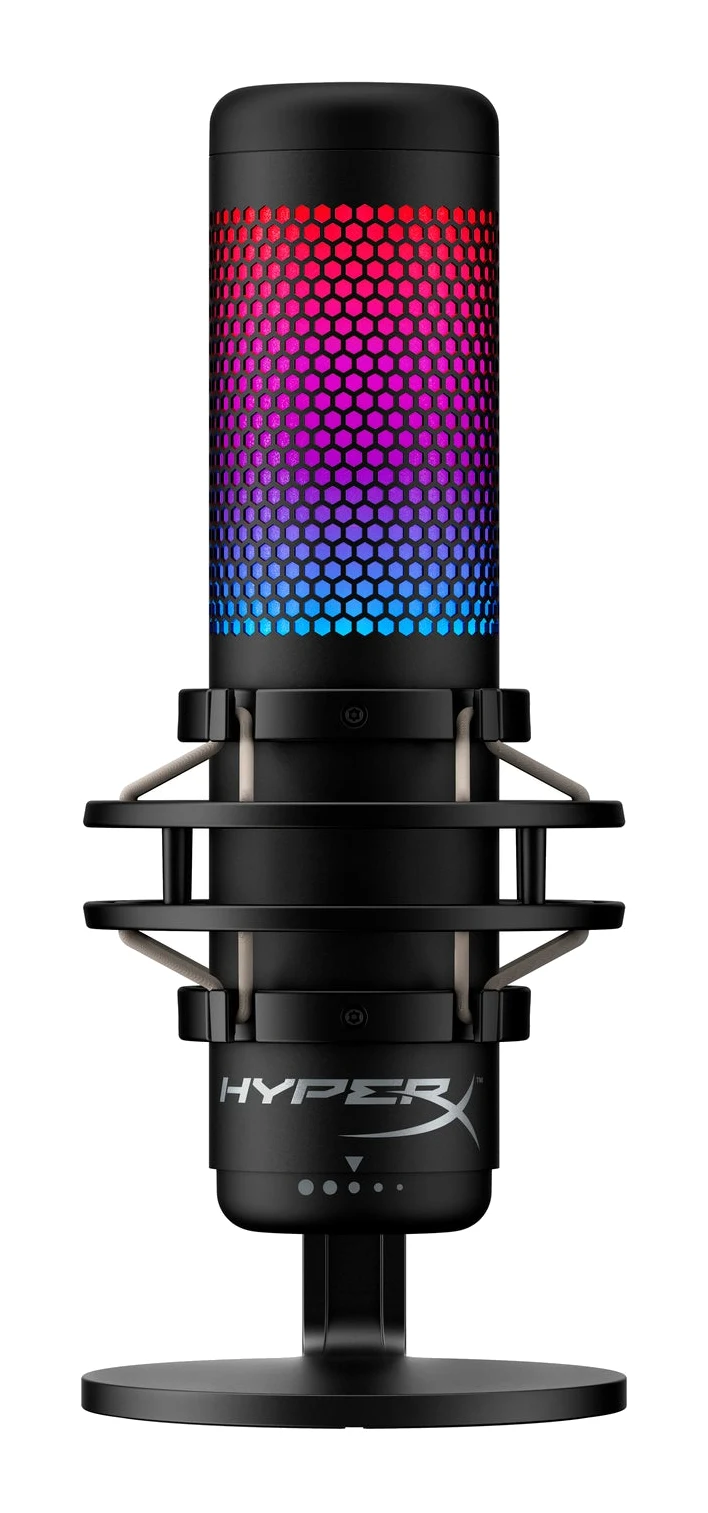
- Best ValueHyperX QuadCast SWhy we picked it →
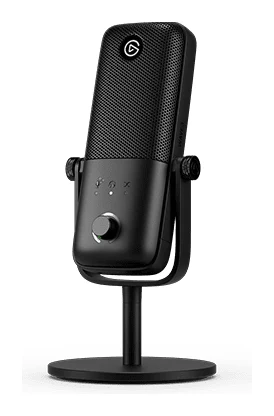
- Premium PickElgato Wave:3 MK.2Why we picked it →
Frequently asked questions
Is the Rode NT-USB+ worth it?
For podcasters, streamers and voiceover artists who want a clean, detailed USB vocal mic with built-in processing, reviewers say yes. MusicRadar scores it 4.5/5. It is less suited to anyone who needs on-mic gain or mute controls, multiple pickup patterns or loud-instrument recording.
Does the Rode NT-USB+ have a headphone output?
Yes. It has a 3.5mm headphone jack with a zero-latency output and separate volume and mix controls, so you can hear yourself without delay and balance your voice against computer audio.
Does the Rode NT-USB+ work with smartphones and tablets?
Rode lists it as USB-C and class-compliant plug-and-play for computers, smartphones and tablets. It uses a USB-C to USB-C cable, so check whether you need an adapter for older devices.
Does the NT-USB+ have a gain knob or mute button?
No. Reviewers note there is no on-mic gain control or mute button, so you can't adjust either on the mic body.
What is the Aphex DSP on the Rode NT-USB+?
It is onboard processing that includes a compressor, noise gate, high-pass filter and Aphex effects. You control it through Rode Connect, Rode Central and Rode Reporter.
Can I use more than one Rode NT-USB+ at the same time?
Yes. Rode says up to 4 NT-USB+ mics can be used together on a computer via Rode Connect.
Sources
Specs are taken from the manufacturers' official pages; expert recommendations from the publications below.
- Rode NT-USB+: rode.com, bhphotovideo.com, musicradar.com, radio.co
Related reviews & guides
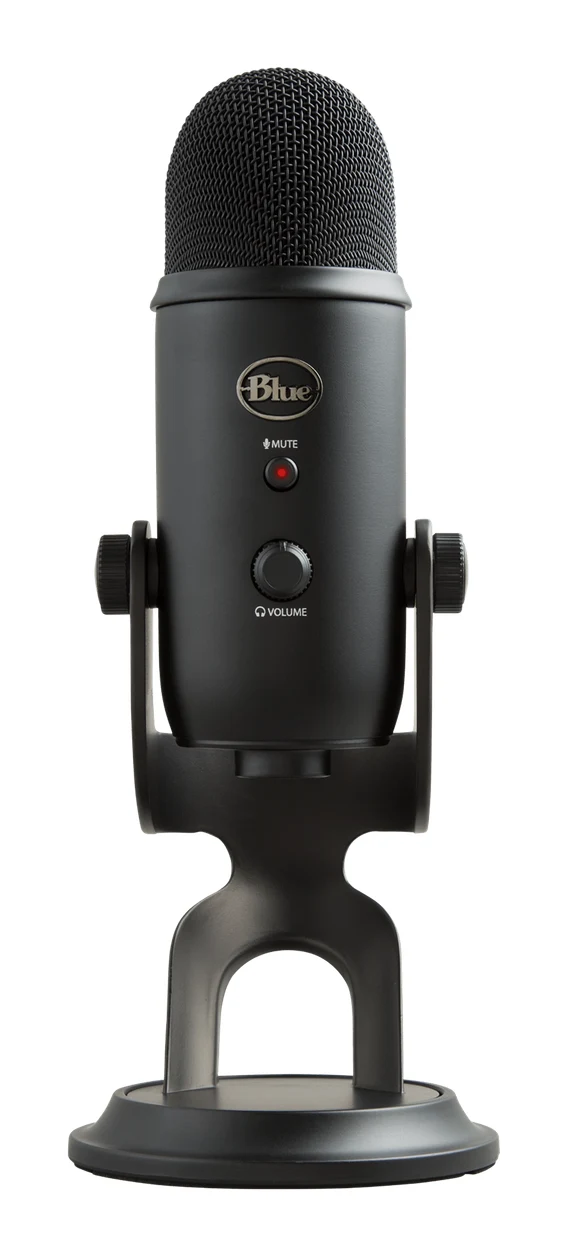
Best USB Microphones for Podcasting and Streaming 2026
Five USB microphones for podcasters and streamers, compared on polar patterns, bit depth, connectivity and expert recommendations, with a clear pick for each type of creator.
Published Oct 12, 2026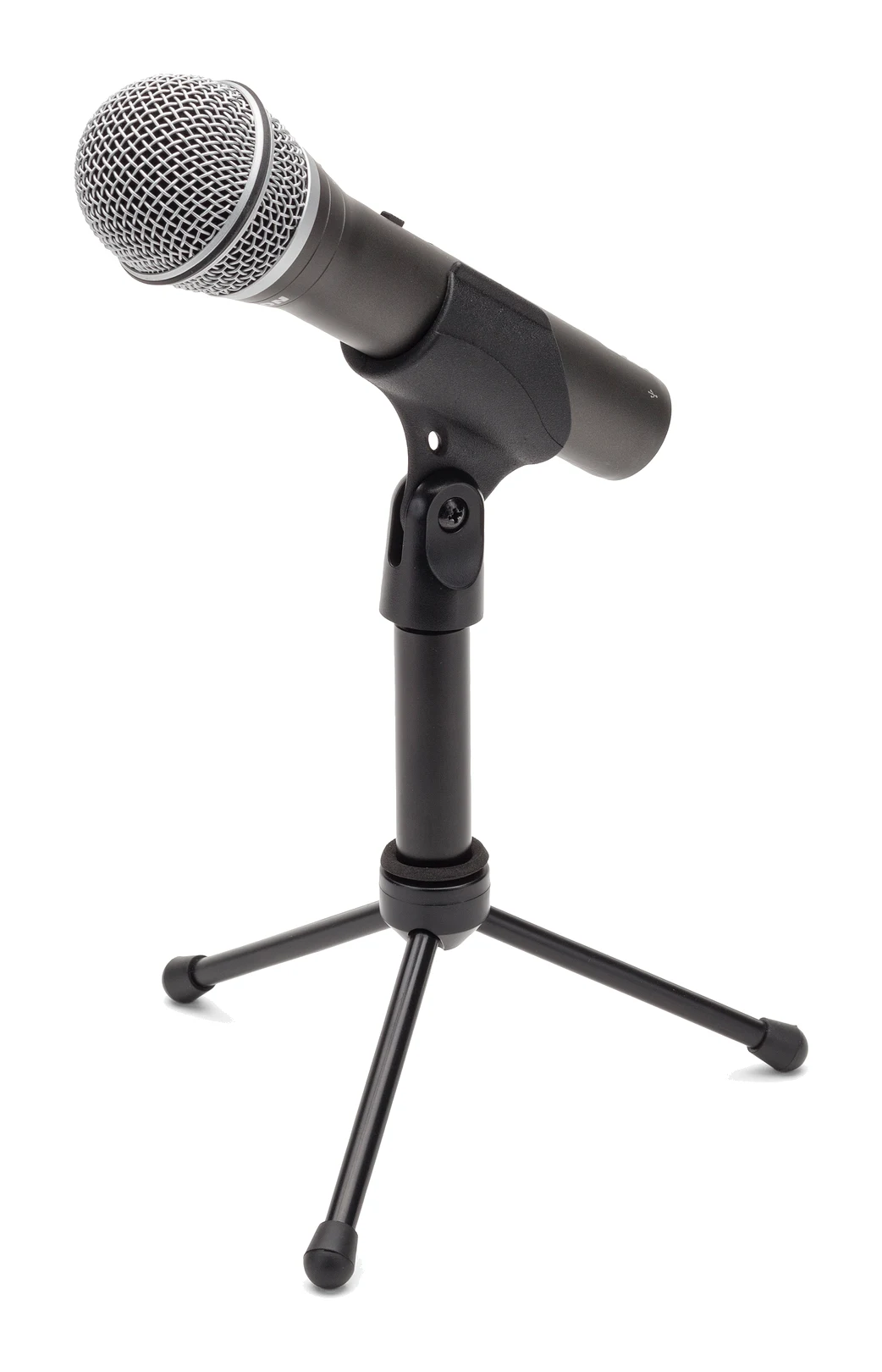
Samson Q2U Review (2026): Easy USB Now, XLR Later
The Samson Q2U is a dynamic microphone with both USB and XLR outputs, aimed at beginners who want to start recording today and upgrade their setup later.
Published Oct 28, 2026Logitech Blue Yeti Review (2026): Versatile, but Needs Quiet
The Logitech Blue Yeti is a versatile plug-and-play USB condenser mic with four pickup patterns. Here is what it does well, where experts find fault, and who should buy it.
Published Oct 19, 2026