DWARFLAB DWARF mini Review (2026): Pocket Smart Scope
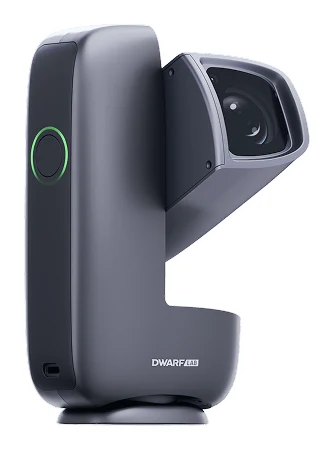
A pocket-sized smart telescope with phone-controlled GoTo, EQ mode, built-in filters and a solar filter. Here is what the DWARF mini does well, where it falls short, and who should buy it.
Research-based · We earn from qualifying purchases
Our verdict
The DWARF mini is a highly portable, beginner-friendly smart telescope that delivers good moon, sun and bright deep-sky results, with EQ mode and built-in filters adding versatility. Skip it if you want high-resolution prints, planetary detail or long unplugged sessions.
The good
- Pocket-sized 840 g body fits a jacket pocket or daypack
- Phone-controlled GoTo with auto-alignment, autofocus and live stacking suits beginners
- EQ mode allows up to 90-second exposures without an extra wedge
- Built-in dark-frame, astro and dual-band filters help in light-polluted skies
- Magnetic solar filter and wide-angle camera add real versatility
+2 more
- Built-in dark-frame, astro and dual-band filters help in light-polluted skies
- Magnetic solar filter and wide-angle camera add real versatility
The bad
- Only 2 MP resolution, better for phones and social media than large prints
- Battery lasts about 4 hours, short for long sessions
- No tripod or carry case included
- Some chromatic aberration on bright stars; planetary images disappoint
+1 more
- Some chromatic aberration on bright stars; planetary images disappoint
This DWARFLAB DWARF mini review looks at a smart telescope built around one idea: astrophotography gear you will actually carry. It weighs 840 g (1.85 lb) and is small enough for a jacket pocket or daypack. It handles pointing, focusing and image stacking from your phone, so you don't need to learn a traditional mount and camera setup first. It is aimed at travellers and beginners who want easy, portable astrophotography, and it sits in the mid-range part of the market.
This review is based on the manufacturer's specifications and on what independent expert reviewers report. It is not a hands-on test.
DWARFLAB DWARF mini: specs at a glance
From the manufacturer- Mount
- Alt-azimuth GoTo with EQ mode
- Weight
- 840 g (1.85 lb)
- Battery
- 7000 mAh, about 4 hours
- Storage
- 64 GB internal
- Aperture
- 30 mm (1.18 in) apochromatic refractor
- Dimensions
- 184 x 100 x 61 mm (7.24 x 3.94 x 2.4 in)
- Resolution
- 1920 x 1080 (2 MP)
- Connectivity
- Wi-Fi (2.4/5 GHz), Bluetooth 5.0, USB-C
- Focal length
- 150 mm, f/5
- Max exposure
- 90 seconds (EQ mode)
- Built-in filters
- Dark-frame, astro (430-690 nm), dual-band
- Telephoto sensor
- Sony IMX662, 1/2.8-inch, 2.9 µm pixels
- Wide-angle sensor
- OmniVision OS02K10, 1/2.8-inch
- Operating temperature
- −20°C to 45°C (−4°F to 113°F)
- Full-frame equivalent focal length
- 1016 mm (tele) / 45 mm (wide)
Key features
- Pocket-sized body weighing 840 g (1.85 lb), small enough for a jacket pocket or daypack
- Phone-controlled GoTo with auto-alignment, autofocus and live stacking
- Built-in dark-frame, astro and dual-band filters for nebulae and light-polluted skies
- EQ mode for up to 90-second exposures, with no extra wedge needed to enable it
- Magnetic solar filter included for sunspot imaging
- Second wide-angle camera for Milky Way, star trails and daytime scenes
- 360° rotating base and 225° lens arm for wide sky coverage
- 64 GB internal storage and USB-C file transfer
What the DWARF mini is
The DWARF mini is a compact, all-in-one smart telescope. The optics, camera, motorised mount and storage are in a single body measuring 184 x 100 x 61 mm (7.24 x 3.94 x 2.4 in). You set it up, connect from your phone and let the app do the work. That means automatic alignment, GoTo pointing at a chosen target, autofocus and live stacking. Live stacking combines many short exposures into one cleaner image as you watch.
The optics are a 30 mm (1.18 in) apochromatic refractor with a 150 mm focal length at f/5. The telephoto sensor is a Sony IMX662 (1/2.8-inch, 2.9 µm pixels). The full-frame equivalent focal length is 1016 mm for the telephoto camera and 45 mm for the wide-angle camera. In practice this is a small-aperture instrument. Reviewers report good results on the moon, the sun and bright deep-sky targets.
Design and build
Portability is the main design decision here. At 840 g (1.85 lb), the DWARF mini is something you can take on a trip without planning around it. Reviewers praise the pocket-sized body, which is one of the scope's main strengths.
The mount is alt-azimuth GoTo with an EQ mode. The base rotates 360° and the lens arm moves through 225°, which gives wide coverage of the sky without repositioning the unit. The stated operating temperature range is −20°C to 45°C (−4°F to 113°F), so it is specified for cold nights as well as warm ones.
Two things are not in the box. DWARFLAB doesn't include a tripod or a carry case. Reviewers flag this as a common criticism. You will need to budget for a support and some form of protection, which matters given that portability is the whole pitch.
Features and what they mean day to day
Phone-controlled GoTo and automation
The workflow is built around your phone. The DWARF mini connects over Wi-Fi (2.4/5 GHz) and Bluetooth 5.0, and it has USB-C for file transfer. Auto-alignment, autofocus and live stacking take over the fiddly steps that put many beginners off astronomy. Reviewers single out this automation as what makes the scope approachable.
EQ mode
One of the more interesting features is EQ mode, which allows exposures of up to 90 seconds. DWARFLAB says no extra wedge is needed to enable it. Longer exposures gather more light from each frame, which helps with faint targets. Not needing additional hardware keeps the setup as simple as the rest of the design.
Built-in filters
The DWARF mini has dark-frame, astro (430-690 nm) and dual-band filters built in. The dual-band filter is aimed at nebulae, and the set as a whole is meant to help in light-polluted skies. Reviewers praise this combination. It means you don't have to buy and fit separate filters to get started from a suburban garden.
Solar filter and wide-angle camera
A magnetic solar filter is included for sunspot imaging. That gives you a daytime use for the scope as well as a night-time one. The second wide-angle camera uses an OmniVision OS02K10 sensor (1/2.8-inch). It covers Milky Way shots, star trails and daytime scenes, so the DWARF mini is not limited to what the telephoto lens can frame.
Performance, battery and connectivity
Image quality and resolution
The spec sheet lists a resolution of 1920 x 1080 (2 MP). That is the single biggest limit to understand before buying. Reviewers describe the results as better suited to phones and social media than to large prints. If you want to produce high-resolution wall art, this is not the tool.
Experts report good results on the moon, the sun and bright deep-sky targets. Two weaknesses come up repeatedly. Some chromatic aberration shows on bright stars, and planetary images disappoint. Both fit a small-aperture scope built for convenience rather than fine detail.
Battery and storage
The 7000 mAh battery lasts about 4 hours. Reviewers call it short for long sessions. If you like to leave a target stacking for hours, plan around that limit. Internal storage is 64 GB, so you aren't tied to a memory card, and USB-C handles transferring files to a computer.
What experts like and what they criticise
The three published scores are strong. Space.com gives it 4/5, Telescopic Watch 4.7/5 and BBC Sky at Night Magazine 5/5. Together they put the DWARF mini at 9.1/10 across 3 expert reviews.
What reviewers praise most:
- the pocket-sized, 840 g (1.85 lb) body
- automation that suits beginners
- EQ mode without an extra wedge
- built-in filters that help under light-polluted skies
- the added versatility of the solar filter and wide-angle camera
What they criticise:
- the 2 MP resolution
- the roughly 4-hour battery
- the missing tripod and case
- chromatic aberration on bright stars
- disappointing planetary images
None of these are hidden flaws. They are the trade-offs that come with a very small, easy-to-use scope. How much they matter depends on what you want to photograph and how you plan to share the results.
Who should buy the DWARF mini
The DWARF mini suits you if:
- You travel and want astrophotography gear that adds almost no bulk to your luggage.
- You are new to astronomy and want your phone to handle alignment, focus and stacking.
- You live under light-polluted skies and want built-in filters aimed at nebulae.
- You want to image sunspots with the included magnetic solar filter.
- You mostly share pictures on a phone or on social media.
Who should skip it
Look elsewhere if:
- You want high-resolution prints. A 2 MP sensor is the wrong tool.
- Planetary detail is your main interest. Reviewers say planetary images disappoint.
- You want to run long unplugged sessions. About 4 hours of battery is the ceiling.
- You want a complete kit out of the box. You will need to source a tripod and a carry case yourself.
How it fits in its category
Smart telescopes are a broad category, from compact scopes like this one to larger instruments that gather more light and capture more detail. The DWARF mini sits firmly at the portable, easy end. It trades resolution and light-gathering for size, simplicity and versatility. That is a sensible trade if you value convenience above all, but not if you want the most detailed images possible.
Verdict
The DWARF mini makes a good case for itself as a first smart telescope and as a travel scope. It is light, it automates the hard parts, and EQ mode, the built-in filters, the solar filter and the second camera give it more range than its size suggests. The limits are real: 2 MP resolution, a roughly 4-hour battery, no tripod or case, and weak planetary results. If those fit your plans, the strong expert scores, averaging 9.1/10, make it an easy one to shortlist. If you need print-quality detail, look at a larger and more capable instrument.
Related buying guides
Not sure about the DWARFLAB DWARF mini? Consider these
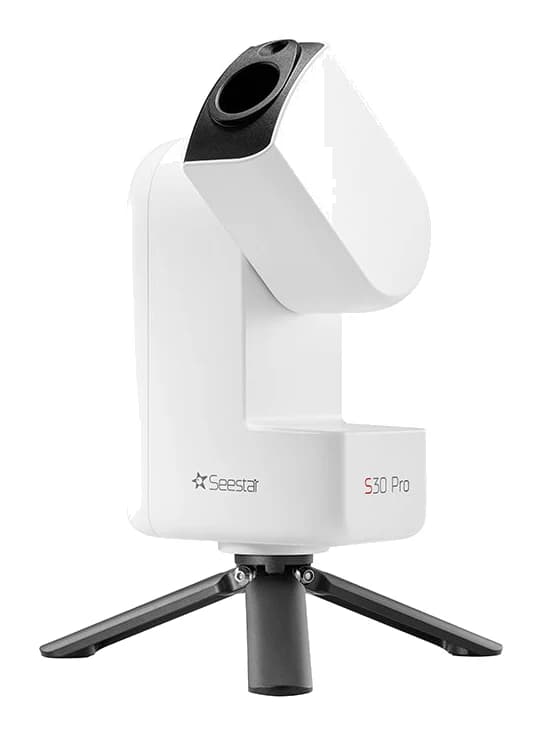
- Best OverallZWO Seestar S30 ProWhy we picked it →
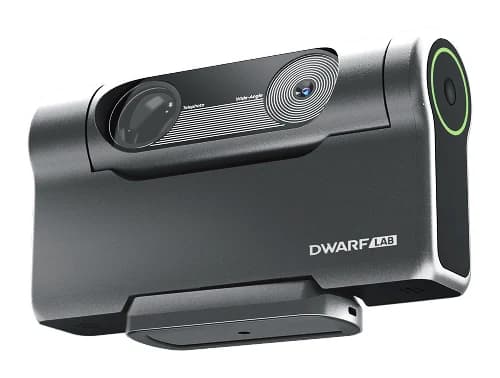
- Best BudgetDWARFLAB Dwarf 3Why we picked it →
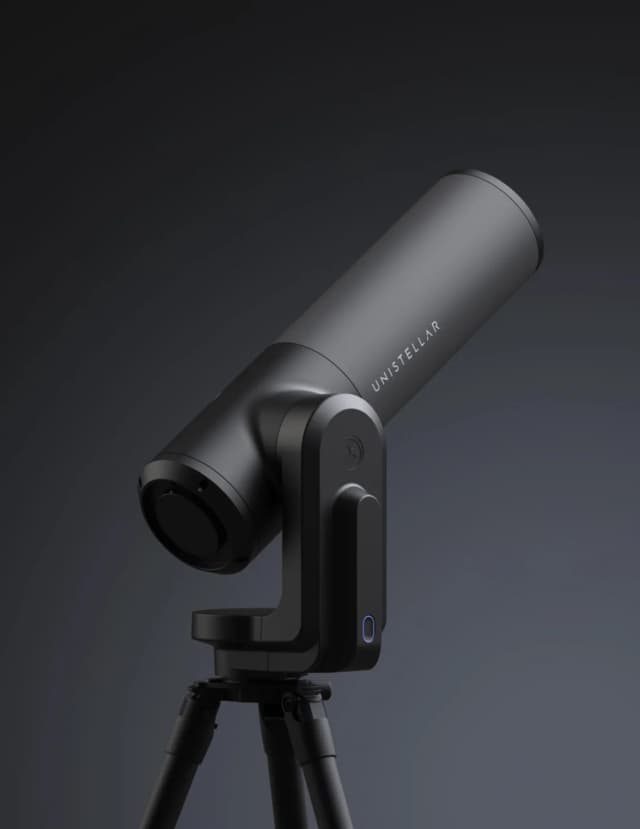
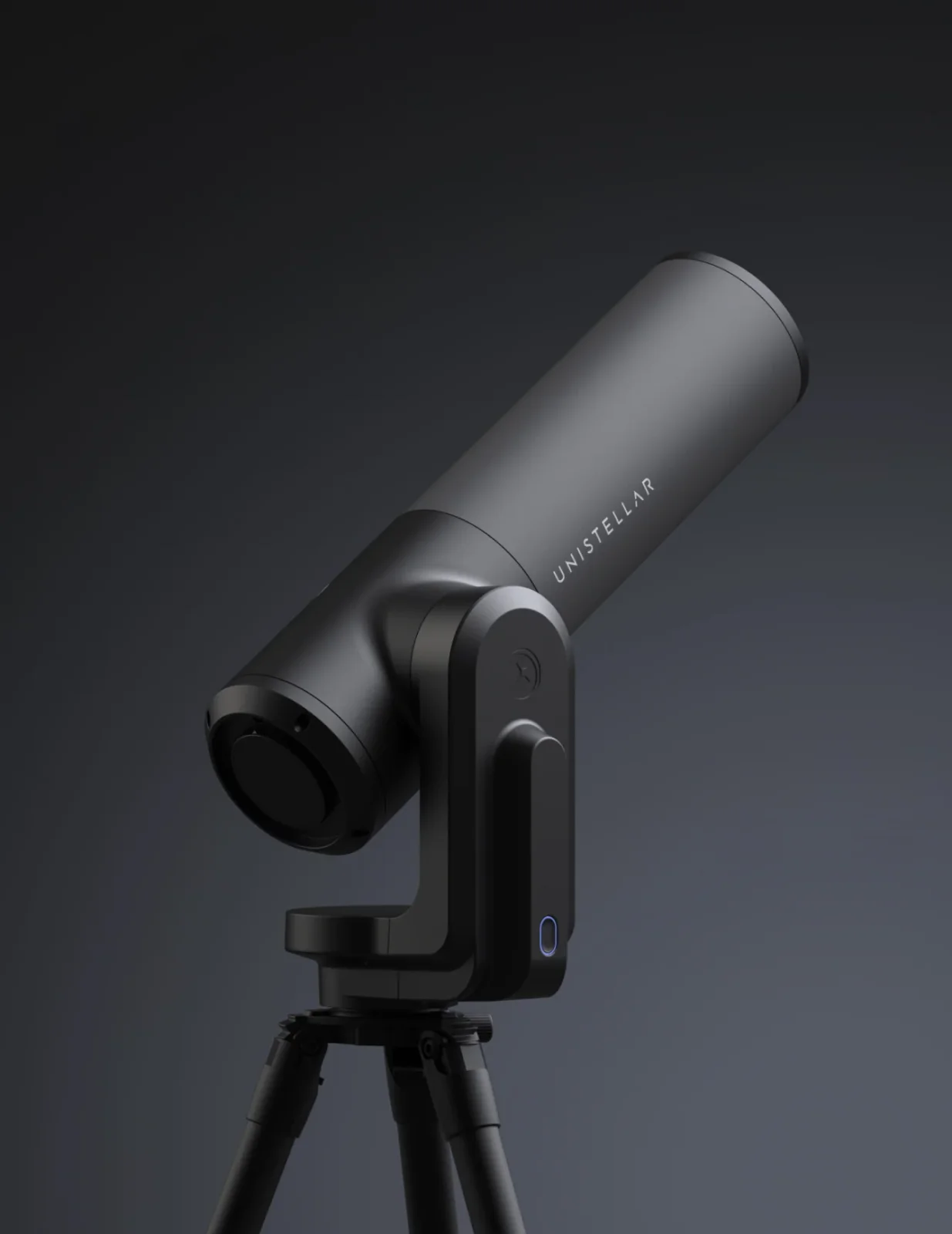
- Also GreatUnistellar eQuinox 2Why we picked it →
Frequently asked questions
Is the DWARFLAB DWARF mini worth it?
For travellers and beginners, reviewers think so. It averages 9.1/10 across 3 expert reviews, with praise for its pocket-sized body, phone-controlled automation and built-in filters. It is less suited to anyone who wants high-resolution prints or detailed planetary images.
How long does the DWARF mini battery last?
The 7000 mAh battery lasts about 4 hours. Reviewers consider that short for long imaging sessions.
Does the DWARF mini come with a tripod?
No. A tripod and a carry case are not included, and reviewers flag this as a common criticism. You will need to supply your own support.
Can the DWARF mini photograph the sun?
Yes. It includes a magnetic solar filter for sunspot imaging.
What is EQ mode on the DWARF mini?
EQ mode allows exposures of up to 90 seconds, which helps gather more light from faint targets. DWARFLAB says no extra wedge is needed to enable it.
Is the DWARF mini good for planets?
Not really. A common criticism from reviewers is that planetary images disappoint. The scope has a 30 mm (1.18 in) aperture and 2 MP resolution, and it performs better on the moon, the sun and bright deep-sky targets.
Sources
Specs are taken from the manufacturers' official pages; expert recommendations from the publications below.
- DWARFLAB DWARF mini: dwarflab.com, highpointscientific.com, space.com, telescopicwatch.com
Related reviews & guides
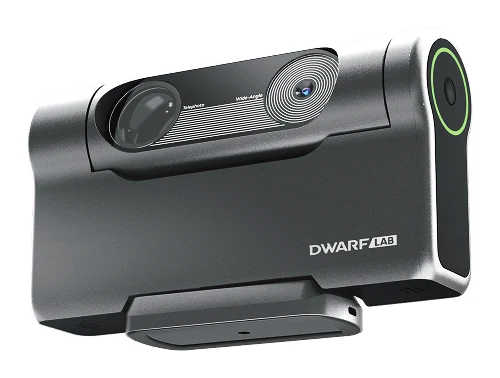
DWARFLAB Dwarf 3 Review (2026): Portable Smart Telescope
The DWARFLAB Dwarf 3 packs two lenses, three built-in filters and app-driven GoTo into a 1.3 kg body. Here is who it suits and where experts say it falls short.
Published Nov 6, 2026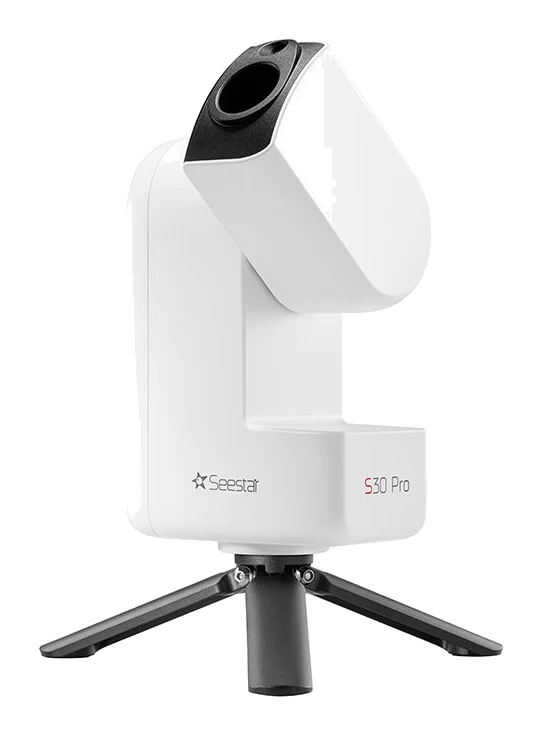
Best Smart Telescopes 2026: Ultra-Portable to Observatory
Five smart telescopes compared, from the 840g Dwarf Mini to the 18.87 kg Celestron Origin Mark II. We cover aperture, sensors, battery, portability and who each one suits.
Published Oct 25, 2026ZWO Seestar S30 Pro Review (2026): Wide-Field Smart Scope
A compact smart telescope with two 4K cameras, built-in filters and app-driven GOTO. We look at what it does well for wide-field deep-sky and Milky Way imaging, and where a 30mm aperture runs out.
Published Oct 28, 2026