DWARFLAB Dwarf 3 Review (2026): Portable Smart Telescope
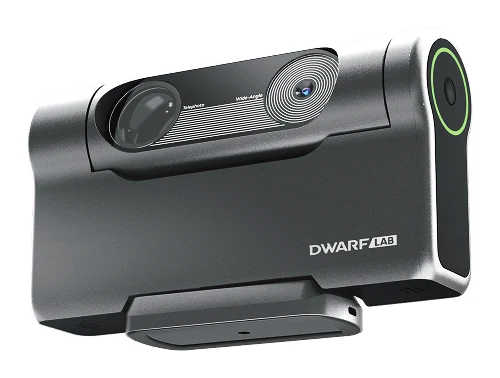
The DWARFLAB Dwarf 3 packs two lenses, three built-in filters and app-driven GoTo into a 1.3 kg body. Here is who it suits and where experts say it falls short.
Research-based · We earn from qualifying purchases
Our verdict
The Dwarf 3 suits beginners and travelers who want an easy, portable smart telescope for deep-sky objects, the Moon and the Sun, with daytime use as a bonus. Skip it if planetary or small-target imaging is your priority, or if you don't want to buy a tripod separately.
The good
- Compact 1.3 kg body fits easily in a backpack for travel
- Dual lenses: telephoto for deep-sky, Moon and Sun, wide for finding targets
- Built-in VIS, Astro and Dual-band filters switch in the app, no screw-ons
- Automatic GoTo, tracking and live stacking from an intuitive star-chart app
- Also works by day for wildlife, panoramas, timelapse and 4K video
+2 more
- Automatic GoTo, tracking and live stacking from an intuitive star-chart app
- Also works by day for wildlife, panoramas, timelapse and 4K video
The bad
- No tripod included, so the real cost rises
- Short focal length and small aperture make planets and small objects weak
- Occasional phone connection drops and limited Wi-Fi range reported
- Reviewers recommend a power bank despite the 10000 mAh built-in battery
+1 more
- Reviewers recommend a power bank despite the 10000 mAh built-in battery
This DWARFLAB Dwarf 3 review looks at a smart telescope built for people who want to photograph the night sky without lugging a conventional rig around. It is a small, self-contained unit with two lenses, a Sony sensor and a phone app that finds, tracks and stacks targets for you. It also works in daylight, for wildlife and bird tracking, panoramas, timelapse and 4K video. It sits in the mid-range part of the market, and it is aimed at beginners and travelers who want deep-sky, Moon and Sun imaging that fits in a backpack.
This review is based on DWARFLAB's published specs and on what independent expert reviews report, not on hands-on testing.
DWARFLAB Dwarf 3: specs at a glance
From the manufacturer- Video
- Tele 4K at 30fps; wide 1080p at 30fps
- Sensor
- Sony IMX678 Starvis 2
- Weight
- 1.3 kg (2.9 lbs)
- Battery
- Built-in 10000 mAh, USB-C charging
- Storage
- 128GB
- Dimensions
- 222 x 142 x 65 mm
- Connectivity
- Wi-Fi, Bluetooth, NFC
- Max exposure
- 60s (EQ mode)
- Aperture (tele)
- 35 mm
- Tripod included
- No (1/4-inch thread)
- Wide-angle lens
- 3.4 mm aperture, 6.7 mm focal length (45 mm equivalent)
- Built-in filters
- VIS, Astro, Dual-band (OIII + Ha)
- Focal length (tele)
- 150 mm (737 mm equivalent), f/4.3
- Telephoto resolution
- 3840 x 2160 (8.3 MP)
Key features
- Dual lenses: 35mm telephoto for deep-sky, Moon and Sun, plus a wide-angle lens for finding targets and nightscapes
- Three built-in filters (VIS, Astro, Dual-band) selected in the app, with no screw-on filters
- EQ mode allows longer exposures and cuts field rotation
- Automatic GoTo, tracking and live stacking from a star-chart app, with NFC one-touch pairing
- Works by day too: wildlife and bird tracking, panoramas, timelapse and 4K video
- Magnetic solar filter, carry bag and USB-C cable included
- 128GB internal storage; saves JPG, PNG, FITS and TIFF
- Light and compact at about 1.3 kg, so it fits in a backpack
DWARFLAB Dwarf 3 review: what you get
The Dwarf 3 is an all-in-one imaging device rather than a telescope you look through. You control it from a phone, point it at a target from a star-chart app, and it handles the rest: GoTo, tracking and live stacking. NFC one-touch pairing is there to make the first connection quick.
In the box you get a magnetic solar filter, a carry bag and a USB-C cable. The one notable omission is a tripod. The unit has a 1/4-inch thread, so standard tripods should fit, but you will need to supply one.
Expert reviews have been positive. It averages 8.5/10 across 2 expert reviews: TechRadar gives it 4.5 out of 5 and AppleInsider gives it 4 out of 5. It is also recommended in 1 independent expert guide.
Design and build
The headline design point is size. The body measures 222 x 142 x 65 mm and weighs 1.3 kg (2.9 lbs), so it slips into a backpack without much planning. Reviewers consistently single out that portability as a reason to buy, especially for travel, where a conventional telescope and mount would be impractical.
The battery is built in (10000 mAh, charged over USB-C), and 128GB of internal storage means you are not juggling memory cards. Connectivity is Wi-Fi, Bluetooth and NFC. The compact, self-contained approach keeps setup simple, but it also means the telescope depends on your phone connection, which comes up again in the criticisms below.
Dual lenses and what they are for
The Dwarf 3 uses two lenses, each with a job.
Telephoto lens
The telephoto has a 35 mm aperture and a 150 mm focal length (737 mm equivalent) at f/4.3. It records at 3840 x 2160 (8.3 MP) and is the lens you use for deep-sky objects, the Moon and the Sun. Video from the tele lens is 4K at 30fps. The sensor is a Sony IMX678 Starvis 2.
That modest aperture and focal length are worth understanding before you buy. They suit large, faint deep-sky targets and broad subjects like the Moon far better than small, distant ones. Reviewers say the same thing: planets and other small objects are a weak point.
Wide-angle lens
The wide-angle lens has a 3.4 mm aperture and a 6.7 mm focal length (45 mm equivalent). Its role is to help you find targets and to shoot nightscapes. Video from the wide lens is 1080p at 30fps. In practice it works as the finder for the telephoto, which helps newcomers who struggle to locate things in the sky.
Filters and exposure modes
Instead of screw-on filters, the Dwarf 3 has three built in: VIS, Astro and Dual-band (OIII + Ha). You switch between them in the app. That removes a fiddly step in the dark and one more small part to lose when traveling. The Dual-band option is the one aimed at emission-type deep-sky targets, while VIS and Astro cover more general use.
EQ mode is the other feature worth knowing about. It allows longer exposures, up to 60s, and cuts field rotation, which is the gradual twisting of the frame that affects long sessions on a simple alt-az mount. If you plan to go beyond quick snapshots, this is the mode to learn.
Files can be saved as JPG, PNG, FITS and TIFF. The FITS and TIFF options matter if you want to process images further on a computer instead of relying only on the app's results.
Day-to-day use and the app
The app is built around a star chart. You choose a target, the Dwarf 3 slews to it with automatic GoTo, tracks it, and stacks frames live so the image improves as the session goes on. Reviewers praise this workflow as intuitive, and it is a big part of the appeal for people new to astrophotography.
Daytime use broadens its value. The Dwarf 3 can track wildlife and birds, shoot panoramas and timelapse, and record 4K video. That makes it more useful between clear nights.
The magnetic solar filter supports Sun imaging. As with any solar observing, use the supplied filter as intended and follow DWARFLAB's instructions.
Battery and connectivity
The built-in battery is 10000 mAh with USB-C charging. Even so, reviewers recommend carrying a power bank, so plan for longer sessions rather than assuming one charge will cover a whole trip. Because charging is over USB-C, adding a power bank is straightforward.
Connectivity is where reviewers report occasional friction. Some mention phone connection drops and limited Wi-Fi range. Since everything is controlled from your phone, staying reasonably close to the unit is sensible, and it is worth knowing the limitation before relying on it for remote operation.
What experts like and what they criticise
The praise is consistent. Reviewers like the compact 1.3 kg body, the pairing of a telephoto lens with a wide lens for finding targets, the built-in filters that switch in the app, and the automatic GoTo, tracking and live stacking from an intuitive star-chart app. They also like that it works by day for wildlife, panoramas, timelapse and 4K video.
The criticisms are just as clear:
- No tripod included. You need to buy one, so the real cost rises beyond the unit itself.
- Short focal length and small aperture. Planets and small objects are weak subjects for this telescope.
- Connection issues. Occasional phone connection drops and limited Wi-Fi range have been reported.
- Power. Reviewers recommend a power bank despite the 10000 mAh built-in battery.
The small-target limitation is the most important one for buyers to weigh.
Who should buy it, and who should skip it
Buy it if you want an easy, portable way into deep-sky imaging and your interests include the Moon and the Sun. It is particularly well suited to travelers, since it is light and self-contained, and to anyone who likes the idea of a device that also records daytime wildlife footage, panoramas and timelapse.
Skip it if planetary or small-target imaging is your priority, because the optics are not suited to it. Also think twice if you do not want to buy a tripod separately, or if you need a rock-solid remote connection from a distance.
How it fits in the smart telescope category
Smart telescopes trade the flexibility of a traditional optical setup for automation: the device aligns, tracks and stacks for you, and the app does the heavy lifting. The Dwarf 3 leans into that trade, with a small aperture and short focal length in exchange for portability and ease of use. Its built-in filters, dual lenses and daytime modes are part of what it offers in a small body. The right way to judge it is against your own targets: wide, faint deep-sky objects and the Moon suit it, while fine planetary detail does not.
Verdict
The DWARFLAB Dwarf 3 is a convincing travel-friendly smart telescope for beginners and casual astrophotographers. It combines a compact body, two lenses, in-app filters and automated GoTo, tracking and live stacking, and it earns solid scores from the experts who have reviewed it. Its limits are well documented: no tripod in the box, weak performance on planets and small objects, and occasional connection and battery caveats. If your goals match its strengths, it is an easy recommendation. If you want to image planets in detail, look elsewhere.
Related buying guides
Not sure about the DWARFLAB Dwarf 3? Consider these
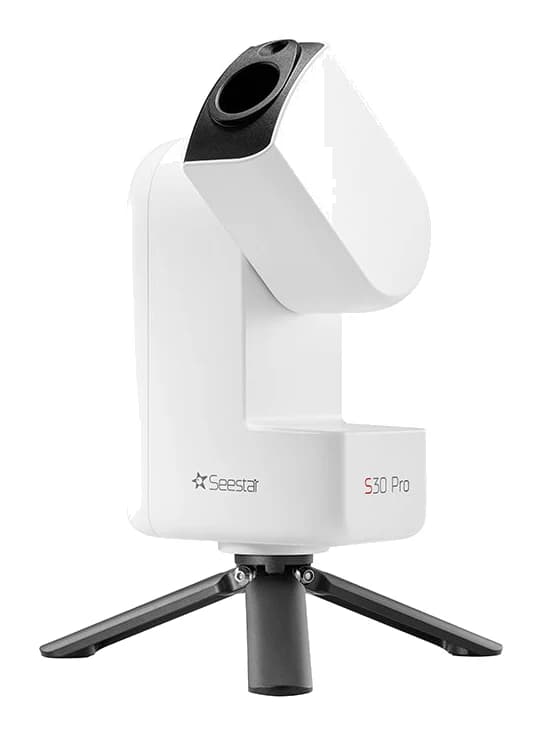
- Best OverallZWO Seestar S30 ProWhy we picked it →
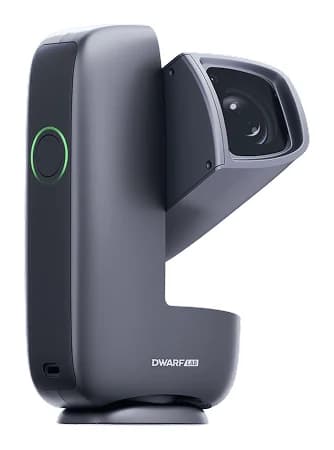
- Best ValueDWARFLAB Dwarf MiniWhy we picked it →
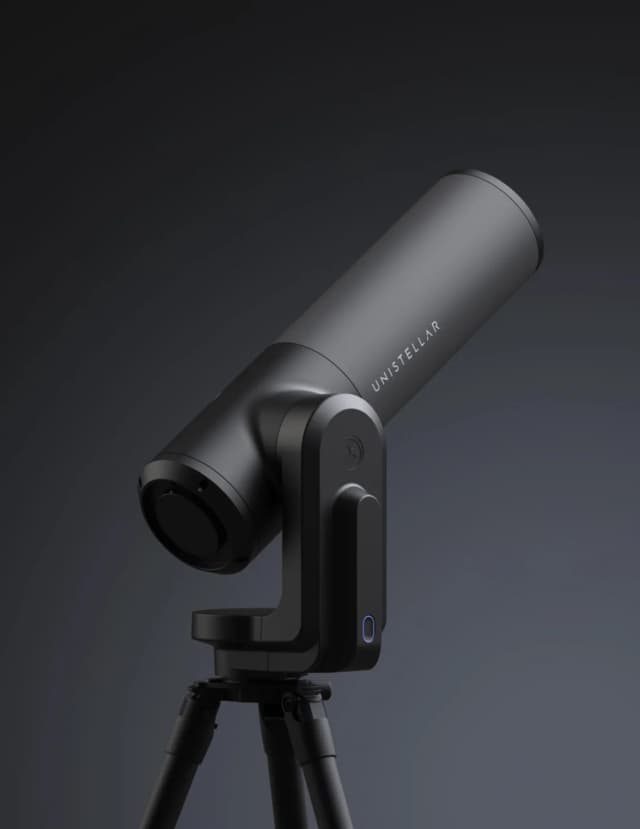
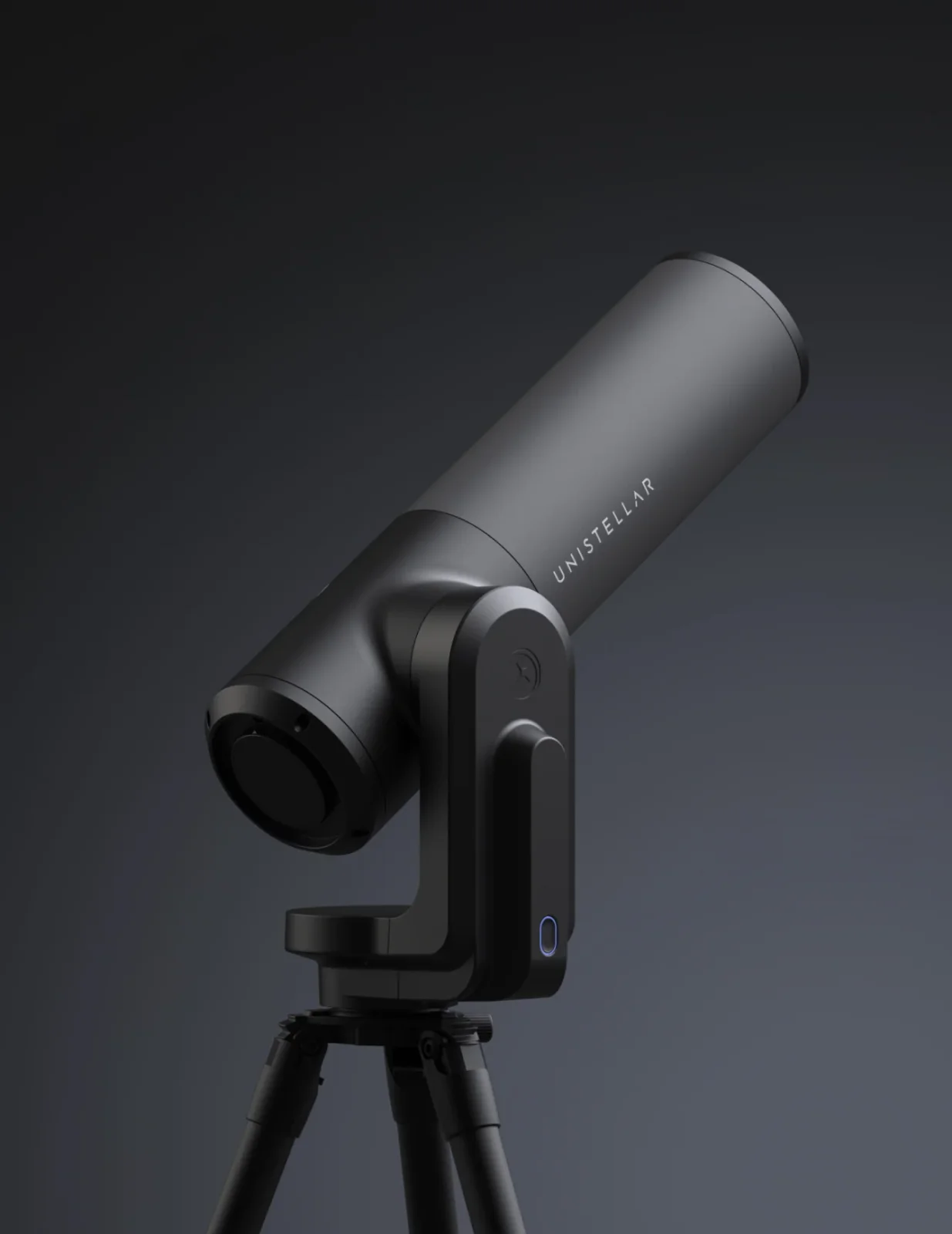
- Also GreatUnistellar eQuinox 2Why we picked it →
Frequently asked questions
Is the DWARFLAB Dwarf 3 worth it?
For beginners and travelers who want portable, easy deep-sky, Moon and Sun imaging, reviewers think so. It averages 8.5/10 across 2 expert reviews. It is a weaker choice if planetary imaging matters most to you, or if you object to buying a tripod separately.
Does the DWARFLAB Dwarf 3 come with a tripod?
No. The box includes a magnetic solar filter, a carry bag and a USB-C cable, but no tripod. The unit has a 1/4-inch thread for mounting on one.
Can the Dwarf 3 be used during the day?
Yes. It supports wildlife and bird tracking, panoramas, timelapse and 4K video, so it is not limited to night-sky use.
Is the Dwarf 3 good for photographing planets?
Reviewers say it is weak for planets and other small objects because of its short focal length and small aperture. It is better suited to deep-sky objects, the Moon and the Sun.
How does the Dwarf 3 connect and store images?
It connects through Wi-Fi, Bluetooth and NFC, with NFC allowing one-touch pairing. It has 128GB of internal storage and saves JPG, PNG, FITS and TIFF files.
Does the Dwarf 3 need a power bank?
It has a built-in 10000 mAh battery charged over USB-C, but reviewers still recommend using a power bank, so it is a sensible addition for longer sessions.
Sources
Specs are taken from the manufacturers' official pages; expert recommendations from the publications below.
- DWARFLAB Dwarf 3: dwarflab.com, skyatnightmagazine.com, astronomy.com, astrobackyard.com
Related reviews & guides
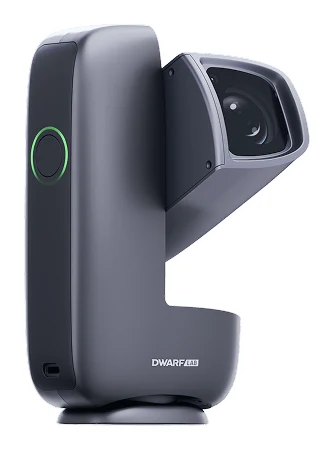
DWARFLAB DWARF mini Review (2026): Pocket Smart Scope
A pocket-sized smart telescope with phone-controlled GoTo, EQ mode, built-in filters and a solar filter. Here is what the DWARF mini does well, where it falls short, and who should buy it.
Published Nov 7, 2026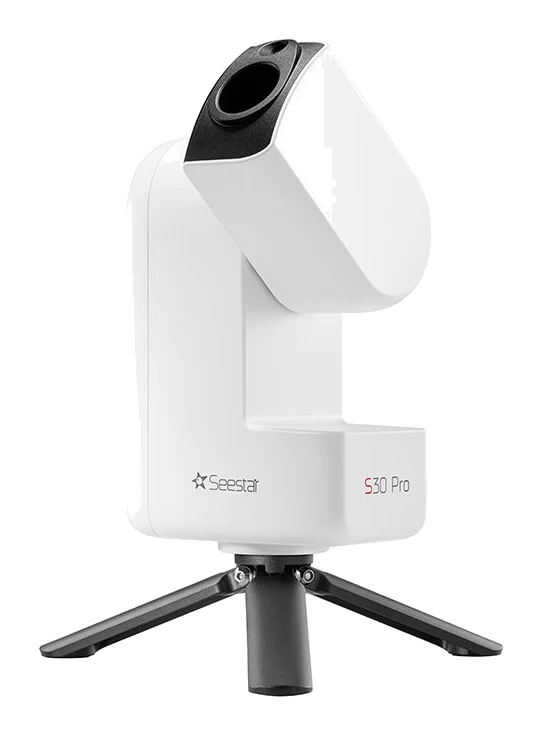
Best Smart Telescopes 2026: Ultra-Portable to Observatory
Five smart telescopes compared, from the 840g Dwarf Mini to the 18.87 kg Celestron Origin Mark II. We cover aperture, sensors, battery, portability and who each one suits.
Published Oct 25, 2026ZWO Seestar S30 Pro Review (2026): Wide-Field Smart Scope
A compact smart telescope with two 4K cameras, built-in filters and app-driven GOTO. We look at what it does well for wide-field deep-sky and Milky Way imaging, and where a 30mm aperture runs out.
Published Oct 28, 2026