Garmin eTrex 22x Review (2026): Simple, Rugged, Dated?
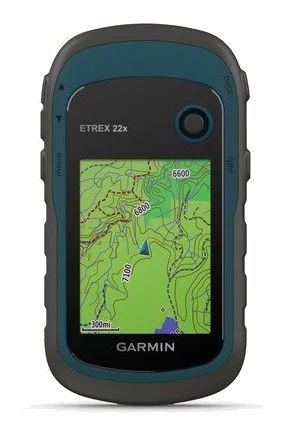
The Garmin eTrex 22x is a rugged, no-frills handheld GPS with preloaded routable maps and swappable AA batteries. Here is who it suits and where it shows its age.
Research-based · We earn from qualifying purchases
Our verdict
The eTrex 22x is a affordable, rugged and simple mapping GPS with long swappable-battery life, suited to hikers and cyclists who want dependable navigation without extras. Skip it if you need a barometric altimeter, compass, or a modern, responsive interface, as the pricier eTrex 32x adds the sensors.
The good
- Sunlight-readable 2.2" color display stays legible outdoors
- Preloaded routable TopoActive maps for hiking and cycling
- Swappable AA batteries give up to 25 hours of runtime
- Rugged IPX7 build at just 5 oz with batteries
- GPS plus GLONASS helps with reliable lock, even under tree cover
+2 more
- Rugged IPX7 build at just 5 oz with batteries
- GPS plus GLONASS helps with reliable lock, even under tree cover
The bad
- No barometric altimeter or electronic compass
- Small screen with a dated, sometimes laggy interface
- Only GPS and GLONASS, so no Galileo or multi-band support
- Mini-USB connection instead of USB-C; AA batteries not included
+1 more
- Mini-USB connection instead of USB-C; AA batteries not included
If you want a garmin etrex 22x review that sticks to what the spec sheet and independent experts actually say, this is it. The eTrex 22x is a compact handheld GPS with a 2.2" color display, preloaded TopoActive maps and power from 2 AA batteries. It is priced in the mid-range tier among the products compared. It is aimed at hikers, cyclists and other outdoor users who want a dedicated navigation tool that doesn't depend on a phone battery.
This review is based on Garmin's manufacturer specifications and on what independent expert reviews report. It is not based on hands-on testing by us.
Garmin eTrex 22x: specs at a glance
From the manufacturer- Routes
- 200 routes, 250 points per route; 50 points auto routing
- Weight
- 5 oz (141.7 g) with batteries
- Battery
- 2 AA batteries (not included); NiMH or Lithium recommended
- Display
- 2.2" diag transflective, 65K color TFT
- Interface
- mini USB
- Track log
- 10000 points, 200 saved tracks
- Battery life
- 25 hours
- Water rating
- IPX7
- Preloaded maps
- TopoActive; routable
- External memory
- microSD card, 32 GB max
- Internal memory
- 8 GB
- Satellite systems
- GPS and GLONASS
- Display resolution
- 240 x 320 pixels
- Physical dimensions
- 2.1" x 4.0" x 1.3" (5.4 x 10.3 x 3.3 cm)
- Waypoints/favorites/locations
- 2000
- Barometric altimeter / compass
- No / No
Key features
- Sunlight-readable 2.2" color display stays legible outdoors
- Preloaded routable TopoActive maps for hiking and cycling
- GPS and GLONASS tracking for better reception in tougher environments than GPS alone
- 8 GB internal memory plus a microSD slot for extra maps
- Runs up to 25 hours on 2 AA batteries, which you can swap anywhere
- IPX7 water rating and a rugged build for rain, snow and splashes
- Paperless geocaching, plus a hunt/fish calendar and sun and moon information
- Light and pocketable at 5 oz (141.7 g) with batteries
What the Garmin eTrex 22x is (and isn't)
The eTrex 22x is a straightforward mapping GPS. It gives you a color screen, routable topographic maps, a decent amount of storage and long runtime from user-replaceable batteries. It is a simple mapping GPS focused on navigation rather than extras. It is also missing two sensors some outdoor users expect: it has no barometric altimeter and no electronic compass.
That trade-off defines the product. You get a simple, rugged tool that does the core job of showing where you are, where you've been and where the route goes next. You don't get extras. The verdict of the analyst behind this page points the same way: this is for people who want dependable navigation without extras. Buyers who want sensors are pointed toward the pricier eTrex 32x.
Design and build
The eTrex 22x weighs 5 oz (141.7 g) with batteries. Its dimensions are 2.1" x 4.0" x 1.3" (5.4 x 10.3 x 3.3 cm), so it is light and pocketable. Reviewers praise the rugged construction, and the IPX7 water rating means it is built for rain, snow and splashes.
The display is a 2.2" diag transflective, 65K color TFT with a resolution of 240 x 320 pixels. Transflective screens are designed to stay readable in bright light, and the spec sheet describes this one as sunlight-readable. That matters on an exposed ridge or a bike ride in full sun.
The flip side is size. A common criticism is that the screen is small and the interface feels dated and sometimes laggy. If you're used to a modern phone interface, expect a more dated and sometimes laggy experience here.
Features and what they mean day to day
Preloaded, routable maps
The eTrex 22x comes with TopoActive maps preloaded, and they are routable. For hiking and cycling this is one of its main selling points: you can load a destination and have the unit work out a route, rather than only following a drawn line. The unit supports 50 points of auto routing. It also stores 200 routes with 250 points per route.
Reviewers praise these preloaded routable maps as a strength.
Storage and data capacity
There is 8 GB of internal memory and a microSD slot that takes cards up to 32 GB max, so you can add more maps. For logging, the spec sheet lists:
- 2000 waypoints, favorites and locations
- A track log of 10000 points
- 200 saved tracks
Geocaching and outdoor extras
The unit supports paperless geocaching, so you can carry cache details on the device rather than on printouts. It also includes a hunt/fish calendar and sun and moon information. These are small touches, but they suit the outdoors-hobbyist audience the product targets.
Performance, satellites and battery life
Satellite reception
The eTrex 22x tracks both GPS and GLONASS. Garmin positions this as better reception in tougher environments than GPS alone, and reviewers say the combination helps with a reliable lock, even under tree cover. The limitation is that it stops there. It has no Galileo or multi-band support, which some experts mention as a drawback for anyone who wants the most advanced positioning.
Battery life
Power comes from 2 AA batteries, and Garmin quotes up to 25 hours of runtime. The practical advantage is that you can swap batteries anywhere. On a long trip or in remote areas you can carry spares instead of looking for a charger or power bank. Garmin recommends NiMH or Lithium cells. The batteries are not included, so budget for them separately.
Connectivity
The interface is mini USB, not USB-C. That is a common criticism, because it means a different cable from most modern devices.
What experts like and what they criticise
Reviewers praise several things:
- The sunlight-readable color display
- The preloaded routable TopoActive maps
- The swappable AA batteries and long runtime
- The rugged IPX7 build at a light weight
- GPS plus GLONASS for reliable lock
A common criticism is that the eTrex 22x leaves out a barometric altimeter and electronic compass. Others are the small screen, the dated and sometimes laggy interface, the limited satellite support, and the mini-USB port with no batteries in the box.
On scores, GearJunkie rates it 6.8/10. It has also been recommended in one independent expert buying guide.
Who should buy it
The eTrex 22x suits budget-minded hikers who want a simple, rugged handheld GPS. It is a good match if you:
- Want preloaded routable maps for hiking or cycling out of the box
- Prefer swappable AA batteries to a built-in rechargeable one
- Need something light and weather-resistant that you can keep in a pack
- Like paperless geocaching or want hunt/fish and sun/moon information
- Care more about reliability than about a slick interface
Who should skip it
Look elsewhere if any of these apply:
- You need a barometric altimeter or an electronic compass
- You expect a fast, modern, responsive interface
- You want Galileo or multi-band satellite support
- You want a USB-C connection instead of mini-USB
- You don't want to buy AA batteries separately
The analyst verdict notes that the pricier eTrex 32x adds the sensors the 22x lacks. If altitude and compass data matter to your type of trip, that is the direction to look.
How it fits in the handheld GPS category
In general terms, handheld GPS units trade off simplicity, screen quality, sensors and battery approach. The eTrex 22x sits at the simple, rugged end. It prioritizes a readable display, mapping and swappable power over sensors and modern conveniences. This unit is built for rain, snow and splashes (IPX7) and can be kept running by changing batteries. Which approach suits you depends on how remote your trips are and how much you value extras.
Verdict
The Garmin eTrex 22x is a focused tool. Its strengths are practical: a sunlight-readable display, routable maps ready to use, long runtime from batteries you can replace anywhere, and a light, rugged body. Its weaknesses are just as clear: no altimeter, no compass, a small and sometimes laggy interface, and older connectivity. If you are a hiker or cyclist who wants dependable, uncomplicated navigation, it is worth a serious look. If you want sensors or a modern feel, it is not the right fit.
Related buying guides
Not sure about the Garmin eTrex 22x? Consider these
- Best OverallGarmin eTrex SEWhy we picked it →
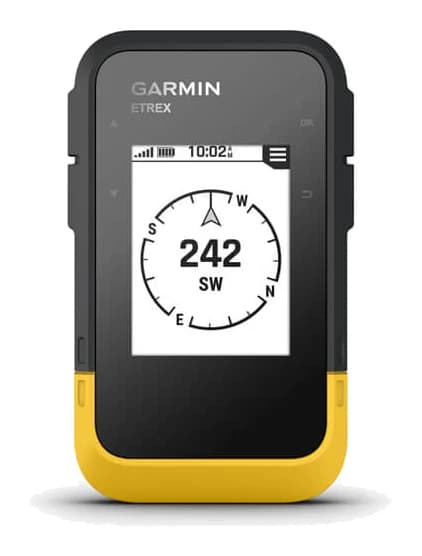
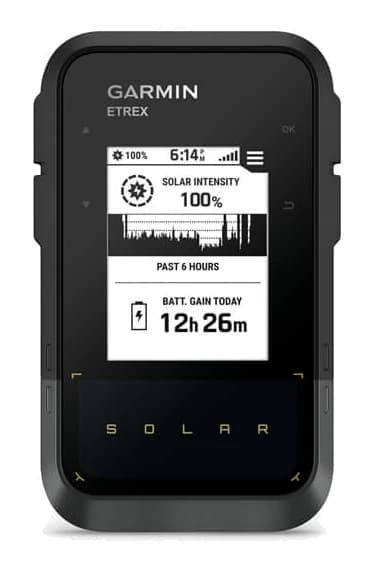
- Best ValueGarmin eTrex SolarWhy we picked it →
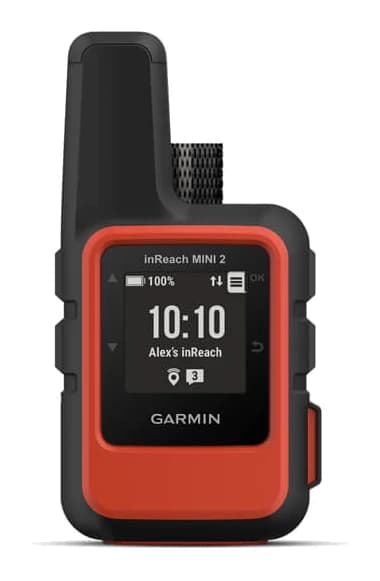
- Premium PickGarmin inReach Mini 2Why we picked it →
Frequently asked questions
Is the Garmin eTrex 22x worth it?
It is worth considering if you want a simple, rugged handheld GPS with preloaded routable maps and swappable AA batteries. It is less appealing if you need a barometric altimeter, an electronic compass or a modern, responsive interface. GearJunkie scores it 6.8/10.
Does the Garmin eTrex 22x have a compass or altimeter?
No. The spec sheet lists both the barometric altimeter and the compass as absent. The pricier eTrex 32x adds those sensors.
What batteries does the eTrex 22x use?
It runs on 2 AA batteries, which are not included. Garmin recommends NiMH or Lithium cells and quotes up to 25 hours of battery life. You can swap them in the field.
Does the eTrex 22x come with maps?
Yes. It comes with routable TopoActive maps preloaded, plus 8 GB of internal memory. A microSD slot accepts cards up to 32 GB max for more maps.
Which satellite systems does the Garmin eTrex 22x support?
It supports GPS and GLONASS. It does not offer Galileo or multi-band support, which reviewers note as a limitation.
Is the eTrex 22x waterproof?
It has an IPX7 water rating and a rugged build designed for rain, snow and splashes.
Sources
Specs are taken from the manufacturers' official pages; expert recommendations from the publications below.
- Garmin eTrex 22x: www8.garmin.com, garmin.unitedoutdoorsupply.com, blasterstool.com, thegpsstore.com
Related reviews & guides
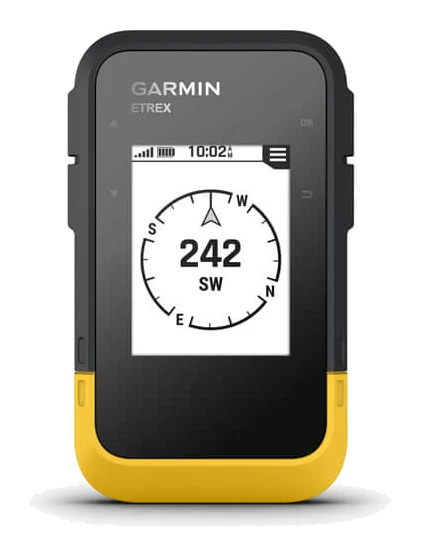
Garmin eTrex SE Review (2026): Long-Life Backup GPS
A look at the Garmin eTrex SE: a rugged, button-operated handheld GPS on swappable AA batteries, with the trade-offs of a monochrome screen and a cities-only basemap.
Published Oct 22, 2026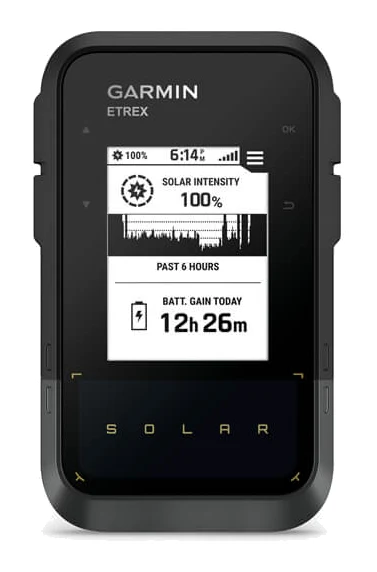
Garmin eTrex Solar Review (2026): Sun-Fed Simplicity
The Garmin eTrex Solar is a rugged, button-operated handheld GPS that can top itself up in sunlight. Here is what its specs and expert reviews say about who it suits.
Published Oct 30, 2026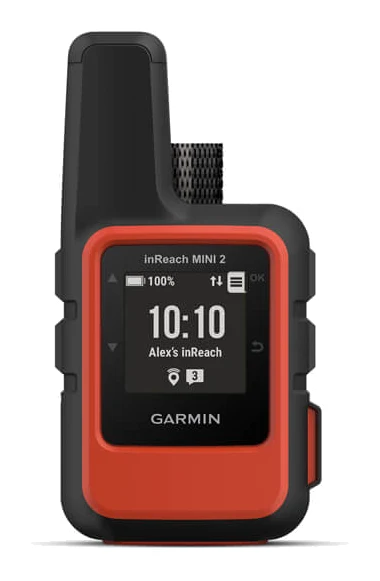
Garmin inReach Mini 2 Review (2026): Light, Rugged SOS
A look at the Garmin inReach Mini 2, a compact satellite communicator with two-way texting and SOS, based on manufacturer specs and what independent experts report.
Published Oct 29, 2026