Garmin inReach Mini 2 Review (2026): Light, Rugged SOS
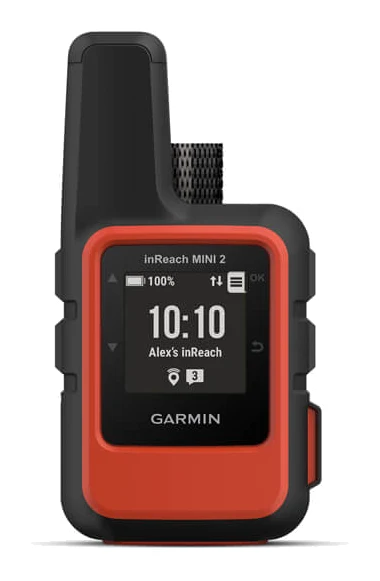
A look at the Garmin inReach Mini 2, a compact satellite communicator with two-way texting and SOS, based on manufacturer specs and what independent experts report.
Research-based · We earn from qualifying purchases
Our verdict
The inReach Mini 2 is a compact, rugged and dependable satellite communicator for hikers, backpackers and remote travelers who want reliable SOS and two-way texting. Those who want rich onboard mapping, easy standalone typing, or to avoid a subscription should look elsewhere.
The good
- Two-way satellite texting over Iridium works without any cell signal
- Interactive SOS connects to Garmin's 24/7 staffed emergency response center
- Up to 14 days of battery at default 10-minute tracking
- Light at 3.5 oz and small enough to clip to a pack
- Rugged MIL-STD-810 body with IPX7 water rating and -20°C operation
+2 more
- Light at 3.5 oz and small enough to clip to a pack
- Rugged MIL-STD-810 body with IPX7 water rating and -20°C operation
The bad
- Satellite messaging requires a paid subscription, adding to total cost
- Typing custom messages on the device itself is slow and clumsy
- Small 0.9-inch screen and no onboard topo maps limit navigation
- Messaging is text only, with no voice or photo support
+1 more
- Messaging is text only, with no voice or photo support
This Garmin inReach Mini 2 review looks at a device built for one job: keeping you reachable when there is no cell signal. It is a small handheld satellite communicator that sends and receives text messages over the global Iridium network and can trigger an SOS to a staffed emergency response center. It sits in the mid-range part of the market, and it suits backpackers who want a light, reliable satellite lifeline.
This review is based on Garmin's published specifications and on what independent expert reviews report. It is not based on hands-on testing by us.
Garmin inReach Mini 2: specs at a glance
From the manufacturer- Weight
- 3.5 oz (100 g)
- Display
- 0.9" x 0.9" (23 x 23 mm), 176 x 176 pixels, sunlight-readable monochrome transflective MIP
- Interface
- USB-C
- Battery type
- Rechargeable internal lithium-ion
- Water rating
- IPX7
- Impact rating
- MIL-STD-810
- Storage limits
- 1,000 waypoints/favorites/locations, 100 courses, 200 activities
- Battery capacity
- 1,250 mAh
- Operating temperature
- -20° to 60°C (-4° to 140°F)
- Satellite positioning
- GPS, GALILEO, QZSS, BeiDou
- Wireless connectivity
- Bluetooth Low Energy (LE), ANT+
- Dimensions (W x H x D)
- 2.04" x 3.90" x 1.03" (5.17 x 9.90 x 2.61 cm)
- Battery life (default 10-min tracking, full sky view)
- Up to 14 days
- Battery life (30-min tracking, standard activity recording, full sky view)
- Up to 30 days
Key features
- Two-way text messaging over the global Iridium satellite network, with no cell signal needed (subscription required)
- Interactive SOS to Garmin's 24/7 staffed emergency response center
- Up to 14 days of battery life at the default 10-minute tracking, or up to 30 days at 30-minute tracking
- TracBack routing retraces your path to your starting point
- Digital compass shows an accurate heading even when you're standing still
- Pairs with the Garmin Explore app for trip planning, maps, waypoints and easier messaging
- Rugged, MIL-STD-810 impact-resistant body, rated IPX7 for water
- USB-C charging and inReach weather forecasts on the device
What the inReach Mini 2 is (and isn't)
The inReach Mini 2 is a communicator and tracker first. It is not a full handheld GPS with detailed onboard maps. Its core features are two-way messaging and interactive SOS, both over satellite and neither needing cell coverage. Satellite messaging requires a paid subscription, which adds to the total cost.
The rest of the feature set supports that job. The device offers on-device weather forecasts, a digital compass, TracBack routing to retrace your steps, and pairing with the Garmin Explore app on your phone. Think of it as an emergency and check-in device that happens to have useful navigation extras, not a replacement for a dedicated mapping GPS.
Garmin inReach Mini 2 review: design and build
The headline number is weight: 3.5 oz (100 g). Dimensions are 2.04" x 3.90" x 1.03" (5.17 x 9.90 x 2.61 cm), which is small enough to clip to a pack, and reviewers praise how light and compact it is. For people counting every ounce on a multi-day trip, a satellite lifeline that adds this little weight is a big part of the appeal.
The body is MIL-STD-810 impact-resistant and rated IPX7 for water. IPX7 covers immersion, so rain and splashes shouldn't be a concern. The operating temperature range is -20° to 60°C (-4° to 140°F), so it is specified for cold-weather use as well as summer hiking. Reviewers specifically praise the rugged body, the IPX7 rating and the -20°C operation.
The display is a sunlight-readable monochrome transflective MIP panel with 176 x 176 pixels. That type of screen is chosen for visibility outdoors and for keeping power draw low, but it is small. A common criticism is that the 0.9-inch screen limits how much you can comfortably do on the device itself.
Charging is over USB-C, and the battery is a rechargeable internal lithium-ion cell with a 1,250 mAh capacity. USB-C means you can top it up with the same cables and power banks you probably already carry.
Features and what they mean day to day
Two-way satellite messaging
This is the reason to buy it. Messages travel over the global Iridium satellite network, so you can text from places with no cell service. That works for sending a quick "all good, camped at the lake" to family, and for coordinating if plans change. Reviewers praise the reliable two-way satellite texting.
Messaging is text only. There is no voice or photo support, and the device is not a replacement for a phone in that sense. It is a way to send short, important updates from remote places.
Interactive SOS
The interactive SOS connects you to Garmin's 24/7 staffed emergency response center. Interactive means it is two-way. You aren't just sending a distress signal into the void, you are in contact with people who can coordinate a response and ask about your situation. For many buyers this is the most important feature. Reviewers also praise it, and the device is recommended in 5 expert guides.
Tracking and TracBack
The inReach Mini 2 can track your position at set intervals, which matters because tracking frequency drives battery life (more on that below). TracBack routing retraces your path to your starting point. If conditions turn bad or you lose the trail, being able to follow your own breadcrumbs back is a simple, practical aid. The device stores up to 1,000 waypoints/favorites/locations, 100 courses and 200 activities.
Compass, weather and the Explore app
The digital compass shows an accurate heading even when you're standing still, which is useful when you are stopped and checking your direction. Weather forecasts are available through inReach on the device itself.
The Garmin Explore app pairs with the device over Bluetooth Low Energy (LE) and handles trip planning, maps, waypoints and easier messaging. This matters because of one of the most common criticisms: typing custom messages on the device itself is slow and clumsy. Using your phone as the keyboard, via the app, is the sensible way around it. It also helps with the navigation limits, since the device has no onboard topo maps. The device also supports ANT+ wireless connectivity.
Performance, battery and connectivity
Battery life depends on how often the device logs your position:
- Up to 14 days at the default 10-minute tracking, with a full sky view.
- Up to 30 days at 30-minute tracking with standard activity recording, with a full sky view.
The "full sky view" condition matters. Under heavy tree cover, in canyons or with the device buried in a pack, expect real-world results to differ from the ideal figures. Garmin specifies up to 14 days at the default setting and up to 30 days at 30-minute tracking, both with a full sky view. Reviewers praise the battery life.
For positioning, it uses GPS, GALILEO, QZSS and BeiDou. Multiple satellite systems are useful for getting a fix reliably. Satellite messaging and SOS run over Iridium, a separate network from the positioning constellations.
What experts like and what they criticise
Independent reviews agree on the device's strengths. Reviewers praise:
- The reliable two-way satellite texting that works without cell signal
- The interactive SOS to a staffed response center
- The battery life, up to 14 days at default tracking
- The light, clip-on form factor
- The rugged body with its IPX7 water rating and cold-weather operation
The published scores reflect that. The inReach Mini 2 averages 8.9/10 across 4 expert reviews. OutdoorGearLab scores it 82/100, The Great Outdoors gives it 5/5, Packstack 8.5/10 and PackLite Life 9/10.
The criticisms are just as consistent:
- Subscription required. Satellite messaging needs a paid plan, which adds to the total cost of ownership. Check Garmin's current plans before buying, since you pay for the service as well as the hardware.
- Slow on-device typing. Composing custom messages on the device is clumsy, so most people will want the phone app for anything beyond quick preset messages.
- Small screen, no onboard topo maps. Navigation on the device is limited. If you want rich maps, you will rely on the app or another device.
- Text only. No voice, no photos.
None of these is a hidden flaw. They are trade-offs of a small, light, battery-efficient device. But the subscription in particular is worth factoring in from the start.
Who should buy the inReach Mini 2
This device fits you best if you:
- Hike, backpack or travel in remote areas without cell coverage
- Want a reliable satellite SOS and two-way texting in a very light package
- Are happy to use your phone and the Garmin Explore app for typing and trip planning
- Care about battery life that can last through a multi-day trip
- Need something rugged enough for rain, impacts and cold conditions
It is a natural fit for the buyer described as a backpacker wanting a light, reliable satellite SOS and messenger.
Who should skip it
Look elsewhere if you:
- Want to avoid a recurring subscription
- Expect rich onboard topo mapping on the device
- Want to type long messages on the device without a phone
- Need voice calls or photo sharing from the field
If your hiking stays within reliable cell coverage, a satellite communicator is probably more than you need.
How it fits in its category
Satellite communicators range from simple messengers to larger handhelds with big screens and onboard maps. The inReach Mini 2 sits at the compact end. Its strengths are size, weight, battery life and dependable messaging and SOS. It gives up screen size and standalone navigation to get them. Choose it for the lifeline and the light weight, not for mapping.
Verdict
The Garmin inReach Mini 2 does what it sets out to do well: it keeps you in touch, and gives you a route to help, in places where your phone is useless. Experts rate it highly, with an 8.9/10 average, and it is recommended in 5 expert guides. The limits are clear and predictable. You pay a subscription, you will want your phone for typing, and the small screen and lack of onboard topo maps mean it is not a full navigation device. If those trade-offs suit your trips, it is a strong choice for a compact, rugged satellite safety net.
Related buying guides
Not sure about the Garmin inReach Mini 2? Consider these
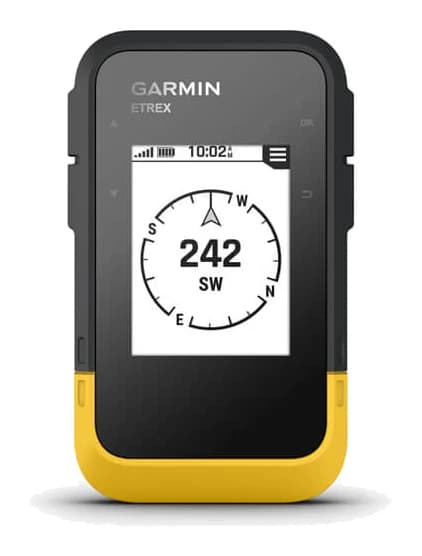
- Best OverallGarmin eTrex SEWhy we picked it →
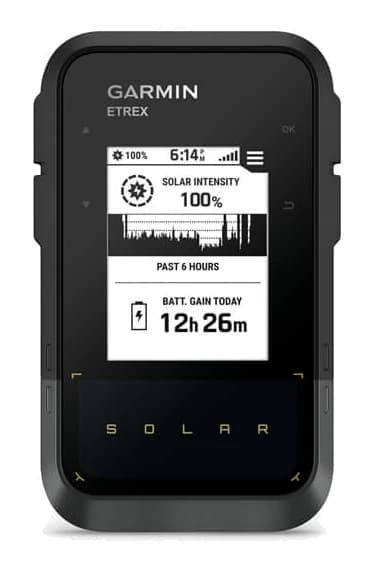
- Best ValueGarmin eTrex SolarWhy we picked it →
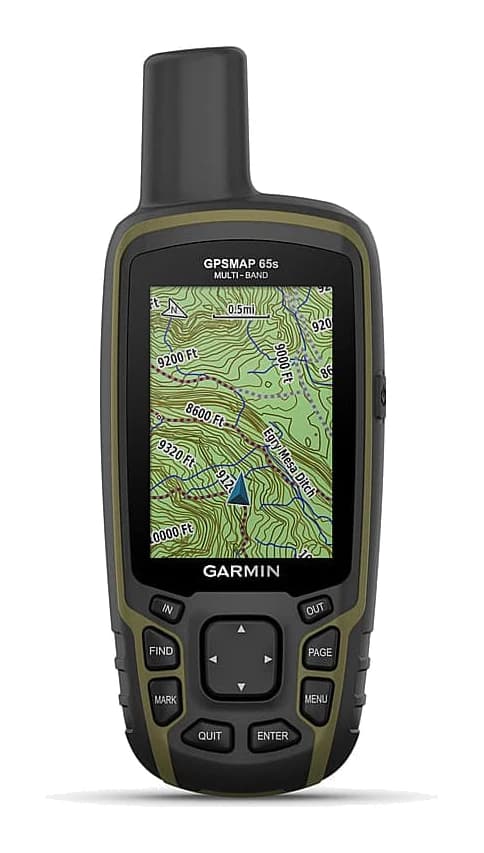
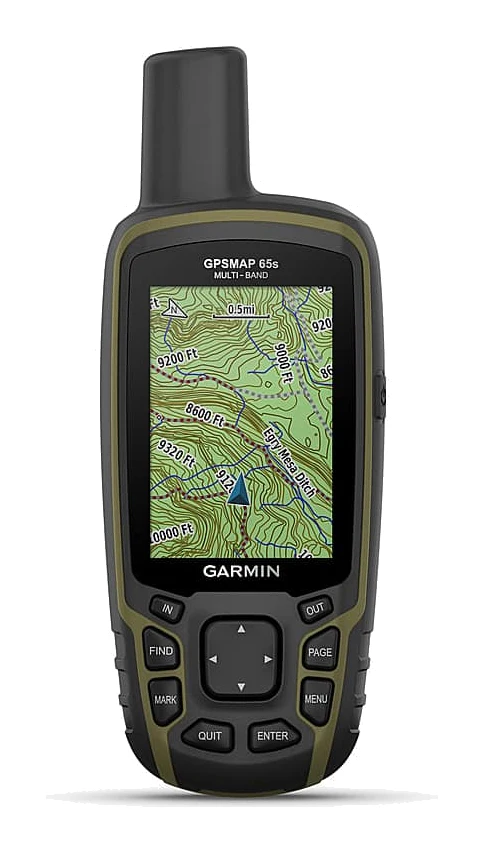
- Also GreatGarmin GPSMAP 65sWhy we picked it →
Frequently asked questions
Is the Garmin inReach Mini 2 worth it?
For hikers, backpackers and remote travelers who want reliable satellite texting and SOS in a light device, experts say yes: it averages 8.9/10 across 4 expert reviews. It is less compelling if you want to avoid a subscription or need rich onboard maps.
Does the inReach Mini 2 need a subscription?
Yes. Satellite messaging requires a paid subscription, which adds to the total cost. Check Garmin's current plan options before buying.
Does the inReach Mini 2 work without cell service?
Yes. It sends and receives text messages over the global Iridium satellite network, so no cell signal is needed. An active subscription is required.
How long does the inReach Mini 2 battery last?
Garmin specifies up to 14 days at the default 10-minute tracking, or up to 30 days at 30-minute tracking with standard activity recording, both with a full sky view. Real-world results depend on sky view and tracking settings.
Is the inReach Mini 2 waterproof?
It is rated IPX7 for water and has a MIL-STD-810 impact-resistant body. It is specified to operate from -20° to 60°C (-4° to 140°F).
Can the inReach Mini 2 send photos or make voice calls?
No. Messaging is text only, with no voice or photo support. Typing on the device is slow, so many people use the Garmin Explore app on a paired phone to write messages more easily.
Sources
Specs are taken from the manufacturers' official pages; expert recommendations from the publications below.
- Garmin inReach Mini 2: garmin.com, www8.garmin.com, sportsmansguide.com, packstack.io
Related reviews & guides
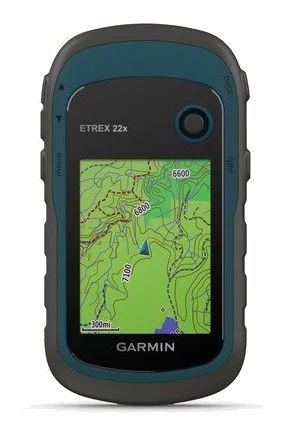
Garmin eTrex 22x Review (2026): Simple, Rugged, Dated?
The Garmin eTrex 22x is a rugged, no-frills handheld GPS with preloaded routable maps and swappable AA batteries. Here is who it suits and where it shows its age.
Published Oct 25, 2026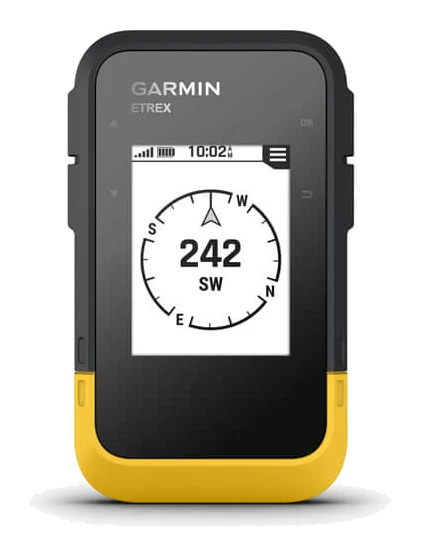
Garmin eTrex SE Review (2026): Long-Life Backup GPS
A look at the Garmin eTrex SE: a rugged, button-operated handheld GPS on swappable AA batteries, with the trade-offs of a monochrome screen and a cities-only basemap.
Published Oct 22, 2026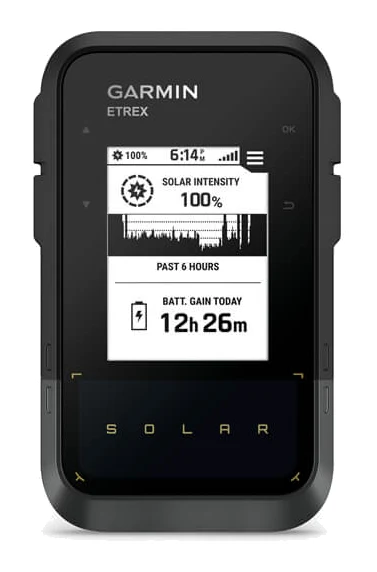
Garmin eTrex Solar Review (2026): Sun-Fed Simplicity
The Garmin eTrex Solar is a rugged, button-operated handheld GPS that can top itself up in sunlight. Here is what its specs and expert reviews say about who it suits.
Published Oct 30, 2026