Garmin GPSMAP 65s Review (2026): Accurate, Not Flashy
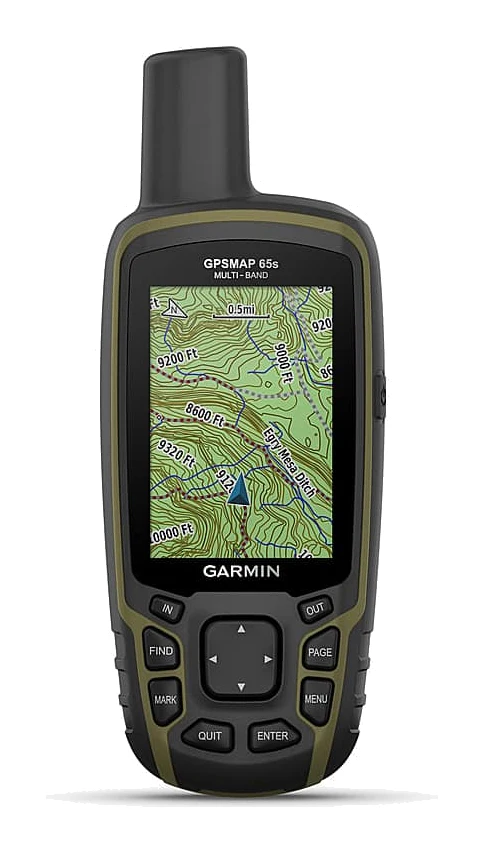
A look at the Garmin GPSMAP 65s handheld GPS: multi-band accuracy, glove-friendly buttons and AA power, balanced against short battery life, a dated screen and no satellite messaging.
Research-based · We earn from qualifying purchases
Our verdict
The GPSMAP 65s is a strong choice for hikers and geocachers who want accurate multi-band positioning, preloaded maps and swappable AA power without paying for satellite messaging. Skip it if you need SOS or two-way messaging, or long battery life and a sharper screen for extended trips.
The good
- Multi-band, multi-GNSS reception holds accuracy under tree cover and in canyons
- Buttons work with gloves on, and the body is rugged with IPX7 water rating
- Swappable AA batteries are easy to replace in the field
- Preloaded routable TopoActive maps, with a microSD slot for more
- Barometric altimeter and tilt-compensated compass add reliable navigation data
+2 more
- Preloaded routable TopoActive maps, with a microSD slot for more
- Barometric altimeter and tilt-compensated compass add reliable navigation data
The bad
- 16-hour GPS battery life is short for multi-day trips
- Low-resolution 160 x 240 screen looks dated
- No inReach satellite messaging for emergency communication
- Mini-USB port and clunky Bluetooth sync with Garmin Explore
+1 more
- Mini-USB port and clunky Bluetooth sync with Garmin Explore
The Garmin GPSMAP 65s review question is really about what kind of handheld GPS you want in 2026. Phones handle a lot of navigation now, but a dedicated unit still appeals to people who want physical buttons, replaceable batteries and a device built for the trail. The 65s is aimed at hikers and geocachers who want accurate positioning and preloaded maps without paying for satellite messaging. This review is based on Garmin's published specs and what independent experts report, not on hands-on testing.
Garmin GPSMAP 65s: specs at a glance
From the manufacturer- Routes
- 200, 250 points per route
- Weight
- 7.7 oz (217 g) with batteries
- Battery
- 2 AA batteries (not included); NiMH or Lithium recommended
- Display
- 2.6" diag (6.6 cm), transflective 65K color TFT
- Sensors
- Barometric altimeter, 3-axis tilt-compensated compass
- Wireless
- Bluetooth, ANT+
- Interface
- high speed mini USB and NMEA 0183 compatible
- Track log
- 10000 points, 200 saved tracks
- Waypoints
- 5000
- Dimensions
- 2.4" x 6.3" x 1.4" (6.1 x 16.0 x 3.6 cm)
- Battery life
- 16 hours (GPS mode)
- Water rating
- IPX7
- Internal memory
- 16 GB (user space varies based on included mapping)
- Display resolution
- 160 x 240 pixels
- Expandable storage
- microSD, 32 GB max
- Operating temperature
- -20° to 50°C (-4° to 122°F)
Key features
- Multi-band, multi-GNSS reception (GPS, GLONASS, Galileo, QZSS, IRNSS) for better accuracy under tree cover and in canyons
- Barometric altimeter and tilt-compensated 3-axis compass
- Preloaded routable TopoActive maps, plus a microSD slot for extra maps
- Sunlight-readable 2.6-inch color display
- Buttons you can use with gloves on
- Up to 16 hours of battery life in GPS mode on two swappable AA batteries
- Garmin Explore app and website for syncing waypoints, routes and tracks
- Smart notifications and paperless geocaching support
What the GPSMAP 65s is
The GPSMAP 65s is a rugged, button-operated handheld navigator in the mid-range price tier. Its headline feature is multi-band, multi-GNSS reception. It can use GPS, GLONASS, Galileo, QZSS and IRNSS satellites, and the multi-band approach is listed as giving better accuracy under tree cover and in canyons.
It also carries a barometric altimeter, a tilt-compensated 3-axis compass and preloaded routable TopoActive maps. That is a traditional, navigation-first feature set. It is recommended in 4 independent expert guides, and it averages 8/10 across the expert scores we found: HikingGuy gives it 4/5 and Navigation-Professionell gives it 80/100.
Design and build
The 65s uses a 2.6-inch sunlight-readable color display and a button layout rather than a touchscreen. For a rugged handheld, that is a sensible choice. The buttons work with gloves on. Because the buttons work with gloves on, you don't need to take your gloves off to operate the unit.
The body is rated IPX7 for water resistance and has an operating temperature range of -20° to 50°C (-4° to 122°F). It weighs 7.7 oz (217 g) with batteries and measures 2.4" x 6.3" x 1.4" (6.1 x 16.0 x 3.6 cm).
The display is a transflective 65K color TFT, which is what makes it readable in bright sun. The trade-off is resolution: at 160 x 240 pixels, the screen looks dated.
Features and what they mean day to day
Multi-band, multi-GNSS reception
This is the main reason to consider the 65s. Reviewers consistently praise its accuracy under tree cover and in canyons. Dense forest, steep valleys and narrow gorges all degrade GPS signals. If your trips regularly take you into terrain like that, the multi-band receiver is the relevant feature.
Sensors
The barometric altimeter and the tilt-compensated compass add navigation data beyond a plain position fix. The unit includes a tilt-compensated 3-axis compass. Reviewers say they add reliable navigation data.
Maps and storage
The unit comes with routable TopoActive maps preloaded, so you can use it for navigation without sourcing mapping first. It has 16 GB of internal memory, although user space varies based on the included mapping. A microSD slot, with a 32 GB maximum, lets you add more maps.
For planning, the unit's stated limits are:
- 5000 waypoints
- 200 saved tracks, with a track log of 10000 points
- Routes of up to 200, with 250 points per route
Connectivity and apps
The 65s supports Bluetooth and ANT+. It works with the Garmin Explore app and website for syncing waypoints, routes and tracks. It also supports smart notifications and paperless geocaching, which is useful if you use it for that hobby. The wired interface is high speed mini USB and it is NMEA 0183 compatible.
There are complaints here. The mini-USB port is a drawback, and Bluetooth syncing with Garmin Explore is clunky. If you plan to move a lot of tracks and routes between your phone and the unit, expect some friction.
Battery and power
The 65s runs on two swappable AA batteries (not included), and NiMH or Lithium are recommended. Garmin rates it at up to 16 hours in GPS mode. Reviewers note that swappable AA batteries are easy to replace in the field.
The weakness is the endurance figure itself. 16 hours is short for multi-day trips, and a common criticism is that the battery life is short for longer outings. Swappable AA batteries are easy to replace in the field, but the 16-hour rating is still short for multi-day trips. If you are heading out for a weekend or longer, spare cells are worth planning for.
What experts like and what they criticise
Reviewers praise several things:
- Accuracy: multi-band, multi-GNSS reception holds up under tree cover and in canyons.
- Rugged usability: the buttons work with gloves on, and the body has an IPX7 water rating.
- Power: swappable AA batteries are easy to replace in the field.
- Maps: preloaded routable TopoActive maps are included, with a microSD slot for more.
- Sensors: the barometric altimeter and tilt-compensated compass add reliable navigation data.
Drawbacks to weigh:
- The 16-hour GPS battery life is short for multi-day trips.
- The 160 x 240 screen looks dated.
- There is no inReach satellite messaging for emergency communication.
- The mini-USB port and the clunky Bluetooth sync with Garmin Explore feel awkward.
The lack of satellite messaging deserves emphasis. Many people buy a handheld GPS partly for backcountry safety. The 65s is a navigation tool and does not offer two-way messaging or SOS through a satellite link. For buyers who don't need it, it means not paying for satellite messaging. For others it is a dealbreaker.
Who should buy the GPSMAP 65s
The 65s suits hikers and geocachers who want accurate positioning in difficult terrain, preloaded maps and replaceable AA batteries. It also suits anyone who prefers buttons to a touchscreen, especially in cold or wet conditions where gloves stay on.
It is a good match if:
- you hike or geocache in forests, canyons or other places where signal quality drops
- you want swappable AA batteries you can replace in the field
- you want routable topographic maps from day one
- you don't need satellite messaging
Who should skip it
Skip the 65s if you need SOS or two-way messaging from the backcountry. Also skip it if you want long battery life for multi-day trips without carrying spares, or if you care about a sharp, modern display. The low-resolution screen and the mini-USB port are worth weighing. If you expect a smooth phone-style experience for syncing and managing routes, the reported Garmin Explore sync issues are worth weighing.
How it fits in its category
Handheld GPS units split broadly into two groups: navigation-first devices like this one, and models that add satellite communication. The 65s clearly belongs to the first group. It focuses on positioning accuracy, mapping and rugged handling, and leaves emergency communication to other gear. That makes it a coherent choice, as long as you know what it leaves out. We don't have a category buying guide to link to for direct comparisons, so check the specifics that matter to you, mainly battery endurance, screen quality and communication features, before you buy.
Verdict: a capable navigator with clear limits
The Garmin GPSMAP 65s does the core job well. Reviewers praise its multi-band accuracy, and the glove-friendly buttons, preloaded maps and swappable AA batteries make it practical on the trail. The compromises are real, though: short battery life for longer trips, a dated screen, an old-fashioned USB port and no satellite messaging. If those fit your plans, it is an easy navigation tool to recommend. If they don't, look elsewhere.
Related buying guides
Not sure about the Garmin GPSMAP 65s? Consider these
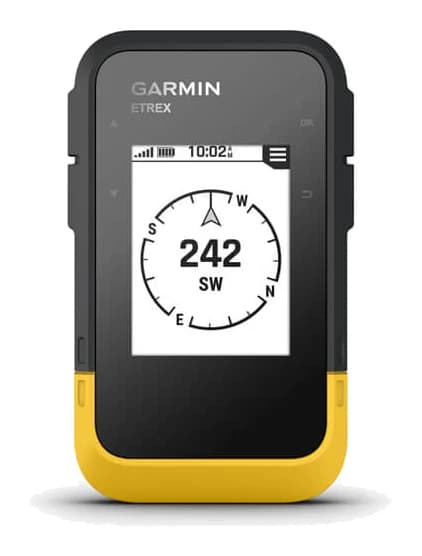
- Best OverallGarmin eTrex SEWhy we picked it →
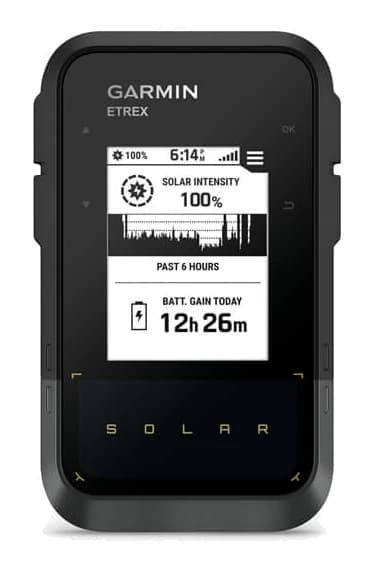
- Best ValueGarmin eTrex SolarWhy we picked it →
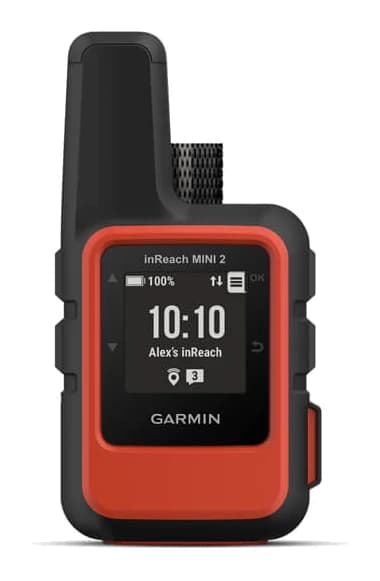
- Premium PickGarmin inReach Mini 2Why we picked it →
Frequently asked questions
Is the Garmin GPSMAP 65s worth it?
It is worth it if you want accurate multi-band GPS, preloaded TopoActive maps and swappable AA batteries without satellite messaging. Experts average it at 8/10 and it is recommended in 4 independent guides. It is less suitable if you need SOS features, long battery life or a sharper screen.
How long does the GPSMAP 65s battery last?
Garmin rates it at up to 16 hours in GPS mode on two AA batteries. Reviewers note this is short for multi-day trips, though you can swap in spare AA cells in the field. NiMH or Lithium batteries are recommended, and batteries are not included.
Does the GPSMAP 65s have satellite messaging or SOS?
No. It does not include inReach satellite messaging, so it cannot send emergency or two-way messages on its own. A common criticism from reviewers is the lack of emergency communication.
Does the GPSMAP 65s come with maps?
Yes. It comes with preloaded routable TopoActive maps. It has 16 GB of internal memory, with user space varying based on the included mapping, and a microSD slot (32 GB maximum) for adding more maps.
Can you use the GPSMAP 65s with gloves?
Yes. It uses buttons rather than a touchscreen, and reviewers praise that they work with gloves on. The body also has an IPX7 water rating and an operating temperature range of -20° to 50°C (-4° to 122°F).
Does the GPSMAP 65s work with a phone?
It supports Bluetooth and ANT+ and works with the Garmin Explore app and website for syncing waypoints, routes and tracks. It also supports smart notifications. Reviewers describe the Bluetooth sync with Garmin Explore as clunky.
Sources
Specs are taken from the manufacturers' official pages; expert recommendations from the publications below.
- Garmin GPSMAP 65s: garmin.com, www8.garmin.com
Related reviews & guides
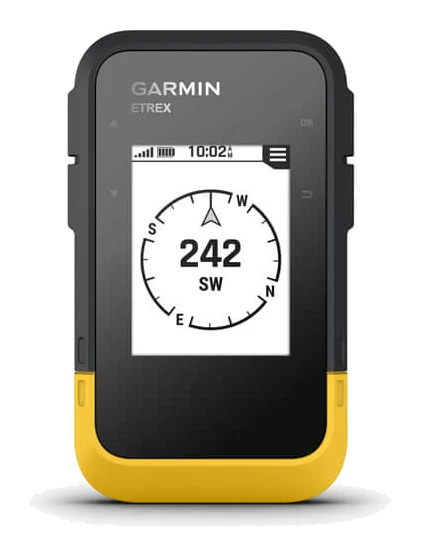
Garmin eTrex SE Review (2026): Long-Life Backup GPS
A look at the Garmin eTrex SE: a rugged, button-operated handheld GPS on swappable AA batteries, with the trade-offs of a monochrome screen and a cities-only basemap.
Published Oct 22, 2026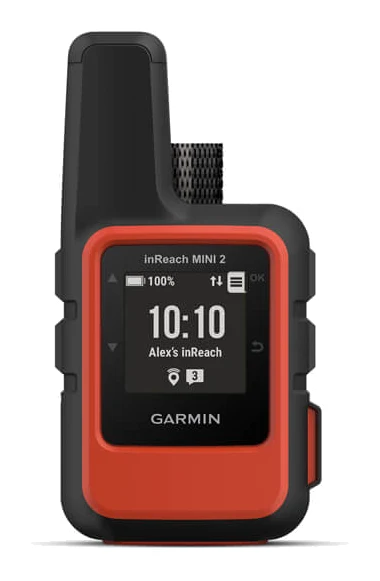
Garmin inReach Mini 2 Review (2026): Light, Rugged SOS
A look at the Garmin inReach Mini 2, a compact satellite communicator with two-way texting and SOS, based on manufacturer specs and what independent experts report.
Published Oct 29, 2026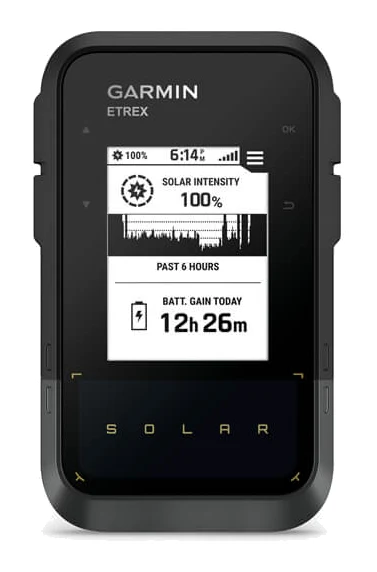
Garmin eTrex Solar Review (2026): Sun-Fed Simplicity
The Garmin eTrex Solar is a rugged, button-operated handheld GPS that can top itself up in sunlight. Here is what its specs and expert reviews say about who it suits.
Published Oct 30, 2026