Logitech G PRO X2 SUPERSTRIKE Review (2026): Tunable Clicks
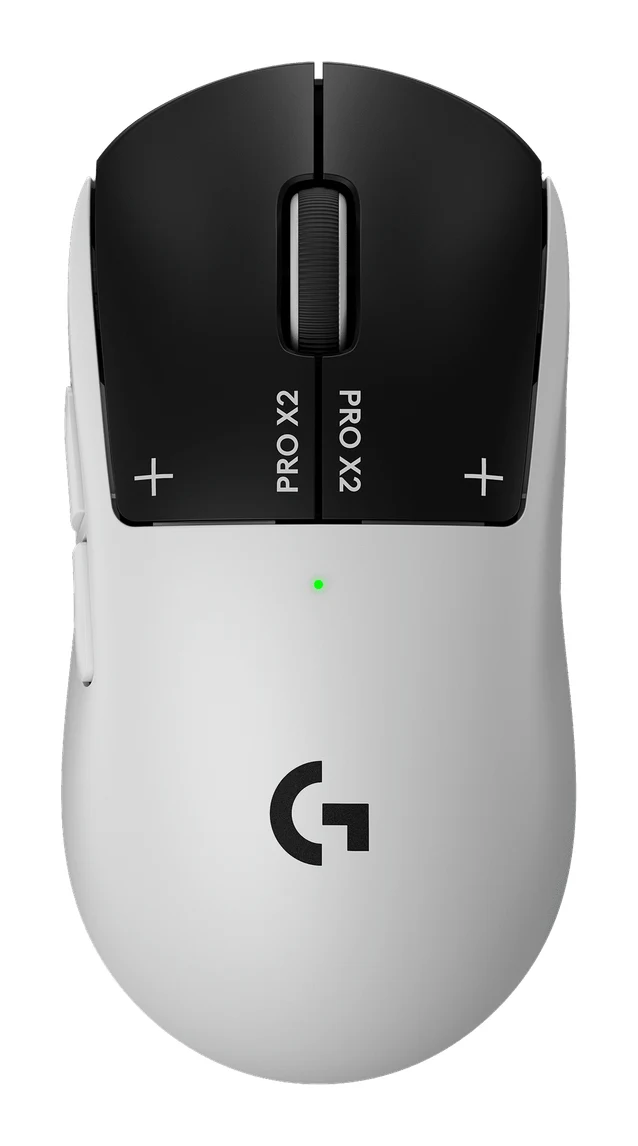
Our Logitech G PRO X2 SUPERSTRIKE review looks at the inductive-click gaming mouse: tunable actuation, haptic feedback, 8000 Hz wireless and who it suits.
Research-based · We earn from qualifying purchases
Our verdict
The G PRO X2 SUPERSTRIKE suits competitive players who want to tune click response and actuation, and who like the Superlight shape. Skip it if you want Bluetooth, an onboard DPI button, or the lightest possible mouse, or if you won't spend time tuning the triggers.
The good
- HITS inductive triggers give faster, highly tunable clicks, per reviewers
- Ten actuation and five rapid-trigger reset points per main key
- Convincing haptic click feel with a near-silent setting
- Familiar, comfortable Superlight shape at a light 61 g
- HERO 2 sensor, 8000 Hz wireless and up to 90 hours of battery
+2 more
- Familiar, comfortable Superlight shape at a light 61 g
- HERO 2 sensor, 8000 Hz wireless and up to 90 hours of battery
The bad
- Reviewers call the price high
- No Bluetooth and no onboard DPI button
- Front-heavy balance, slightly heavier than the Superlight 2
- Side buttons and stock skates feel mediocre to some reviewers
+1 more
- Side buttons and stock skates feel mediocre to some reviewers
This Logitech G PRO X2 SUPERSTRIKE review is about a mouse that changes the one part of a gaming mouse most people never think about: the click itself. Instead of conventional microswitches, the SUPERSTRIKE uses Logitech's Haptic Inductive Trigger System (HITS), and it wraps that in the familiar Superlight 2 shape, a HERO 2 sensor and LIGHTSPEED wireless. It is aimed at competitive FPS players who want to tune how and when their clicks register. This review is based on manufacturer specs and what independent experts report, not on hands-on testing by us.
Logitech G PRO X2 SUPERSTRIKE: specs at a glance
From the manufacturer- Sensor
- HERO 2
- Weight
- 61 g / 2.15 oz
- Max DPI
- 44,000
- Warranty
- 2 years
- Max speed
- 888 IPS
- Battery life
- up to 90 hours
- Connectivity
- LIGHTSPEED 2.4 GHz wireless / USB-C wired (no Bluetooth)
- Release date
- February 10, 2026
- Main switches
- Haptic Inductive Trigger System (HITS)
- Max acceleration
- 88 G
- Programmable buttons
- 5
- Max wired report rate
- 1000 Hz (1 ms)
- Dimensions (L x W x H)
- 125 x 63.5 x 40 mm
- Max LIGHTSPEED report rate
- 8000 Hz (0.125 ms)
Key features
- Haptic Inductive Trigger System (HITS) replaces microswitches, and Logitech claims it cuts click latency by up to 30 ms
- Ten actuation points and five rapid-trigger reset points, tunable for each main key
- Adjustable click haptics, including a near-silent setting
- HERO 2 sensor with up to 44,000 DPI, 888 IPS and 88 G acceleration
- LIGHTSPEED wireless with up to 8000 Hz polling
- Up to 90 hours of battery life
- Lightweight 61 g body based on the Superlight 2 shape, with dongle storage under the sensor
- POWERPLAY compatible, with G HUB software for customization
What the SUPERSTRIKE is trying to do
The SUPERSTRIKE has a HERO 2 sensor, 8000 Hz wireless and up to 90 hours of battery, but its headline is the switch. HITS replaces the traditional microswitch under each main button, and Logitech claims it cuts click latency by up to 30 ms. That is a manufacturer claim, so treat it as the company's own figure rather than an independent measurement. Reviewers highlight the other half of the idea: the faster, highly tunable clicks.
The mouse launched on February 10, 2026, and it sits in the mid-range part of the market among the products we compare. Even so, reviewers call the price high, which we come back to below.
Design and build
Logitech has based the body on the Superlight 2 shape. If you already know and like that shape, this is a major point in the SUPERSTRIKE's favour, and reviewers describe the shape as familiar and comfortable. It measures 125 x 63.5 x 40 mm and weighs 61 g. A common criticism is that it is slightly heavier than the Superlight 2 and feels somewhat front-heavy. If you want the lightest mouse possible, that matters.
There are five programmable buttons, so the layout is conventional rather than loaded with extras. Some reviewers find the side buttons and the stock skates mediocre, which is a fair thing to note on a mouse that is not cheap. A practical touch is the dongle storage under the sensor, handy if you travel with the mouse to LAN events or switch between desks.
It is also POWERPLAY compatible, so you can use Logitech's wireless charging system if you already own it. G HUB is the software for customisation.
The HITS clicks: the reason to buy it
Actuation and rapid trigger
This is where the SUPERSTRIKE separates itself from an ordinary gaming mouse. Each main key offers ten actuation points and five rapid-trigger reset points, all tunable. In plain terms, actuation is how far you press before the click registers. The reset point is how far the button has to come back up before it can register again. Shortening both can make rapid repeated clicks feel quicker, which is the logic behind rapid trigger on gaming keyboards. This mouse brings that idea to the main buttons.
Reviewers praise the faster, highly tunable response. The flip side is that the benefit depends on you actually using it. The verdict from our analysis is that players who won't spend time in G HUB experimenting with the settings are missing the point of paying for this mouse.
Haptic feel
A button with no conventional switch needs to feel like a click, and Logitech uses adjustable haptics to supply that. Reviewers describe the click feel as convincing. There are adjustable haptic settings, including a near-silent option, which could suit shared spaces or late-night sessions. A click you can tune for both response and feedback is the SUPERSTRIKE's real novelty.
Sensor, polling and battery
The HERO 2 sensor supports up to 44,000 DPI, 888 IPS and 88 G acceleration. Real-world sensor performance usually comes down to tracking consistency at your normal DPI, so treat these as the sensor's maximum ratings.
Connectivity is where the spec sheet gets more interesting. Over LIGHTSPEED 2.4 GHz wireless, the mouse supports up to 8000 Hz polling, a 0.125 ms report interval. Wired over USB-C, the maximum report rate is 1000 Hz (1 ms). If you want the highest polling rate, you need the wireless dongle rather than the cable. Battery life is up to 90 hours, according to Logitech, though the figure will depend on your settings.
The omission to know about is Bluetooth. Connectivity is limited to LIGHTSPEED wireless and USB-C wired. That is fine for a dedicated gaming mouse at a desk, less so if you hoped to pair it with a laptop or tablet on the go. Reviewers also note there is no onboard DPI button, so changing DPI means using software.
How experts rate it
Critical reception is very strong. Across 5 expert reviews, it averages 9.1/10. TechRadar gives it 4.84/5, Tom's Guide 4.5/5, Tom's Hardware 4.5/5, KitGuru 8/10 and TweakTown 98/100. It has also been recommended in an independent expert buying guide.
What reviewers praise:
- The faster, highly tunable HITS clicks and the depth of the actuation and reset options.
- A convincing haptic click, with a near-silent setting.
- The familiar, comfortable Superlight shape at 61 g.
- The combination of HERO 2, 8000 Hz wireless and long battery life.
What they criticise:
- The price, which reviewers call high even though it sits in the mid-range tier of the products compared.
- No Bluetooth and no onboard DPI button.
- A front-heavy balance, with a weight slightly above the Superlight 2.
- Side buttons and stock skates that some find mediocre.
Who should buy the SUPERSTRIKE
This mouse suits competitive FPS players who want control over click response and who already get on with the Superlight shape. It is a good fit if you are willing to spend time in G HUB finding actuation and reset settings that work for your aim style, and if you value a long-lasting wireless mouse with the option of 8000 Hz polling. The near-silent click setting is a bonus if you play where noise matters.
Who should skip it
Skip it if you want Bluetooth, if you rely on an onboard DPI button, or if the lightest possible mouse is your priority. Skip it too if you prefer to plug in and play without adjusting anything, because in that case the tuning that justifies the cost goes unused. If the price is a stretch, the reviewer criticism about cost is worth taking seriously.
How it fits in the wider category
The SUPERSTRIKE's distinguishing feature is configurable click behaviour through HITS. That makes it a specialist choice rather than a default one. If your priority is weight or a simple setup, other mice may suit you better; if you are curious about adjustable actuation on a mouse, this is the model built around it.
Verdict: is the Logitech G PRO X2 SUPERSTRIKE worth it?
For the right player, yes. The SUPERSTRIKE offers clicks you can adjust for both speed and feel, in the Superlight 2 shape, with 8000 Hz wireless and up to 90 hours of battery. Its weaknesses are the price, the missing Bluetooth and DPI button, and a front-heavy balance that is slightly heavier than the Superlight 2. Players who will use the tuning options should find it rewarding, and the very strong expert scores back that up. If you won't, a simpler mouse will likely serve you just as well.
Related buying guides
- Logitech G305 LIGHTSPEED Review (2026): Long Life on One AA
- Best Gaming Mouse for FPS 2026: Lightweight Wireless Aim
- Best Gaming Laptops 2026: Light, OLED & RTX 50 Power
- Best Gaming Headset 2026: Comfort, Battery & Low Latency
- Best Gaming Monitor 2026: QD-OLED Speed, 4K & Ultrawide
- Best Handheld Gaming PCs 2026: Power, Screens & Battery
- Logitech G PRO X Superlight 2 Review: Light, Fast, Basic
- Razer Viper V4 Pro Review (2026): 49 g Esports Speed
Not sure about the Logitech G PRO X2 SUPERSTRIKE? Consider these
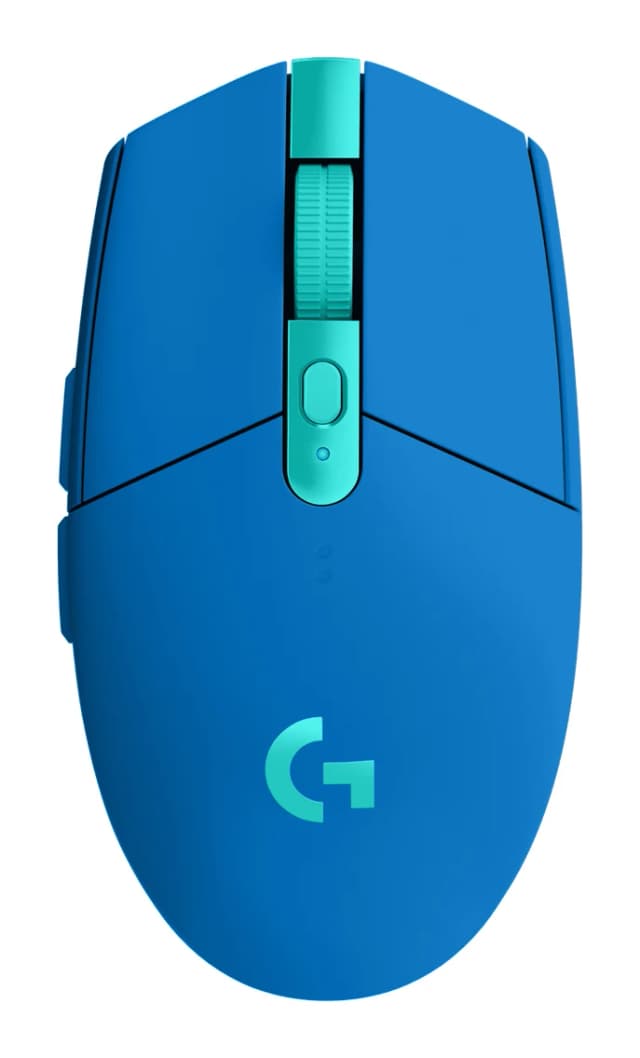
- Best OverallLogitech G305 LIGHTSPEEDWhy we picked it →
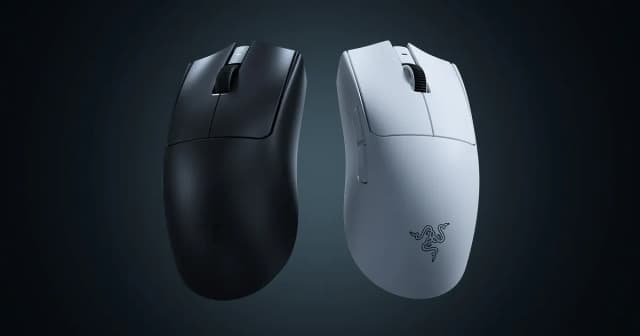
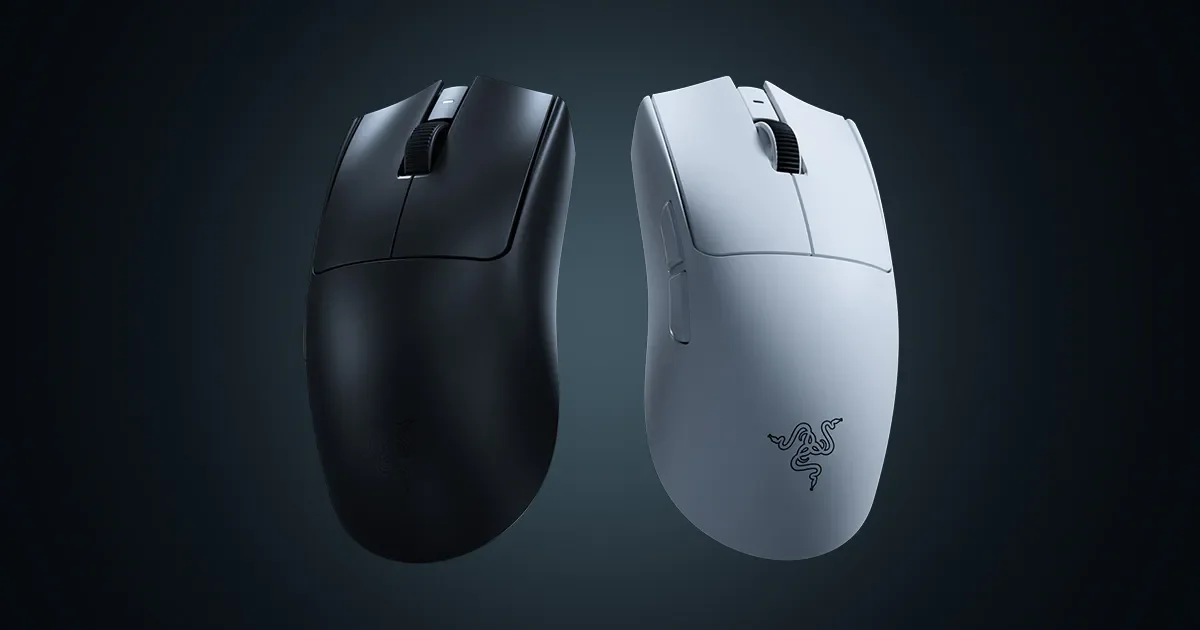
- Best ValueRazer Viper V4 ProWhy we picked it →
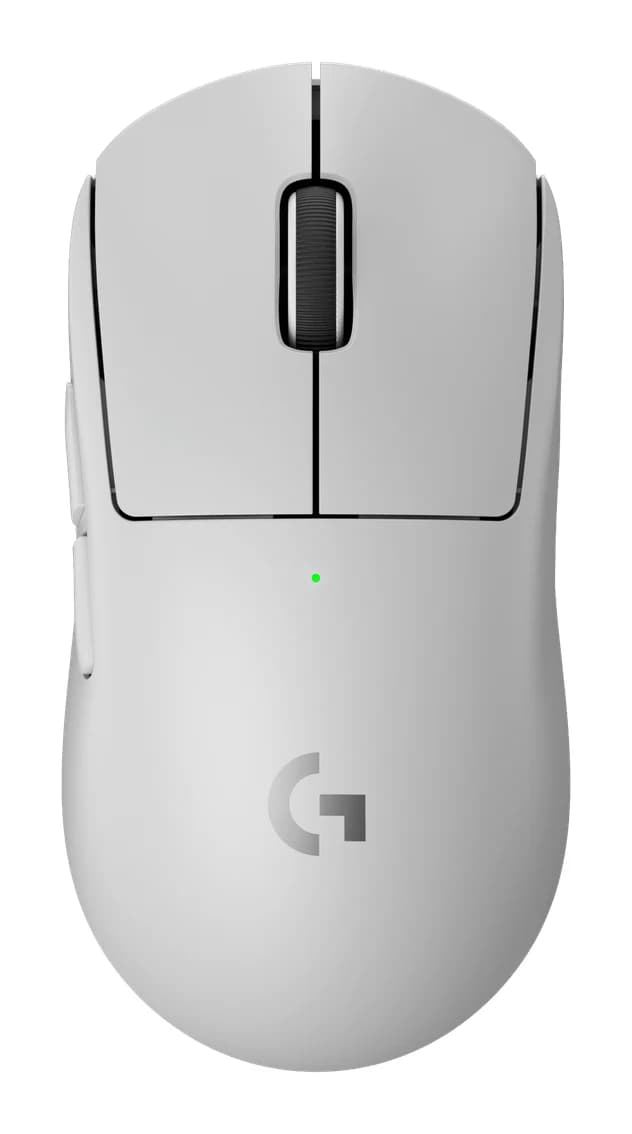
- Best BudgetLogitech G PRO X Superlight 2Why we picked it →
Frequently asked questions
Is the Logitech G PRO X2 SUPERSTRIKE worth it?
For competitive FPS players who will tune the actuation and reset points, reviewers think so: it averages 9.1/10 across 5 expert reviews. If you won't adjust the settings, or you want Bluetooth or the lightest possible mouse, it is harder to justify, and reviewers call the price high.
Does the G PRO X2 SUPERSTRIKE support Bluetooth?
No. It connects via LIGHTSPEED 2.4 GHz wireless or wired over USB-C. There is no Bluetooth.
What is HITS on the SUPERSTRIKE?
HITS stands for Haptic Inductive Trigger System. It replaces conventional microswitches in the main buttons. Logitech claims it cuts click latency by up to 30 ms, and it allows ten actuation points and five rapid-trigger reset points per main key.
How long does the SUPERSTRIKE battery last?
Logitech rates it at up to 90 hours. Real-world runtime will vary with how you use it, for example your polling rate.
Does it support 8000 Hz polling?
Yes, over LIGHTSPEED wireless it supports up to 8000 Hz (0.125 ms). Wired over USB-C, the maximum report rate is 1000 Hz (1 ms).
How heavy is the G PRO X2 SUPERSTRIKE?
It weighs 61 g and is based on the Superlight 2 shape. Reviewers note it is slightly heavier than the Superlight 2 and feels a little front-heavy.
Sources
Specs are taken from the manufacturers' official pages; expert recommendations from the publications below.
- Logitech G PRO X2 SUPERSTRIKE: logitechg.com, kitguru.net, tweaktown.com, club386.com
Related reviews & guides
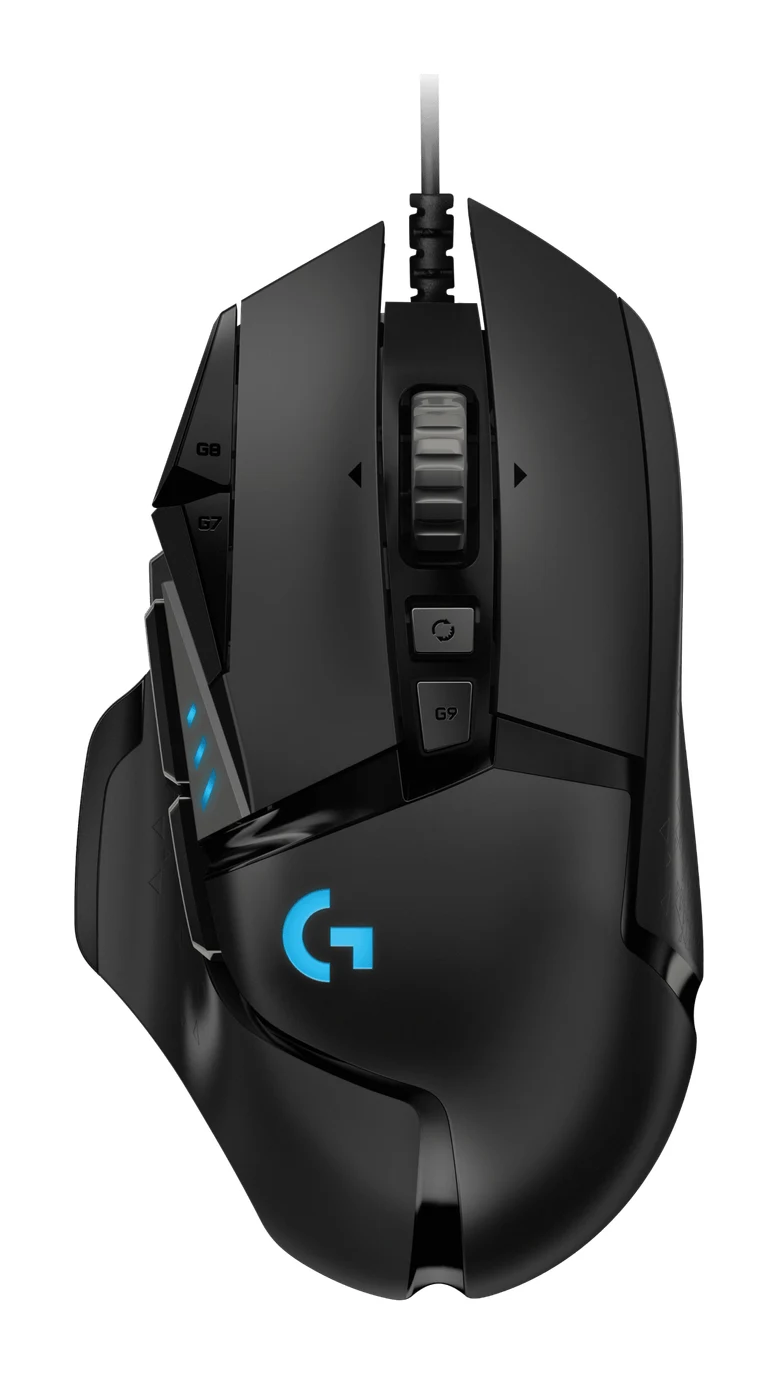
Logitech G502 HERO Review (2026): Heavy but Highly Tunable
A look at the Logitech G502 HERO based on manufacturer specs and expert reviews: its accurate sensor, button count and adjustable weight, plus the weight and shape trade-offs.
Published Oct 29, 2026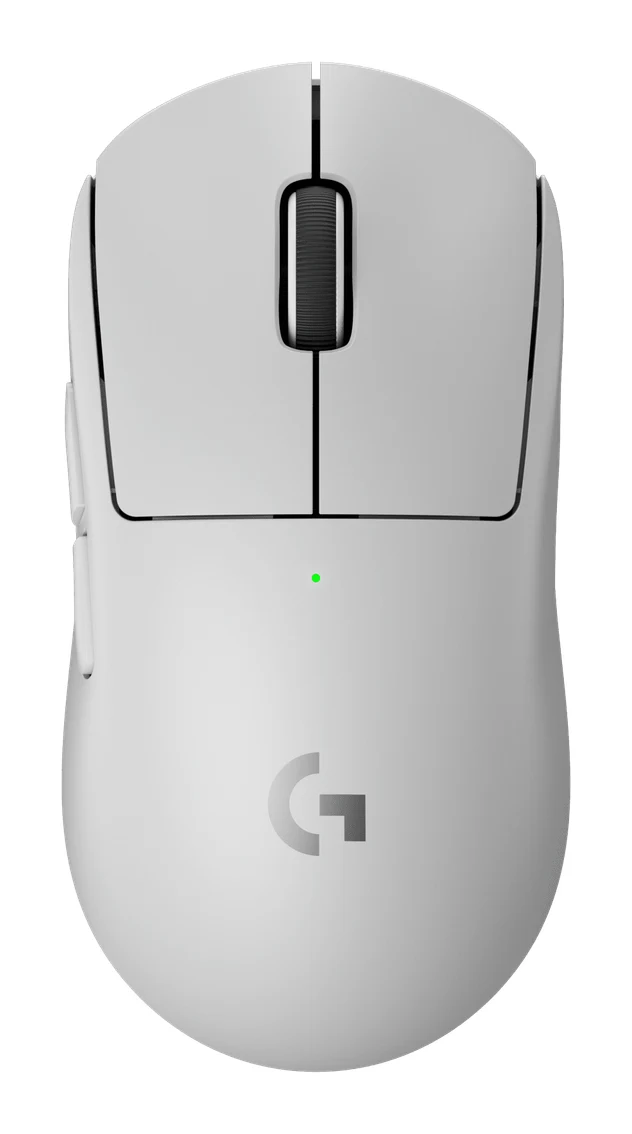
Logitech G PRO X Superlight 2 Review: Light, Fast, Basic
A look at the Logitech G PRO X Superlight 2 from specs and expert reviews: a 60 g wireless esports mouse that is fast and reliable but light on extras.
Published Oct 26, 2026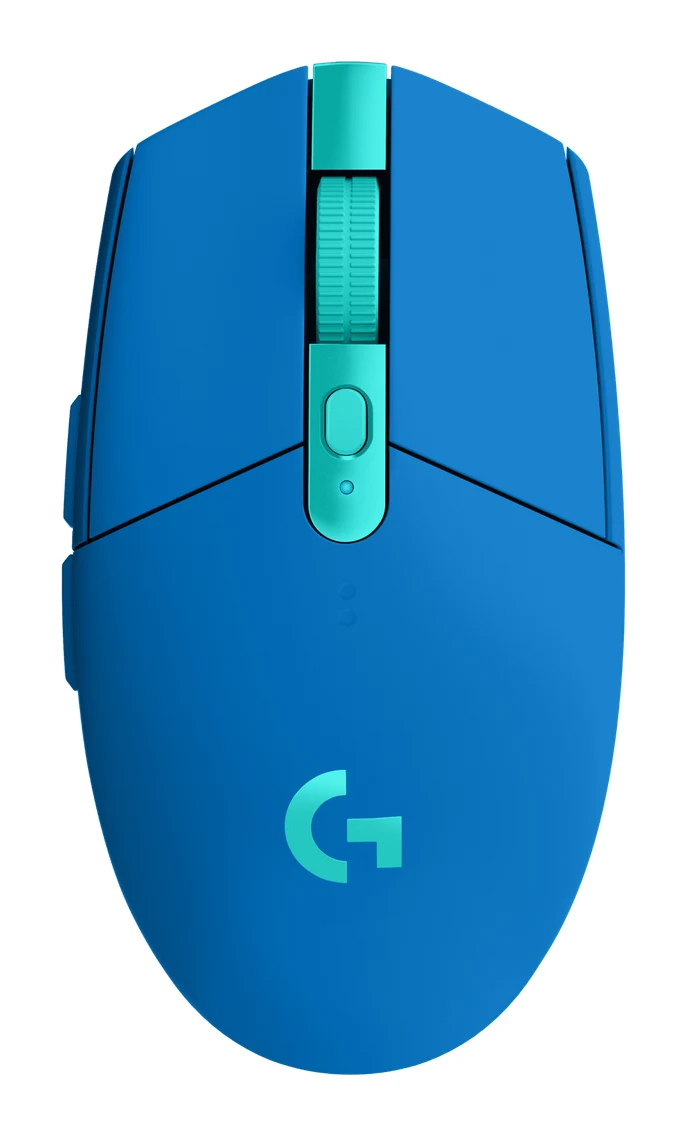
Logitech G305 LIGHTSPEED Review (2026): Long Life on One AA
A Logitech G305 LIGHTSPEED review based on specs and expert reports: a precise HERO sensor, 1 ms wireless and very long AA battery life, held back by weight, shape and no Bluetooth.
Published Oct 22, 2026