NVIDIA GeForce RTX 5080 Founders Edition Review (2026)
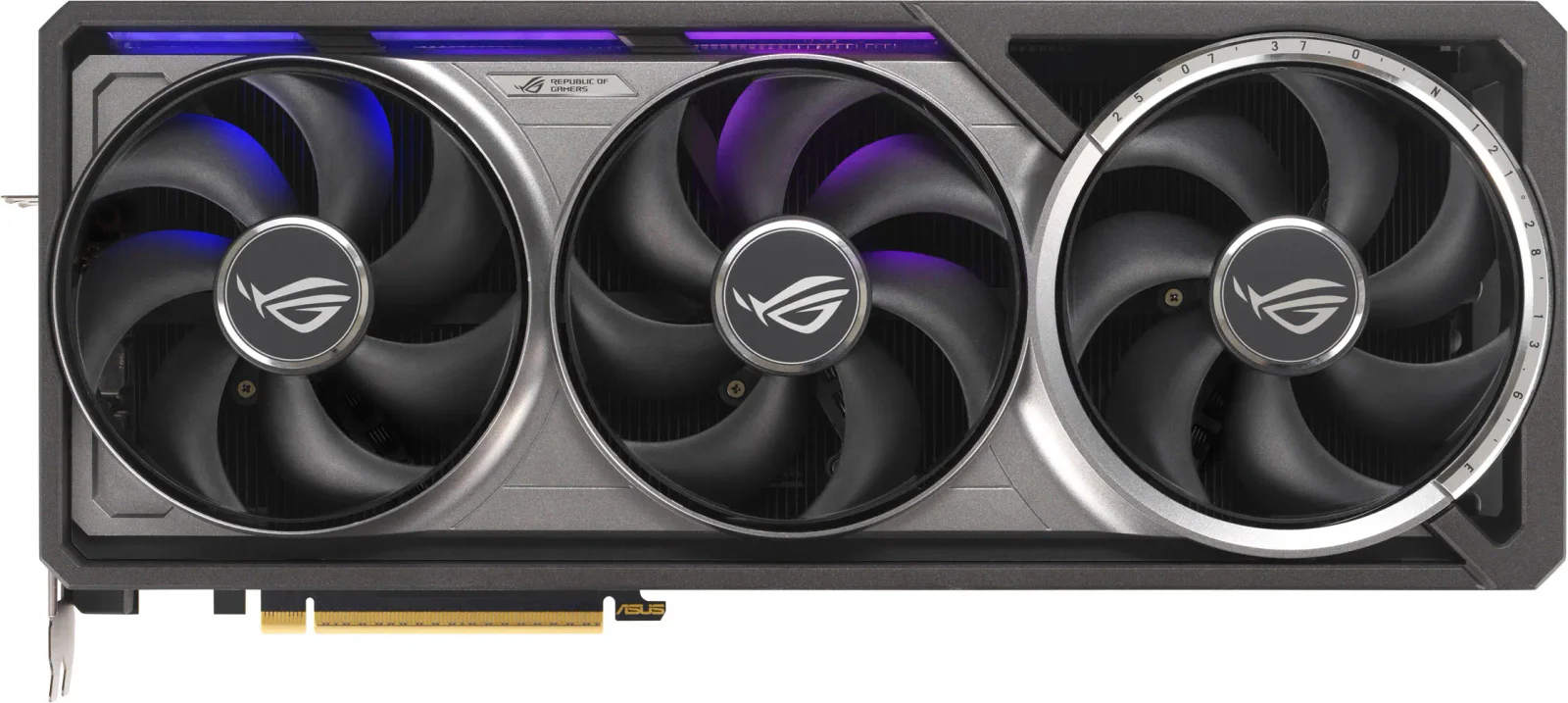
A look at the RTX 5080 Founders Edition: strong 4K gaming, DLSS 4 Multi Frame Generation and a slim 2-slot cooler, plus the limits experts point out.
Research-based · We earn from qualifying purchases
Our verdict
The RTX 5080 Founders Edition is a strong 4K gaming card with a compact cooler and useful DLSS 4 features, best for buyers upgrading from older generations. Owners of an RTX 4080 or 4080 Super should skip it, since the raw gains are modest without DLSS 4.
The good
- Strong 4K gaming performance, close to the RTX 4090 according to reviewers
- DLSS 4 Multi Frame Generation boosts frame rates in supported games
- Slim 2-slot Founders Edition cooler suits compact builds
- 16 GB of fast GDDR7 with 960 GB/s bandwidth
- Ninth-gen NVENC with AV1 helps streaming and video editing
+2 more
- 16 GB of fast GDDR7 with 960 GB/s bandwidth
- Ninth-gen NVENC with AV1 helps streaming and video editing
The bad
- Only a modest gain over RTX 4080 and 4080 Super without DLSS 4
- 16 GB of VRAM is unchanged and may limit top settings
- Multi Frame Generation needs wider game support
- Street prices run well above MSRP
+1 more
- Street prices run well above MSRP
This NVIDIA GeForce RTX 5080 Founders Edition review looks at a card aimed at 4K gamers upgrading from older cards who want a compact GPU. It is built on NVIDIA's Blackwell architecture and pairs 16 GB of GDDR7 memory with a compact 2-slot cooler. It suits 4K gamers upgrading from older cards, especially anyone building a smaller PC. It sits in the mid-range part of the market among the products we compare.
This review is based on manufacturer specifications and what independent expert reviews report. We have not run our own hands-on tests.
NVIDIA GeForce RTX 5080 Founders Edition: specs at a glance
From the manufacturer- Memory
- 16 GB GDDR7
- Base clock
- 2.30 GHz
- CUDA cores
- 10752
- Boost clock
- 2.62 GHz
- AI performance
- 1801 AI TOPS
- Card dimensions
- 304 mm L x 137 mm W, 2-slot
- Display outputs
- 3x DisplayPort, 1x HDMI
- Power connector
- 1x 450 W or higher PCIe Gen 5 cable, or 3x PCIe 8-pin via adapter
- Memory bandwidth
- 960 GB/s
- Memory interface
- 256-bit
- Total graphics power
- 360 W
- Required system power
- 850 W
- Maximum GPU temperature
- 88 C
- Ray tracing performance
- 171 TFLOPS
Key features
- DLSS 4 with Multi Frame Generation for much higher frame rates in supported games
- 16 GB of fast GDDR7 memory for 4K gaming and creative work
- Blackwell architecture with 4th-gen ray tracing cores and 5th-gen Tensor cores
- Compact 2-slot Founders Edition design that is SFF-ready
- DisplayPort 2.1b and HDMI 2.1b outputs, up to 4K at 480Hz or 8K at 165Hz with DSC
- PCIe Gen 5 interface
- Ninth-gen NVENC encoders with AV1 encode and decode for streaming and video editing
- NVIDIA Reflex 2 for low latency
Design and build: a slim Founders Edition
The Founders Edition is NVIDIA's own reference design. Its main selling point is size: the card measures 304 mm long by 137 mm wide and occupies two slots. NVIDIA describes it as SFF-ready, meaning it is meant to fit small-form-factor cases. The slim 2-slot cooler suits compact builds.
The length still needs checking against your case. 304 mm is manageable in many builds, but small cases can have tight GPU clearance, so measure before buying.
Power and cooling requirements
Total graphics power is 360 W, and NVIDIA lists a required system power of 850 W. Keep that in mind if you are upgrading an older machine. The card connects through a single PCIe Gen 5 cable rated 450 W or higher, or through three PCIe 8-pin connectors via an adapter. The maximum GPU temperature is 88 C. Check your power supply against these requirements: the card needs a PCIe Gen 5 cable rated 450 W or higher, or three PCIe 8-pin connectors via an adapter.
Features and what they mean day to day
DLSS 4 and Multi Frame Generation
The headline feature is DLSS 4 with Multi Frame Generation, which NVIDIA says delivers much higher frame rates in supported games. That qualifier matters. Multi Frame Generation boosts frame rates in supported games, but a common criticism is that it needs wider game support. How much you benefit depends on whether the games you play support it. The card also supports NVIDIA Reflex 2 for low latency.
Blackwell architecture and AI hardware
The RTX 5080 uses 4th-gen ray tracing cores and 5th-gen Tensor cores. NVIDIA rates it at 171 TFLOPS of ray tracing performance and 1801 AI TOPS. Those figures are manufacturer numbers, not measured results. In practice they matter for ray-traced games and for AI-driven features such as DLSS. The card has 10752 CUDA cores, a base clock of 2.30 GHz and a boost clock of 2.62 GHz.
Streaming and video editing
The card includes ninth-gen NVENC encoders with AV1 encode and decode. This helps with streaming and video editing. If you record gameplay, stream, or work with video alongside gaming, hardware AV1 support is a useful extra. The 16 GB memory pool is also pitched at creative work as well as gaming.
Performance, memory and connectivity
4K gaming
Experts generally describe the RTX 5080 as a strong 4K gaming card, with some reporting performance close to the RTX 4090. That comparison is the reviewers' own and comes with caveats, covered in the criticisms below.
The memory setup supports the 4K focus. The card has 16 GB of GDDR7 on a 256-bit interface, giving 960 GB/s of bandwidth. High bandwidth helps when feeding a GPU at high resolutions.
Capacity: the 16 GB question
The flip side is capacity. Reviewers note that 16 GB of VRAM is unchanged and may limit top settings. It is a ceiling to keep in mind if you want to run the highest settings.
Ports and display support
The card has three DisplayPort outputs and one HDMI output. The connectors are DisplayPort 2.1b and HDMI 2.1b, supporting up to 4K at 480Hz or 8K at 165Hz with DSC. Few people will use those extremes today, but the outputs support up to 4K at 480Hz or 8K at 165Hz with DSC. The PCIe Gen 5 interface rounds out the platform support.
What experts like and what they criticise
The published scores are positive but not glowing. The card averages 7.8/10 across 4 expert reviews. TechRadar gives it 4.5/5, Tom's Hardware 3.5/5, PCGamesN 8/10 and TechSpot 70/100.
Reviewers praise:
- Strong 4K performance, with some pointing to the RTX 4090 as a reference
- The frame-rate lift from DLSS 4 Multi Frame Generation in supported games
- The slim 2-slot Founders Edition cooler
- The fast GDDR7 memory
- The ninth-gen NVENC encoders with AV1 for streaming and editing
A common criticism is:
- Without DLSS 4, the gain over the RTX 4080 and 4080 Super is only modest
- 16 GB of VRAM is unchanged and may limit top settings
- Multi Frame Generation needs wider game support
- Street prices run well above MSRP
The last point is worth stressing. Street prices run well above MSRP, so check current retailer prices before deciding.
Who should buy the RTX 5080 Founders Edition
- Upgraders from older generations. If you are upgrading from an older card rather than an RTX 4080 or 4080 Super, the DLSS 4 features and strong 4K performance are where this card makes the most sense.
- 4K gamers. The memory bandwidth, the rated ray tracing performance and the high-refresh display outputs all point to high-resolution gaming.
- Compact PC builders. The 2-slot design and 304 mm length make it an option for smaller cases, provided your power supply and clearance check out.
- Streamers and video editors. AV1 encode and decode in the ninth-gen NVENC encoders is a practical bonus alongside gaming.
Who should skip it
- RTX 4080 and 4080 Super owners. Reviewers say the raw gain over those cards is modest without DLSS 4, so the upgrade is hard to justify unless you value Multi Frame Generation highly.
- Players of games without DLSS 4 support. Much of the headline benefit depends on supported titles.
- Anyone with a weak power supply or a very tight case. The 850 W system power requirement and the physical size are real constraints.
- Buyers who want more VRAM headroom. If you routinely push the highest settings and want to keep the card for many years, 16 GB may feel limiting.
How it fits against the rest of its category
The RTX 5080 sits in the mid-range among the cards we compare. It is positioned for high-resolution gaming. Its appeal comes from its compact design and DLSS 4 features. If you are still comparing options, see our guide to the best graphics cards for gaming PCs.
Verdict
The RTX 5080 Founders Edition is a capable, well-featured 4K card. Its slim cooler and DLSS 4 support are the clearest reasons to choose it. Its limits are just as clear: the gain over the previous tier depends heavily on game support for DLSS 4, 16 GB of VRAM is not a step forward, and pricing above MSRP can blunt the appeal. Match it to your upgrade path. If you are coming from an older card, it is a strong 4K gaming card, and the DLSS 4 features add to it in supported games. If you already own an RTX 4080 or 4080 Super, you can reasonably skip it.
Related buying guides
- Best Mini PC in 2026: Small, Quiet Desktops for Work
- Best Prebuilt Gaming PCs 2026: Ready to Play or Upgrade
- Apple Mac mini (M4 Pro, 2024) Review: Small, Fast, Port-Rich
- Lenovo Legion Tower 5i Gen 10 (Intel) Review: Upgrade-Ready
- Best E-Ink Writing Tablets 2026: Color, Paper Feel & Value
- Best Portable Photo Printers 2026: Instant, Sticker & Wide
- Best NAS Devices for Home 2026: Backup, Media & Growth
Not sure about the NVIDIA GeForce RTX 5080 Founders Edition? Consider these
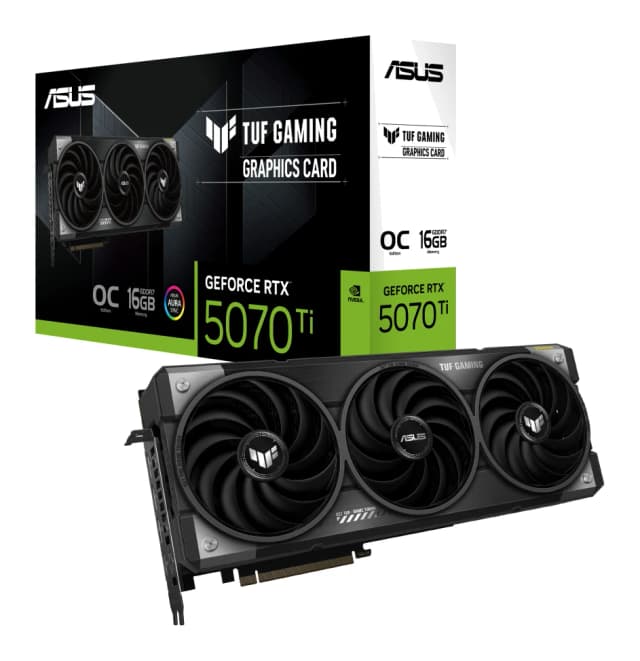
- Best OverallASUS TUF Gaming GeForce RTX 5070 Ti 16GB GDDR7 OC EditionWhy we picked it →
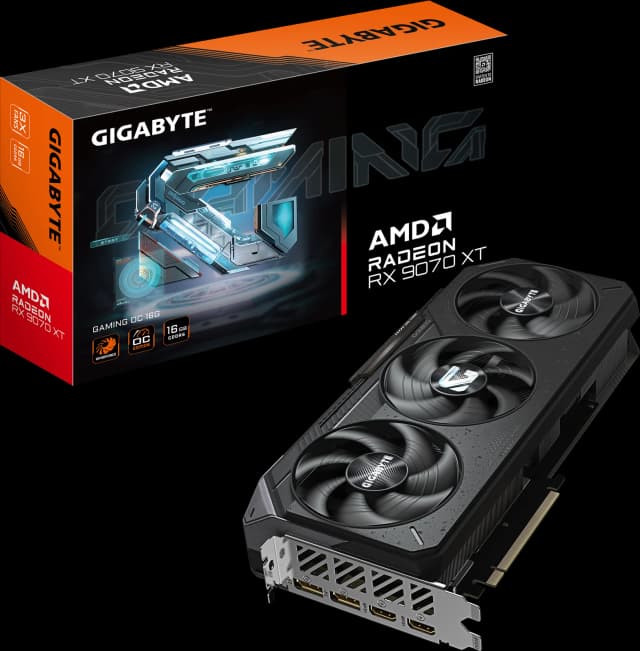
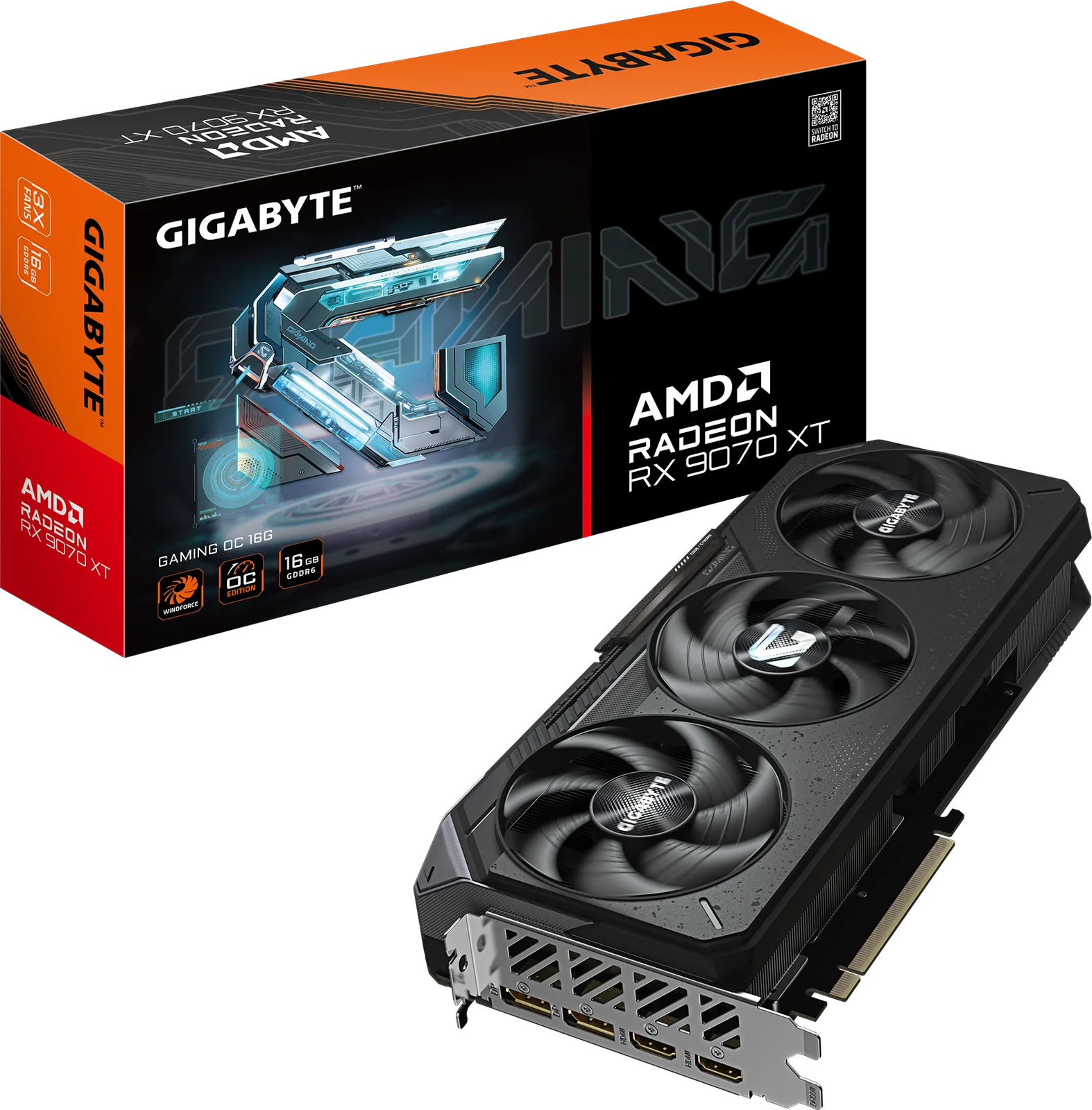
- Best ValueGIGABYTE Radeon RX 9070 XT Gaming OC 16GWhy we picked it →
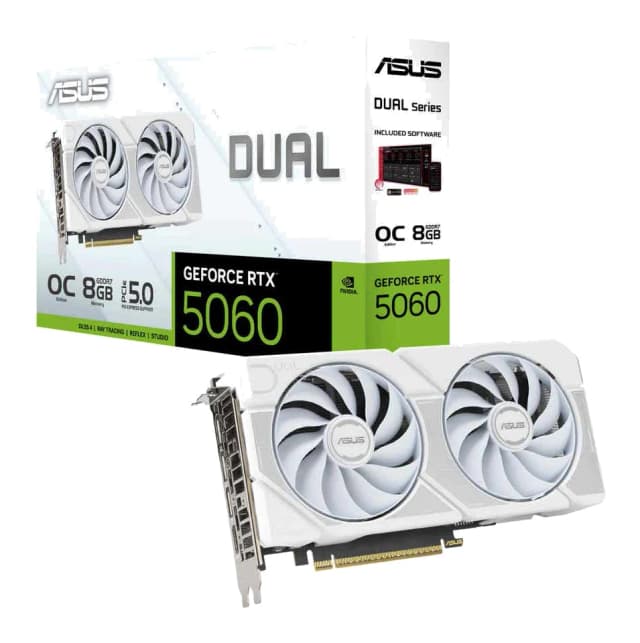
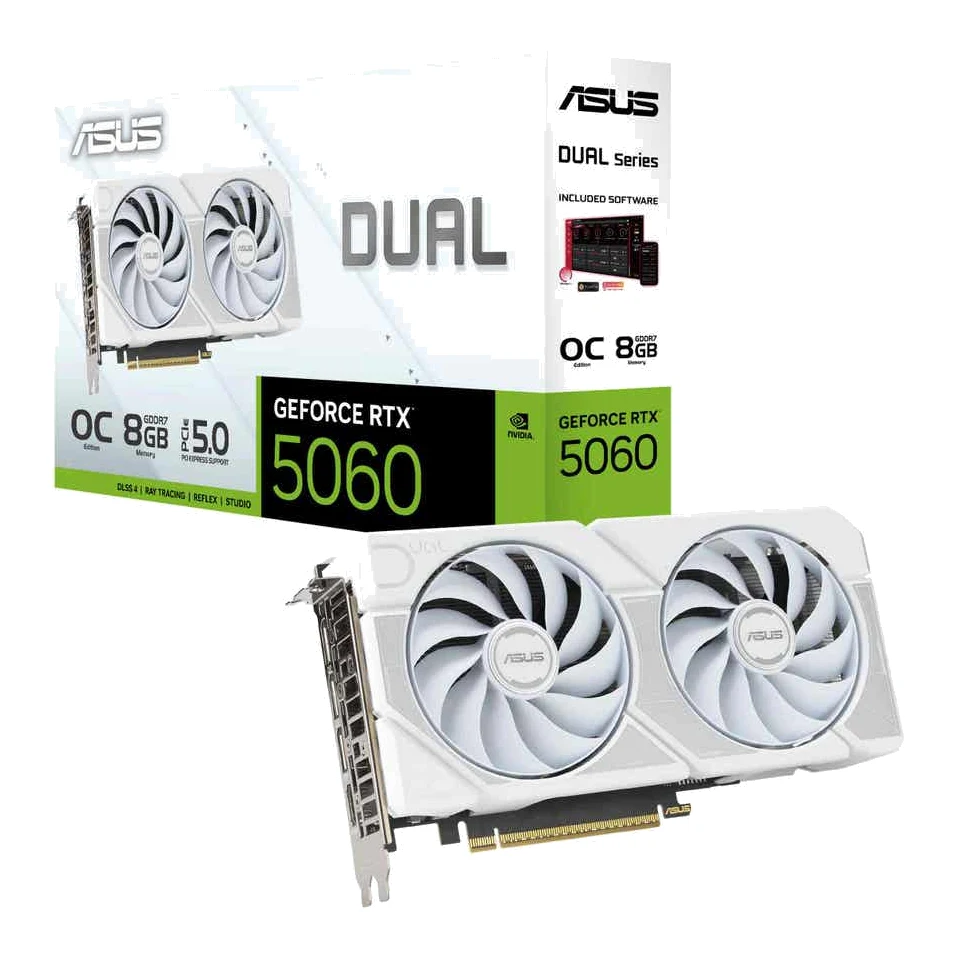
- Best BudgetASUS Dual GeForce RTX 5060 8GB GDDR7 OC EditionWhy we picked it →
Frequently asked questions
Is the RTX 5080 Founders Edition worth it?
It is worth considering if you are upgrading from an older graphics card and want strong 4K gaming and DLSS 4 features. It averages 7.8/10 across 4 expert reviews. Reviewers say the gain over the RTX 4080 and 4080 Super is modest without DLSS 4, so owners of those cards have less reason to upgrade.
How much VRAM does the RTX 5080 have?
It has 16 GB of GDDR7 memory on a 256-bit interface, with 960 GB/s of memory bandwidth. Reviewers note that the 16 GB capacity is unchanged and may limit the very highest settings in demanding games.
What power supply does the RTX 5080 Founders Edition need?
NVIDIA lists a required system power of 850 W, and the card's total graphics power is 360 W. It connects via one PCIe Gen 5 cable rated 450 W or higher, or three PCIe 8-pin connectors via an adapter.
Does the RTX 5080 support DLSS 4 and Multi Frame Generation?
Yes. DLSS 4 with Multi Frame Generation is one of its headline features, and it can lift frame rates a lot in supported games. A common criticism is that the feature needs wider game support, so the benefit depends on which games you play.
Will the RTX 5080 Founders Edition fit in a small case?
It uses a compact 2-slot design that NVIDIA describes as SFF-ready, and the card measures 304 mm long by 137 mm wide. Check your case's GPU clearance and power supply connectors before buying.
Does the RTX 5080 support AV1 for streaming and video editing?
Yes. It includes ninth-gen NVENC encoders with AV1 encode and decode, which helps with streaming and video editing.
Sources
Specs are taken from the manufacturers' official pages; expert recommendations from the publications below.
- NVIDIA GeForce RTX 5080 Founders Edition: nvidia.com, marketplace.nvidia.com, notebookcheck.net
Related reviews & guides
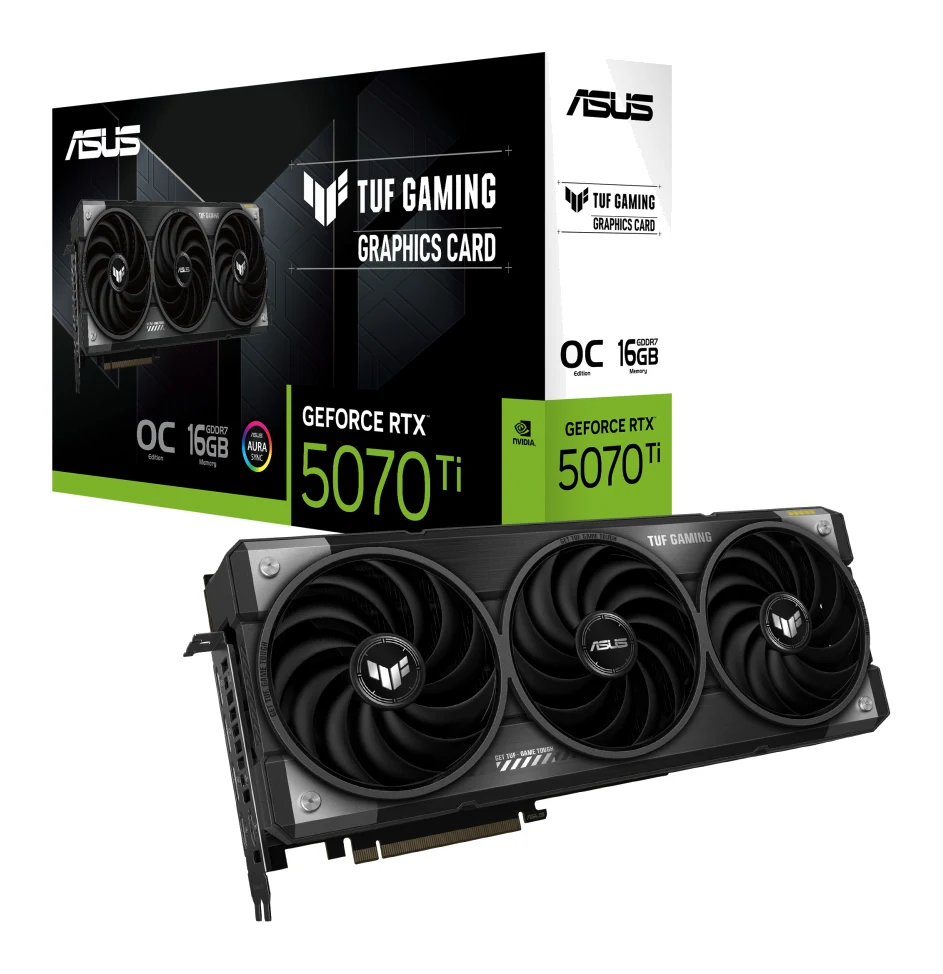
ASUS TUF RTX 5070 Ti OC Review (2026): Quiet but Costly
A look at the ASUS TUF Gaming RTX 5070 Ti OC Edition: a big, tough, quiet-running card for 1440p and capable 4K gaming, with a value catch.
Published Oct 27, 2026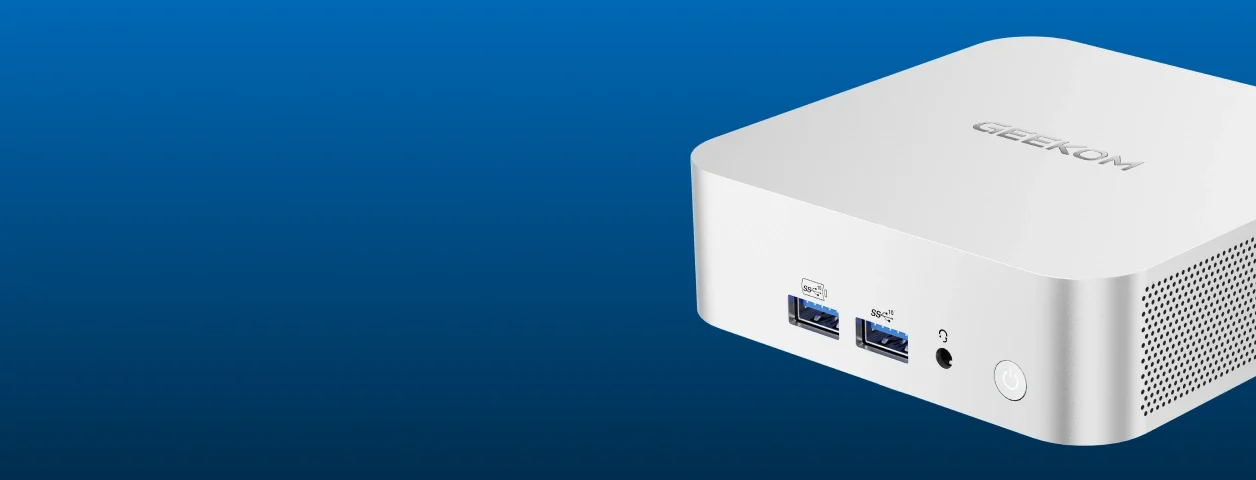
GEEKOM A5 2027 Edition Review (2026): Quiet Office Mini PC
A look at the GEEKOM A5 2027 Edition: a compact, upgradable Ryzen 7 mini PC for quiet office work and multi-monitor desks, plus the limits to know about.
Published Oct 25, 2026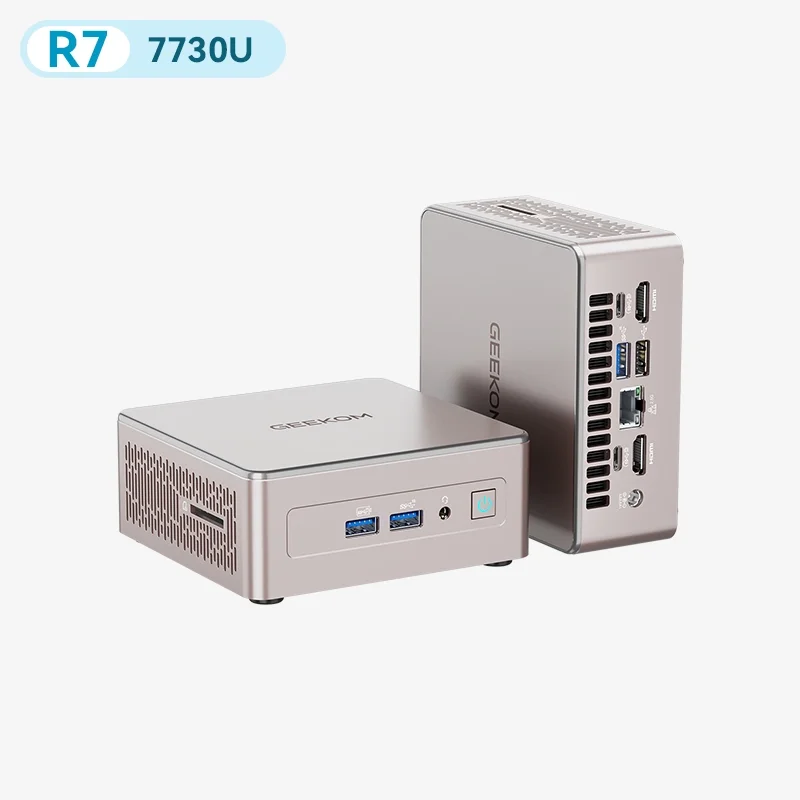
Best Mini PC in 2026: Small, Quiet Desktops for Work
Five compact desktops compared on manufacturer specs and independent expert recommendations, from a quiet all-rounder to budget machines with big upgrade headroom.
Published Oct 17, 2026