Synology DiskStation DS925+ Review (2026): Quiet, No 10GbE
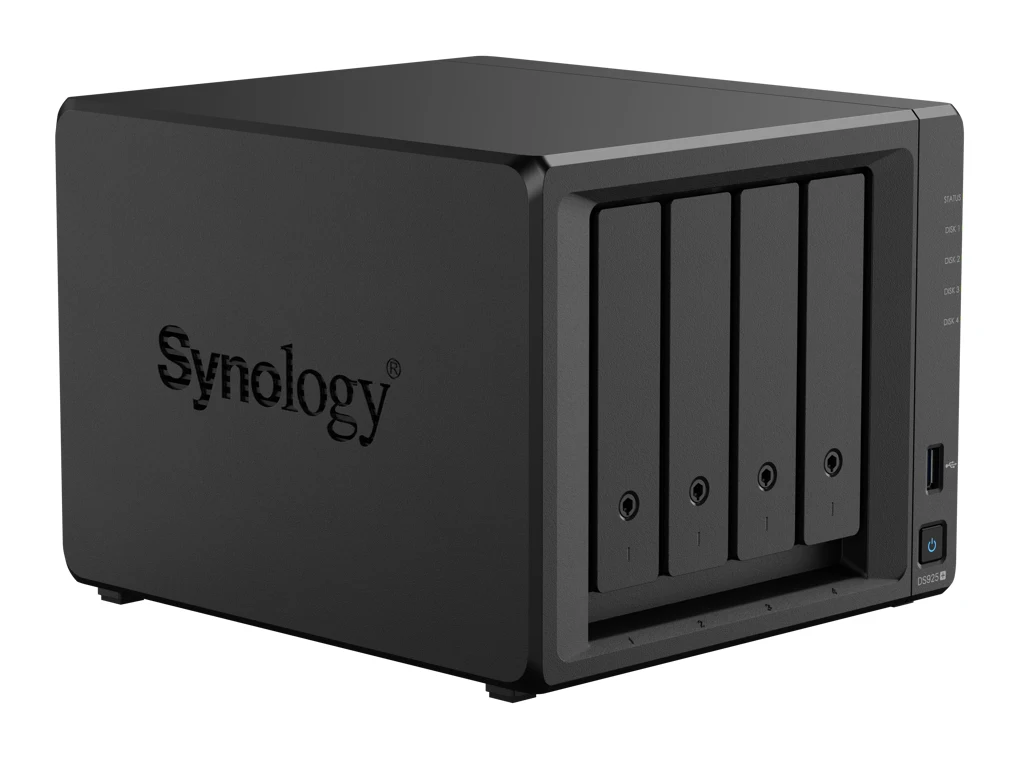
A look at the Synology DS925+, a quiet four-bay NAS with dual 2.5GbE, two NVMe slots and mature DSM software, and where its trade-offs sit.
Research-based · We earn from qualifying purchases
Our verdict
The DS925+ suits home and small-office users who want a quiet, reliable NAS for file sharing, backup and media storage, backed by mature DSM software. Buyers who need 10GbE or Plex transcoding should look elsewhere.
The good
- Dual 2.5GbE ports with link aggregation and SMB multichannel throughput
- Polished DSM software with a large library of apps
- Quiet, cool-running chassis with tool-free drive access
- Four bays plus two M.2 NVMe slots for cache or pools
- Expandable to 9 drives; ECC memory upgradable to 32 GB
+2 more
- Four bays plus two M.2 NVMe slots for cache or pools
- Expandable to 9 drives; ECC memory upgradable to 32 GB
The bad
- No 10GbE upgrade option, a step back from the DS923+
- Older-generation CPU and only 4 GB RAM as standard
- No hardware transcoding, which limits Plex use
- Launch restrictions on non-Synology drives drew criticism, though reportedly later relaxed
+1 more
- Launch restrictions on non-Synology drives drew criticism, though reportedly later relaxed
This synology diskstation ds925+ review looks at a four-bay network-attached storage box aimed at people who want one reliable place for file sharing, backups and media. It runs Synology's DSM software and sits in the mid-range part of the market. It's pitched at home and small-office users rather than power users with demanding network or transcoding needs.
This review is based on Synology's published specifications and on what independent expert reviews report, not on hands-on testing. The question is whether the DS925+ is the right NAS for your setup, and the answer depends heavily on what you plan to ask of it.
Synology DiskStation DS925+: specs at a glance
From the manufacturer- CPU
- AMD Ryzen V1500B, 4 cores / 8 threads, 2.2 GHz
- USB
- 2 × USB 3.2 Gen 1
- Memory
- 4 GB DDR4 ECC SODIMM (1 x 4 GB), 2 slots
- Weight
- 2.26 kg
- Network
- 2 × 2.5GbE RJ-45
- M.2 slots
- 2 × M.2 2280 NVMe SSD
- Drive bays
- 4 × 3.5" SATA HDD or 2.5" SATA SSD
- Noise level
- 20.5 dB(A)
- Expansion port
- 1 × USB Type-C
- Maximum memory
- 32 GB (16 GB × 2)
- Supported RAID
- Synology Hybrid RAID, Basic, JBOD, RAID 0, 1, 5, 6, 10
- Power consumption
- 37.91 watts (Access) / 12.33 watts (HDD Hibernation)
- Maximum single volume
- 200 TB (32 GB memory required); 108 TB otherwise
- Sequential throughput
- Up to 522 MB/s read / 565 MB/s write
- Dimensions (H × W × D)
- 166 mm × 199 mm × 223 mm
- Maximum drive bays with expansion
- 9 (DX525 × 1)
Key features
- Dual built-in 2.5GbE ports with link aggregation for faster, redundant networking
- Quad-core AMD Ryzen V1500B CPU for multi-user file sharing, backup and apps
- 4 hot-swappable bays plus 2 M.2 NVMe slots for SSD cache or storage pools
- Expands to 9 drives with the DX525 expansion unit
- ECC memory, upgradable from 4 GB to 32 GB
- Runs Synology DSM, with built-in file, photo, backup and surveillance software
- Quiet, tool-free chassis with hardware encryption engine
Design and build
The DS925+ is a compact desktop chassis measuring 166 mm × 199 mm × 223 mm and weighing 2.26 kg without drives. That is small enough to sit on a shelf or desk. It holds four 3.5" SATA hard drives or 2.5" SATA SSDs, and the bays are hot-swappable, so a failed drive can be replaced without powering the unit down. Access is tool-free, which makes the initial drive install and later upgrades straightforward.
Noise is a big part of the appeal. Synology rates the unit at 20.5 dB(A), and reviewers praise the quiet, cool-running chassis. That matters if the NAS lives in a living room, home office or small workspace rather than a cupboard or server rack.
Synology lists the power draw as 37.91 watts during access and 12.33 watts when the drives are in HDD hibernation, which suits a box that's meant to stay on all the time.
Performance and hardware
The DS925+ uses an AMD Ryzen V1500B processor with 4 cores / 8 threads at 2.2 GHz. Synology positions it for multi-user file sharing, backup and apps. Reviewers do flag it as an older-generation CPU, so don't expect cutting-edge silicon. For typical home and small-office jobs such as shared folders, scheduled backups and a photo library, the specs point to a capable and sensible fit.
Memory is the other area to watch. The unit ships with 4 GB DDR4 ECC SODIMM (1 x 4 GB) and has two slots, with a maximum of 32 GB (16 GB × 2). ECC memory is a welcome reliability feature at this level. A common criticism, though, is that only 4 GB comes as standard. If you plan to run several apps or heavier workloads, budget for a memory upgrade. A 32 GB configuration is also what unlocks the largest supported single volume size of 200 TB, compared with 108 TB otherwise.
Synology quotes sequential throughput of up to 522 MB/s read and 565 MB/s write. As with any manufacturer figure, treat it as a best-case sequential number rather than what you'll see with every workload.
Storage, M.2 and expansion
Beyond the four main bays, the DS925+ has two M.2 2280 NVMe SSD slots. These can be used for SSD cache or for storage pools, and reviewers like having them. RAID support is broad: Synology Hybrid RAID, Basic, JBOD, RAID 0, 1, 5, 6 and 10. That covers everything from a simple single-drive setup to a protected multi-drive array.
If four bays eventually aren't enough, the unit expands to 9 drives with one DX525 expansion unit, connected through the USB Type-C expansion port. Two USB 3.2 Gen 1 ports are also available for external drives and other peripherals.
Networking: strong for home, limiting for power users
The DS925+ has two 2.5GbE RJ-45 ports with link aggregation, which can provide faster, redundant networking. Reviewers specifically praise the dual 2.5GbE ports and SMB multichannel throughput. Link aggregation is mainly useful when several people or devices hit the NAS at once, and SMB multichannel can help a compatible client make use of more than one connection.
The biggest criticism sits right here: there is no 10GbE upgrade option, which reviewers describe as a step back from the DS923+. If you edit large video files directly from the NAS or move big data sets regularly, that ceiling may be the deciding factor. For everyday file sharing and backups across a typical home or small-office network, 2.5GbE is a reasonable match.
DSM software and features in daily use
The hardware is only half the story. The DS925+ runs Synology DSM, with built-in software for file sharing, photos, backup and surveillance. Reviewers consistently praise DSM as polished and note the large library of apps. For many buyers this is the real reason to choose Synology: the software is mature, and a lot of common jobs are covered without hunting for third-party tools.
A hardware encryption engine is included, which is useful if you're storing sensitive documents or client files.
Media and Plex
A common criticism is the lack of hardware transcoding. Reviewers note this limits Plex use. The DS925+ can still serve as media storage. If real-time transcoding is central to your plans, though, look elsewhere.
Drive compatibility
At launch, Synology's restrictions on non-Synology drives drew criticism from reviewers, though they were reportedly relaxed later. It's worth checking the current drive compatibility list before you buy disks, so you know exactly what is supported.
What experts like and what they criticise
Expert reviews are measured rather than glowing. Dong Knows Tech scores the DS925+ 8/10 and XDA Developers scores it 7/10, an average of 7.5/10 across 2 expert reviews. It is also recommended in one expert buying guide.
What reviewers praise:
- The dual 2.5GbE ports with link aggregation and SMB multichannel throughput.
- Polished DSM software with a large app library.
- A quiet, cool-running chassis with tool-free drive access.
- Four bays plus two M.2 NVMe slots for cache or pools.
- Expansion to 9 drives and ECC memory upgradable to 32 GB.
What they criticise is just as consistent: no 10GbE option, an older-generation CPU with only 4 GB of RAM as standard, no hardware transcoding, and the early drive restrictions. The expert scores are 8/10 and 7/10, and reviewers consistently raise these criticisms.
Who should buy it, and who should skip it
Buy it if you're a home or small-office user who wants a quiet, reliable box for file sharing, backup and media storage. It also suits you if you value mature software and a big app library, or if you want room to grow through the M.2 slots, memory upgrades and the DX525 expansion unit. The compact size and low noise make it easy to live with.
Skip it if you need 10GbE for large file transfers, or if Plex transcoding is a priority. Buyers who dislike having to upgrade memory out of the box, or who want to mix and match drive brands without checking compatibility, may also be happier with a different choice.
How it fits in the NAS category
The DS925+'s strengths are its DSM software, quiet running and flexibility, rather than leading-edge networking or processing. If those priorities match yours, it is a sensible mid-range option. If not, compare it with alternatives that offer faster networking or hardware transcoding before you decide.
Verdict
The Synology DS925+ is a well-rounded, quiet NAS built around DSM, one of its strongest assets. Dual 2.5GbE, two NVMe slots, ECC memory and expansion to 9 drives give it plenty of room to grow for home and small-office use. The trade-offs are significant but clear: no 10GbE, older hardware, modest standard memory and no hardware transcoding. Check that those limits don't clash with your plans, and the DS925+ is a dependable place to keep your data.
Related buying guides
- Samsung Portable SSD T9 Review (2026): Fast, Port-Picky
- Best External SSDs of 2026: USB4, Rugged & Encrypted Picks
- Best microSD Cards for Cameras 2026: 4K Speed & Durability
- Best NAS Devices for Home 2026: Backup, Media & Growth
- Corsair EX400U 2TB Review (2026): USB4 Speed, Magnetic Ring
- Lexar SILVER PLUS microSDXC Review (2026): Rugged, Fast
- Best Quiet Keyboard for Office in 2026: Calm Typing at Work
Not sure about the Synology DiskStation DS925+? Consider these
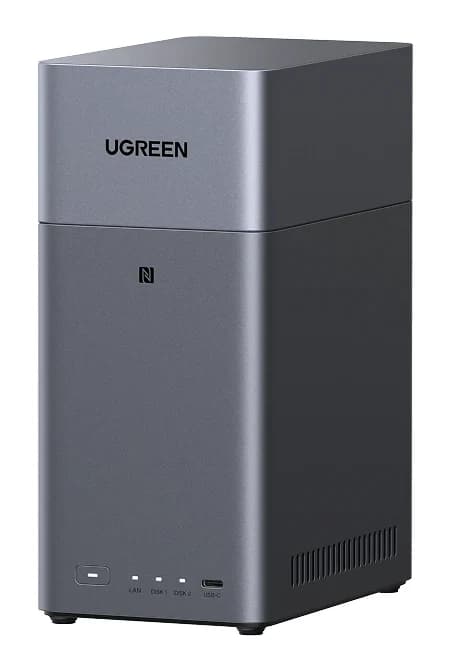
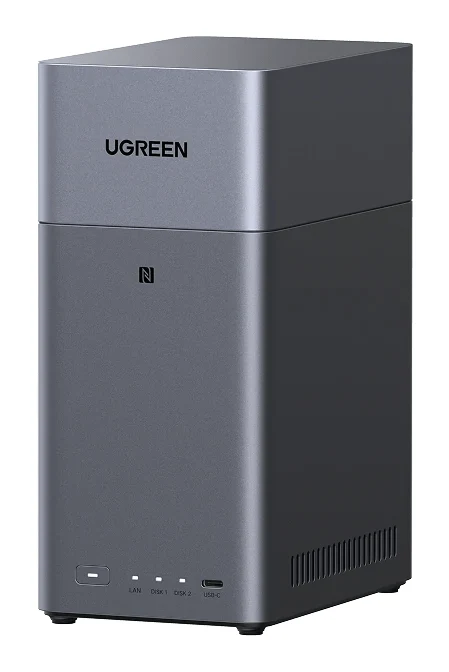
- Best ValueUGREEN NASync DH2300Why we picked it →
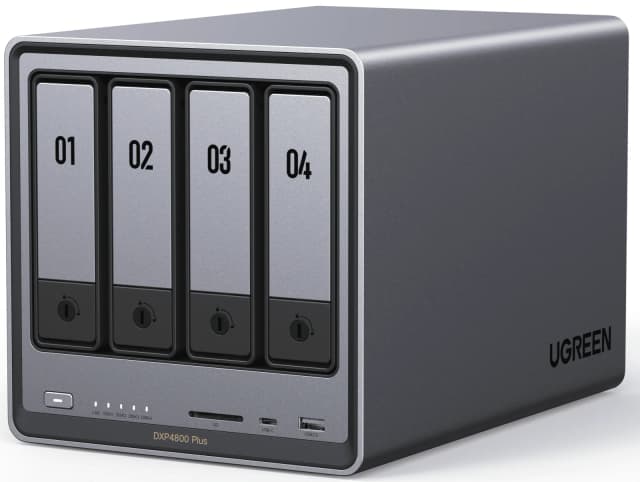
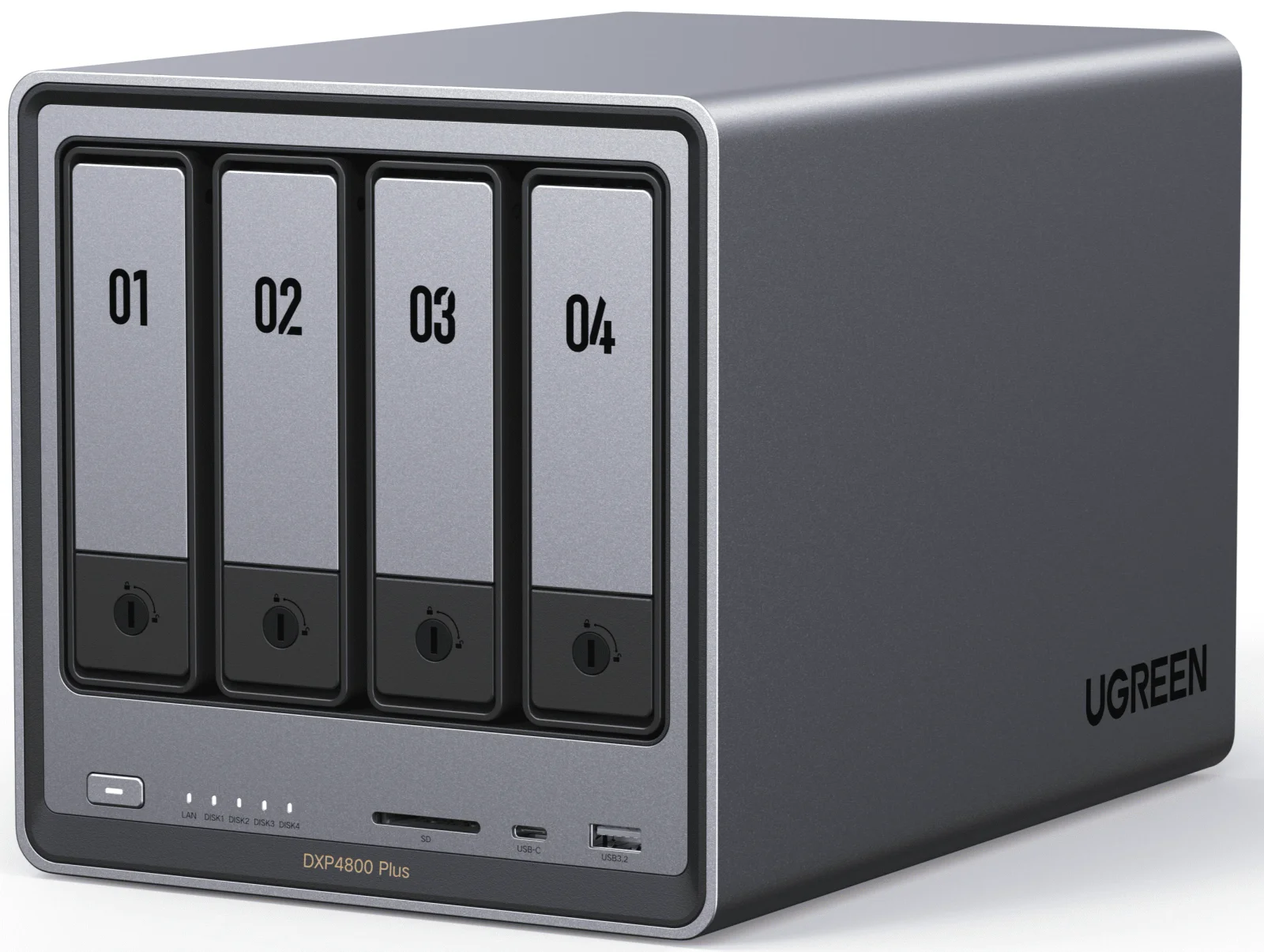
- Also GreatUGREEN NASync DXP4800 PlusWhy we picked it →
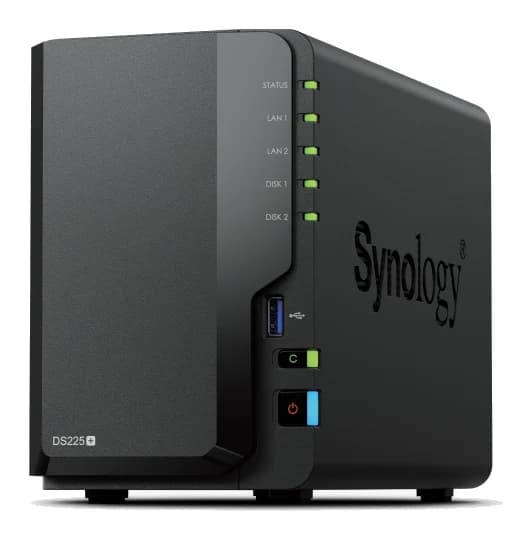
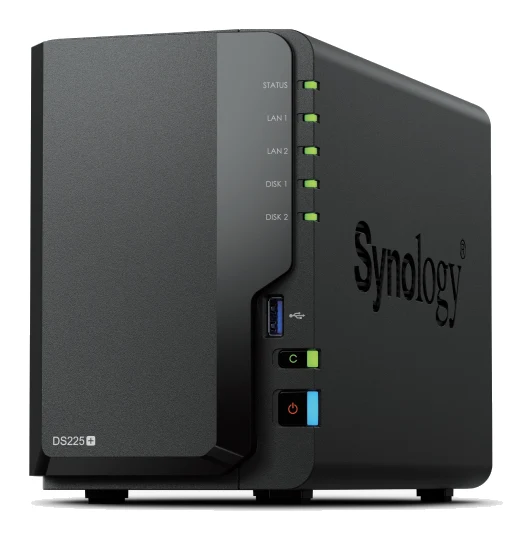
- Best BudgetSynology DiskStation DS225+Why we picked it →
Frequently asked questions
Is the Synology DS925+ worth it?
For home and small-office users who want a quiet, reliable NAS for file sharing, backup and media storage, reviewers consider it a solid choice. It averages 7.5/10 across 2 expert reviews. It is less compelling if you need 10GbE or Plex transcoding.
Does the Synology DS925+ support 10GbE?
No. It has two 2.5GbE RJ-45 ports with link aggregation, and reviewers criticise the absence of a 10GbE upgrade option, noting it is a step back from the DS923+.
Can the DS925+ run Plex?
It can serve as media storage, but it has no hardware transcoding, which reviewers say limits Plex use. If you rely on real-time transcoding, a different NAS may suit you better.
How many drives does the DS925+ support?
It has four hot-swappable bays for 3.5" SATA HDDs or 2.5" SATA SSDs, and it expands to 9 drives with the DX525 expansion unit. It also has two M.2 2280 NVMe slots for SSD cache or storage pools.
Can I upgrade the memory in the DS925+?
Yes. It ships with 4 GB DDR4 ECC memory and has two slots, with a maximum of 32 GB (16 GB × 2). A 32 GB configuration is also required for the maximum single volume size of 200 TB.
Is the Synology DS925+ quiet?
Synology rates its noise level at 20.5 dB(A), and reviewers praise the quiet, cool-running chassis, which makes it suitable for a home or office.
Sources
Specs are taken from the manufacturers' official pages; expert recommendations from the publications below.
- Synology DiskStation DS925+: synology.com, cdw.com, bhphotovideo.com, centralcomputer.com
Related reviews & guides
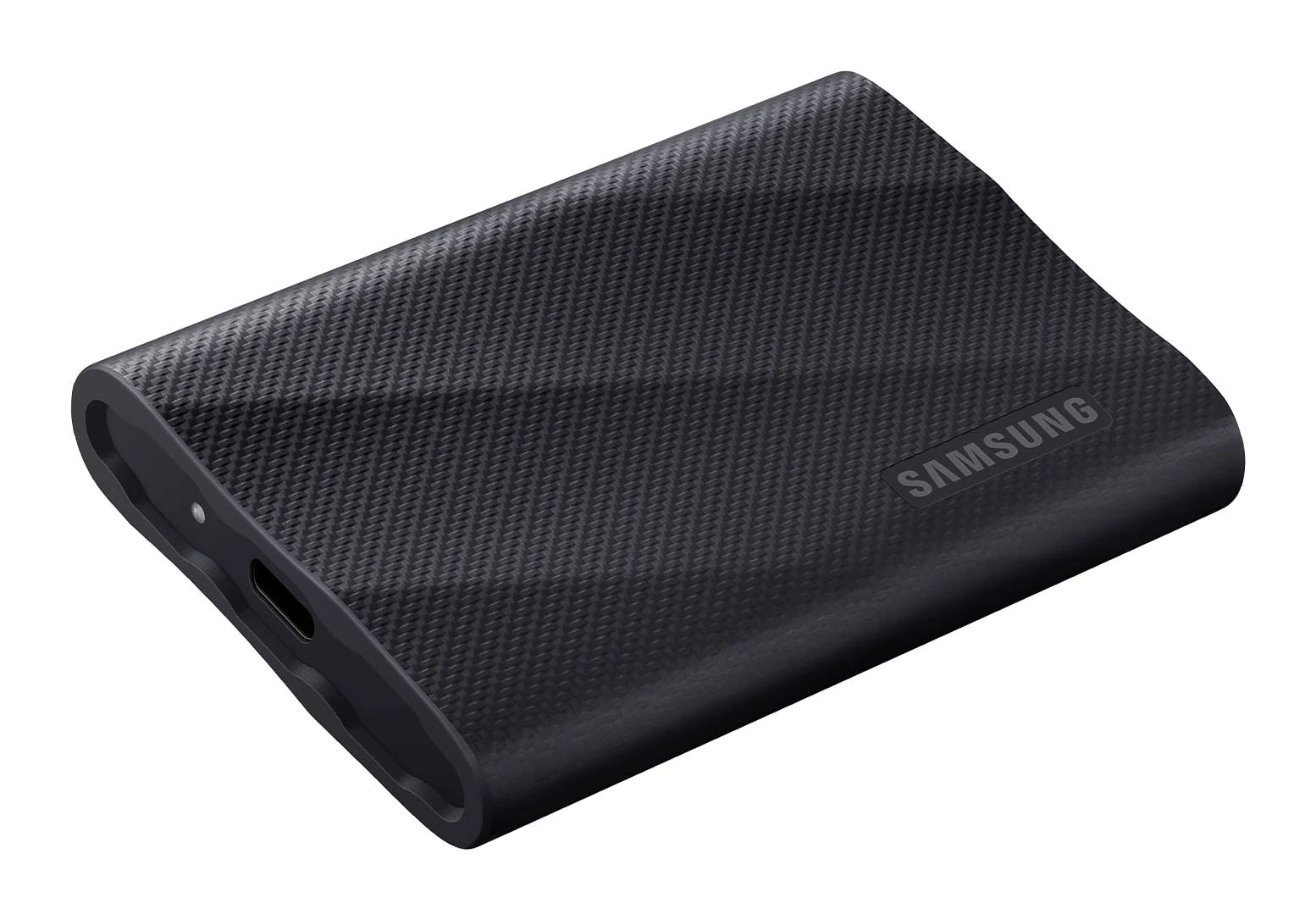
Samsung Portable SSD T9 Review (2026): Fast, Port-Picky
A look at the Samsung Portable SSD T9 based on Samsung's specs and independent expert reviews: 20Gbps speeds, a drop-rated body, encryption and one big catch.
Published Oct 19, 2026
Best External SSDs of 2026: USB4, Rugged & Encrypted Picks
We compared five external SSDs to find the best of 2026. See how Corsair, Samsung, WD and SanDisk stack up on speed, durability, encryption and warranty.
Published Oct 8, 2026Best NAS Devices for Home 2026: Backup, Media & Growth
Five home NAS picks from Synology and UGREEN, compared on bays, networking, memory, noise and who each one suits, from first-time backup to 10GbE media servers.
Published Oct 25, 2026