Unistellar eQuinox 2 Review (2026): Deep Sky, No Eyepiece
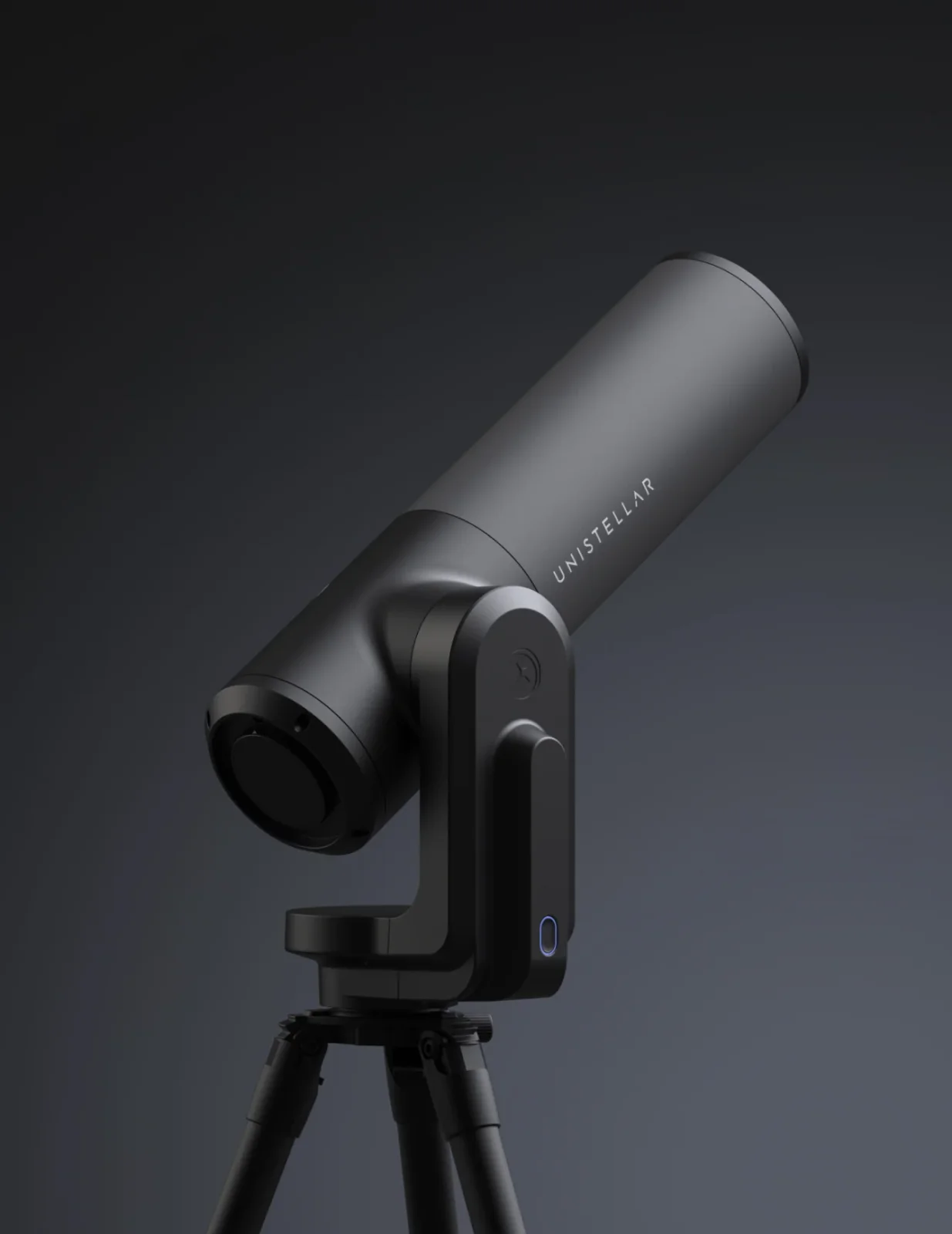
A look at the Unistellar eQuinox 2 smart telescope: how its auto-alignment and live stacking work, what experts praise and criticise, and who it suits.
Research-based · We earn from qualifying purchases
Our verdict
The eQuinox 2 is a well-built, easy-to-use smart telescope that brings deep-sky objects within reach even from light-polluted areas, and it costs much less than the eVscope 2. Skip it if you want a traditional eyepiece, the sharpest possible images, or a budget-friendly first scope.
The good
- Fast automatic alignment finds its position among the stars on its own
- Live stacking reveals faint galaxies and nebulae on your phone or tablet
- Light pollution reduction delivers good deep-sky views from cities and backyards
- Up to 10 people can follow the same observation on their own devices
- Polished free app with 5,000+ objects and citizen science campaigns
+2 more
- Up to 10 people can follow the same observation on their own devices
- Polished free app with 5,000+ objects and citizen science campaigns
The bad
- Expensive compared with regular telescopes
- Images can look slightly soft, and clarity could be better
- Focus and collimation are manual and need occasional adjustment
- Viewing is by phone or tablet only, with no eyepiece
+1 more
- Viewing is by phone or tablet only, with no eyepiece
This Unistellar eQuinox 2 review looks at a telescope built for people who want to see galaxies and nebulae without learning star charts first. Instead of an eyepiece, it pairs a motorised mount with a phone or tablet. It finds its own position under the night sky, points itself at your target and builds up a brighter image over time. It is aimed at beginners, especially people who live under light-polluted skies. This review is based on manufacturer specs and what independent experts report, not on our own hands-on testing.
Unistellar eQuinox 2: specs at a glance
From the manufacturer- Focus
- Manual (Bahtinov mask included)
- Mount
- Motorized Alt-Az
- Storage
- 64 GB
- Dimensions
- 650 × 190 × 230 mm
- Pixel size
- 2.9 µm
- Resolution
- 1.23″
- Collimation
- Manual (tools included)
- Focal ratio
- f/4
- Focal length
- 450 mm
- Field of view
- 34.2 × 45.6 arcmin
- Tripod weight
- 2 kg (4.4 lbs)
- Mirror diameter
- 114 mm
- Battery autonomy
- 11 h
- Telescope weight
- 7 kg (15.5 lbs)
- Limiting magnitude
- 18.2
Key features
- Autonomous Field Detection finds its position among the stars and aligns itself automatically
- Live image stacking shows faint galaxies and nebulae building up on your phone or tablet
- Smart light pollution reduction for use from cities and backyards
- Up to 10 people can follow the same observation on their own phones or tablets
- Free iOS and Android app with 5,000+ objects and a virtual joystick for manual steering
- Citizen science campaigns with NASA and the SETI Institute
- Premium full-height tripod included
- 64 GB onboard storage for saved observations
How the eQuinox 2 works
Traditional telescopes ask you to level a tripod, align a finder, hunt for a target and keep nudging the tube as the sky rotates. The eQuinox 2 automates most of that. Its Autonomous Field Detection works out where the telescope is pointing by recognising the stars in front of it, then aligns itself without you entering coordinates. The mount is a motorised Alt-Az design, so once it knows where it is, it can slew to objects from the app's catalogue.
The viewing experience is also different. The telescope captures light and shows the result on your phone or tablet. Live image stacking means faint galaxies and nebulae gradually build up on screen rather than appearing all at once. In practice you point, wait and watch the detail improve. That suits people who want the wow factor of deep-sky objects but have little patience for setup.
Unistellar eQuinox 2 review: design and build
The optics are a 114 mm mirror with a 450 mm focal length at f/4. The field of view is 34.2 × 45.6 arcmin, wide enough to frame a range of deep-sky targets. The resolution figure is 1.23″, and the sensor's pixel size is 2.9 µm. The spec sheet also gives a limiting magnitude of 18.2. In general terms, a higher limiting magnitude means the instrument can reveal fainter objects. Treat that as a manufacturer figure rather than a guarantee of what you will see from your own backyard.
The telescope weighs 7 kg (15.5 lbs) and measures 650 × 190 × 230 mm. The premium full-height tripod is included and weighs 2 kg (4.4 lbs). It is a single-box setup rather than something you assemble from separate parts. The telescope weighs 7 kg (15.5 lbs) and the tripod 2 kg (4.4 lbs), so keep the weight in mind if you plan to carry it to a dark-sky site.
Focus and collimation are both manual. A Bahtinov mask comes in the box to help with focusing, and collimation tools are included. This is a more hands-on design than a fully automated scope. It keeps some of the tinkering of traditional astronomy, and it gives you the means to correct things yourself. It also means the "point and watch" experience is not entirely hands-off. We come back to that in the criticisms below.
Features and what they mean day to day
Light pollution reduction
The smart light pollution reduction is probably the headline feature for city dwellers. Deep-sky objects are faint, and streetlights wash them out. The eQuinox 2 has smart light pollution reduction, and reviewers say it delivers good deep-sky views from cities and backyards. That is the core of its appeal.
Sharing a session
Up to 10 people can follow the same observation on their own phones or tablets.
The app and citizen science
The free iOS and Android app includes 5,000+ objects and a virtual joystick for steering the telescope manually when you want to explore beyond the catalogue. Reviewers call the app polished. Unistellar also runs citizen science campaigns with NASA and the SETI Institute, so you can contribute observations rather than only look. That gives the hobby a purpose beyond pretty pictures, though how much it matters depends on your interests.
Saved observations
The telescope has 64 GB of onboard storage for saved observations, so you can keep what you capture and revisit it later.
Battery and practicalities
Battery autonomy is listed at 11 h. There is no eyepiece, so the phone or tablet is the only way to view. Make sure your device is charged as well, since it is the screen, the controller and the way you share the session.
What experts like and what they criticise
The eQuinox 2 averages 8.2/10 across 5 expert reviews. Sky at Night Magazine, Space.com and Live Science each score it 4.5/5, Gizmodo gives it 4/5, and Trusted Reviews scores it 3/5. One independent expert guide also recommends it. The spread is worth noting: most reviewers are enthusiastic, and one is far more reserved.
What reviewers praise most consistently:
- The fast automatic alignment, which finds its position among the stars on its own.
- Live stacking that reveals faint galaxies and nebulae on a phone or tablet.
- Good deep-sky views from cities and backyards thanks to the light pollution reduction.
- The ability for up to 10 people to follow the same observation.
- A polished free app with 5,000+ objects and citizen science campaigns.
A common criticism is cost relative to a regular telescope. It is expensive compared with regular telescopes. Reviewers also say images can look slightly soft and that clarity could be better. If you hope for razor-sharp detail, you should temper expectations. Manual focus and collimation need occasional adjustment, so the experience is not entirely hands-off. And since viewing is by phone or tablet only, anyone who loves looking through an eyepiece will miss that.
Who should buy it
The eQuinox 2 suits beginners who want easy deep-sky viewing from light-polluted cities. It is also a good fit if you like the idea of sharing the view with family or a group, or of contributing to citizen science. The self-aligning mount removes much of the learning curve that puts new astronomers off. If you want to see what a galaxy or nebula looks like without learning the sky first, this is the kind of telescope designed for that.
Who should skip it
Skip it if you want a traditional eyepiece experience, because there isn't one. Skip it if you want the sharpest possible images, since reviewers report some softness. Also skip it if you want a budget-friendly first scope: a regular telescope costs less, and the manual focus and collimation here mean you will still need to do some adjustment.
How it fits in the smart telescope category
Smart telescopes trade the traditional eyepiece for automation, image processing and screen-based viewing. The eQuinox 2 sits in that group and leans on convenience: self-alignment, live stacking, light pollution reduction and shared viewing. It costs much less than the eVscope 2. The trade-off is that viewing is by phone or tablet only, with no eyepiece.
Verdict
The Unistellar eQuinox 2 makes deep-sky astronomy approachable. Auto-alignment, live stacking, light pollution reduction and a well-regarded app remove most of the barriers that stop beginners. The compromises are real: it is not cheap next to a conventional scope, images can look slightly soft, focus and collimation are manual, and you only view through a screen. If those trade-offs suit you, it is an easy telescope to recommend to a city-based beginner.
Related buying guides
Not sure about the Unistellar eQuinox 2? Consider these
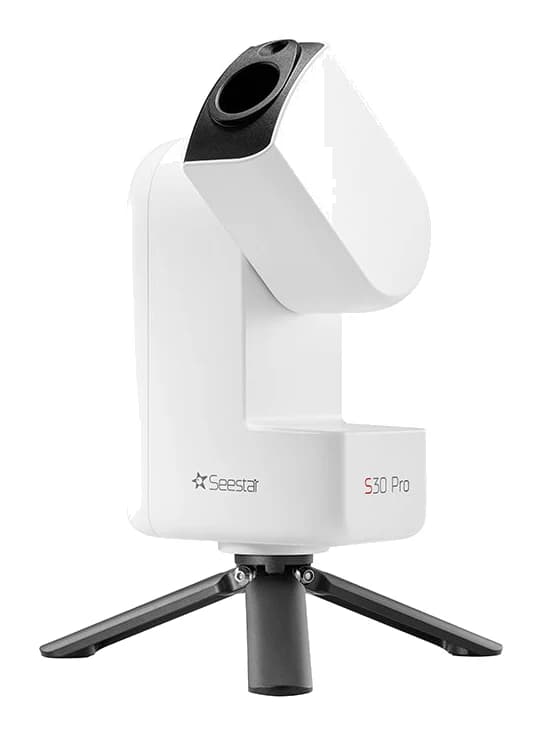
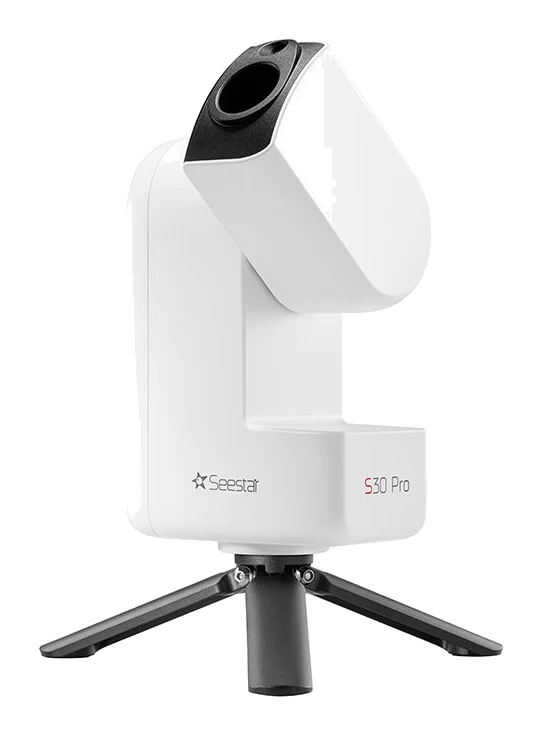
- Best OverallZWO Seestar S30 ProWhy we picked it →
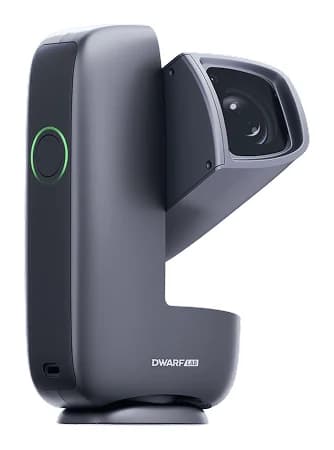
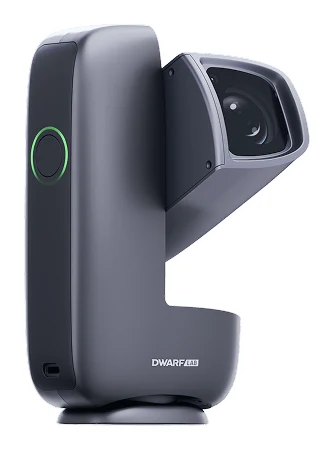
- Best ValueDWARFLAB Dwarf MiniWhy we picked it →
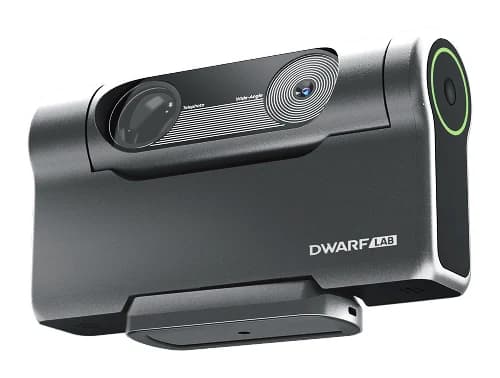
- Best BudgetDWARFLAB Dwarf 3Why we picked it →
Frequently asked questions
Is the Unistellar eQuinox 2 worth it?
It is worth considering if you are a beginner who wants easy deep-sky viewing from a city or backyard. It averages 8.2/10 across 5 expert reviews. It is less compelling if you want an eyepiece, the sharpest possible images or a budget-friendly first telescope.
Does the Unistellar eQuinox 2 have an eyepiece?
No. Viewing is by phone or tablet only. The telescope sends a live, stacked image to your device through the free iOS and Android app.
Can the eQuinox 2 be used in light-polluted cities?
Yes, that is one of its main selling points. It has smart light pollution reduction, and reviewers say it delivers good deep-sky views from cities and backyards.
Do I need to focus and collimate the eQuinox 2 manually?
Yes. Focus and collimation are both manual. A Bahtinov mask is included for focusing, and collimation tools come in the box. Reviewers note that occasional adjustment is needed.
How many people can watch through the eQuinox 2 at once?
Up to 10 people can follow the same observation on their own phones or tablets.
How long does the eQuinox 2 battery last?
The battery autonomy is listed at 11 h. Your phone or tablet needs its own charge for viewing.
Sources
Specs are taken from the manufacturers' official pages; expert recommendations from the publications below.
- Unistellar eQuinox 2: shop.unistellar.com, space.com, livescience.com, astronomics.com
Related reviews & guides
Best Smart Telescopes 2026: Ultra-Portable to Observatory
Five smart telescopes compared, from the 840g Dwarf Mini to the 18.87 kg Celestron Origin Mark II. We cover aperture, sensors, battery, portability and who each one suits.
Published Oct 25, 2026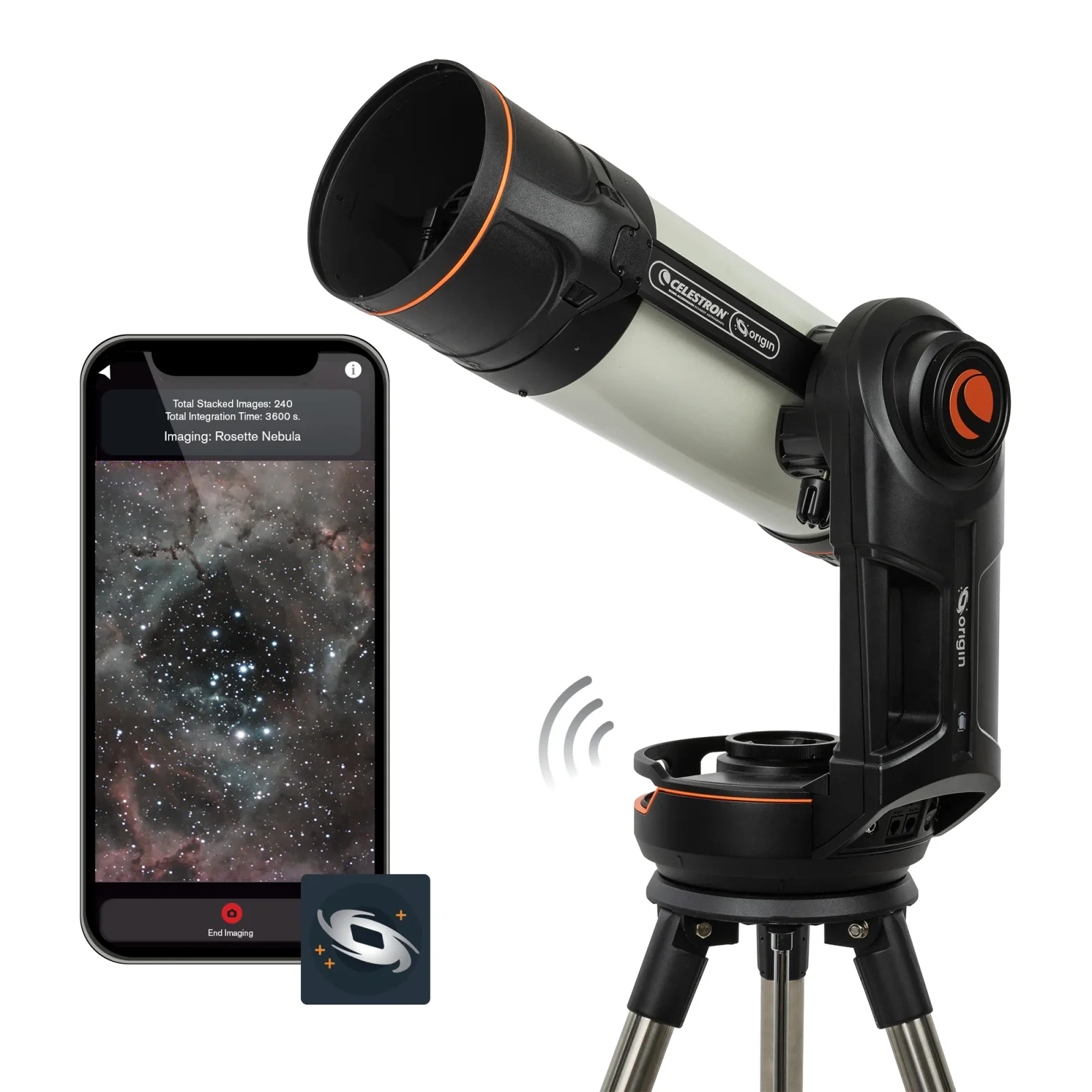
Celestron Origin Mark II Review (2026): Hands-Off Deep Sky
A look at the Celestron Origin Mark II: f/2.2 RASA optics, StarSense auto-setup, live AI stacking and an integrated battery, plus what reviewers say about its weight and limits.
Published Oct 25, 2026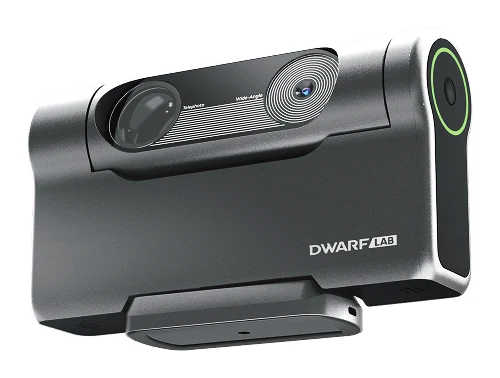
DWARFLAB Dwarf 3 Review (2026): Portable Smart Telescope
The DWARFLAB Dwarf 3 packs two lenses, three built-in filters and app-driven GoTo into a 1.3 kg body. Here is who it suits and where experts say it falls short.
Published Nov 6, 2026