Fujifilm X-T30 III Review (2026): Compact JPEG Machine
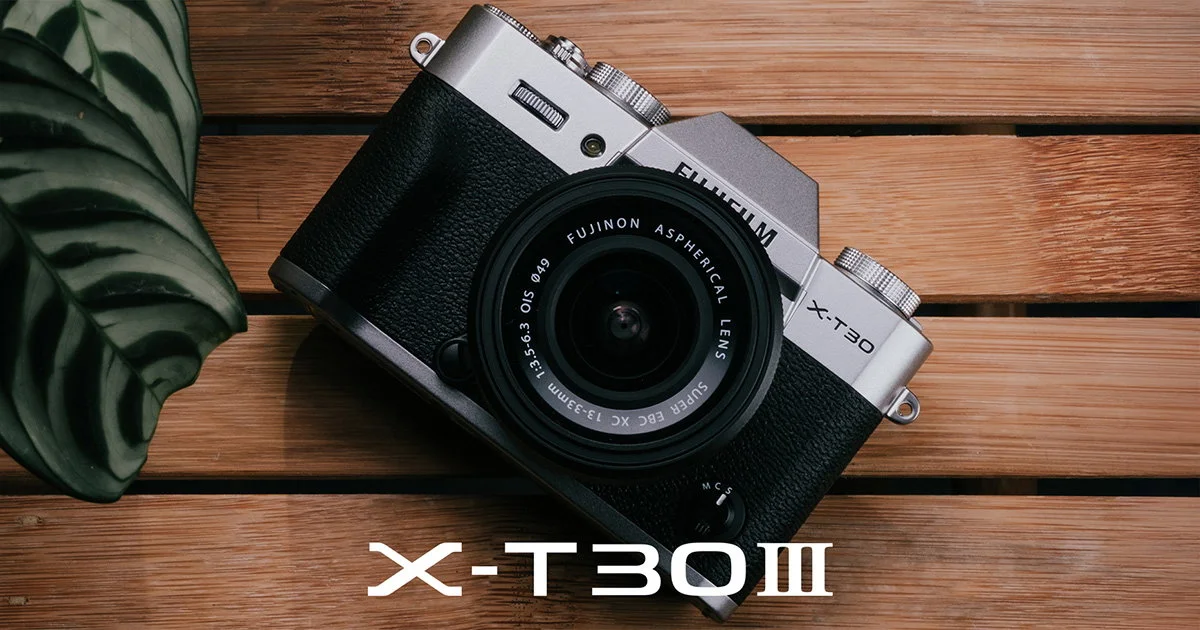
A compact, retro-styled APS-C camera built around Fujifilm's film looks, AI autofocus and capable video. We look at who it suits and where it cuts corners.
Research-based · We earn from qualifying purchases
Our verdict
The X-T30 III suits travelers, street shooters and enthusiasts who want a compact, stylish camera with great straight-from-camera JPEGs and capable video. Skip it if you need in-body stabilization, weather sealing, or a more robust grip and dual-slot setup for demanding work.
The good
- Compact, lightweight 378g body that travels easily
- Film Simulation dial gives pleasing JPEGs straight out of camera
- AI subject-detection autofocus tracks people, animals, birds and cars
- Strong video specs: 6.2K/30p 10-bit, 4K/60p and 1080/240p
- Fast bursts: 20fps electronic and 8fps mechanical
+2 more
- Strong video specs: 6.2K/30p 10-bit, 4K/60p and 1080/240p
- Fast bursts: 20fps electronic and 8fps mechanical
The bad
- No in-body stabilization; digital stabilization only for handheld video
- No weather sealing
- Small controls and shallow grip; no traditional PASM mode dial
- Tilt-only screen and single UHS-I card slot limit vlogging and pro use
+1 more
- Tilt-only screen and single UHS-I card slot limit vlogging and pro use
If you want a camera that feels like a camera but fits in a small bag, this Fujifilm X-T30 III review is for you. It is a compact, SLR-style mirrorless body with an APS-C sensor, a built-in viewfinder and a top-plate dial devoted to Fujifilm's film looks. It is aimed at travelers, street shooters and enthusiasts who care about how a camera looks and handles, and who want good-looking JPEGs without hours of editing.
Fujifilm X-T30 III: specs at a glance
From the manufacturer- Video
- 6.2K/30p 4:2:2 10-bit internal; 4K/60p; FHD up to 240fps
- Sensor
- 23.5mm x 15.6mm (APS-C) X-Trans CMOS 4, 26.1 million effective pixels
- Weight
- 378g (incl. battery and card)
- Storage
- Single SD slot, UHS-I (SDXC up to 2TB)
- ISO range
- 160-12,800 (extended 80-51,200)
- Processor
- X-Processor 5
- Dimensions
- 118.4 x 82.8 x 46.8mm
- Lens mount
- FUJIFILM X mount
- Viewfinder
- 0.39 inch OLED EVF, approx. 2.36 million dots, approx. 100% coverage
- Rear screen
- 3.0 inch tilting touchscreen, approx. 1.62 million dots
- Burst shooting
- 8fps mechanical, 20fps electronic, 30fps electronic with 1.25x crop
- Weather sealing
- None
- Battery life (CIPA)
- Approx. 315 frames Normal mode, approx. 425 frames Economy mode
- Image stabilization
- Digital only (no IBIS)
Key features
- 26.1MP back-illuminated X-Trans CMOS 4 sensor with X-Processor 5 for fast, detailed stills
- Top-plate Film Simulation dial with 20 film looks and three custom FS recipe slots
- AI subject-detection autofocus that tracks people, animals, birds, cars and more
- Internal 6.2K/30p 4:2:2 10-bit video, plus 4K/60p and 1080/240p slow motion
- One-switch AUTO mode for beginners
- Compact classic SLR-style body with built-in EVF and pop-up flash
- Up to 425 frames per charge in Economy mode
- Digital image stabilization for handheld video
What the Fujifilm X-T30 III is
The X-T30 III is a mid-range interchangeable-lens camera on the FUJIFILM X mount. Inside is a 26.1MP back-illuminated X-Trans CMOS 4 sensor paired with the X-Processor 5. The sensor measures 23.5mm x 15.6mm (APS-C). Fujifilm pairs that with AI subject-detection autofocus, a one-switch AUTO mode for beginners, and video specs that include internal 6.2K/30p 4:2:2 10-bit recording.
It is recommended in 2 independent expert guides. Across 5 expert reviews it averages 8.6/10. TechRadar and Stuff each give it 4/5. Digital Camera World, Photography Blog and ePHOTOzine each give it 4.5/5. That is a consistent, positive picture, but the same reviews also flag some real compromises, which we cover below.
Design and build: small, stylish and light
The body measures 118.4 x 82.8 x 46.8mm and weighs 378g with the battery and card installed. Reviewers consistently praise the compact, lightweight body for how easily it travels, and that is the camera's central appeal. It is a classic SLR-style design with a built-in EVF and a pop-up flash, so you are not forced to carry a separate flash or rely on a rear screen in bright light.
The cost of that small size shows in the handling. A common criticism is small controls and a shallow grip. There is also no traditional PASM mode dial, which may frustrate anyone used to switching exposure modes with a single twist. If you have larger hands or plan to use big lenses, it is worth trying the grip in a shop before you commit.
There is no weather sealing either. It matters for anyone who shoots outdoors in poor conditions. If you are planning to shoot in rain or dust, you will want to keep the camera protected.
Viewfinder and screen
The 0.39 inch OLED EVF has approx. 2.36 million dots and approx. 100% coverage, so what you see is what you capture. The rear screen is a 3.0 inch tilting touchscreen with approx. 1.62 million dots. It is useful for low and high angles, but reviewers note that a tilt-only design limits vlogging, because the screen does not flip to face you.
Film Simulation dial: the headline feature
The Film Simulation dial on the top plate is what sets this camera apart. It offers 20 film looks and three custom FS recipe slots. Rather than burying color profiles in a menu, you change the look of your images with a physical dial. For shooters who like to get a finished-looking JPEG in the camera, that is a real day-to-day convenience.
Reviewers praise the pleasing JPEGs straight out of camera, which makes sense given how central the dial is to the design. If you prefer to shoot raw and edit everything yourself, you will still get the 26.1MP sensor's detail. But the dial is the main reason to choose this camera if you want finished-looking JPEGs straight from the camera.
The three custom FS recipe slots let you save your own looks and reach them quickly. That suits a travel or street workflow, where you want to keep shooting rather than keep tweaking settings.
Autofocus and shooting speed
The X-T30 III uses AI subject-detection autofocus that tracks people, animals, birds, cars and more. For an enthusiast camera this broadens what it can handle beyond portraits and street scenes. Reviewers praise the tracking of people, animals, birds and cars, though Fujifilm doesn't publish detail on how it performs in specific scenarios, so we won't claim more than that.
Burst shooting reaches 8fps with the mechanical shutter, 20fps electronic, and 30fps electronic with a 1.25x crop. The crop is the trade-off at the top speed, because you are using a smaller portion of the sensor. For most people the 20fps electronic mode is the more practical option, and it helps with moving subjects and decisive moments.
The ISO range runs from 160-12,800, extending to 80-51,200. As always, the extended settings are there for emergencies rather than everyday use.
Video: strong specs for the size
Video is one of the stronger parts of the spec sheet. The camera records internal 6.2K/30p 4:2:2 10-bit video, and also offers 4K/60p and 1080/240p slow motion. The 10-bit 4:2:2 recording matters if you plan to color grade footage, because it holds more tonal information than 8-bit recording. The 240fps slow motion is a handy creative option for short clips.
There are limits. There is no in-body stabilization, only digital image stabilization for handheld video. Reviewers flag this, and it means handheld footage will lean on the digital system, or on stabilized lenses and a steady technique. The single UHS-I SD slot and the tilt-only screen are also cited as limits for vlogging and professional use. Fujifilm's spec sheet lists SDXC cards up to 2TB, so capacity is not the issue, but there is no second slot for backup.
So the X-T30 III is capable of high-quality video, but it is not a dedicated vlogging machine. It suits someone who wants good video alongside photography rather than someone building a video-first setup.
Battery life and connectivity
The CIPA rating is approx. 315 frames in Normal mode and approx. 425 frames in Economy mode. That is modest, as you would expect from a small body. For a day out, carrying a spare battery is sensible, particularly if you also record video or use the electronic viewfinder heavily. Fujifilm's published details don't include more on connectivity here, so check the manufacturer's page if specific wireless features matter to you.
What experts like and what they criticise
The praise is consistent across the reviews:
- The compact, lightweight 378g body travels easily.
- The Film Simulation dial produces pleasing JPEGs straight from the camera.
- The AI autofocus tracks people, animals, birds and cars.
- The video specs are strong: 6.2K/30p 10-bit, 4K/60p and 1080/240p.
- Fast bursts: 20fps electronic and 8fps mechanical.
The criticisms are just as consistent:
- No in-body stabilization, with digital stabilization only for handheld video.
- No weather sealing.
- Small controls, a shallow grip and no traditional PASM mode dial.
- A tilt-only screen and a single UHS-I card slot, which limit vlogging and professional use.
None of these is a surprise for a camera this small. But they are not minor footnotes if your shooting depends on stabilization, durability or a robust grip.
Who should buy the X-T30 III
This camera suits travelers and street photographers who want something small enough to carry all day. It also suits enthusiasts who enjoy Fujifilm's film looks and want good JPEGs without extensive editing. If you also want capable video in the same body, the specs support that. The one-switch AUTO mode makes it approachable for beginners who want room to grow.
Who should skip it
Skip it if you need in-body stabilization, weather sealing, or a sturdier grip. Anyone doing demanding professional work will also miss a dual-slot setup, since there is only one UHS-I slot. Vloggers should note the tilt-only screen and digital-only stabilization. If your priorities are mostly durability and handling, a larger, more rugged body will likely serve you better.
How it fits in the wider camera market
The X-T30 III sits in the mid-range part of the market. Its appeal is less about chasing the longest spec list and more about style, compactness and a distinctive approach to image looks. It is a camera you choose for how it shoots and feels. If you are still weighing up interchangeable-lens options, our Canon EOS R100 vs Canon EOS R50 comparison covers two other interchangeable-lens cameras.
Verdict
The Fujifilm X-T30 III is a well-reviewed, characterful camera that does a lot in a small body. Its strengths are portability, the Film Simulation dial, AI autofocus, quick bursts and a strong video spec. Its weaknesses are the lack of in-body stabilization and weather sealing, the small controls and the single card slot. If those compromises fit how you shoot, the 8.6/10 expert average points to a well-regarded camera. This review is based on manufacturer specs and what independent experts report, rather than our own hands-on testing.
Related buying guides
Not sure about the Fujifilm X-T30 III? Consider these
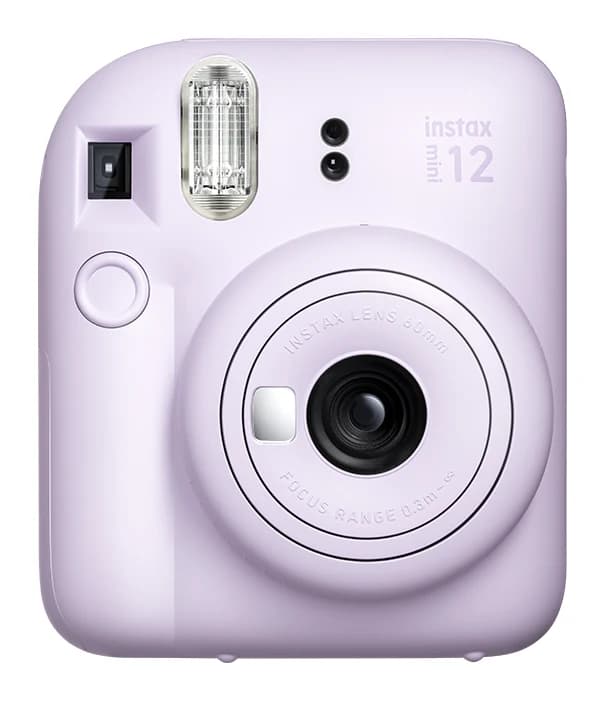
- Best OverallFujifilm Instax Mini 12Why we picked it →
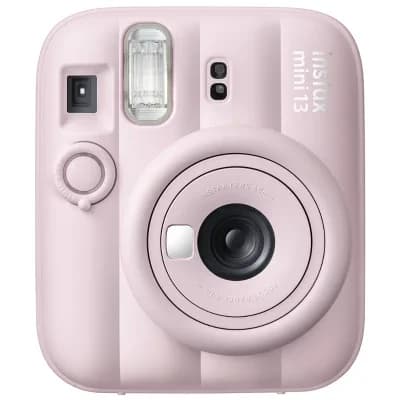
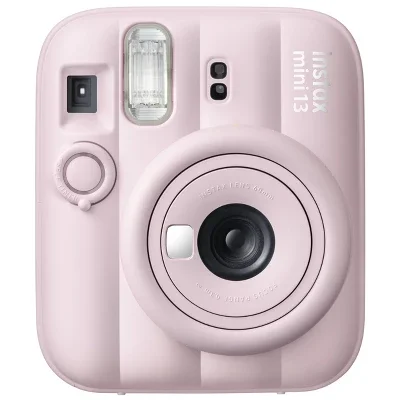
- Best ValueFujifilm Instax Mini 13Why we picked it →
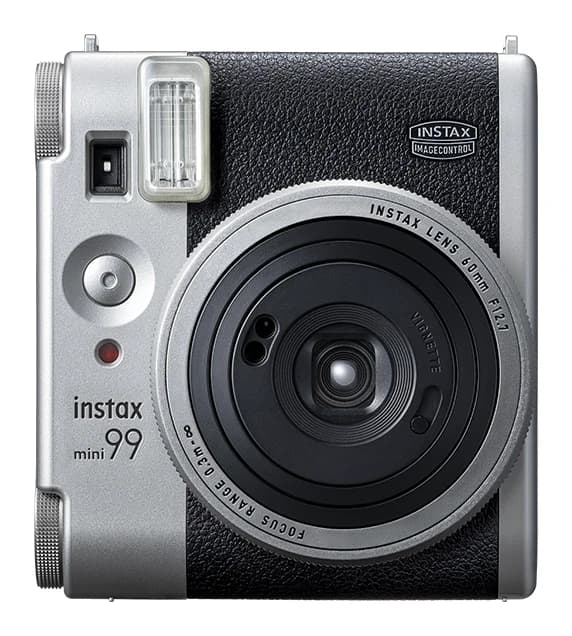
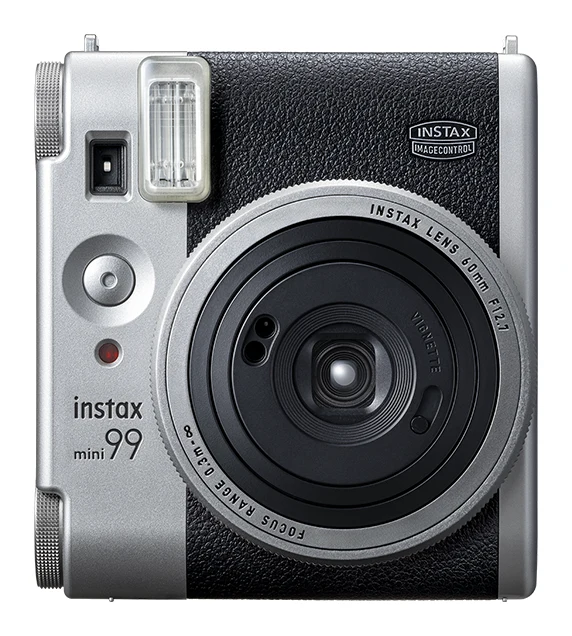
- Premium PickFujifilm Instax Mini 99Why we picked it →
Frequently asked questions
Is the Fujifilm X-T30 III worth it?
It is well regarded, averaging 8.6/10 across 5 expert reviews. It is worth considering if you want a compact camera with strong JPEG output, AI autofocus and capable video. It is less suited to anyone who needs in-body stabilization, weather sealing or dual card slots.
Does the Fujifilm X-T30 III have in-body image stabilization?
No. It has digital image stabilization only, which is intended for handheld video. Reviewers list the lack of in-body stabilization as a common criticism.
Can the Fujifilm X-T30 III shoot 4K video?
Yes. It records internal 6.2K/30p 4:2:2 10-bit video, plus 4K/60p and 1080/240p slow motion.
Is the Fujifilm X-T30 III weather sealed?
No. The spec sheet lists no weather sealing, so you should protect it in rain or dusty conditions.
How long does the X-T30 III battery last?
The CIPA rating is approx. 315 frames in Normal mode and approx. 425 frames in Economy mode. Carrying a spare battery is sensible for long days of shooting.
What is the Film Simulation dial on the X-T30 III?
It is a top-plate dial offering 20 film looks and three custom FS recipe slots. It lets you change the look of your images without going into the menus, and reviewers praise the JPEGs it produces.
Sources
Specs are taken from the manufacturers' official pages; expert recommendations from the publications below.
- Fujifilm X-T30 III: fujifilm-x.com, dustinabbott.net, australianphotography.com, dpreview.com
Related reviews & guides
FUJIFILM X-T30 III Review (2026): Small Body, Big Colour
A pocketable APS-C mirrorless camera built around Film Simulations, strong JPEG colour and capable video. This FUJIFILM X-T30 III review covers who it suits and where it cuts corners.
Published Oct 19, 2026
Fujifilm X-M5 Review (2026): Pocket Camera, Big Video Specs
The Fujifilm X-M5 is the smallest, lightest X Series body, with a 26.1MP APS-C sensor and 6.2K video. Here is who it suits and what you give up.
Published Oct 30, 2026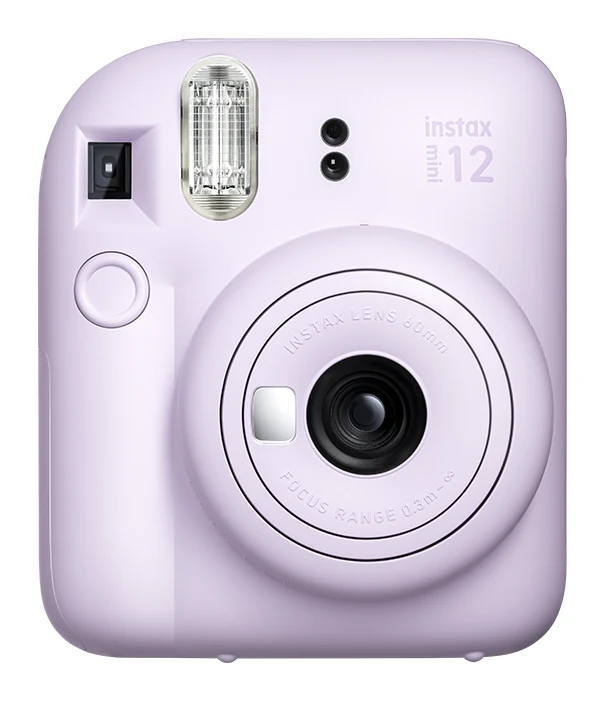
Fujifilm Instax Mini 12 Review (2026): Simple Instant Fun
The Fujifilm Instax Mini 12 is a pastel, point-and-shoot instant camera built for people who want fun prints without settings. Here is what it does well, where it falls short and who should buy it.
Published Oct 30, 2026