Fujifilm Instax Mini 13 Review (2026): Point-and-Shoot Fun
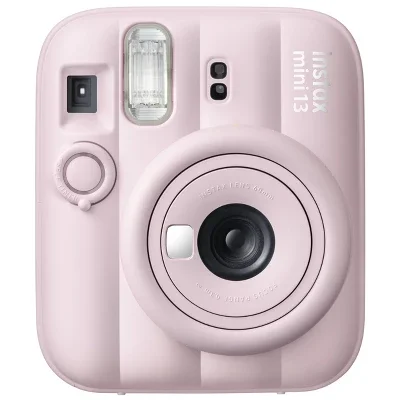
A look at the Fujifilm Instax Mini 13: an automatic, selfie-friendly instant camera that suits beginners, with a fixed flash and few controls.
Research-based · We earn from qualifying purchases
Our verdict
The Instax Mini 13 is a charming, easy entry into instant photography, and it suits beginners and selfie fans who want simple, fun prints. Those who want control over flash and exposure, or who already own a Mini 12, should skip it.
The good
- Fully automatic point-and-shoot operation is easy for beginners
- Close-Up Mode and selfie mirror make selfies easier to frame
- 2- or 10-second self-timer helps with group shots
- Rounded body in five pastel colors, with a sturdy feel
- Two AA batteries last about 10 film packs per set
+2 more
- Rounded body in five pastel colors, with a sturdy feel
- Two AA batteries last about 10 film packs per set
The bad
- Highlights can blow out or overexpose in bright light
- Flash fires every time and cannot be turned off
- No tripod socket, which limits how useful the self-timer is
- Only a minor upgrade over the Mini 12
+1 more
- Only a minor upgrade over the Mini 12
This Fujifilm Instax Mini 13 review looks at a camera that does one thing: it takes a picture and hands you a small print a minute or so later. It is a fully automatic instant camera that uses credit-card-sized instax mini film. It is aimed at people who want party snaps and selfies without touching a setting. This review is based on Fujifilm's specifications and what independent expert reviews report, not on our own hands-on testing.
Fujifilm Instax Mini 13: specs at a glance
From the manufacturer- Film
- Fujifilm instax mini instant film (sold separately)
- Lens
- 2 components, 2 elements, f = 60 mm, 1:12.7
- Flash
- Constant firing flash, effective range 0.3 m to 2.2 m, recycle time 7 seconds or less
- Weight
- 327 g (without batteries, instax mini film loaded and strap attached)
- Shutter
- Programmed electronic shutter 1/2 to 1/250 sec
- Self-timer
- Approximately 2 seconds / 10 seconds
- Viewfinder
- Real image finder, 0.37×, with target spot
- Picture size
- 62 mm × 46 mm
- Power supply
- Two AA-size alkaline batteries (LR6)
- Auto power off
- After 5 minutes
- Shooting range
- 0.3 m and beyond (Close-Up Mode 0.3 m to 0.5 m)
- Battery capacity
- Approx. 10 instax mini film packs of 10 exposures each per set of new batteries
- Exposure control
- Automatic, Lv 5.0 to 14.5 (ISO 800)
- Film developing time
- Approx. 90 seconds
- Dimensions (W × H × D)
- 105.5 mm × 124.7 mm × 67.6 mm
Key features
- 2- or 10-second self-timer for group shots and selfies
- Close-Up Mode with parallax-corrected viewfinder for selfies
- Selfie mirror next to the lens
- Fully automatic exposure and flash, so you just point and shoot
- Lens ring switches the camera on and off
- Runs on two AA batteries, about 10 film packs per set
- Prints in about 90 seconds on credit-card-sized instax mini film
- Rounded, pillowy body in five pastel colors
If you want a phone-free way to make physical keepsakes and don't care about shutter speeds or flash modes, the Mini 13 is built for you. If you like to tweak your shots, it will frustrate you, and the reasons are covered below.
Design and build
Fujifilm has given the Mini 13 a rounded, pillowy body, and it comes in five pastel colors. Reviewers describe it as feeling sturdy despite the soft-looking shape. It measures 105.5 mm × 124.7 mm × 67.6 mm and weighs 327 g with film loaded, strap attached and no batteries. That is a size you can drop into a bag for a night out or a trip.
The controls are minimal. A lens ring switches the camera on and off, so there is no separate power button to hunt for. The camera also powers itself down after 5 minutes of inactivity, which spares the batteries if you forget to switch it off.
The viewfinder is a real image finder with a 0.37× magnification and a target spot. It is a simple optical window rather than a screen, which fits the camera's no-fuss approach. Because you look through a separate finder rather than the lens, close subjects need to be framed with care. That is where the Close-Up Mode comes in.
Features and what they mean day to day
Fully automatic shooting
The headline feature is that there is nothing to set. Exposure and flash are both automatic, and the exposure range runs from Lv 5.0 to 14.5 at ISO 800. The programmed electronic shutter covers 1/2 to 1/250 sec. In practice you point the camera, press the button and wait. Reviewers consistently praise this fully automatic operation as easy for beginners.
The flip side is that you have no say in how it exposes. A common criticism is that highlights can blow out or overexpose in bright light. If you often shoot outdoors on sunny days, expect some prints to look harsher than you intended.
Selfies: Close-Up Mode and the mirror
Selfies are where the Mini 13 puts most of its effort. A Close-Up Mode with a parallax-corrected viewfinder is meant to help you frame subjects at 0.3 m to 0.5 m. A small selfie mirror sits next to the lens so you can check you are in the shot. Reviewers say these two touches make selfies easier to frame. Outside Close-Up Mode, the shooting range is 0.3 m and beyond.
Self-timer
The camera offers a self-timer of approximately 2 seconds or 10 seconds. The shorter setting suits a quick selfie, and the longer one gives you time to join a group shot. There is one drawback: the camera has no tripod socket. Without somewhere stable to prop it, the timer is less useful than it sounds, and reviewers flag this as a limitation. A table, wall or bag can stand in, but you lose precise framing.
Flash
The flash is a constant firing flash with an effective range of 0.3 m to 2.2 m and a recycle time of 7 seconds or less. That helps indoors and in dim light, but it fires on every shot and cannot be turned off. Reviewers list this as a drawback. Subjects beyond the effective range won't get much help from it, and some people will want to switch it off for ambient-light scenes or when shooting in bright light.
Film, prints and running it
The camera uses Fujifilm instax mini instant film, which is sold separately. Each print has a picture size of 62 mm × 46 mm. Film is developed in approximately 90 seconds, so you can watch the image appear while the conversation carries on. Since every shot becomes a physical print, instant film is a running cost to plan for, though the review can't put a number on it. It also encourages you to be choosy about what you shoot.
Battery life and power
The Mini 13 runs on two AA-size alkaline batteries (LR6). Fujifilm rates a set of new batteries at approximately 10 instax mini film packs of 10 exposures each. Reviewers count this as a plus: AAs are easy to find, and one set should last through many shooting sessions. There is no built-in rechargeable battery to worry about, and you can carry spares.
What experts like and what they criticise
Expert verdicts on the Mini 13 are generally positive. Across four published scores the camera averages 8/10. PetaPixel scores it 7/10, TechRadar gives it 4.5/5, Digital Camera World gives it 4.5/5 and Digital Trends scores it 7/10. It has also been recommended in one expert buying guide.
What reviewers praise:
- Simple, fully automatic operation that suits beginners.
- Selfie aids that make framing easier.
- The self-timer for group shots.
- A rounded, sturdy body in five pastel colors.
- Battery life of about 10 film packs per set of two AAs.
What they criticise:
- Highlights can blow out or overexpose in bright light.
- The flash fires every time and can't be switched off.
- The lack of a tripod socket limits the self-timer.
- It is described as only a minor upgrade over the Mini 12.
The pattern is clear. People enjoy the Mini 13 for its ease and charm, and the complaints come from the lack of control that makes it easy.
Who should buy it, and who should skip it
Buy it if you are new to instant photography and want something simple and good-looking. It also suits you if you mostly take selfies, group shots and party snaps, or want a camera that others can pick up and use straight away. The mid-range price tier puts it within reach for a gift or a first instant camera.
Skip it if you want to control flash and exposure, since neither is adjustable. Skip it if you shoot a lot in bright conditions, since a common criticism is that highlights can blow out or overexpose. If you plan to use the self-timer a lot, the missing tripod socket is a real limit. And if you already own a Mini 12, reviewers say the Mini 13 is only a minor upgrade, so there is little reason to switch.
How it fits in its category
Instant cameras sit in an unusual spot: people buy them for the experience as much as the pictures. Within that world, the Mini 13 leans to the simple end. It gives you the basics, a few selfie helpers, and a pretty body, rather than creative controls. That makes it a good first camera and a less convincing choice for anyone who wants to experiment.
Fujifilm Instax Mini 13 review: the verdict
The Instax Mini 13 does what it sets out to do. It is a charming, easy way into instant photography, with automatic shooting, selfie-friendly extras and a long-lasting set of AA batteries. Its weaknesses are the fixed flash, the lack of exposure control, the tendency to overexpose bright scenes and the missing tripod socket. For beginners and selfie fans who want simple, fun prints, it is an easy recommendation. For anyone who wants to take control of the picture, or who already has the Mini 12, it is not.
Related buying guides
- Fujifilm Instax Mini 12 Review (2026): Simple Instant Fun
- Fujifilm Instax Mini Evo Review (2026): Only Print Keepers
- Fujifilm Instax Square SQ40 Review: Easy, Stylish Squares
- Fujifilm X-M5 Review (2026): Pocket Camera, Big Video Specs
- Fujifilm X100VI Review: Is the Fixed Lens Worth It?
- FUJIFILM X-T30 III Review (2026): Small Body, Big Colour
- Best Digital Camera for Beginners 2026: Compact & Easy
Not sure about the Fujifilm Instax Mini 13? Consider these
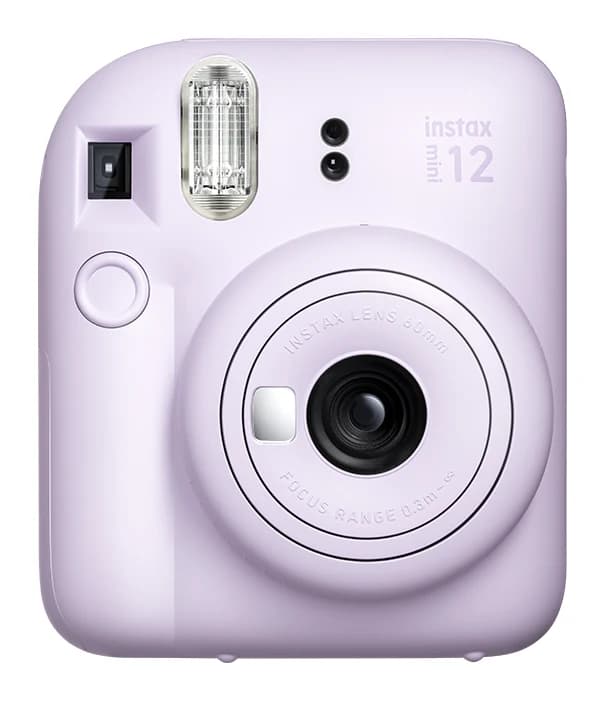
- Best OverallFujifilm Instax Mini 12Why we picked it →
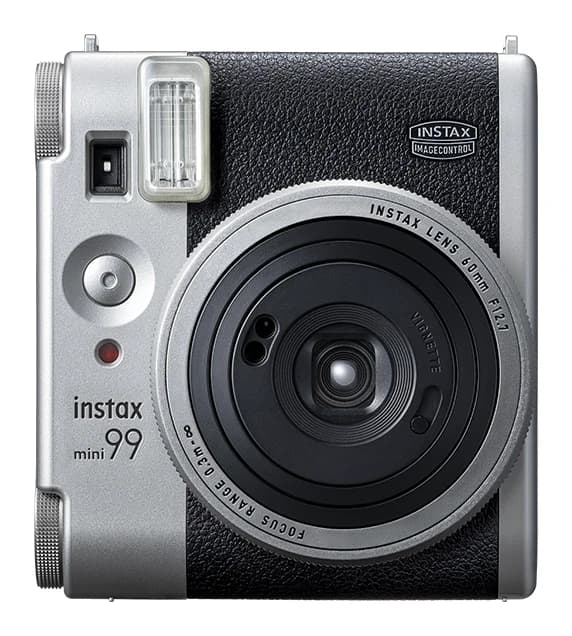
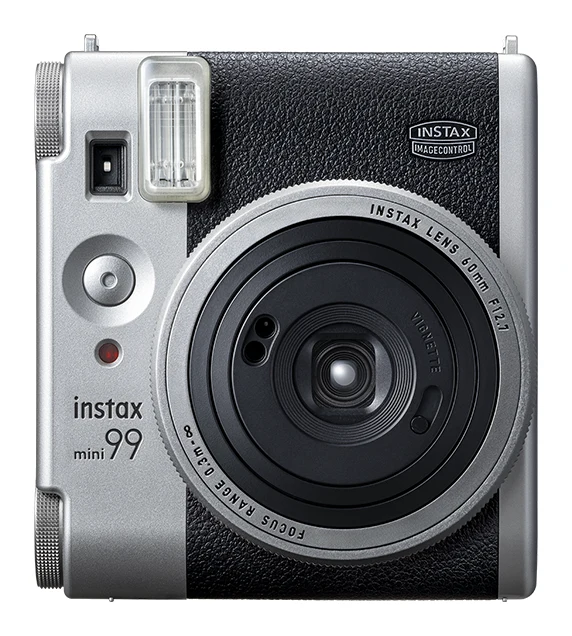
- Premium PickFujifilm Instax Mini 99Why we picked it →
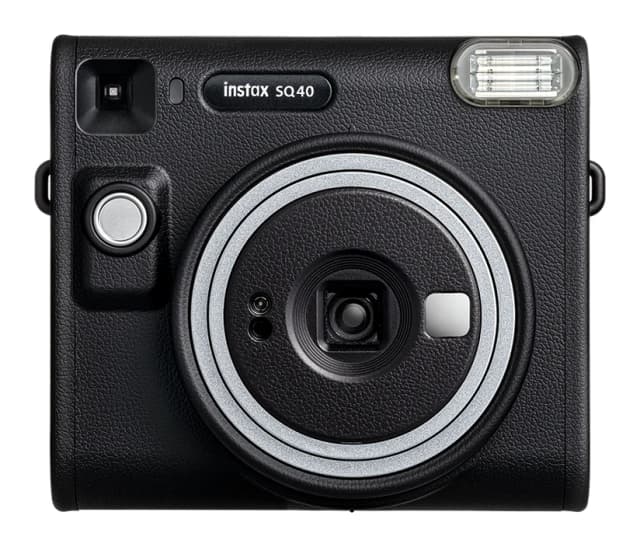
- Also GreatFujifilm Instax Square SQ40Why we picked it →
Frequently asked questions
Is the Fujifilm Instax Mini 13 worth it?
For beginners and selfie fans who want simple, fun instant prints, reviewers think so. It averages 8/10 across four expert reviews. It is less appealing if you want control over flash and exposure, or if you already own a Mini 12.
Can you turn the flash off on the Instax Mini 13?
No. The flash fires on every shot and can't be turned off, and reviewers list this as a common criticism. Its effective range is 0.3 m to 2.2 m.
How long does an Instax Mini 13 print take to develop?
Film developing time is approximately 90 seconds.
What batteries does the Instax Mini 13 use?
It runs on two AA-size alkaline batteries (LR6). A set of new batteries is rated for approximately 10 instax mini film packs of 10 exposures each.
Does the Instax Mini 13 have a tripod socket?
No. Reviewers note that this limits the usefulness of the 2- or 10-second self-timer, since you need another way to hold the camera steady.
Does the Instax Mini 13 come with film?
Fujifilm lists instax mini instant film as sold separately, so plan to buy it alongside the camera.
Sources
Specs are taken from the manufacturers' official pages; expert recommendations from the publications below.
- Fujifilm Instax Mini 13: instaxus.com, petapixel.com, techradar.com, bgr.com
Related reviews & guides
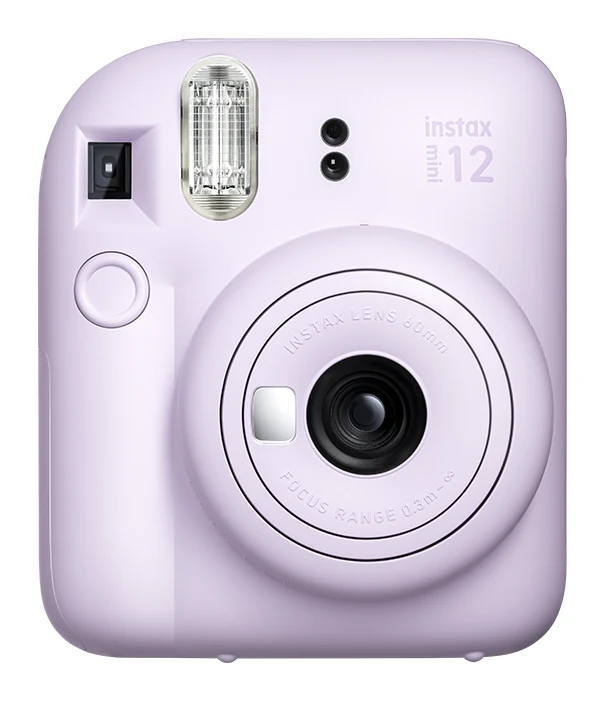
Fujifilm Instax Mini 12 Review (2026): Simple Instant Fun
The Fujifilm Instax Mini 12 is a pastel, point-and-shoot instant camera built for people who want fun prints without settings. Here is what it does well, where it falls short and who should buy it.
Published Oct 30, 2026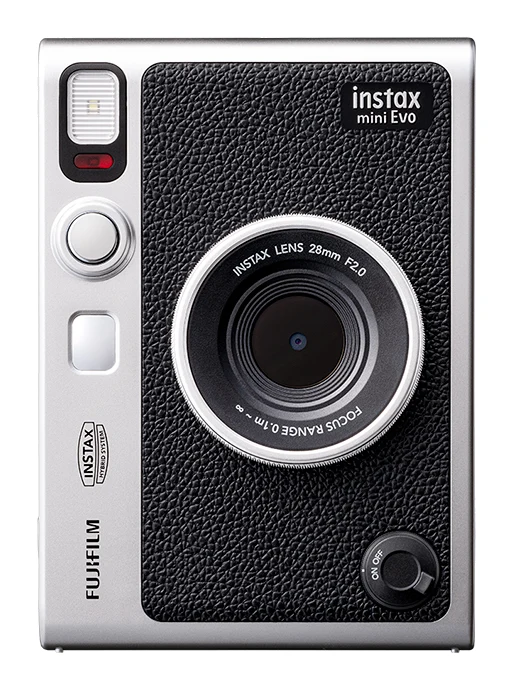
Fujifilm Instax Mini Evo Review (2026): Only Print Keepers
The Instax Mini Evo is a retro-styled hybrid that lets you preview shots, add effects and print only the keepers, and it doubles as a Bluetooth phone printer.
Published Nov 4, 2026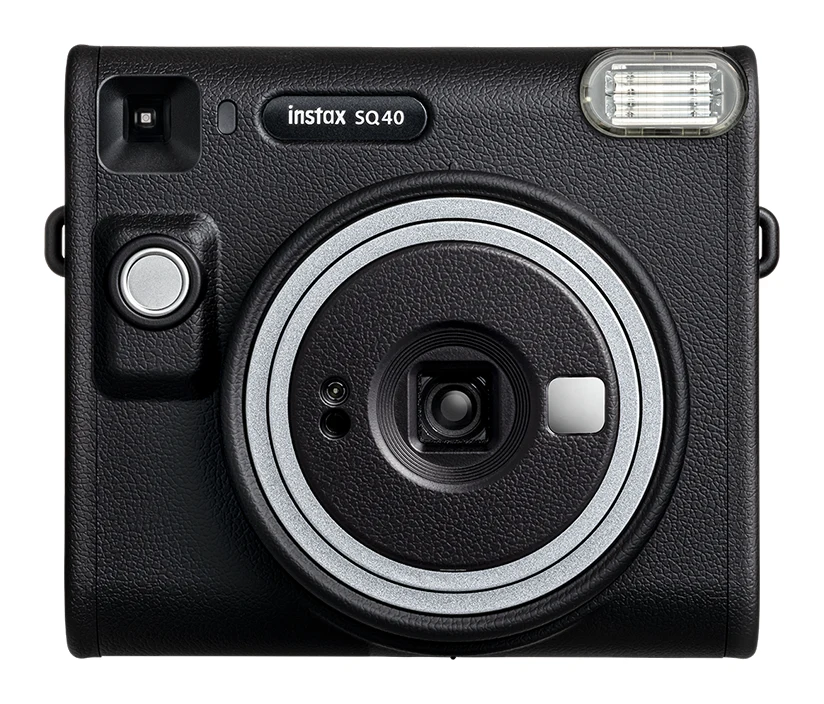
Fujifilm Instax Square SQ40 Review: Easy, Stylish Squares
The Fujifilm Instax Square SQ40 is a retro-styled, fully automatic instant camera that prints square photos. Here's who it suits, and where reviewers say it stumbles.
Published Nov 8, 2026