Fujifilm X100VI Review: Is the Fixed Lens Worth It?

The Fujifilm X100VI pairs a 40.2MP APS-C sensor, in-body stabilization and a hybrid viewfinder with a fixed 35mm-equivalent lens. Here is who it suits and who should skip it.
Research-based · We earn from qualifying purchases
Our verdict
The X100VI suits photographers who want a pocketable, dial-driven camera with excellent image quality and a distinctive viewfinder, and who are happy with a single 35mm-equivalent focal length. Those who need lens flexibility, long battery life or sustained 4K-and-above video recording should look at an interchangeable-lens camera instead.
The good
- 40.2MP APS-C sensor gives sharp, detailed images with room to crop
- In-body stabilization rated up to 6.0 stops in a compact body
- Hybrid optical/electronic viewfinder offers rangefinder-style shooting
- Tactile analog dials and 20 Film Simulations deliver great straight-out-of-camera JPEGs
- Subject-detection autofocus and 6.2K 10-bit video go beyond most compact cameras
+2 more
- Tactile analog dials and 20 Film Simulations deliver great straight-out-of-camera JPEGs
- Subject-detection autofocus and 6.2K 10-bit video go beyond most compact cameras
The bad
- Single UHS-I SD slot limits burst and video write performance
- Battery rated at only 310 shots with the EVF
- Fixed 35mm-equivalent lens can feel limiting and is slightly soft wide open
- Reviewers report overheating during extended high-resolution video recording
+1 more
- Reviewers report overheating during extended high-resolution video recording
This Fujifilm X100VI review looks at a camera that appeals to a particular kind of photographer. It is a pocketable APS-C compact with a fixed 23mm f/2 lens, a hybrid viewfinder and physical dials for the settings you change most. It is aimed at street and travel photographers who want a small, tactile camera and enjoy working with one focal length. This review is based on Fujifilm's specifications and on what independent expert reviews report, not on our own hands-on testing.
Fujifilm X100VI: specs at a glance
From the manufacturer- LCD
- 3.0-in, 1620k-dot tilting touchscreen
- Lens
- 23mm F2.0 (35mm equivalent), 8 elements in 6 groups
- Video
- 6.2K/30p, 4K/60p, FHD/240p, 10-bit
- Sensor
- 23.5mm x 15.7mm (APS-C) X-Trans CMOS 5 HR
- Weight
- 521 grams (including battery and memory card)
- Battery
- NP-W126S, 310 shots (EVF) / 450 shots (OVF)
- Storage
- Single SD slot, UHS-I
- Processor
- X-Processor 5
- Dimensions
- 128.0mm x 74.8mm x 55.3mm
- Viewfinder
- Hybrid OVF / 0.5-in. 3690k-dot OLED EVF, 0.66x
- Standard ISO
- ISO125–12800 (expanded ISO64–51200)
- Effective pixels
- 40.2 million pixels
- Built-in ND filter
- 4 stops
- Image stabilization
- 5-axis sensor shift, 6.0 stops
Key features
- 40.2MP X-Trans CMOS 5 HR sensor for detailed photos with room to crop
- 5-axis in-body stabilization rated up to 6.0 stops, a first for the X100 series
- Hybrid optical/electronic viewfinder for rangefinder-style shooting
- Fixed 23mm f/2 lens (35mm equivalent) with a built-in 4-stop ND filter
- 20 Film Simulation modes, including the new REALA ACE
- Subject-detection autofocus for animals, birds, vehicles and more
- 6.2K/30p 10-bit 4:2:2 internal video, plus 4K/60p and 1080/240p
- Classic analog dials for shutter speed, aperture and ISO, plus a flat tilting touchscreen
Fujifilm X100VI review: what it is and why people want one
The X100VI is a fixed-lens camera, so there is no lens collection to build or carry. You get a 23mm F2.0 lens (35mm equivalent) built from 8 elements in 6 groups, a 23.5mm x 15.7mm (APS-C) X-Trans CMOS 5 HR sensor and the X-Processor 5 engine.
The pitch is simple. You get a serious sensor and modern autofocus in a body you can carry all day, with controls that invite you to shoot rather than scroll through menus. Reviewers consistently rate it highly. It averages 9.1/10 across 4 expert reviews, and it is recommended in 6 expert buying guides.
Design and build
The body measures 128.0mm x 74.8mm x 55.3mm and weighs 521 grams including the battery and memory card. That is small enough to carry on a strap or in a jacket pocket, though it is not a featherweight. The lens is part of the body, so the camera stays compact.
The layout is the main attraction. Fujifilm gives you classic analog dials for shutter speed, aperture and ISO, so you can read your settings at a glance. For many photographers that tactile approach is the reason to buy a camera like this. Reviewers say the tactile dials, together with the Film Simulations, deliver great straight-out-of-camera JPEGs.
On the back is a 3.0-in, 1620k-dot tilting touchscreen. The tilt helps with high and low angles. Because the screen is flat against the body, it stays out of the way when you shoot through the viewfinder.
The hybrid viewfinder
The viewfinder is one of the camera's defining features. It is a hybrid optical/electronic design, so you can switch between a traditional optical view and an electronic one. The electronic side uses a 0.5-in. 3690k-dot OLED panel with 0.66x magnification.
The optical view suits the rangefinder-style shooting the camera is built around. The electronic view is there when you want to see exposure and film simulation effects before you press the shutter. Reviewers praise the hybrid viewfinder for its rangefinder-style shooting.
Image quality and the lens
The 40.2 million pixel sensor is the headline. Reviewers praise the sharp, detailed images and the room it gives you to crop. With a fixed lens, cropping is how many owners get a little extra reach, so the resolution is more than a number on the spec sheet.
Standard sensitivity runs from ISO125–12800, with expanded settings from ISO64–51200. That range covers daylight shooting through to dim evening scenes. The spec sheet doesn't say how clean the highest settings look, so check sample images before assuming they suit your needs.
The lens is the part that divides opinion. A 35mm equivalent field of view is a classic choice for street and travel work, and it is natural for everyday scenes. A common criticism is that it can feel limiting if you want to go wider or tighter. Reviewers also note that it is slightly soft wide open.
A built-in 4-stop ND filter is a practical extra. It lets you use a wide aperture in bright light, or a slower shutter speed, without carrying a separate filter.
Features and what they mean day to day
In-body stabilization
The 5-axis sensor-shift stabilization is rated up to 6.0 stops, and it is described as a first for the X100 series. In daily use, that helps with handheld shots in low light and at slower shutter speeds. It is also notable in a body this size, and reviewers praise it.
Film Simulations
There are 20 Film Simulation modes, including the new REALA ACE. These are Fujifilm's colour and tone looks. Reviewers say the combination of these modes and the tactile controls delivers great straight-out-of-camera JPEGs. If you would rather not spend evenings editing raw files, that is a real advantage.
Autofocus
Subject-detection autofocus covers animals, birds, vehicles and more. That can be useful for candid and travel photography, where subjects don't wait for you. Reviewers say the autofocus and video features go beyond what most compact cameras offer. The spec sheet doesn't give tracking speeds, so we won't put numbers on it.
Video, battery and storage
Video
Video is a strong point on paper. The camera records 6.2K/30p 10-bit 4:2:2 internally, and it also offers 4K/60p and 1080/240p. That gives you high-resolution capture and slow motion in a small body.
There is a catch. Reviewers report overheating during extended high-resolution video recording. If you plan to film long takes at the top quality settings, treat this as a camera that handles clips well rather than one built for sustained recording.
Battery life
The NP-W126S battery is rated at 310 shots when using the EVF and 450 shots with the OVF. That is a clear limitation. Reviewers flag the 310-shot figure as a common criticism. Using the optical viewfinder stretches it, but a full day of travel shooting may call for a spare battery.
Storage
There is a single SD slot, and it is UHS-I. Reviewers say this limits burst and video write performance. With a 40.2MP sensor and 10-bit video options, a faster card slot would have been welcome. You also get no backup slot, which matters if you shoot paid work.
What experts like and what they criticise
The praise is consistent. Reviewers like the sharp, detailed images from the 40.2MP sensor, the stabilization in such a small body, and the hybrid viewfinder. They also like the dials and Film Simulations for JPEG shooters, and they say the autofocus and video go beyond most compact cameras.
The published scores reflect that. PetaPixel gives it 9.5/10, Digital Camera World 4.5/5, Photography Life 4.6/5 and DPReview 87/100. The overall average is 9.1/10.
The criticisms are just as consistent. They are the single UHS-I card slot, the 310-shot battery rating with the EVF, the fixed lens with its slight softness wide open, and overheating in extended high-resolution video. None of these is a surprise for a compact body with one lens. They do decide whether the camera suits you.
Who should buy it, and who should skip it
Buy it if you want a small camera you will actually bring along, you like setting exposure with physical dials, and you are happy to work with a single 35mm-equivalent view. It suits street and travel photographers in particular. It also suits JPEG shooters who like to get the look right in camera.
Skip it if you need lens flexibility, long battery life or sustained 4K-and-above video recording. In that case an interchangeable-lens camera is the better route. Also skip it if you depend on dual card slots or fast card performance for bursts.
How it fits in its category
The X100VI is not trying to be an all-rounder. It trades lens flexibility for a smaller body, a built-in lens and a distinctive viewfinder. Consider it a specialist tool rather than a general-purpose camera. If the 35mm-equivalent view suits how you shoot, the trade-off makes sense. If not, you will feel the limit quickly.
Verdict
The X100VI is a very well-reviewed camera for a specific kind of photographer. The 40.2MP sensor, 6.0 stops of rated stabilization, hybrid viewfinder and analog controls make it a rewarding camera to carry and shoot with. Its limits are real: a modest battery, a single UHS-I card slot, a fixed lens and heat in long video sessions. If those fit how you shoot, it is a very well-reviewed compact camera. If you need more flexibility, look at interchangeable-lens options instead.
Related buying guides
- Fujifilm X-M5 Review (2026): Pocket Camera, Big Video Specs
- Fujifilm Instax Mini 12 Review (2026): Simple Instant Fun
- FUJIFILM X-T30 III Review (2026): Small Body, Big Colour
- Fujifilm X-T30 III Review (2026): Compact JPEG Machine
- Nikon Z f Review (2026): Is Retro Worth the Quirks?
- Best Digital Camera for Beginners 2026: Compact & Easy
- Best Instant Cameras 2026: Easy Snaps to Creative Control
- Best High-End Cameras 2026: Resolution, Speed & Video
Not sure about the Fujifilm X100VI? Consider these
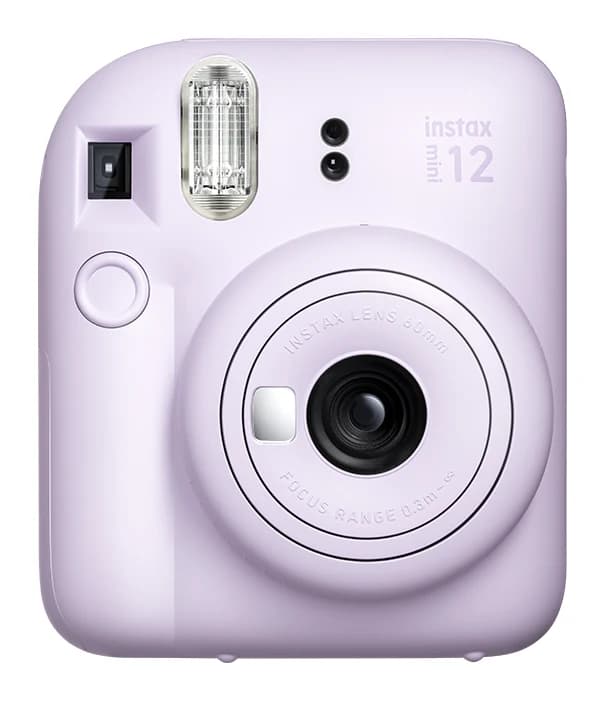
- Best OverallFujifilm Instax Mini 12Why we picked it →
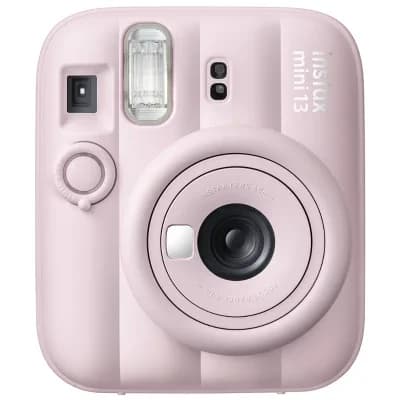
- Best ValueFujifilm Instax Mini 13Why we picked it →
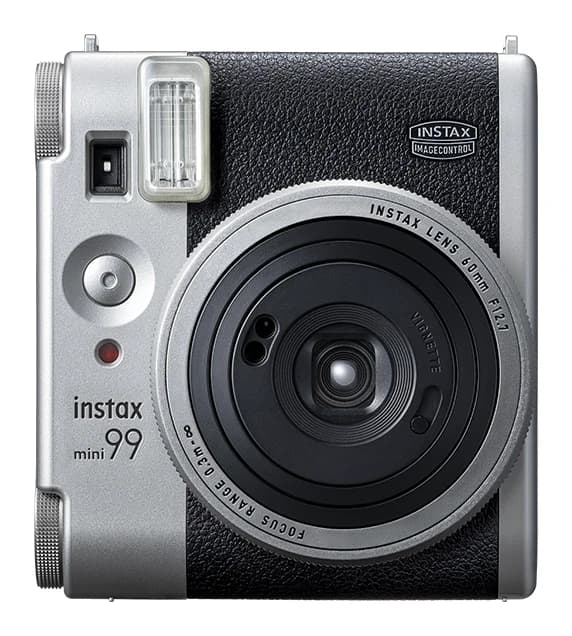
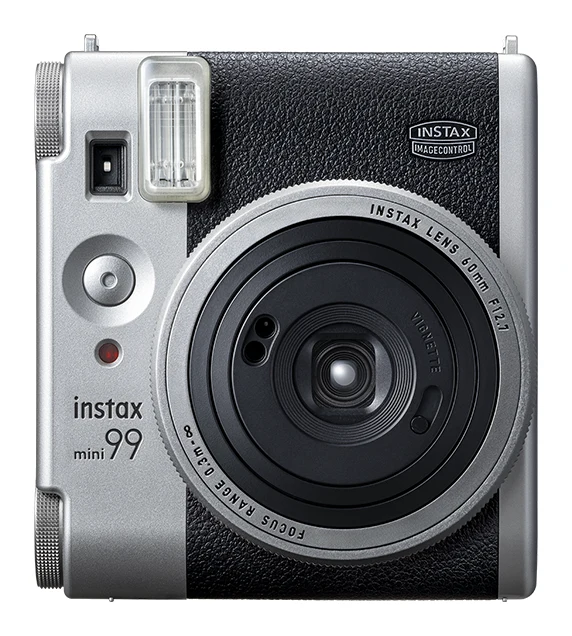
- Premium PickFujifilm Instax Mini 99Why we picked it →
Frequently asked questions
Is the Fujifilm X100VI worth it?
Expert reviewers rate it highly, with an average of 9.1/10 across 4 expert reviews. It is worth it if you want a compact, dial-driven camera with a fixed 35mm-equivalent lens. It is a weaker fit if you need lens flexibility, long battery life or sustained high-resolution video.
Does the Fujifilm X100VI have image stabilization?
Yes. It has 5-axis in-body stabilization rated up to 6.0 stops, which Fujifilm describes as a first for the X100 series.
Does the X100VI have a viewfinder?
Yes. It has a hybrid optical/electronic viewfinder. The electronic side is a 0.5-in. 3690k-dot OLED with 0.66x magnification, and you can switch between the two views.
What is the battery life of the X100VI?
The NP-W126S battery is rated at 310 shots using the EVF and 450 shots using the OVF. Reviewers commonly criticise the EVF figure, so a spare battery is worth considering for long days.
Can the Fujifilm X100VI shoot 4K video?
Yes. It records 6.2K/30p, 4K/60p and 1080/240p, all in 10-bit. Reviewers report that it can overheat during extended high-resolution recording.
Can you change the lens on the X100VI?
No. It has a fixed 23mm F2.0 lens (35mm equivalent) with a built-in 4-stop ND filter. If you want interchangeable lenses, you need a different camera.
Sources
Specs are taken from the manufacturers' official pages; expert recommendations from the publications below.
- Fujifilm X100VI: fujifilm-x.com, fujifilm-dsc.com
Related reviews & guides
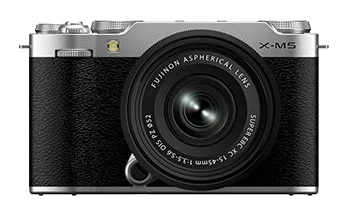
Fujifilm X-M5 Review (2026): Pocket Camera, Big Video Specs
The Fujifilm X-M5 is the smallest, lightest X Series body, with a 26.1MP APS-C sensor and 6.2K video. Here is who it suits and what you give up.
Published Oct 30, 2026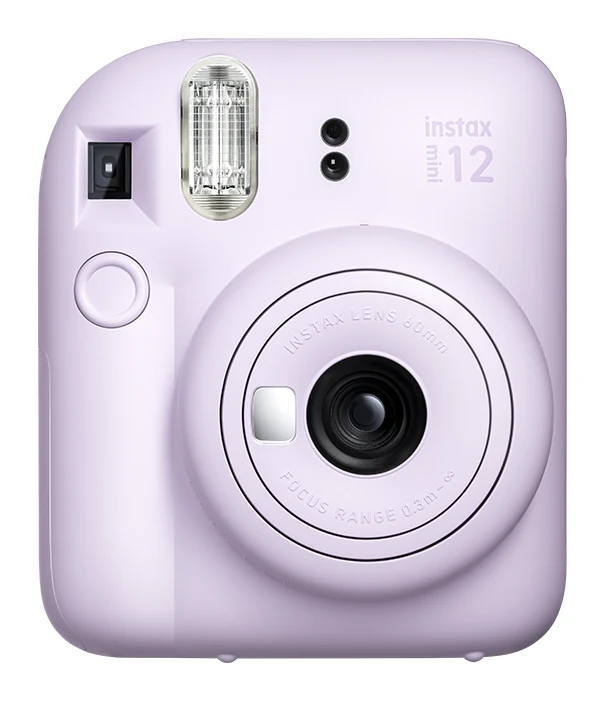
Fujifilm Instax Mini 12 Review (2026): Simple Instant Fun
The Fujifilm Instax Mini 12 is a pastel, point-and-shoot instant camera built for people who want fun prints without settings. Here is what it does well, where it falls short and who should buy it.
Published Oct 30, 2026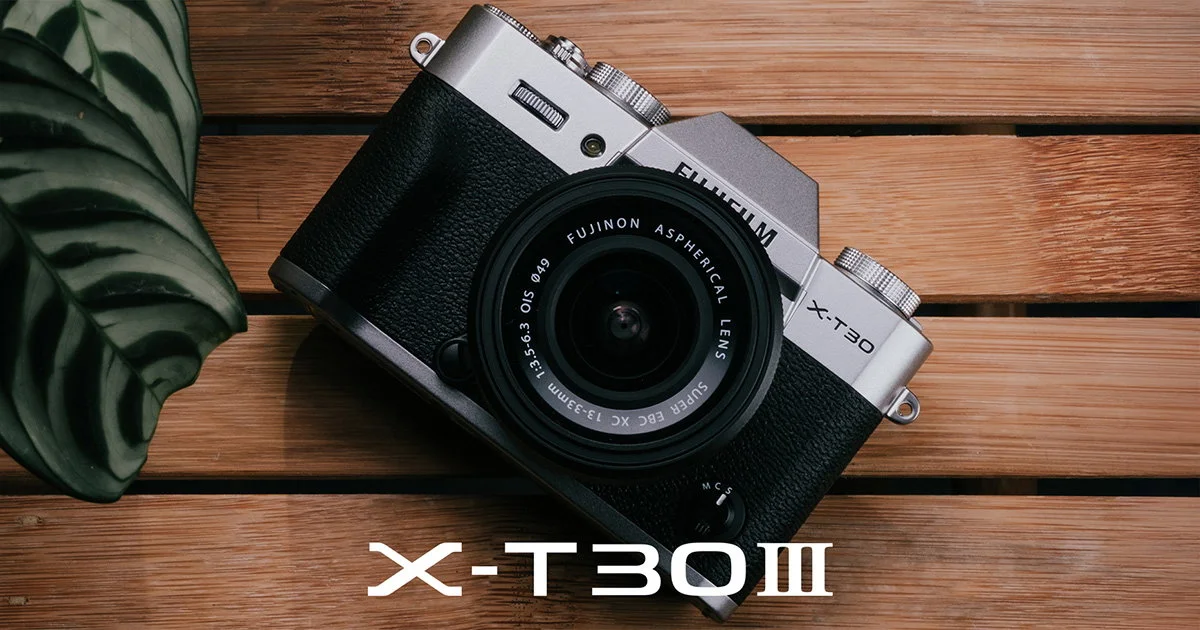
Fujifilm X-T30 III Review (2026): Compact JPEG Machine
A compact, retro-styled APS-C camera built around Fujifilm's film looks, AI autofocus and capable video. We look at who it suits and where it cuts corners.
Published Nov 4, 2026