GPD WIN 5 Review (2026): Strix Halo in a Handheld
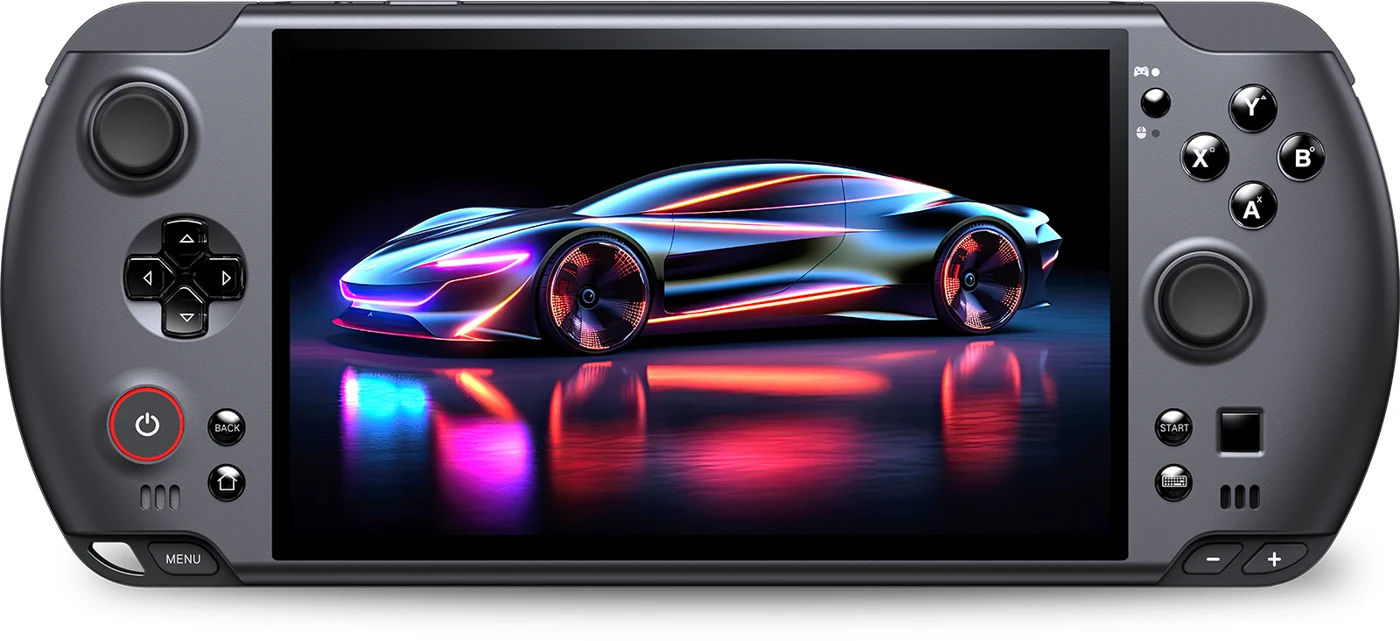
The GPD WIN 5 puts AMD's Ryzen AI Max+ 395 into a Windows handheld with a detachable 80Wh battery and up to 128GB of memory. Here is who it suits and where it asks for compromises.
Research-based · We earn from qualifying purchases
Our verdict
The GPD WIN 5 is for enthusiasts who want the fastest handheld performance and flexible RAM, storage and battery options, and can accept the bulk and premium cost. Buyers who want a light, simple, affordable portable should skip it.
The good
- Ryzen AI Max+ 395 with Radeon 8060S delivers top-tier handheld gaming performance
- Sharp, bright 7-inch 1080p 120Hz VRR touchscreen
- Detachable 80Wh battery can be swapped or run on a cable
- Up to 128GB LPDDR5X memory plus M.2, Mini SSD and microSD storage
- USB4 with DisplayPort 2.1, plus capacitive sticks and Hall-effect triggers
+2 more
- Up to 128GB LPDDR5X memory plus M.2, Mini SSD and microSD storage
- USB4 with DisplayPort 2.1, plus capacitive sticks and Hall-effect triggers
The bad
- Priced closer to a gaming laptop than a typical handheld
- Heavy and bulky with the external battery attached
- Windows 11 can bring driver and update friction
- Dual-mode triggers and fingerprint sensor can be unreliable; speakers distort loudly
+1 more
- Dual-mode triggers and fingerprint sensor can be unreliable; speakers distort loudly
This GPD WIN 5 review looks at a handheld that is less a console rival than a compact gaming PC with controls attached. GPD built it around AMD's Ryzen AI Max+ 395 (Strix Halo) APU, pairs it with a 7-inch 120Hz touchscreen, and puts the battery in a detachable external pack. It is aimed at enthusiasts who want the most handheld performance available and are happy to trade portability for it. This article is based on GPD's published specifications and what independent expert reviews report, not on hands-on testing.
GPD WIN 5: specs at a glance
From the manufacturer- TDP
- 45–75W
- Ports
- 1 × USB4 40Gbps, 1 × USB-C 3.2 Gen2 10Gbps, 1 × USB-A 3.2 Gen2, 1 × DC, Mini SSD slot, microSD, 3.5mm combo jack
- Memory
- 32GB / 64GB / 128GB LPDDR5X-8000, quad channel
- Weight
- 565g (handheld only)
- Battery
- 80Wh external detachable, 350g
- Cooling
- Dual fan + quad heat pipe
- Display
- 7-inch LTPS, 1920 × 1080, 120Hz VRR, 500 nits, 100% sRGB, 10-point touch
- Storage
- 1TB / 2TB / 4TB M.2 NVMe 2280 PCIe 4.0 x4
- Charging
- 180W (20V/9A) DC adapter included; USB4 port supports up to 100W PD
- Graphics
- Radeon 8060S (40 CUs, 2900 MHz) or Radeon 8050S (32 CUs, 2800 MHz)
- Wireless
- Wi-Fi 6E, Bluetooth 5.3
- Processor
- AMD Ryzen AI Max+ 395 (16C/32T, up to 5.1GHz) or Ryzen AI Max 385 (8C/16T, up to 5.0GHz)
- Dimensions
- 267mm × 111.6mm × 24.21mm
- Operating system
- Windows 11 (24H2) Home
Key features
- Ryzen AI Max+ 395 (Strix Halo) APU with Radeon 8060S graphics for desktop-class gaming
- 7-inch 1080p 120Hz LTPS touchscreen with FreeSync Premium VRR
- Detachable 80Wh external battery that can be swapped or used on a cable
- Up to 128GB LPDDR5X-8000 unified memory
- Storage expansion: M.2 2280 NVMe, Mini SSD slot and microSD
- USB4 40Gbps port with DisplayPort 2.1 and 100W PD, plus USB-A and USB-C 3.2 Gen2
- Capacitive analog sticks, Hall-effect triggers with long/short travel switch, rear paddles
- Dual-fan, quad-heat-pipe active cooling; optional dock gives HDMI 2.1, Ethernet and USB-A
What the GPD WIN 5 actually is
The WIN 5 runs Windows 11 (24H2) Home, so it is a full PC rather than a closed gaming platform. You get the whole Windows game-store ecosystem, emulators and desktop apps, and also Windows' usual quirks. GPD sells it in several configurations: the top Ryzen AI Max+ 395 (16C/32T, up to 5.1GHz) with Radeon 8060S graphics (40 CUs, 2900 MHz), or a lower tier with the Ryzen AI Max 385 (8C/16T, up to 5.0GHz) and Radeon 8050S (32 CUs, 2800 MHz). Check which configuration you are looking at, because the performance praise reviewers give it centres on the Max+ 395 and Radeon 8060S.
Reviewers point out that it costs closer to a gaming laptop than a typical handheld, which is worth keeping in mind before comparing it with simpler devices.
Design and build
The handheld unit alone weighs 565g and measures 267mm × 111.6mm × 24.21mm. That is already a substantial device, and the 80Wh external battery adds 350g when attached. Reviewers consistently call it heavy and bulky with the battery on, and that is the clearest trade-off of the design. If you play for long stretches on a sofa or at a desk, you may not mind. If you want something to hold one-handed or slip into a small bag, you will.
The detachable battery is the most distinctive design choice. You can swap packs, or run the device from a cable when you want to lighten the load or keep it topped up. A 180W (20V/9A) DC adapter is included, and the USB4 port also accepts up to 100W PD charging. GPD's spec sheet doesn't give a battery-life figure, so don't assume runtime from the capacity alone, especially with a chip that can be configured up to 75W.
Controls
The control layout is built for enthusiasts: capacitive analog sticks, Hall-effect triggers with a long/short travel switch, and rear paddles. Hall-effect sensing is generally favoured for resisting drift and giving smooth analog response. The long/short travel switch lets you change how far the triggers travel. Reviewers like the hardware, but a common criticism is that the dual-mode triggers and the fingerprint sensor can be unreliable. That is worth knowing at this level of spend.
Display
The screen is a 7-inch 1920 × 1080 LTPS panel running at 120Hz with FreeSync Premium VRR, rated at 500 nits and 100% sRGB, with 10-point touch. The screen is 1080p on a 7-inch panel. Variable refresh rate smooths out frame-rate dips, which matters on a device that will run demanding games at varying settings. Reviewers praise it as sharp and bright. Touch support helps with Windows, where desktop interfaces are not designed for sticks and buttons.
Performance and cooling
The Radeon 8060S has 40 compute units, and the processor is configurable with a TDP of 45–75W. Those figures are why the WIN 5 is described as delivering desktop-class gaming in a handheld, and why reviewers rank its performance among the top tier of handhelds. The memory setup adds to this. It is LPDDR5X-8000 in quad channel, available in 32GB, 64GB or 128GB. Because the APU shares that memory between CPU and graphics, a larger configuration can matter for more than just multitasking.
Sustaining that power takes cooling, and GPD uses a dual-fan, quad-heat-pipe active system. The spec sheet doesn't give a noise level, so check reviews for how loud it gets under load before committing.
Storage, ports and connectivity
This is where the WIN 5 acts more like a PC than a console. Internal storage is a PCIe 4.0 x4 M.2 2280 NVMe drive in 1TB, 2TB or 4TB sizes. You can also expand with a Mini SSD slot and a microSD slot. For a library of large modern games, three storage routes is a genuine convenience.
Ports include:
- a USB4 40Gbps port with DisplayPort 2.1 and PD charging
- a USB-C 3.2 Gen2 10Gbps port
- a USB-A 3.2 Gen2 port
- a DC input
- a 3.5mm combo jack
Wireless is Wi-Fi 6E and Bluetooth 5.3. An optional dock adds HDMI 2.1, Ethernet and more USB-A, making the WIN 5 workable as a living-room or desk machine. That flexibility is a big part of its appeal: you can play handheld, then plug into a monitor or TV and get closer to a small desktop.
What experts like and what they criticise
The praise is consistent. Reviewers like the top-tier gaming performance from the Ryzen AI Max+ 395 and Radeon 8060S, the sharp and bright 120Hz VRR touchscreen, the swappable 80Wh battery, the memory and storage options, and the USB4 connectivity along with the capacitive sticks and Hall-effect triggers. FinalBoss.io scores it 7/10.
The criticism is also consistent:
- Price: it sits closer to a gaming laptop than a typical handheld.
- Size and weight: it is heavy and bulky with the external battery attached.
- Windows friction: Windows 11 can bring driver and update friction, which is the cost of getting a full PC.
- Hardware reliability: the dual-mode triggers and fingerprint sensor can be unreliable, and the speakers distort when loud.
The last point matters. Speaker distortion and flaky triggers are not deal-breakers for everyone, but they are noticeable shortcomings at this level.
Who should buy the GPD WIN 5
The WIN 5 suits enthusiasts who want maximum handheld power and upgrade flexibility. It is a good fit if you:
- want the fastest handheld performance you can get and will use the top configuration
- value being able to choose memory, storage and swap batteries
- plan to dock it to a monitor or TV and treat it as a compact PC
- are comfortable managing Windows drivers and updates
Who should skip it
Skip it if you want a light, simple, affordable portable. The bulk with the battery attached, the Windows maintenance and the premium cost all work against that. If you mainly play less demanding games, or want something to pick up and play with no setup, a device with this much power is probably more than you need.
How it fits in its category
Handheld PCs generally split between light, simple, lower-cost devices and heavier, more powerful machines that cost more. The WIN 5 is firmly in the second group. It offers big memory options, flexible storage and a detachable battery, and it accepts bulk and complexity as the price.
Verdict
The GPD WIN 5 is a serious piece of hardware for a specific kind of player. If you want a handheld that behaves like a compact gaming PC, with the Ryzen AI Max+ 395, up to 128GB of memory, USB4 and a swappable battery, the WIN 5 offers all of that. The cost is weight, a laptop-like price, Windows upkeep and some reported rough edges with the triggers, fingerprint sensor and speakers. Go in knowing those trade-offs and it is a compelling enthusiast machine. If you value portability and simplicity, look elsewhere.
Related buying guides
- Best Handheld Gaming PCs 2026: Power, Screens & Battery
- ASUS ROG Xbox Ally X Review (2026): Power With Heft
- Valve Steam Deck OLED Review (2026): The Screen Is the Star
- Best Gaming Consoles 2026: TV, Handheld and Hybrid Play
- Logitech G PRO X 2 LIGHTSPEED Review (2026): Comfort First
- Razer Viper V4 Pro Review (2026): 49 g Esports Speed
- Logitech G PRO X Superlight 2 Review: Light, Fast, Basic
- Switch 2 vs PS5 Slim (2026): Handheld or 4K Power?
- Best Gaming Monitor 2026: OLED and Mini LED Picks Compared
- Best Gaming Headset 2026: Comfort, Battery & Low Latency
Not sure about the GPD WIN 5? Consider these
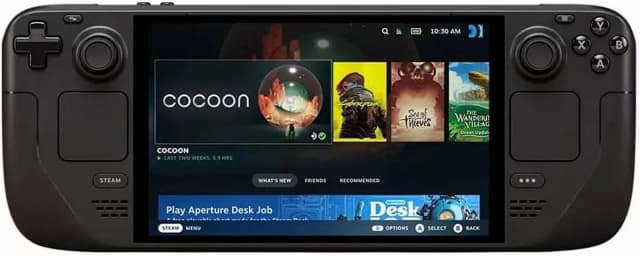
- Best ValueSteam Deck OLEDWhy we picked it →
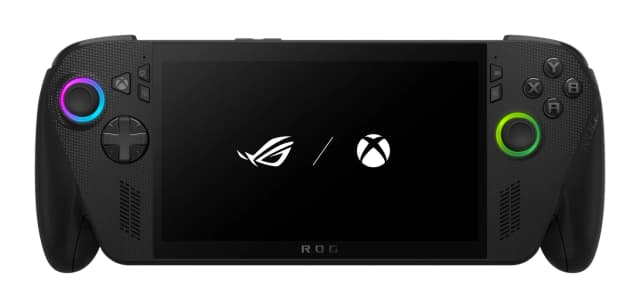
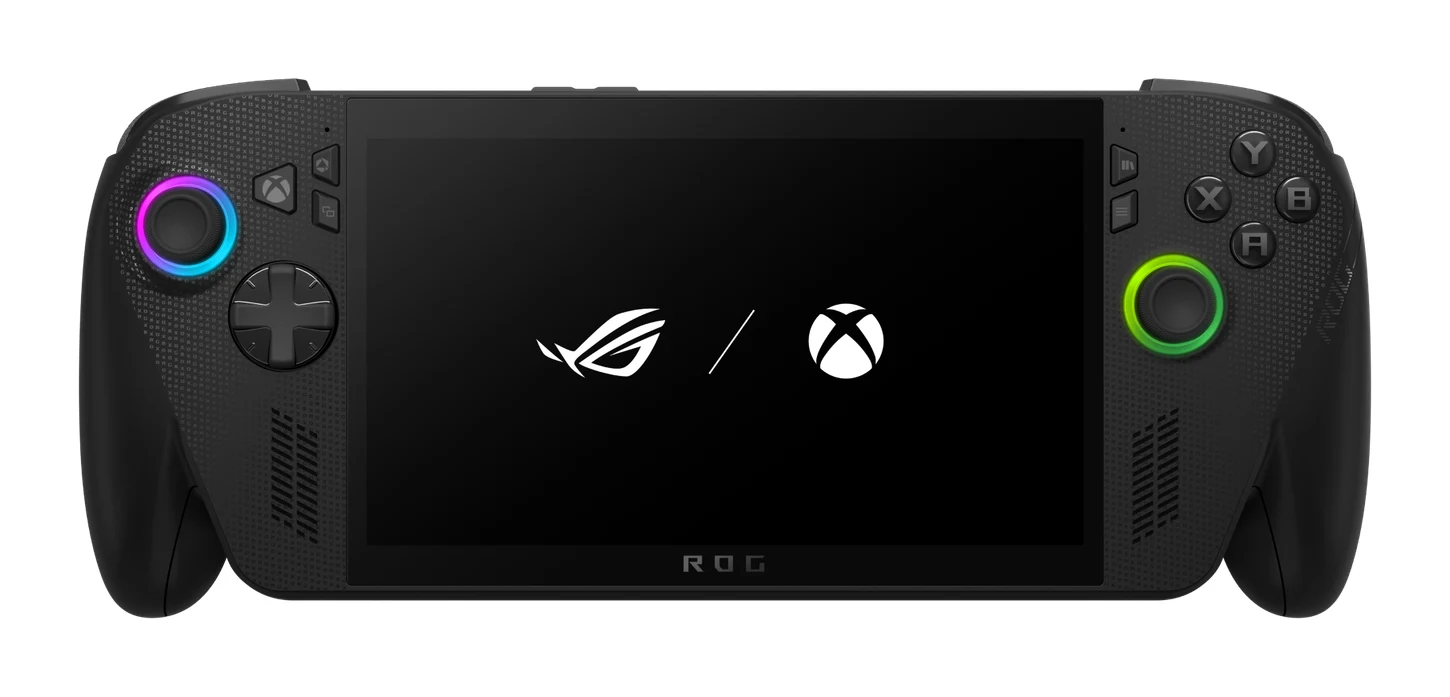
- Premium PickASUS ROG Xbox Ally X (2025)Why we picked it →
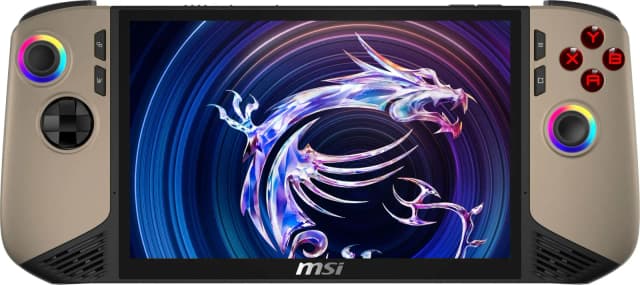
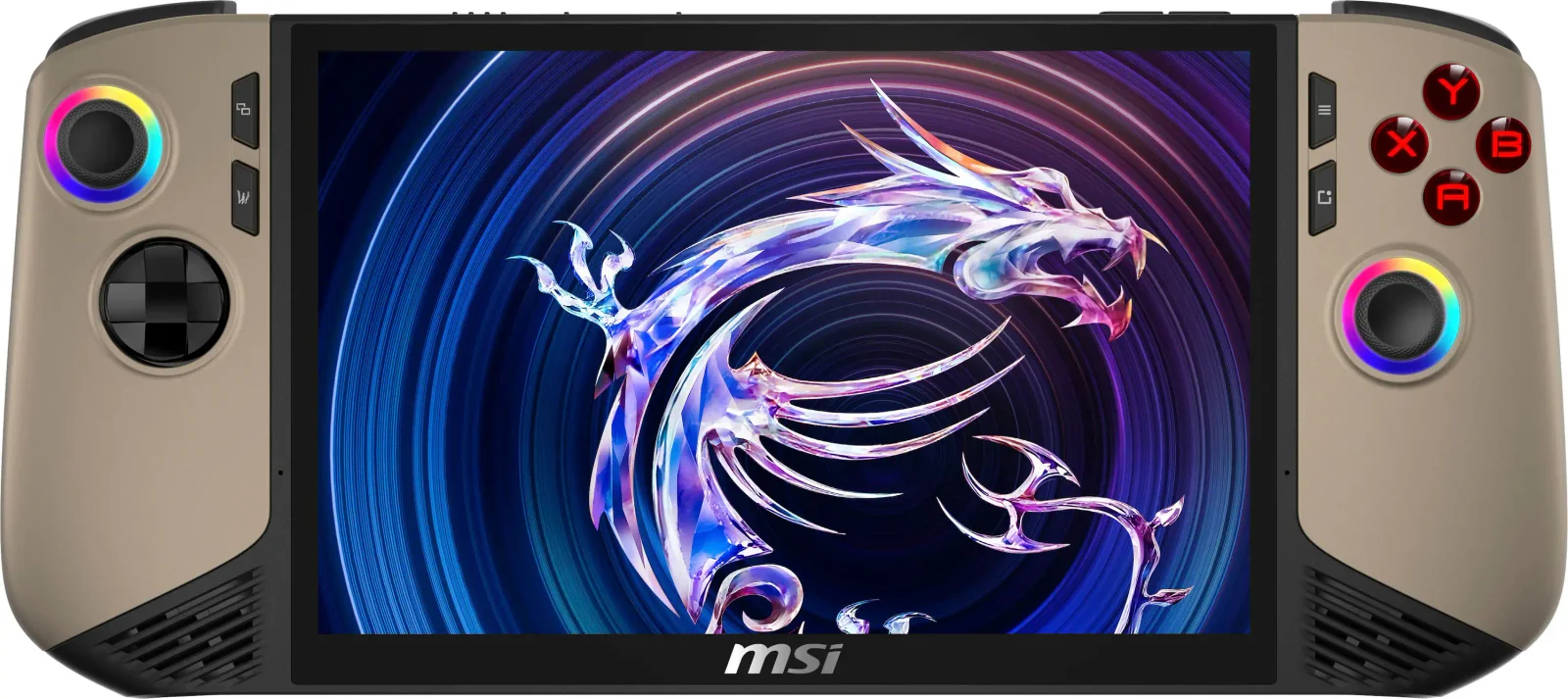
- Also GreatMSI Claw 8 AI+Why we picked it →
Frequently asked questions
Is the GPD WIN 5 worth it?
It is worth it for enthusiasts who want top-tier handheld performance, up to 128GB of memory and a swappable battery, and who can accept the bulk. Reviewers say it is priced closer to a gaming laptop than a typical handheld, so it is harder to justify if you want something light and simple.
What processor does the GPD WIN 5 use?
It is offered with the AMD Ryzen AI Max+ 395 (16C/32T, up to 5.1GHz) with Radeon 8060S graphics, or the Ryzen AI Max 385 (8C/16T, up to 5.0GHz) with Radeon 8050S graphics. The TDP is 45–75W.
Does the GPD WIN 5 have a removable battery?
Yes. It uses an 80Wh external detachable battery weighing 350g. You can swap it or run the handheld on a cable. A 180W DC adapter is included, and the USB4 port supports up to 100W PD.
Can I upgrade the storage on the GPD WIN 5?
It comes with a 1TB, 2TB or 4TB M.2 2280 NVMe PCIe 4.0 x4 drive, and it also has a Mini SSD slot and a microSD slot for expansion.
Can the GPD WIN 5 connect to a monitor or TV?
Yes. The USB4 40Gbps port supports DisplayPort 2.1, and the optional dock adds HDMI 2.1, Ethernet and USB-A.
What are the main complaints about the GPD WIN 5?
A common criticism is that it is heavy and bulky with the battery attached and priced like a gaming laptop. Reviewers also mention Windows 11 driver and update friction, and say the dual-mode triggers and fingerprint sensor can be unreliable and the speakers distort when loud.
Sources
Specs are taken from the manufacturers' official pages; expert recommendations from the publications below.
- GPD WIN 5: gpd-minipc.com, droix.net, noobfeed.com
Related reviews & guides
Best Handheld Gaming PCs 2026: Power, Screens & Battery
Five of the best handheld gaming PCs compared on screen, processor, weight and battery, from the near-desktop GPD WIN 5 to the Steam Deck OLED.
Published Oct 16, 2026
ASUS ROG Xbox Ally X Review (2026): Power With Heft
Our ASUS ROG Xbox Ally X review looks at a powerful Windows handheld with contoured grips, a big battery and an Xbox-style interface, and at the weight and software caveats that come with it.
Published Oct 20, 2026
Valve Steam Deck OLED Review (2026): The Screen Is the Star
Our Valve Steam Deck OLED review looks at the HDR screen, battery, thermals and controls, and who should buy this handheld.
Published Oct 20, 2026