Potensic Atom 2 Review (2026): Light 4K, No Obstacle Sensors
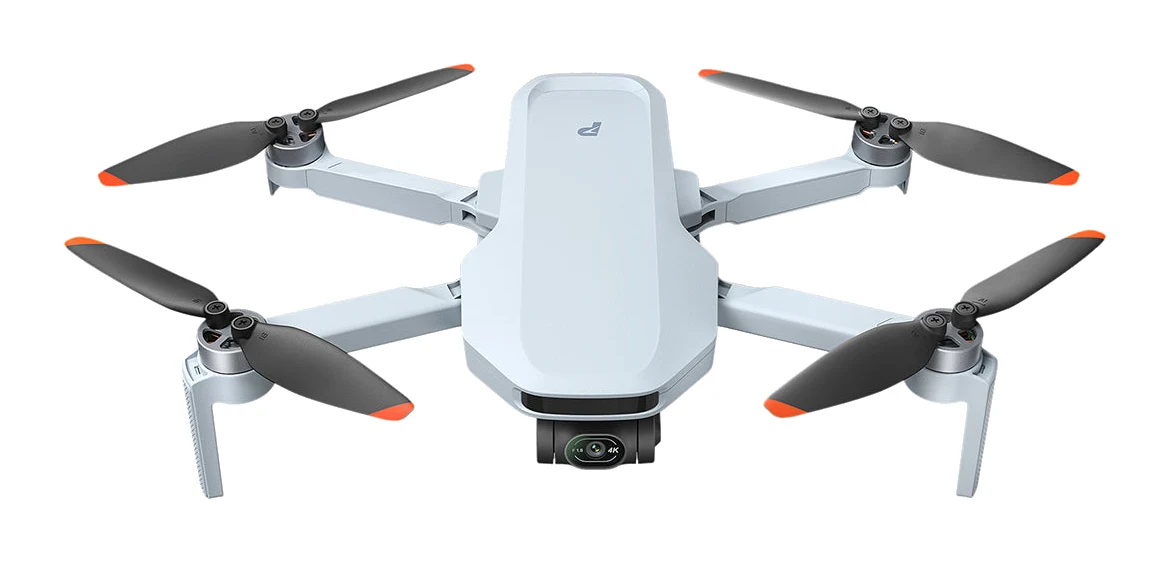
The Potensic Atom 2 packs a 3-axis gimbal, 4K/30fps HDR video, AI tracking and up to 32 minutes of flight into a folding body under 249 g. Here is who it suits and where it falls short.
Research-based · We earn from qualifying purchases
Our verdict
The Potensic Atom 2 is a light, capable folding drone with a stabilized 4K camera, AI tracking and long range at a mid-range price, making it a strong DJI alternative for beginners and hobbyists. Skip it if you need obstacle avoidance, strong low-light performance or RAW stills.
The good
- Under 249 g, so no FAA registration for recreational use
- 1/2" sensor delivers smooth 4K/30 HDR video and detailed 48 MP stills
- 3-axis mechanical gimbal keeps footage stable
- AI Track and six QuickShots make cinematic shots easy
- Up to 32 minutes of flight time and 10 km range
+2 more
- AI Track and six QuickShots make cinematic shots easy
- Up to 32 minutes of flight time and 10 km range
The bad
- No obstacle avoidance, so flying near trees or buildings needs care
- Low-light and AI Night footage is only so-so
- 48 MP stills are JPEG only, with no RAW option
- Light body gets pushed around in strong gusts
+1 more
- Light body gets pushed around in strong gusts
This Potensic Atom 2 review looks at a folding camera drone aimed at people who want aerial 4K video without paying flagship money or dealing with extra paperwork. It weighs under 249 g, carries a 1/2" Sony CMOS sensor on a 3-axis mechanical gimbal, and adds AI tracking, automated QuickShots and a long-range video link. It sits in the mid-range part of the market, and it suits beginners who want a 4K camera drone under 249 g without paying flagship money.
This article is based on Potensic's published specifications and on what independent expert reviews report. It is not a hands-on test. The picture that emerges is a drone with a lot going for it and one significant omission: it has no obstacle avoidance.
Potensic Atom 2: specs at a glance
From the manufacturer- Lens
- f/1.8, 79.4° FOV, ≈26 mm equivalent
- Max video
- 4K at 30 fps; 1080p up to 60 fps
- Folded size
- 88 × 143 × 58 mm
- Image sensor
- 1/2" CMOS, 48 MP effective
- Takeoff weight
- < 249 g (with battery, propellers and microSD card)
- Max flight time
- 32 minutes (29 minutes hovering)
- Obstacle avoidance
- None
- Satellite navigation
- GPS + GLONASS + Galileo + BeiDou
- Max transmission distance
- 10 km
- Max wind speed resistance
- 38 km/h (Level 5)
- Remote controller battery
- Li-ion, 18.72 Wh (3.6V, 2600mAh × 2)
- Live view quality / latency
- 1080p@30fps / 120 ms
- Max horizontal speed (Sport)
- 16 m/s
- Unfolded size (propellers included)
- 300 × 242 × 58 mm
- Max flight altitude / takeoff altitude
- 120 m (subject to local regulations) / 4000 m
Key features
- Under 249 g, so no FAA registration for recreational use
- 1/2" Sony CMOS sensor for 48 MP stills and 4K/30fps HDR video
- 3-axis mechanical gimbal for smooth, stable footage
- AI Track with Spotlight, Follow and Parallel modes
- Six QuickShots, including Dolly Zoom
- AI Night mode for low-light video
- PixSync 4.0 link: 1080p@30fps live view up to 10 km
- Folds to 88 × 143 × 58 mm; Fly More combo adds batteries and a bag
Potensic Atom 2 review: design and portability
The Atom 2 folds down to 88 × 143 × 58 mm, which is small enough to carry in a bag without planning around it. Unfolded, with the propellers included, it measures 300 × 242 × 58 mm. The Fly More combo adds extra batteries and a carry bag, which is worth a look if you want to fly more than one pack's worth in a session.
The headline design point is weight. Takeoff weight is under 249 g with the battery, propellers and a microSD card fitted. That matters because, for recreational use, a drone under that threshold doesn't need FAA registration. Rules differ by country and by how you fly, so check your local regulations, but staying under 249 g is a big part of this drone's appeal for first-time owners.
The flip side of a light body is wind. A common criticism from reviewers is that the Atom 2 gets pushed around in strong gusts. Potensic quotes a maximum wind resistance of 38 km/h (Level 5), but a light airframe in blustery conditions will always have less margin than a heavier one, so treat that figure as an upper limit rather than a comfortable cruising condition.
Camera and video quality
The camera is the reason to consider this drone. A 1/2" CMOS sensor with 48 MP effective resolution sits behind an f/1.8 lens with a 79.4° field of view, which is about 26 mm equivalent. Video tops out at 4K at 30 fps with HDR, and 1080p goes up to 60 fps. Tom's Guide lists FHD slow motion at 120fps, though Potensic's own spec sheet gives 60 fps as the 1080p ceiling, so check the current firmware and mode list before relying on it.
Reviewers praise the 4K/30 HDR footage as smooth, and the 3-axis mechanical gimbal is a large part of that. A mechanical gimbal physically stabilizes the camera, rather than relying on cropping and software to hide movement, which is what you want for cinematic pans and reveals. Stills are described as detailed at 48 MP.
There are two camera limits worth knowing about before you buy:
- Low light. The Atom 2 has an AI Night mode for low-light video, but experts describe low-light and AI Night footage as only so-so. If you mostly fly at dusk or after dark, this is probably not the drone for you.
- Stills format. The 48 MP photos are JPEG only, with no RAW option. If you like to edit in detail, that limits how much you can pull out of a file after the fact.
For daytime travel clips, family outings and social video, the camera spec is well matched to what most beginners want to shoot.
Smart features that make shots easier
The Atom 2 leans heavily on automation, which is a good fit for newer pilots.
AI Track
AI Track comes with three modes: Spotlight, Follow and Parallel. These let the drone keep a chosen subject in frame while you concentrate on flying, or let it fly alongside or behind a moving subject. Reviewers cite AI Track as one of the features that makes cinematic shots easy for people without much piloting skill.
QuickShots
There are six QuickShots, including Dolly Zoom. These are pre-programmed flight moves that produce a finished-looking clip with a single selection. They are a quick way to get something shareable out of a short flight, and they take some of the guesswork out of framing.
Why obstacle avoidance matters here
Automated tracking and QuickShots are most useful in open space, and the Atom 2's obstacle avoidance spec is simply "None". Reviewers flag that flying near trees or buildings needs care. If you use AI Track to follow a subject through a landscape with branches, poles or walls, you are the only collision protection. Used sensibly in open areas, the automation is a real asset. Used carelessly, it's a risk.
Flight performance, range and battery
Potensic quotes a maximum flight time of 32 minutes, or 29 minutes of hovering. Those are best-case figures, and real flights will vary with wind, flight mode and how aggressively you fly. Even so, reviewers list the long flight time among the Atom 2's strengths, and it means you can set up several shots on a single battery.
Navigation uses GPS, GLONASS, Galileo and BeiDou satellite systems. Maximum horizontal speed in Sport mode is 16 m/s. The maximum flight altitude is 120 m, subject to local regulations, and the maximum takeoff altitude is 4000 m.
Transmission and live view
The PixSync 4.0 link supports a 1080p@30fps live view at up to 10 km. Potensic lists live-view latency at 120 ms. The 10 km figure is a maximum transmission distance under ideal conditions, and in practice you should always keep the drone within visual line of sight where the law requires it. What the long-range figure does tell you is that the link has headroom, so signal strength is less likely to be the thing that limits a normal flight.
What experts like and what they criticise
The Atom 2 averages 8.5/10 across 2 expert reviews. Tom's Guide scores it 4.5/5 and TechRadar scores it 4/5. It is also recommended in 2 expert buying guides.
Reviewers consistently praise:
- The sub-249 g weight and the lack of FAA registration for recreational use.
- Smooth 4K/30 HDR video and detailed 48 MP stills from the 1/2" sensor.
- Stable footage thanks to the 3-axis mechanical gimbal.
- AI Track and six QuickShots, which make cinematic shots easy.
- Up to 32 minutes of flight time and 10 km range.
The common criticisms are:
- No obstacle avoidance, so flying near trees or buildings needs care.
- Low-light and AI Night footage is only so-so.
- 48 MP stills are JPEG only, with no RAW option.
- The light body gets pushed around in strong gusts.
It is worth noticing how these line up. The praise is about ease of use and value, while the complaints are about missing high-end features and about caution in difficult conditions. That is typical of a drone positioned for beginners and hobbyists, and none of the criticisms undermines the daytime-flying case.
Who should buy the Potensic Atom 2
Buy it if:
- You are new to drones and want a camera that records 4K/30fps HDR without a steep learning curve.
- You want a light, folding drone that is easy to take on trips and that falls under the 249 g threshold.
- You like the idea of AI Track and QuickShots doing some of the creative work.
- You value a long flight time and a 10 km maximum video range, and you plan to fly mostly in open areas and daylight.
Skip it if:
- You want obstacle avoidance as a safety net. You would be flying without it here.
- You regularly shoot in low light and need clean night footage.
- You want RAW stills for serious editing.
- You expect to fly often in strong wind, where a light body will be less settled.
How it fits in its category
The Atom 2 puts its weight on camera hardware, automation and range, and leaves out obstacle sensing and RAW capture. That makes it a sensible fit for pilots who prioritize image quality and ease of shooting over protective tech. If obstacle avoidance or strong night performance matter to you, you will want to look at other drones, as those are the areas where this one is limited.
Verdict: a capable beginner drone with clear limits
The Potensic Atom 2 covers the essentials well. It is light and foldable, the 4K/30fps HDR camera is stabilized by a 3-axis gimbal, the automation is useful, and the flight time (up to 32 minutes) and range (10 km) are long. Its weaknesses are just as clear: no obstacle avoidance, middling low-light video, JPEG-only stills and a body that suffers in strong gusts. Fly it in open, daylight conditions and treat it as a lightweight travel camera, and it has a lot to offer. If you need the safety and image-quality extras it leaves out, look elsewhere.
Related buying guides
- Best Drone for Beginners 2026: Five DJI and Potensic Picks
- DJI Mini 5 Pro Review (2026): Big Sensor, Tiny Body
- DJI Mini 4 Pro Review (2026): Tiny Drone, Big Video Specs
- DJI Flip Review (2026): A Safer Drone for Vloggers
- DJI Neo 2 Review (2026): A Palm-Launch Drone for Beginners
- DJI Neo Review (2026): Palm-Launch Drone for Beginners
- DJI Mini 5 Pro vs DJI Neo (2026): Camera vs Simplicity
- Insignia NS-55F501NA26 Review (2026): Simple 4K Fire TV
Not sure about the Potensic Atom 2? Consider these
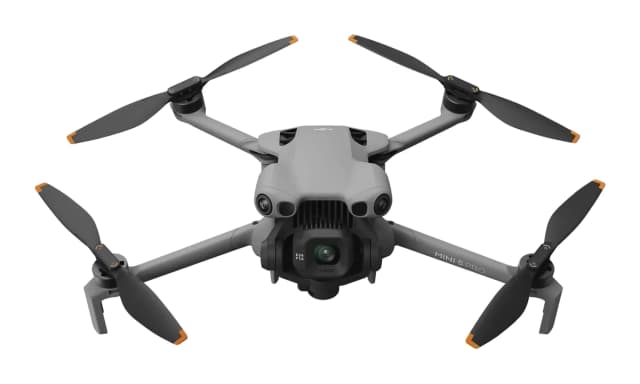
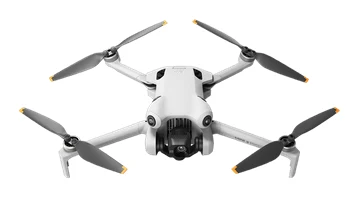
- Best OverallDJI Mini 5 ProWhy we picked it →
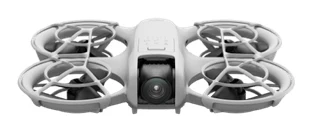
- Best ValueDJI NeoWhy we picked it →
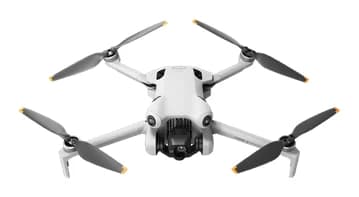
- Premium PickDJI Mini 4 ProWhy we picked it →
Frequently asked questions
Is the Potensic Atom 2 worth it?
For beginners and hobbyists who want a light folding drone with 4K/30fps HDR video, a 3-axis gimbal, AI tracking and long range, reviewers think so. It averages 8.5/10 across 2 expert reviews. It is less suitable if you need obstacle avoidance, strong low-light video or RAW stills.
Does the Potensic Atom 2 need FAA registration?
It weighs under 249 g with battery, propellers and microSD card, so it doesn't need FAA registration for recreational use. Rules differ by country and by type of flying, so check your local regulations before you fly.
Does the Potensic Atom 2 have obstacle avoidance?
No. Potensic's spec sheet lists obstacle avoidance as none, and reviewers note that flying near trees or buildings needs care. You are responsible for keeping the drone clear of obstacles.
How long does the Potensic Atom 2 fly on a battery?
Potensic quotes a maximum flight time of 32 minutes, or 29 minutes when hovering. Real-world times depend on wind and how you fly. The Fly More combo adds batteries if you want longer sessions.
What video quality does the Potensic Atom 2 record?
It records 4K at 30 fps with HDR from a 1/2" CMOS sensor, and 1080p up to 60 fps. Stills are 48 MP JPEGs with no RAW option. Experts describe low-light and AI Night footage as only so-so.
How far can the Potensic Atom 2 fly from the controller?
The PixSync 4.0 link has a maximum transmission distance of 10 km, with a 1080p@30fps live view. That is a best-case figure, and you should keep the drone within visual line of sight where the law requires it.
Sources
Specs are taken from the manufacturers' official pages; expert recommendations from the publications below.
- Potensic Atom 2: store.potensic.com, thedronegirl.com, fstoppers.com, dronexl.co
Related reviews & guides
Best Drone for Beginners 2026: Five DJI and Potensic Picks
Five beginner-friendly drones compared on manufacturer specs and expert recommendations, from the palm-launch DJI Neo to the camera-focused DJI Mini 5 Pro.
Published Oct 9, 2026DJI Mini 5 Pro Review (2026): Big Sensor, Tiny Body
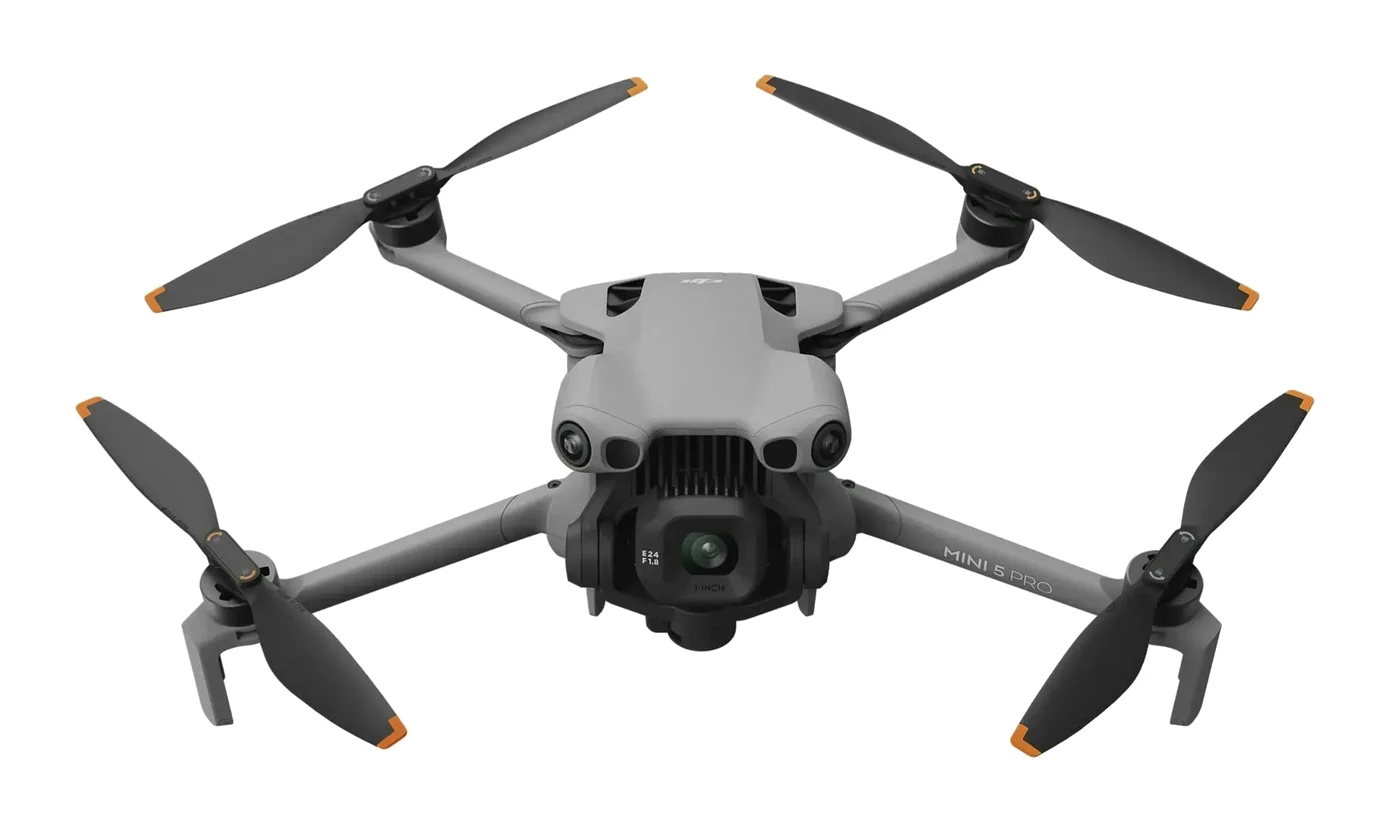
A 1-inch 50MP sensor, forward LiDAR and a 225° gimbal in a drone that folds down small. Here is what the DJI Mini 5 Pro offers, where reviewers see limits, and who it suits.
Published Oct 22, 2026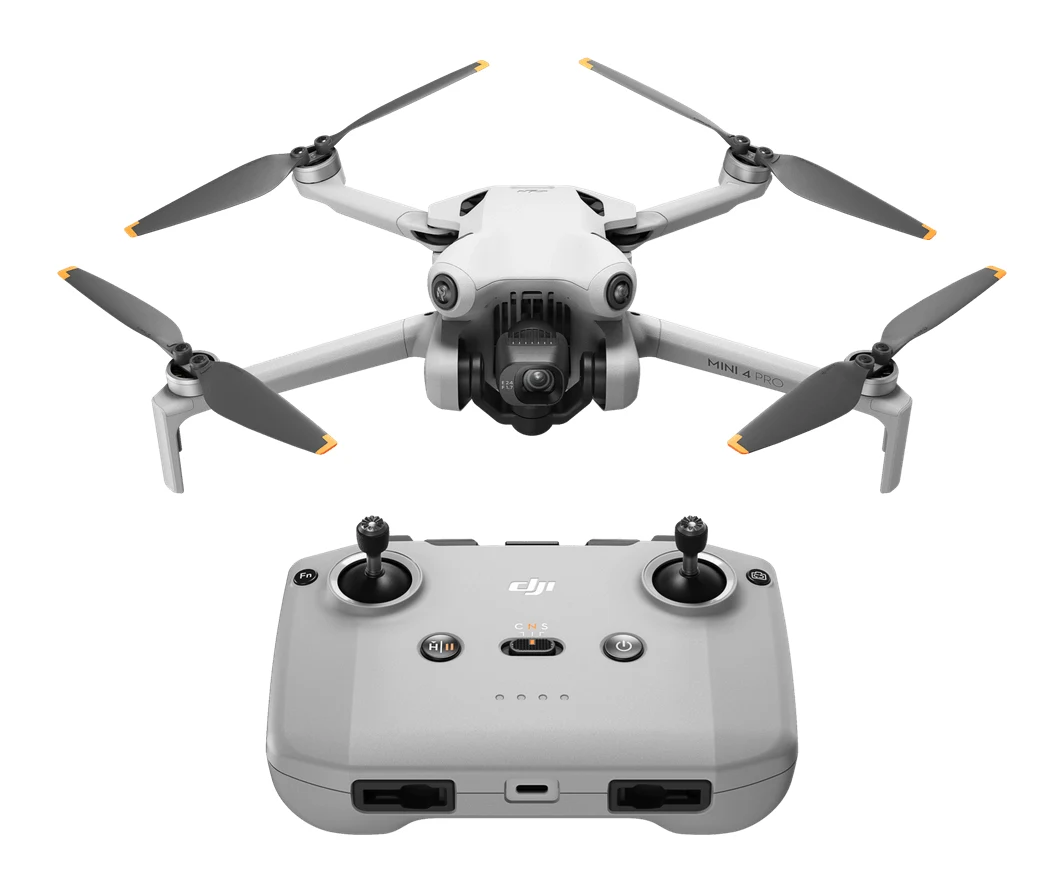
DJI Mini 4 Pro Review (2026): Tiny Drone, Big Video Specs
A look at the DJI Mini 4 Pro: a foldable sub-250 g drone with omnidirectional obstacle sensing and 4K at 100 fps. We cover who it suits and where wind, low light and battery life can disappoint.
Published Nov 4, 2026