TP-Link Archer BE770 Review (2026): Multi-Gig Wi-Fi 7
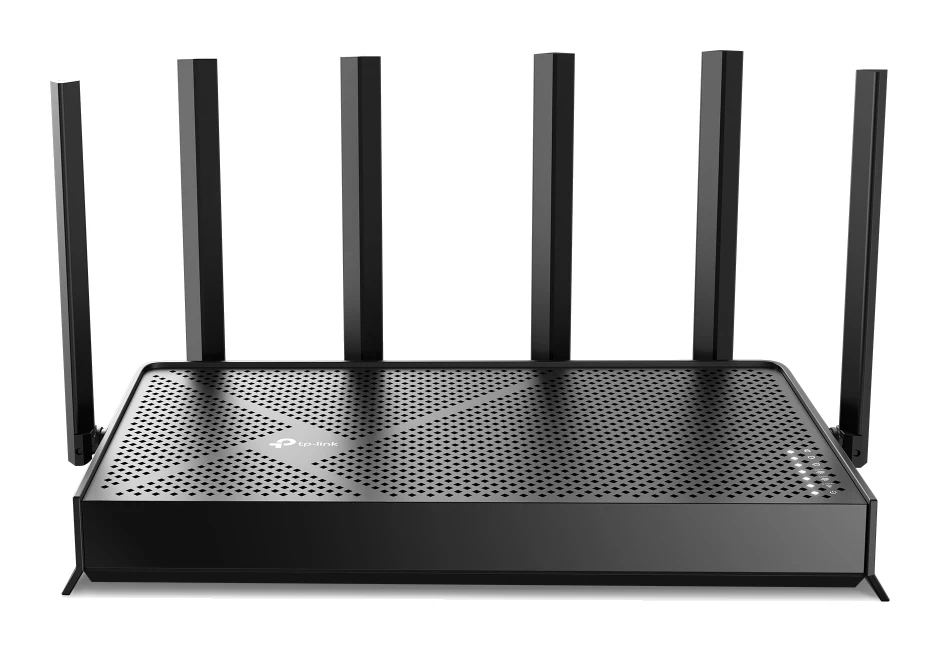
A look at the TP-Link Archer BE770, a tri-band Wi-Fi 7 router with 10 Gbps WAN and LAN ports, based on its specs and what independent reviewers report.
Research-based · We earn from qualifying purchases
Our verdict
The Archer BE770 suits households with multi-gig internet that want a fast, long-range Wi-Fi 7 router with 10 Gbps wired ports and easy setup. Skip it if you need many multi-gig LAN ports, strong 2.4 GHz performance, a compact router, or dedicated gaming features.
The good
- Tri-band Wi-Fi 7 with fast 6 GHz and 5 GHz speeds
- One 10 Gbps WAN and one 10 Gbps LAN port for multi-gig setups
- Rated for 3,600 sq ft with ten antennas and beamforming
- Dedicated Zero Wait DFS antenna avoids outages during channel changes
- Two USB 3.0 ports, EasyMesh support, and VPN server and client
+2 more
- Dedicated Zero Wait DFS antenna avoids outages during channel changes
- Two USB 3.0 ports, EasyMesh support, and VPN server and client
The bad
- Four of five LAN ports are limited to 1 Gbps
- 2.4 GHz speed is modest at 688 Mbps
- Large footprint needs plenty of shelf or desk space
- Lacks the extra gaming features of TP-Link's gaming routers
+1 more
- Lacks the extra gaming features of TP-Link's gaming routers
This TP-Link Archer BE770 review looks at a tri-band Wi-Fi 7 router built for homes that have outgrown gigabit internet. Its headline features are a 10 Gbps WAN port, a 10 Gbps LAN port and a speed class of BE18000. It sits in the mid-range part of the market, and it is aimed at multi-gig internet households that want a capable Wi-Fi 7 router without moving to a gaming-focused model.
This review is based on TP-Link's manufacturer specs and on what independent expert reviews report. We have not run our own hands-on tests.
TP-Link Archer BE770: specs at a glance
From the manufacturer- USB
- 2× USB 3.0
- Mesh
- EasyMesh compatible
- Antennas
- 10 internal
- WAN port
- 1× 10 Gbps
- Warranty
- Limited 2-Year Manufacturer Warranty
- LAN ports
- 1× 10 Gbps, 4× 1 Gbps
- 5 GHz speed
- 5764 Mbps
- 6 GHz speed
- 11529 Mbps
- 2.4 GHz speed
- 688 Mbps
- Rated coverage
- 3,600 sq ft
- Wi-Fi standard
- Wi-Fi 7 (802.11be), tri-band
- Combined speed class
- BE18000 (up to 18 Gbps)
- Dimensions (W×D×H)
- 4.1 × 11.7 × 10.4 in (104.3 × 297 × 264.5 mm)
Key features
- Tri-band Wi-Fi 7 (BE18000) with 18 Gbps combined speed for 4K/8K streaming and large downloads
- One 10 Gbps WAN port and one 10 Gbps LAN port for multi-gig internet and fast wired backhaul
- Ten internal antennas with beamforming for strong, steady coverage
- Dedicated Zero Wait DFS antenna avoids the roughly one-minute outage when channels change
- Two USB 3.0 ports for network storage
- EasyMesh compatibility to expand into a mesh
- HomeShield security, plus VPN server and client
- Setup via the Tether app or a web browser
What the Archer BE770 is
The Archer BE770 is a tri-band router using the Wi-Fi 7 (802.11be) standard. It is rated BE18000, which means up to 18 Gbps of combined speed across its three bands. That figure is a sum of the bands, not what one phone or laptop will reach. A single device only ever connects on one band at a time.
TP-Link also includes the practical extras a household router needs: two USB 3.0 ports, EasyMesh compatibility, HomeShield security, and VPN server and client support. Setup runs through the Tether app or a web browser, so you don't have to use the app if you'd rather not.
TP-Link Archer BE770 review: design and build
TP-Link lists the dimensions as 4.1 × 11.7 × 10.4 in (104.3 × 297 × 264.5 mm). That is a big router, and reviewers repeatedly flag the large footprint as a drawback. If you plan to tuck it onto a narrow shelf or a small media console, check the clearance first. A router this size makes more sense on an open shelf or a desk.
Inside are ten internal antennas, so there are no external antennas to bend or snap off. TP-Link pairs those antennas with beamforming, which focuses signal toward connected devices instead of broadcasting evenly in every direction. The company rates coverage at 3,600 sq ft. Real-world range always depends on walls, floors and interference, but that rating puts it in the territory of a large family home.
The warranty is a Limited 2-Year Manufacturer Warranty.
Wi-Fi 7 speeds across three bands
The three bands are rated as follows:
- 6 GHz: 11529 Mbps
- 5 GHz: 5764 Mbps
- 2.4 GHz: 688 Mbps
The 6 GHz band is where Wi-Fi 7 does its best work. It is the least congested band, and devices that support it can reach the highest speeds, though only at relatively close range. The 5 GHz band is the broad workhorse for most modern devices. Reviewers praise the fast 6 GHz and 5 GHz speeds.
The 2.4 GHz band is a different story. At 688 Mbps it is modest, and reviewers note the 2.4 GHz speed as a weakness. In practice this band mostly serves smart-home gadgets and other low-bandwidth clients, where raw speed matters less than reach. Still, if you rely heavily on 2.4 GHz devices, it's a limitation to be aware of.
To see the full benefit, your devices need to support Wi-Fi 7 themselves. Older Wi-Fi devices will connect, but they won't reach the top rated speeds.
Wired connections: the real reason to buy
The wired side is a highlight. It has one 10 Gbps WAN port and one 10 Gbps LAN port. If your internet provider delivers a multi-gig connection, the WAN port means the router itself won't be the bottleneck. The 10 Gbps LAN port gives you a fast link to a workstation or a storage device. It can also serve as a fast wired backhaul if you extend the network with a second EasyMesh unit.
The catch is that the other four LAN ports are limited to 1 Gbps. For most homes that is plenty for TVs, consoles and desktop PCs. But if you were hoping to connect several devices at multi-gig speeds, one 10 Gbps LAN port will feel restrictive. Reviewers list it among the main criticisms, and it is the clearest reason some buyers will want to look elsewhere.
Two USB 3.0 ports let you share a drive across the network. That's handy for light file sharing. For anything more serious, such as backups, media libraries or multi-user storage, a dedicated NAS is a better fit.
Features that matter day to day
Zero Wait DFS
The 5 GHz band shares some channels with weather radar and similar systems, and routers must move off those channels when radar is detected. This is called DFS (Dynamic Frequency Selection). Without a dedicated antenna, a channel change can cause an outage of roughly one minute. The Archer BE770 has a dedicated Zero Wait DFS antenna to avoid that interruption. Reviewers praise this dedicated antenna. It is the kind of feature you only notice when it prevents a dropped video call.
Mesh, security and VPN
EasyMesh compatibility means you can expand coverage into a mesh later if 3,600 sq ft isn't enough, or if your layout has awkward dead spots. HomeShield provides the security tools, and the router can act as both a VPN server and a VPN client. That's useful whether you want to reach your home network remotely or route traffic through a VPN service for the whole house.
Setup
Setup can be done through the Tether app or a web browser. That flexibility suits both people who want a quick guided install and people who prefer a full browser interface.
What experts like and what they criticise
Reviewers praise the tri-band Wi-Fi 7 performance, the 10 Gbps WAN and LAN pair, the coverage rating with ten antennas and beamforming, and the Zero Wait DFS antenna. They also praise the two USB 3.0 ports, EasyMesh support, and VPN server and client. Tom's Guide gives it 4.5 out of 5, and it has been recommended in an independent expert buying guide.
The criticisms are consistent:
- Only one of the five LAN ports runs at 10 Gbps; the other four are limited to 1 Gbps.
- The 2.4 GHz speed is modest.
- The footprint is large.
- It lacks the extra gaming features found on TP-Link's gaming routers.
None of these are hidden flaws. They are the trade-offs of a router positioned as a capable all-rounder in the mid-range part of the market.
Who should buy the Archer BE770
This router makes sense if you:
- have, or are about to get, a multi-gig internet plan and want the WAN port to keep up;
- want a fast Wi-Fi 7 router for a large home, backed by a 3,600 sq ft coverage rating;
- need one fast wired connection, for example to a workstation or storage;
- like the idea of easy setup, built-in security tools and VPN support;
- may want to grow into a mesh network later.
Who should skip it
Look elsewhere if you:
- need several multi-gig LAN ports for a home office or media setup;
- depend on strong 2.4 GHz performance;
- have limited space and want a compact router;
- want dedicated gaming features, which TP-Link keeps for its gaming routers.
If your internet plan is gigabit or slower and your devices are mostly older, the multi-gig hardware here goes largely unused. In that case a simpler router could meet your needs.
How it fits in the router market
In general terms, Wi-Fi 7 routers range from compact, budget-friendly models to premium units with several multi-gig ports and gaming tuning. The Archer BE770 sits in the middle. You get the 10 Gbps WAN and LAN ports, the Zero Wait DFS antenna and the long-range design, but not a full set of multi-gig LAN ports or gaming extras. It is best seen as a router for people who want to unlock a fast internet plan and have a decent wired and wireless setup, not for those chasing every premium feature.
Verdict
The Archer BE770 is a well-rounded Wi-Fi 7 router whose main selling point is its 10 Gbps wired connectivity, supported by fast 6 GHz and 5 GHz bands, a coverage rating suited to big homes and a Zero Wait DFS antenna that keeps the connection steady. Its weak points are clear and easy to check against your own needs: a single 10 Gbps LAN port, a modest 2.4 GHz band and a large body. If those trade-offs fit your home, it is a sensible mid-range choice for a multi-gig household. Use the check price button to see current pricing.
Related buying guides
- TP-Link Deco BE63 Review (2026): Multi-Gig Wi-Fi 7 Mesh
- TP-Link Deco BE23 Review (2026): A Simple Wi-Fi 7 Mesh
- Best Wi-Fi Routers in 2026: Wi-Fi 7 for Homes of Every Size
- TP-Link Deco X55 Review (2026): Easy Mesh, Gigabit Limits
- Best Mesh Wi-Fi System for 2026: Wi-Fi 7 on Any Budget
- Best Wi-Fi Range Extenders for 2026 to Kill Dead Zones
- TP-Link RE315 Review (2026): One Extra Room, Kept Simple
Not sure about the TP-Link Archer BE770? Consider these
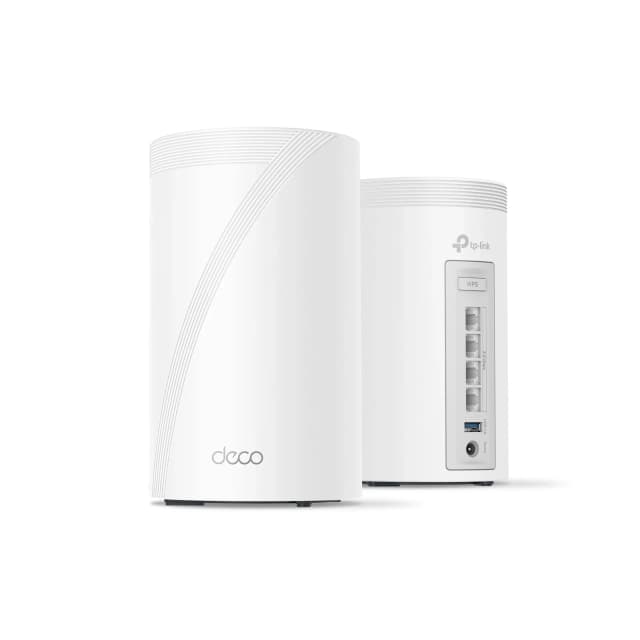
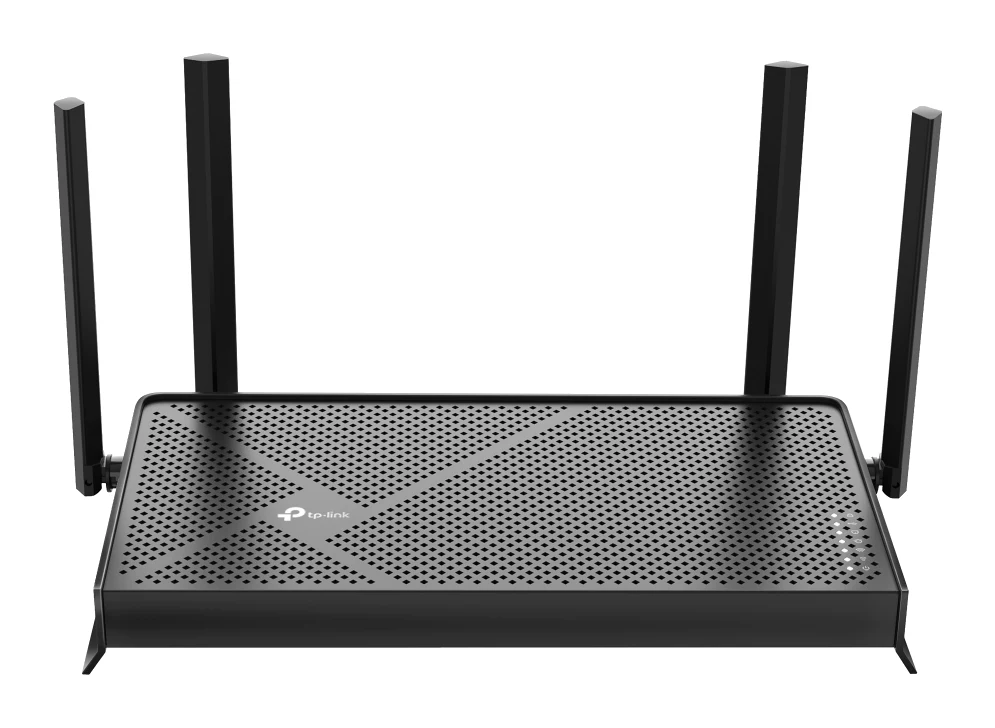
- Best OverallTP-Link Deco 7 Pro BE63Why we picked it →
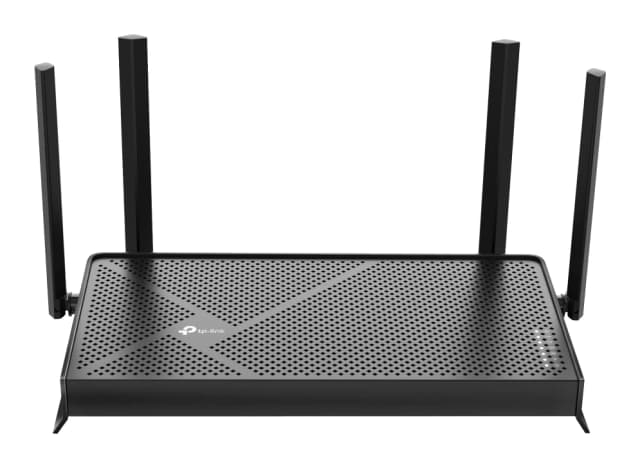
- Best ValueTP-Link Archer BE3600Why we picked it →
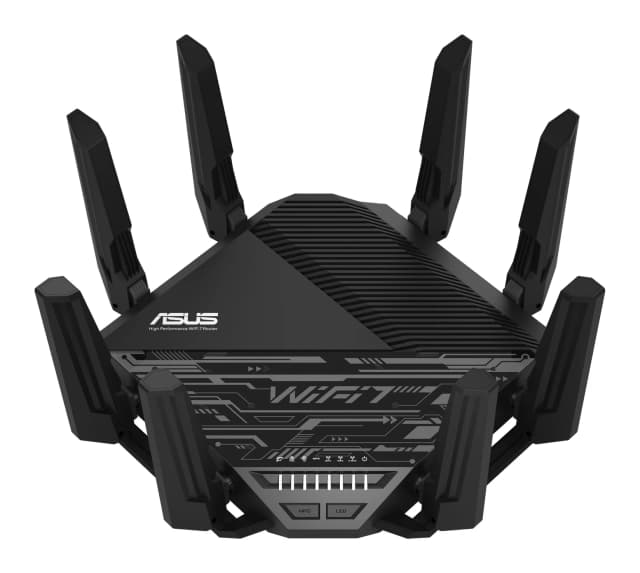
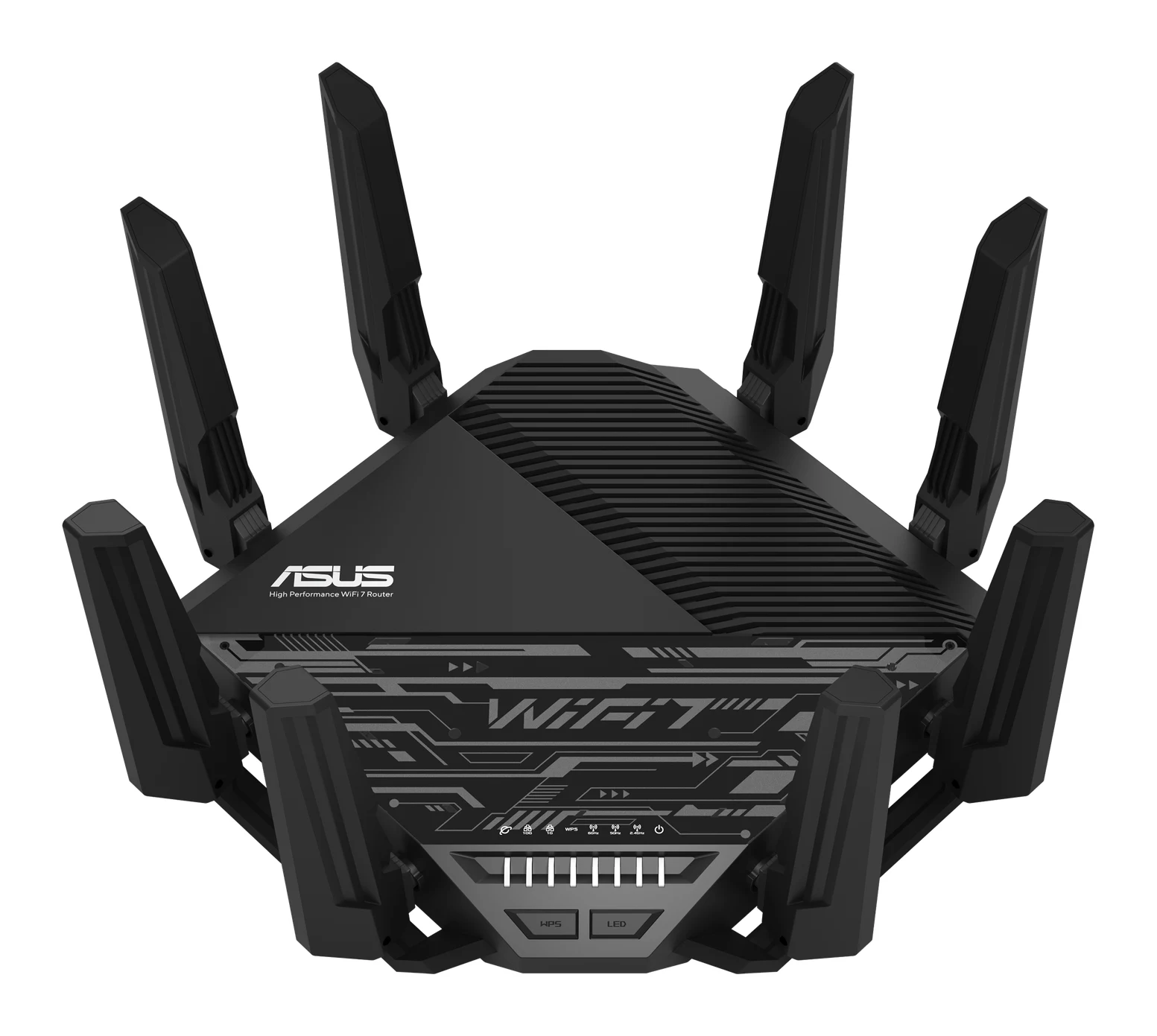
- Premium PickASUS RT-BE96U BE19000Why we picked it →
Frequently asked questions
Is the TP-Link Archer BE770 worth it?
It is worth considering if you have multi-gig internet and want a Wi-Fi 7 router with a 10 Gbps WAN port and a 10 Gbps LAN port. It is less compelling if you need several multi-gig LAN ports, strong 2.4 GHz performance or a compact design. Tom's Guide gives it 4.5 out of 5.
Does the Archer BE770 support Wi-Fi 7?
Yes. It is a tri-band Wi-Fi 7 (802.11be) router in the BE18000 class, with up to 18 Gbps of combined speed across its bands. Your devices need to support Wi-Fi 7 to benefit fully.
How many 10 Gbps ports does the Archer BE770 have?
It has one 10 Gbps WAN port and one 10 Gbps LAN port. The four other LAN ports are limited to 1 Gbps.
How much space does the Archer BE770 cover?
TP-Link rates it for 3,600 sq ft, using ten internal antennas with beamforming. Actual coverage depends on your home's layout, walls and interference.
Can the Archer BE770 be used in a mesh network?
Yes, it is EasyMesh compatible, so you can expand it into a mesh if you need more coverage.
Is the Archer BE770 good for gaming?
It offers fast wireless bands and wired connections, but reviewers note it lacks the extra gaming features found on TP-Link's gaming routers. If dedicated gaming tools matter to you, consider those models instead.
Sources
Specs are taken from the manufacturers' official pages; expert recommendations from the publications below.
- TP-Link Archer BE770: tp-link.com, fixoryhq.com, tomsguide.com
Related reviews & guides
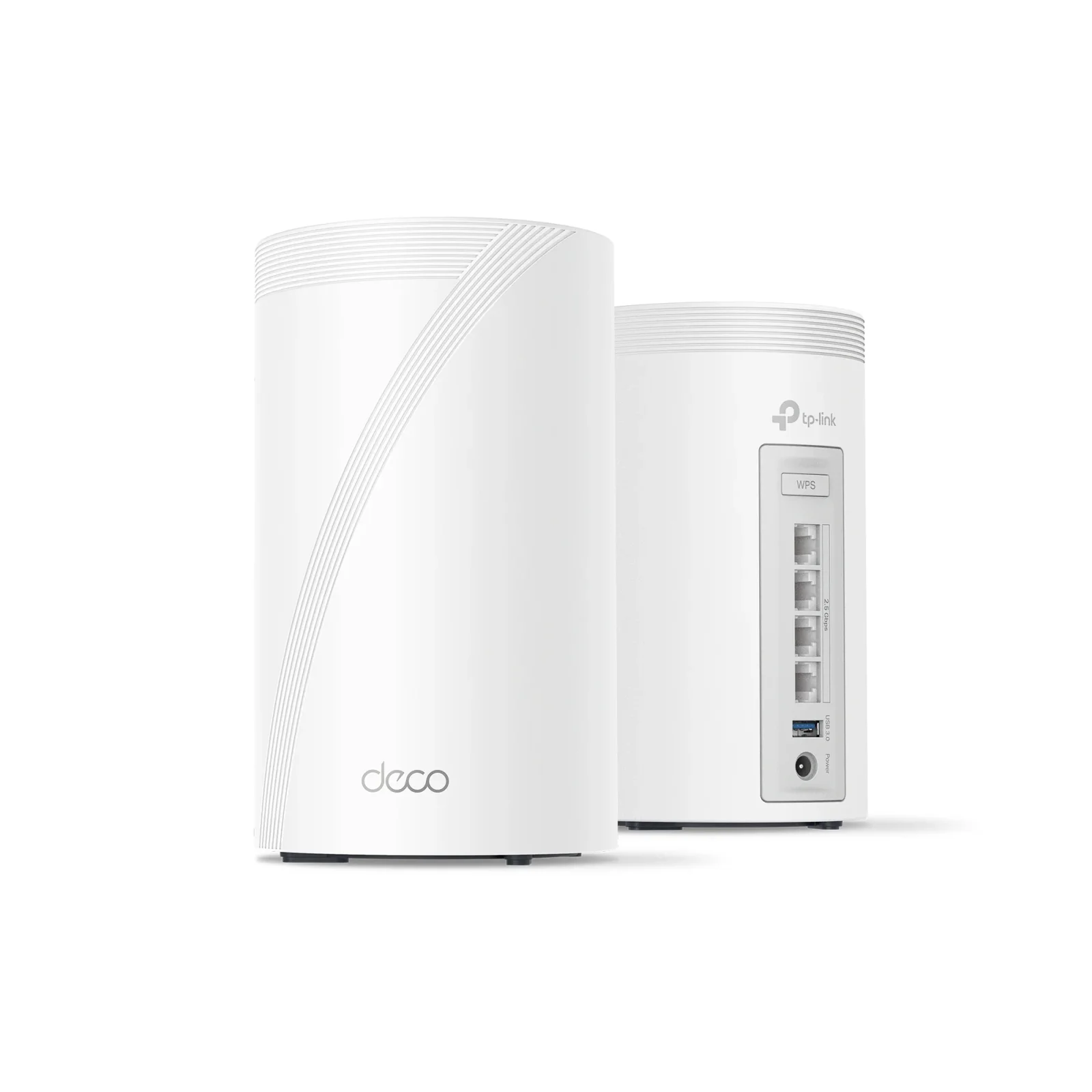
TP-Link Deco BE63 Review (2026): Multi-Gig Wi-Fi 7 Mesh
A look at the TP-Link Deco BE63, a mid-range tri-band Wi-Fi 7 mesh system with multi-gig ports on every unit, based on its specs and what independent experts report.
Published Oct 20, 2026
TP-Link Deco BE23 Review (2026): A Simple Wi-Fi 7 Mesh
The TP-Link Deco BE23 brings Wi-Fi 7, MLO and 2.5 Gbps ports to a mid-range mesh system. Here is what it does well, where it compromises, and who it suits.
Published Nov 4, 2026Best Wi-Fi Routers in 2026: Wi-Fi 7 for Homes of Every Size
Five Wi-Fi 7 routers compared on speed, wired ports, coverage and security, from a compact apartment pick to a 10 Gbps flagship and a smart home hub.
Published Oct 30, 2026