Yamaha P-145BT Review (2026): Slim Piano for Small Spaces
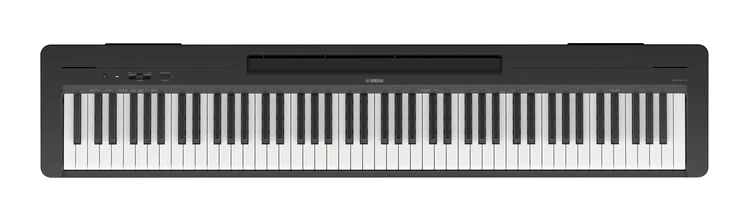
The Yamaha P-145BT is a slim, weighted-key digital piano with a CFIIIS grand tone and Bluetooth audio. Here's who it suits and where it falls short.
Research-based · We earn from qualifying purchases
Our verdict
The P-145BT is a light, space-saving digital piano with a convincing weighted action and a clean grand piano tone, plus handy Bluetooth audio. It suits beginners and small-space players, but advanced players wanting expressive response, many voices or battery power should look elsewhere.
The good
- 88 weighted Graded Hammer Compact keys give a realistic acoustic-piano feel
- Clean, bright CFIIIS concert grand tone suits beginners
- Slim 24.5 lb body fits desks, small rooms and classrooms
- Built-in Bluetooth audio streams songs and lessons through the speakers
- Punchy 7 W + 7 W speakers, with Sound Boost for extra volume
+2 more
- Built-in Bluetooth audio streams songs and lessons through the speakers
- Punchy 7 W + 7 W speakers, with Sound Boost for extra volume
The bad
- Only 10 voices, and some non-piano sounds are weak
- 64-note polyphony can run out with layering or heavy pedalling
- Powered by AC adapter only, with no battery option
- Included sustain switch is basic; the three-pedal unit is optional
+1 more
- Included sustain switch is basic; the three-pedal unit is optional
If you want a real piano feel without giving up a corner of the living room, this Yamaha P-145BT review is for you. The P-145BT is a compact 88-key digital piano built around weighted keys, a concert grand sound and built-in Bluetooth audio. It sits in the mid-range part of the market and is aimed at beginners and anyone short on space who still wants to learn on a keyboard that behaves like a piano.
Yamaha P-145BT: specs at a glance
From the manufacturer- Power
- AC adapter only (no battery option)
- Reverb
- 4 types
- Voices
- 10
- Weight
- 24 lbs 8 oz (11.1 kg)
- Keyboard
- 88 keys, Graded Hammer Compact (GHC) action
- Speakers
- 7 W + 7 W
- Tempo range
- 32–280 BPM
- Connectivity
- Bluetooth audio, USB to HOST (MIDI & Audio), 1/4" headphone jack (also line out)
- Preset songs
- 20 (10 Voice Demo, 10 Piano Preset)
- Tone generator
- Yamaha CFIIIS concert grand piano
- Maximum polyphony
- 64 notes
- Touch sensitivity
- Hard, medium, soft, fixed
- Included accessories
- Music rest, sustain foot switch, AC adapter
- Dimensions (W x D x H)
- 52-3/16" x 10-9/16" x 5-1/16"
Key features
- 88 weighted, touch-sensitive Graded Hammer Compact keys for an acoustic-piano feel
- Yamaha CFIIIS concert grand piano sound with Damper Resonance DSP
- Built-in Bluetooth audio to stream songs and lessons through the piano's speakers
- Slim, lightweight body that fits desks, small rooms and classrooms
- Duo mode splits the keys for teacher and student; Dual mode layers two voices
- Smart Pianist and Rec'n'Share apps for control, lessons, and recording and sharing
- USB to HOST carries MIDI and audio over a single cable
- Sound Boost for extra speaker volume; compatible with the optional LP-5A three-pedal unit
Design and build
The P-145BT is a slim, lightweight instrument. It measures 52-3/16" x 10-9/16" x 5-1/16" and weighs 24 lbs 8 oz (11.1 kg). That makes it practical for a desk, a small bedroom or a classroom, and light enough to move between rooms when you need to. The slim, light body is one of its strengths.
It is a self-contained piano with built-in speakers, so you don't need an amp or a separate sound system to start playing. A music rest, a sustain foot switch and an AC adapter are in the box. Power comes from the AC adapter only, with no battery option. That is fine for a piano that lives in one room, but you can't take it to a park or a gig without a power outlet nearby.
The keyboard action
The headline feature is the 88-key Graded Hammer Compact (GHC) action. The keys are weighted and touch-sensitive, giving an acoustic-piano feel. For a beginner this matters more than almost any other spec. Habits built on unweighted keys, such as how much finger strength you use and how you control dynamics, don't carry over well to a real piano.
Touch sensitivity has four settings: hard, medium, soft and fixed.
Reviewers praise the realistic, acoustic-piano feel of this action. The caveat is that advanced players looking for expressive, nuanced response may find it limiting. Advanced players looking for expressive response should look elsewhere.
Sound and speakers
The tone generator is Yamaha's CFIIIS concert grand piano sound, paired with Damper Resonance DSP. In day-to-day terms, the sample is clean and bright, which reviewers say suits beginners.
The built-in speakers are 7 W + 7 W. Reviewers describe the speakers as punchy, and Sound Boost provides extra speaker volume. For quiet practice, the 1/4" headphone jack doubles as a line out, so you can use the same socket for headphones or to feed an amplifier or recording interface.
Voices, polyphony and reverb
This is not a feature-heavy keyboard. It has 10 voices and 4 reverb types, and a common criticism is that some of the non-piano sounds are weak. If you want a wide palette of strings, synths and organs, this is not the instrument for it. Think of it as a piano first, with a few extras.
Maximum polyphony is 64 notes. For simple pieces that is plenty. A common criticism is that it can run out with layering or heavy pedalling. If you play dense, pedal-heavy music, it is worth knowing about.
Features that matter day to day
Bluetooth audio
The BT in the name stands for built-in Bluetooth audio. You can stream songs or lesson videos from a phone or tablet and hear them through the piano's own speakers, then play along. That makes it easy to practise with a backing track or follow a tutorial without wearing headphones. Note that this is audio streaming, so it is separate from the USB to HOST port, which is the connection for MIDI and audio.
Apps and USB
The P-145BT works with Yamaha's Smart Pianist and Rec'n'Share apps. Smart Pianist handles control and lessons, while Rec'n'Share is for recording and sharing your playing. The USB to HOST port carries both MIDI and audio over a single cable, so connecting to a computer or tablet for recording or music software is straightforward.
Duo and Dual modes
Duo mode splits the keys for teacher and student, which is useful in a lesson. Dual mode layers two voices on top of each other for a richer sound. Remember the polyphony limit when layering.
Practice tools and songs
There are 20 preset songs: 10 Voice Demo songs and 10 Piano Preset songs. The tempo range runs from 32–280 BPM, a wide span that covers slow, careful practice through to fast passages.
Pedals
The included sustain foot switch is basic, and reviewers flag it as a weak point. Yamaha offers an optional LP-5A three-pedal unit that the P-145BT is compatible with. If you intend to take piano study seriously, plan for a better pedal setup.
What experts like and what they criticise
The praise is consistent. Reviewers like the realistic weighted action, the clean and bright grand piano tone, the slim and light body, the Bluetooth audio and the punchy speakers with Sound Boost. These are the things that matter most to its target buyer, and they are the reason it is recommended for beginners.
The criticisms are just as consistent. There are only 10 voices, and some non-piano sounds are weak. Polyphony can run out under layering or heavy pedalling. It runs on AC power only. The included sustain switch is basic and the three-pedal unit costs extra. None of these is unusual for a compact, piano-focused instrument, but they define who it is not for.
Who should buy it
The P-145BT suits beginners who need a slim, realistic-feeling piano for a small space. It also suits teachers who want a classroom-friendly piano with Duo mode, and anyone who wants to play along to backing tracks through its own speakers.
Who should skip it
Skip it if you are an advanced player who wants expressive response, or if you want a large library of sounds to experiment with. Also skip it if you need to play away from a power outlet, since there is no battery option. Players who rely on heavy pedalling or layered voices should be aware of the 64-note limit, and those who want proper pedalling should budget for the optional three-pedal unit.
How it fits in the digital piano category
The P-145BT puts its effort into the action, the main piano sound and Bluetooth audio rather than a large voice list. If you want a wide range of sounds and onboard features, you will be looking at a different type of instrument. If playing piano is the whole point, this approach makes sense.
Verdict
The Yamaha P-145BT does the essential things well. It has weighted, graded keys, a clean concert grand sound, speakers with enough punch for a room, and Bluetooth audio for playing along. It stays slim and light enough to fit almost anywhere. The limits are real but predictable: a small voice list, 64-note polyphony, AC-only power and a basic sustain switch. For a beginner or small-space player who wants to learn piano properly, it is a sensible, focused choice. For advanced players, or anyone who wants a big sound library or battery power, it is not.
Related buying guides
- Yamaha Arius YDP-145 Review (2026): CFX Sound, Basic Keys
- Best Digital Pianos for Beginners 2026: Real Touch at Home
- Casio CDP-S160 Review (2026): Weighted Keys, Slim Body
- Kawai ES60 Review (2026): Grand Tone in a Portable Body
- Kawai ES60 vs Casio CDP-S160 (2026): Tone vs Portability
- Kawai ES60 vs Yamaha Arius YDP-145 (2026): Gig or Home?
Not sure about the Yamaha P-145BT? Consider these
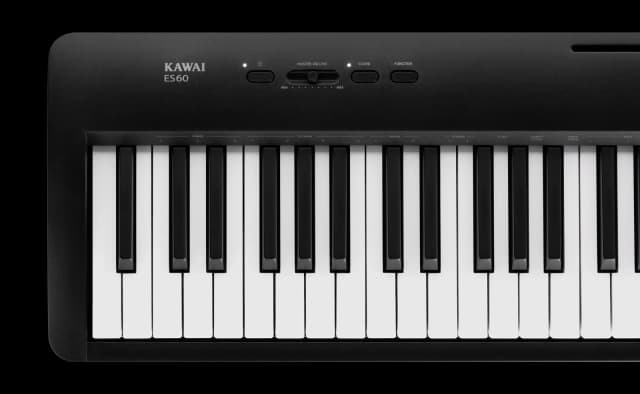
- Best OverallKawai ES60Why we picked it →
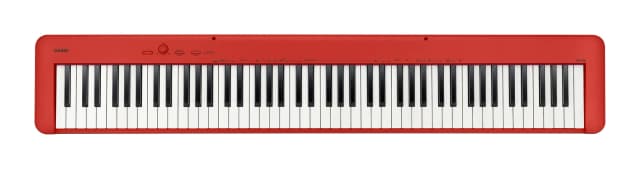
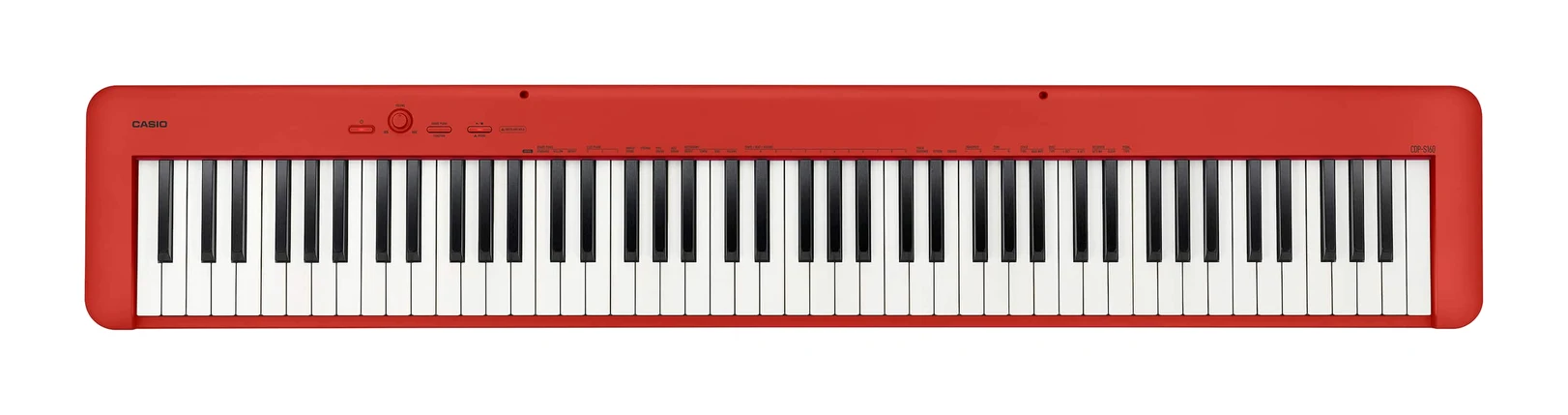
- Best ValueCasio CDP-S160Why we picked it →
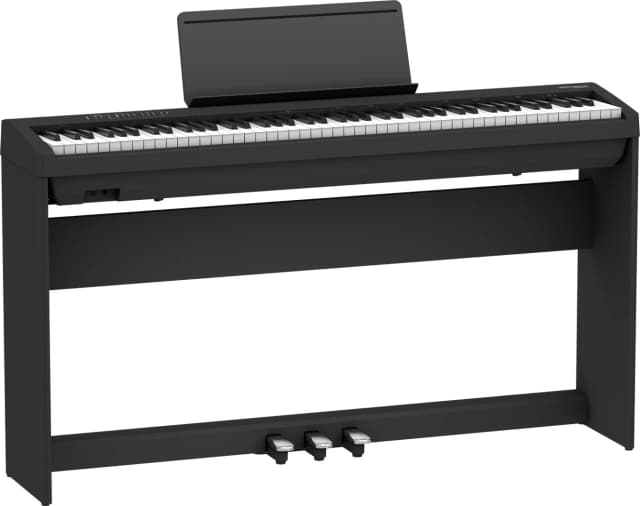
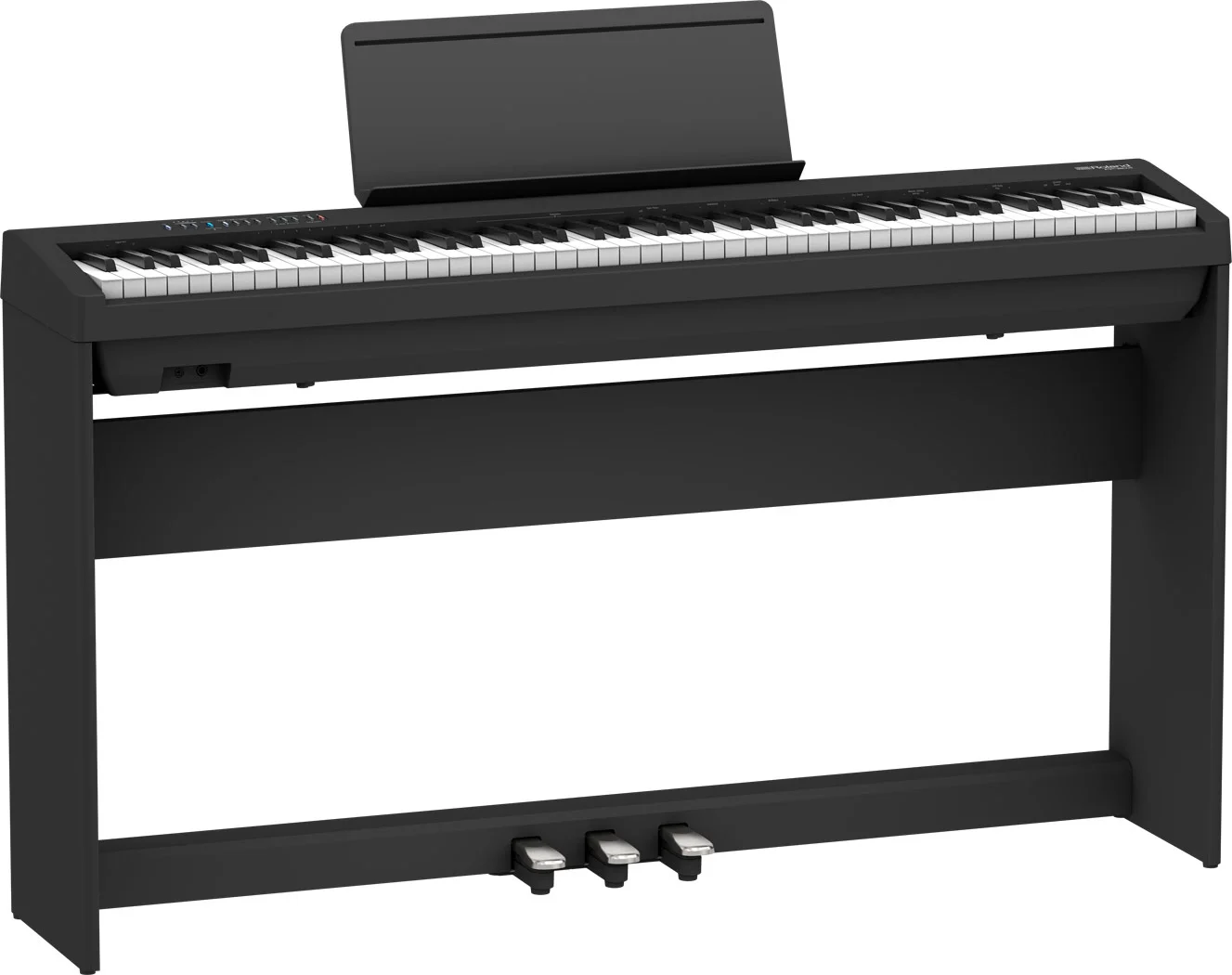
- Also GreatRoland FP-30XWhy we picked it →
Frequently asked questions
Is the Yamaha P-145BT worth it for beginners?
Reviewers consistently recommend it for beginners. It has 88 weighted Graded Hammer Compact keys, a clean and bright CFIIIS concert grand sound, and a slim body that suits small spaces. Advanced players wanting expressive response or many voices may outgrow it.
Does the Yamaha P-145BT have built-in speakers?
Yes. It has 7 W + 7 W speakers, and Sound Boost adds extra volume when you need it. There is also a 1/4" headphone jack, which doubles as a line out.
Does the P-145BT support Bluetooth?
Yes, it has built-in Bluetooth audio, so you can stream songs and lessons from a phone or tablet through the piano's speakers. For MIDI and audio with a computer or tablet, use the USB to HOST port, which carries both over a single cable.
Can the Yamaha P-145BT run on batteries?
No. It is powered by the AC adapter only, with no battery option, so it needs to be near a power outlet.
Does it come with a sustain pedal?
It includes a sustain foot switch, though reviewers describe it as basic. Yamaha makes an optional LP-5A three-pedal unit that the P-145BT is compatible with.
How many voices and how much polyphony does it have?
It has 10 voices and a maximum polyphony of 64 notes. A common criticism is that notes can run out when layering voices or using heavy pedalling.
Sources
Specs are taken from the manufacturers' official pages; expert recommendations from the publications below.
- Yamaha P-145BT: usa.yamaha.com, guitarcenter.com, sweetwater.com, pianoers.com
Related reviews & guides
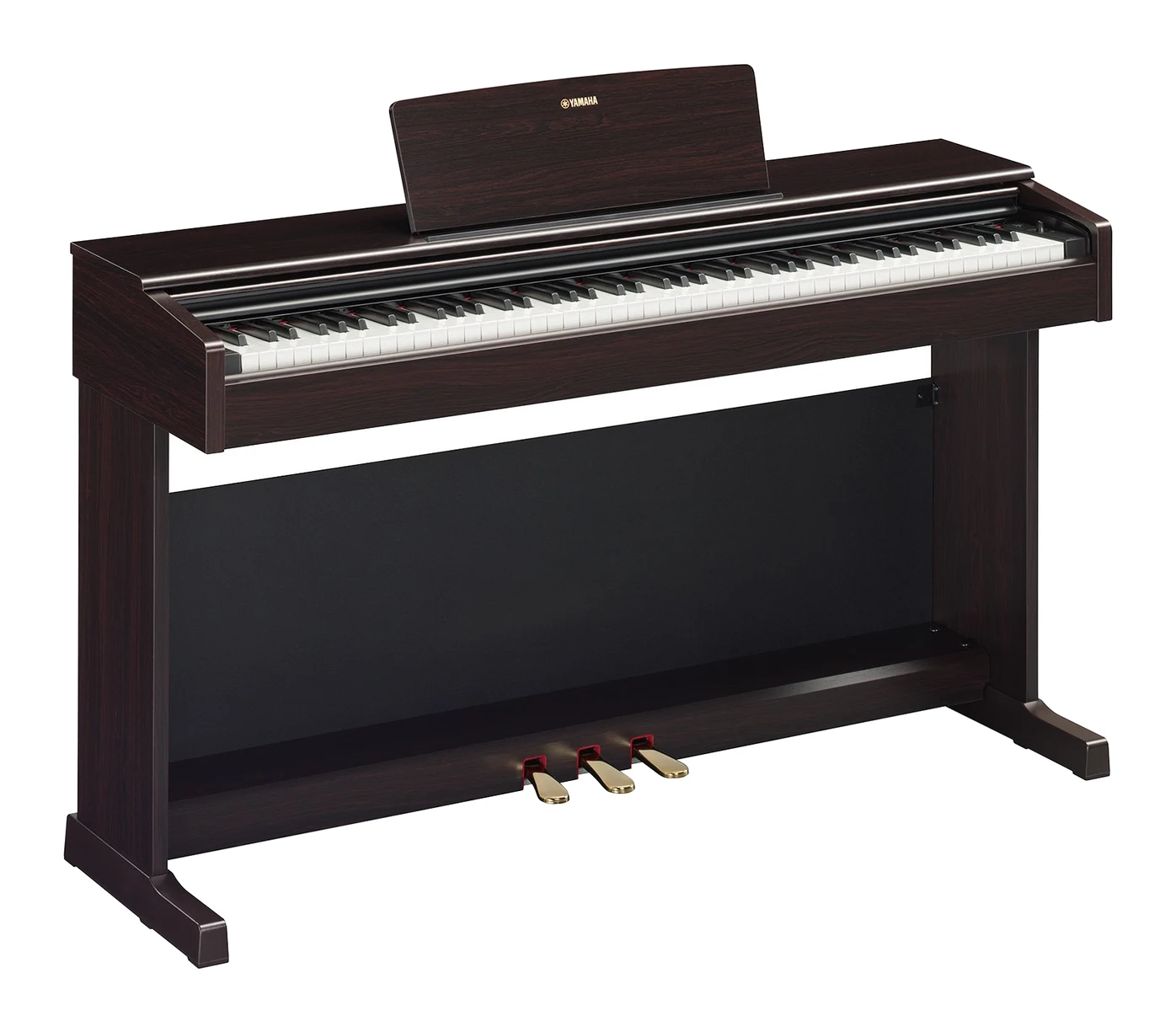
Yamaha Arius YDP-145 Review (2026): CFX Sound, Basic Keys
Our Yamaha Arius YDP-145 review looks at a mid-range home digital piano built around CFX concert grand sound and weighted keys, and who it suits.
Published Oct 25, 2026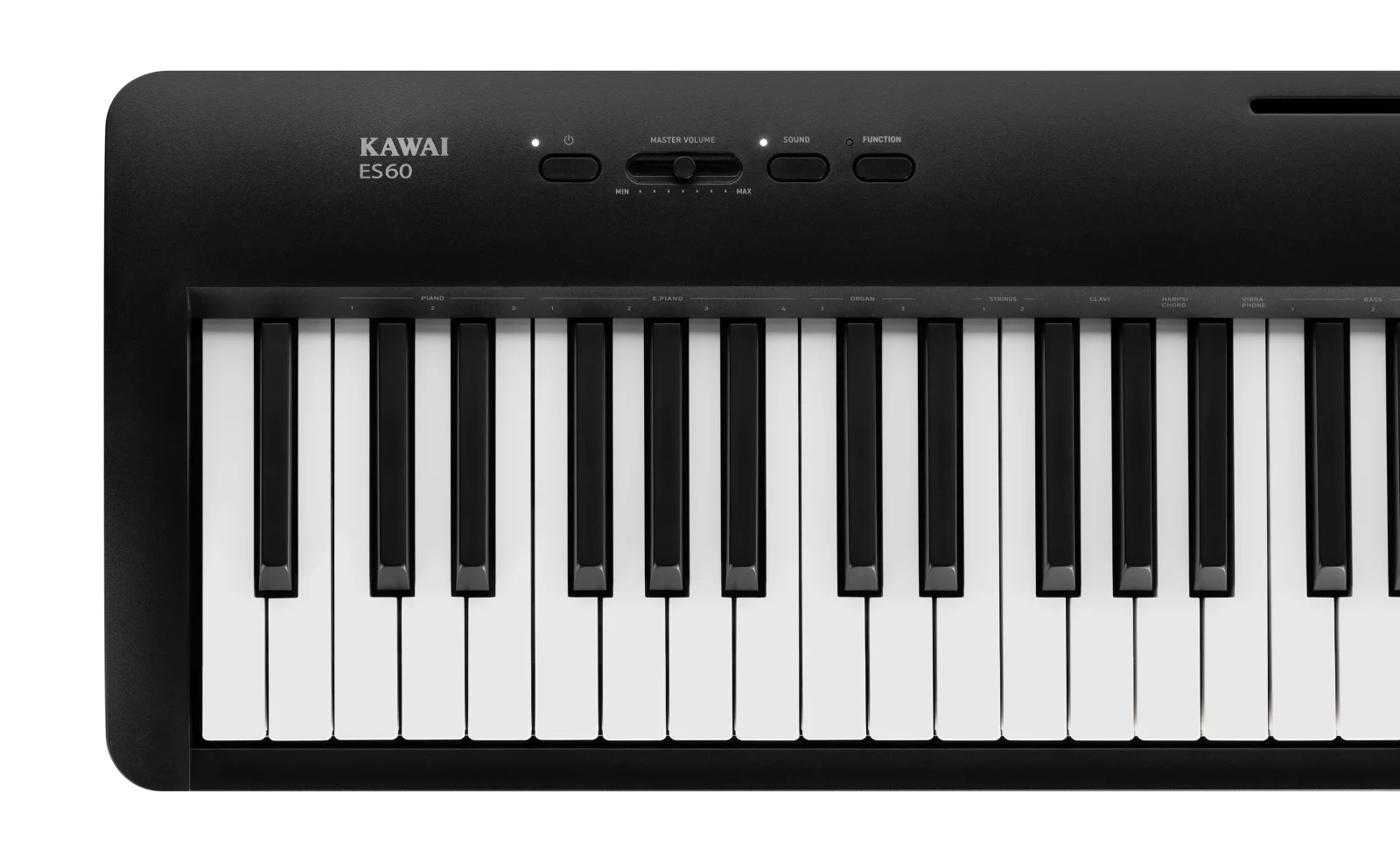
Best Digital Pianos for Beginners 2026: Real Touch at Home
Five beginner-friendly digital pianos from Kawai, Casio, Roland and Yamaha, compared on key action, polyphony, portability and connectivity, with a clear pick for each kind of learner.
Published Oct 25, 2026Kawai ES60 vs Yamaha Arius YDP-145 (2026): Gig or Home?
The Kawai ES60 is the portable, budget-friendly pick for gigging and recording. The Yamaha Arius YDP-145 is the furniture-style home piano with pedals and a bench.
Published Nov 18, 2026