Nikon Z50 II Review (2026): Z9 Autofocus in a Small Body
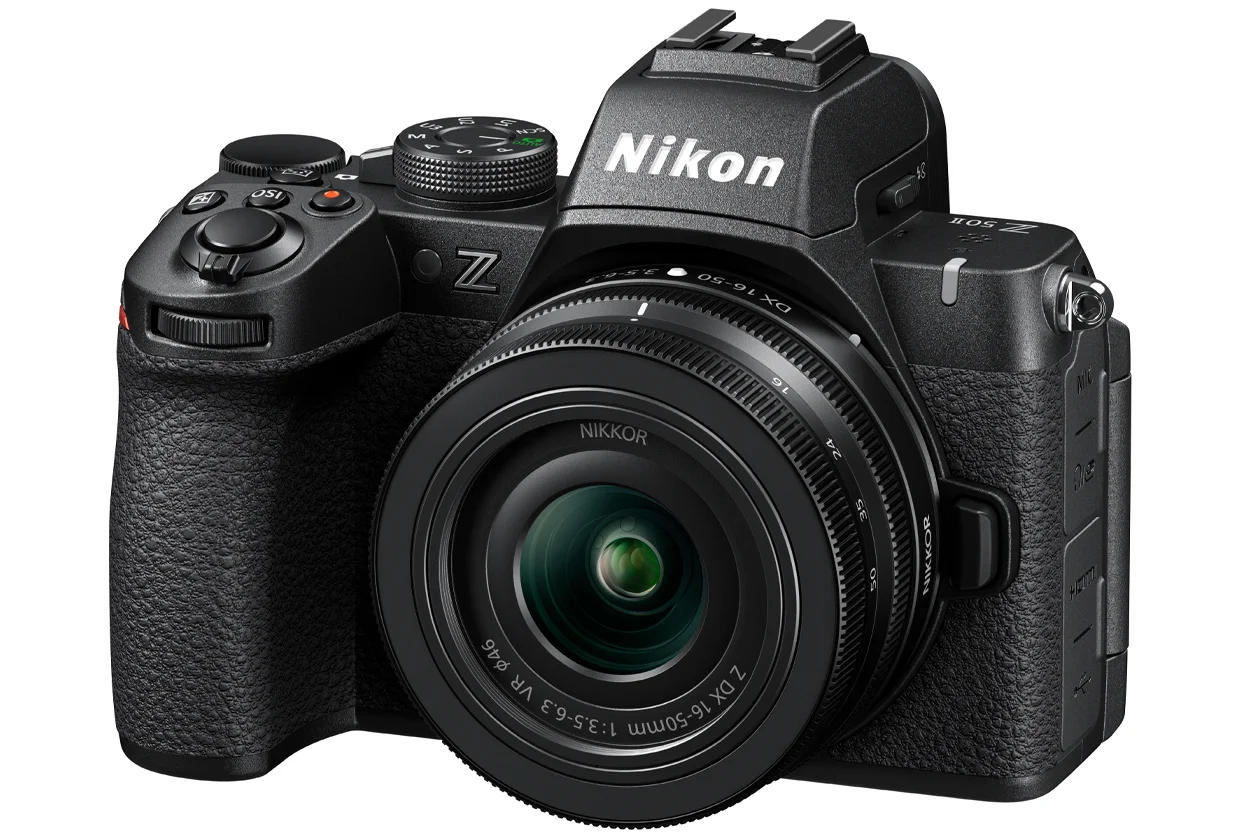
Our Nikon Z50 II review covers a compact APS-C mirrorless camera with Z9-derived autofocus and creator-friendly video tools, and the battery and stabilization trade-offs that come with it.
Research-based · We earn from qualifying purchases
Our verdict
The Z50 II is a compact, capable APS-C camera with Z9-derived autofocus and strong video tools, well suited to enthusiasts, travelers and creators. Skip it if you need long battery life, in-body stabilization or top-tier tracking of very fast subjects.
The good
- Subject-detection autofocus covers 9 subject types, inherited from Z9 and Z8
- Compact, well-built body with a deep, comfortable grip
- 10-bit N-Log 4K video oversampled from 5.6K, with headphone jack
- Pre-Release Capture up to 30 fps helps catch fleeting moments
- Bright OLED viewfinder and fully articulating 3.2-inch touchscreen
+2 more
- Pre-Release Capture up to 30 fps helps catch fleeting moments
- Bright OLED viewfinder and fully articulating 3.2-inch touchscreen
The bad
- Battery life is short, rated around 230 shots per charge
- No in-body image stabilization
- Native DX lens range for Z mount is limited
- 20.9MP resolution is lower than some APS-C rivals
+1 more
- 20.9MP resolution is lower than some APS-C rivals
This Nikon Z50 II review looks at a compact APS-C mirrorless camera that borrows a lot from Nikon's flagship bodies. It uses the EXPEED 7 processor, the same engine as the Z8 and Z9, and it inherits their subject-detection autofocus. It also adds a vari-angle screen and video features aimed at vloggers and content creators. It sits in the mid-range part of the market, and it is aimed at enthusiasts, travellers and creators who want a small camera with serious autofocus and video tools.
This review is based on Nikon's published specifications and on what independent expert reviews report, not on our own hands-on testing.
Nikon Z50 II: specs at a glance
From the manufacturer- Video
- 4K UHD/60p (crop), Full HD/120p, N-Log and HLG
- Sensor
- 20.9 million effective pixels, 23.5 × 15.7 mm CMOS (Nikon DX format)
- Weight
- approx. 550 g with battery and card (495 g body only)
- Battery
- EN-EL25a Li-ion, CIPA approx. 230 shots with the screen
- Monitor
- 3.2-in. approx. 1040k-dot vari-angle touchscreen TFT LCD
- Storage
- Single SD/SDHC/SDXC (UHS-II) slot
- Autofocus
- Hybrid phase-detection/contrast AF, 209 focus points (single-point), 231 (auto-area)
- ISO range
- 100–51200 (expandable to 204800)
- Processor
- EXPEED 7
- Lens mount
- Nikon Z mount
- Viewfinder
- 0.39-in. approx. 2360k-dot OLED EVF, approx. 100% coverage
- Connectivity
- USB-C, micro-HDMI, 3.5 mm mic and headphone jacks, Wi-Fi, Bluetooth 5.0
- AF detection range
- −9 to +19 EV
- Continuous shooting
- 11 fps RAW at full resolution; 30 fps JPEG at full resolution
- Dimensions (W × H × D)
- 127 × 96.8 × 66.5 mm
Key features
- EXPEED 7 processor, the same engine as the Z8 and Z9
- Subject-detection autofocus for 9 subject types, inherited from the Z9 and Z8
- Pre-Release Capture at up to 30 fps, buffering up to 1 sec before the shutter is fully pressed
- 4K 10-bit H.265 N-Log video oversampled from 5.6K, plus 4K/60p (crop) and Full HD/120p
- 3.2-inch vari-angle touchscreen for vlogging and selfies
- Dedicated Picture Control button for one-touch Imaging Recipes and colour presets
- Product Review mode and USB streaming (UVC/UAC) for creators
- Bright OLED EVF plus built-in flash, mic jack and headphone jack
Design and build: compact, with a proper grip
The Z50 II measures 127 × 96.8 × 66.5 mm and weighs approx. 550 g with battery and card (495 g body only). That makes it a compact body. Reviewers repeatedly describe it as compact and well built, and they single out the deep grip as comfortable. Small mirrorless cameras often compromise on handling, so that detail matters.
The body is built around the Nikon DX format sensor and the Nikon Z mount. A dedicated Picture Control button sits on the body and gives one-touch access to Imaging Recipes and colour presets. If you like to settle on a look in camera instead of editing every file later, that button saves menu digging.
Screen and viewfinder
The 3.2-inch, approx. 1040k-dot touchscreen is vari-angle, so it turns out to the side and can face forward. That suits vlogging, selfies and awkward low or high shooting angles. For eye-level work there is a 0.39-in. approx. 2360k-dot OLED electronic viewfinder with approx. 100% coverage. Reviewers praise the combination of a bright viewfinder and a fully articulating screen, which gives you good options whether you shoot to a screen or an eyepiece.
Autofocus and stills: the main reason to buy
Autofocus is the headline. The Z50 II uses hybrid phase-detection/contrast AF with 209 focus points in single-point mode and 231 in auto-area mode. The detection range runs from −9 to +19 EV, which tells you the system is designed to work in a wide range of light levels, including dim scenes.
The subject-detection system covers 9 subject types and is inherited from the Z9 and Z8. Very fast subjects are where it falls short of top-tier tracking.
Burst shooting and Pre-Release Capture
Continuous shooting reaches 11 fps RAW at full resolution and 30 fps JPEG at full resolution. Pre-Release Capture runs at up to 30 fps and buffers up to 1 sec before the shutter is fully pressed. That is useful for fleeting moments, such as a pet's sudden movement or a child's expression, where you would otherwise react a fraction too late. Reviewers cite it as a practical help, not just a spec sheet extra.
Sensor and ISO
The 20.9 million effective pixel sensor is a 23.5 × 15.7 mm CMOS. ISO runs from 100–51200, expandable to 204800. Resolution is a point of criticism, since some APS-C rivals offer more pixels. If you want maximum detail, the resolution is worth taking into account.
Video: strong tools for creators
Video is the other major strength. The Z50 II records 4K 10-bit H.265 N-Log oversampled from 5.6K. It also offers 4K UHD/60p (crop) and Full HD/120p, plus HLG. The 10-bit N-Log option gives more flexibility in colour grading than an 8-bit profile, and oversampling from 5.6K is a design choice aimed at cleaner 4K footage. Note that 4K/60p involves a crop, so your lens will look tighter in that mode.
For audio, there is a 3.5 mm mic jack and a headphone jack, and reviewers highlight the headphone jack as a welcome inclusion at this size. Other creator-oriented features include:
- Product Review mode, built for showing off products to the camera.
- USB streaming (UVC/UAC), so the camera can act as a webcam with audio.
- A built-in flash for quick fill light when you don't want to carry extra kit.
Together with the vari-angle screen, this makes the Z50 II a credible single-camera setup for solo creators.
Connectivity and storage
Connectivity includes USB-C, micro-HDMI, Wi-Fi and Bluetooth 5.0. The camera has a single SD/SDHC/SDXC (UHS-II) card slot. That is fine for most enthusiasts, though anyone who wants in-camera backup for paid or irreplaceable work will notice there is only one slot.
Battery life and stabilization: the trade-offs
The EN-EL25a Li-ion battery is CIPA-rated at approx. 230 shots with the screen. That is a short figure and one of the most common criticisms from reviewers. It is manageable for a casual walk, but it is a real consideration for a full day of travel or an event. A spare battery is sensible planning if you buy this camera. Video users will also want to keep power in mind.
The other limitation is that there is no in-body image stabilization. Handheld low-light stills and video will depend on stabilized lenses, faster apertures or a steady technique. The third caveat is lens choice: the native DX lens range for the Z mount is limited, a point reviewers raise as a drawback of buying into a compact APS-C system.
What experts like and what they criticise
Expert reviews are positive overall. Tom's Guide scores the Z50 II 4/5 and Amateur Photographer gives it 4.5/5. The expert average is 8.5/10 across 2 expert reviews, and it is recommended in 7 expert guides.
Reviewers praise:
- the subject-detection autofocus and its 9 subject types,
- the compact, well-built body with its comfortable grip,
- the 10-bit N-Log 4K video and headphone jack,
- Pre-Release Capture for fleeting moments,
- the bright OLED viewfinder and fully articulating touchscreen.
A common criticism concerns the short battery life, the lack of in-body stabilization, the limited range of native DX lenses and the 20.9MP resolution compared with some APS-C rivals.
Who should buy the Nikon Z50 II
This camera suits enthusiasts, travellers and creators who want a small body with strong autofocus and capable video. If you shoot a mix of stills and clips, value a good viewfinder, and like the idea of colour presets and Imaging Recipes in camera, it covers a lot of ground. Vloggers and solo creators get the most from the vari-angle screen, mic and headphone jacks, and USB streaming.
Who should skip it
Skip it if long battery life matters most, since the roughly 230-shot rating will frustrate heavy shooters. Skip it if you want in-body stabilization, or if you need top-tier tracking of very fast subjects. If you want the highest resolution in an APS-C body, or a wide choice of native lenses today, those are also reasons to look elsewhere.
How it fits in its category
In general terms, the Z50 II sits in the mid-range, compact APS-C part of the mirrorless market. Its pitch is flagship-derived autofocus and video features in a body that is easy to carry, and the trade-offs are the battery, stabilization and lens options. Before buying, compare its video features and handling with other compact mirrorless cameras at a similar level, and check live prices through the buttons on this page.
Verdict: a capable small camera with clear limits
The Nikon Z50 II is a strong all-rounder for people who prioritise autofocus, video and portability. The expert average of 8.5/10 reflects that: it does most things well, and its weak points are specific and predictable. If you can live with the short battery life and no in-body stabilization, it is a capable compact camera for enthusiasts and creators.
Related buying guides
- Nikon Z f Review (2026): Is Retro Worth the Quirks?
- Best Digital Camera for Beginners 2026: Compact & Easy
- Canon EOS R50 Review (2026): Small Body, Smart Autofocus
- Nikon Z6III Review (2026): Hybrid Shooter's All-Rounder
- Nikon Z6III vs Sony a7R VI (2026): Video or Resolution?
- Sony a7CR Review (2026): 61MP in a Small Body
- FUJIFILM X-T30 III Review (2026): Small Body, Big Colour
- Best Instant Cameras 2026: Easy Snaps to Creative Control
Not sure about the Nikon Z50 II? Consider these
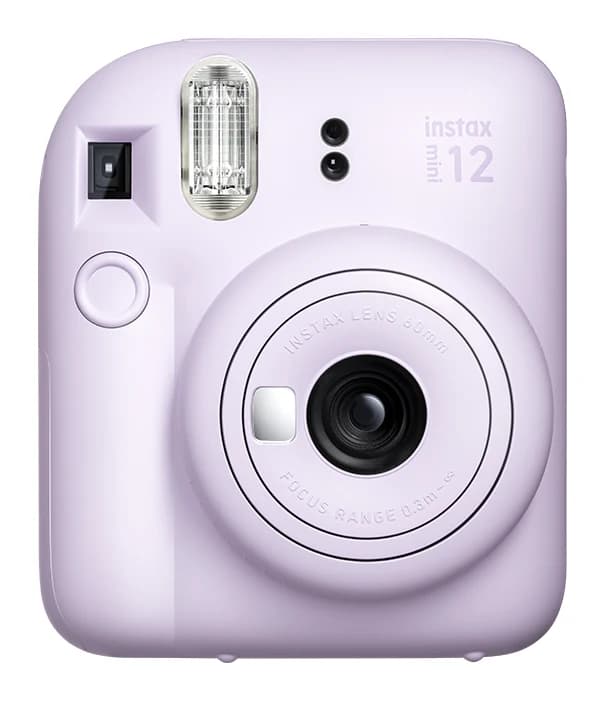
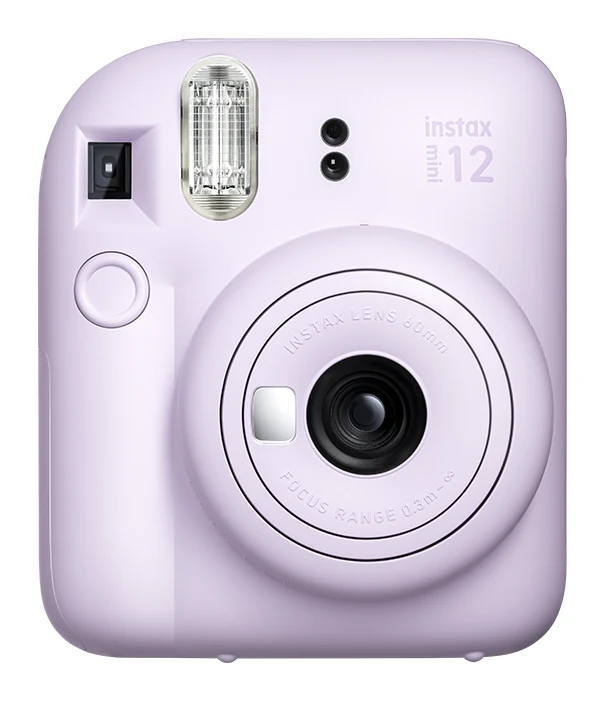
- Best OverallFujifilm Instax Mini 12Why we picked it →
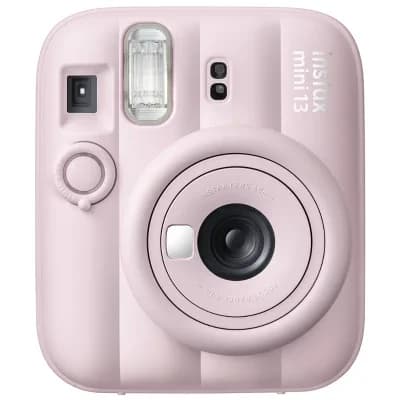
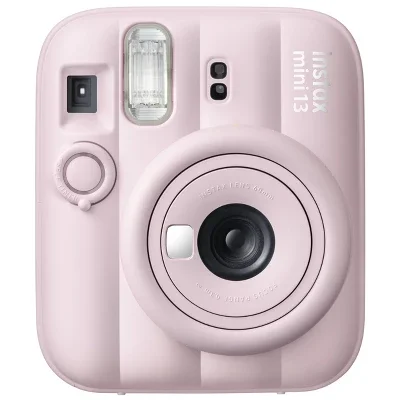
- Best ValueFujifilm Instax Mini 13Why we picked it →
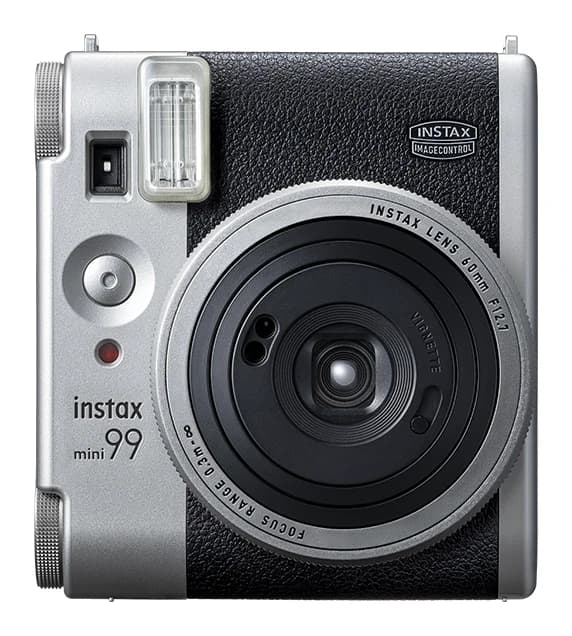
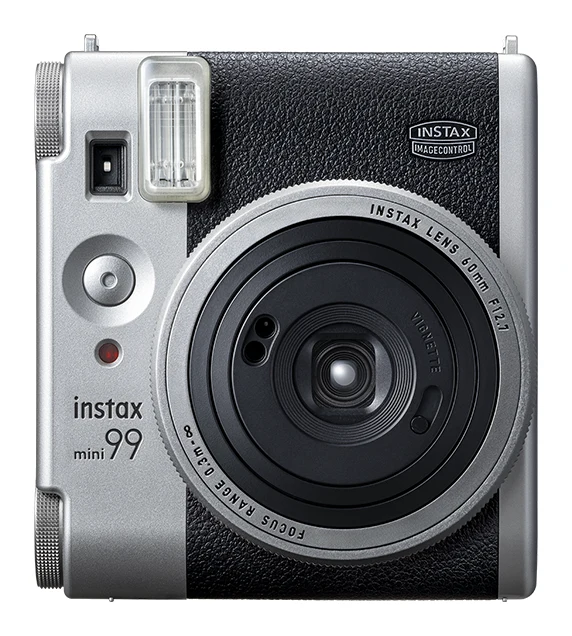
- Premium PickFujifilm Instax Mini 99Why we picked it →
Frequently asked questions
Is the Nikon Z50 II worth it?
For enthusiasts and creators who want a compact camera with strong autofocus and video features, reviewers think so. It averages 8.5/10 across 2 expert reviews and is recommended in 7 expert guides. The main drawbacks are short battery life and no in-body stabilization.
Does the Nikon Z50 II have in-body image stabilization?
No. The Z50 II has no in-body image stabilization, so for steadier handheld shots you will rely on stabilized lenses, faster apertures or good technique.
What video can the Nikon Z50 II shoot?
It records 4K 10-bit H.265 N-Log oversampled from 5.6K, plus 4K UHD/60p (crop) and Full HD/120p. N-Log and HLG are supported, and there are mic and headphone jacks.
How long does the Nikon Z50 II battery last?
The EN-EL25a battery is CIPA-rated at approx. 230 shots with the screen. Reviewers flag this as short, so a spare battery is a sensible addition for long days.
Does the Nikon Z50 II have a flip-out screen?
Yes. It has a 3.2-inch vari-angle touchscreen, which suits vlogging and selfies, along with a 0.39-in. OLED electronic viewfinder.
Can the Nikon Z50 II be used as a webcam?
Yes. It supports USB streaming (UVC/UAC), and it also has a Product Review mode aimed at creators.
Sources
Specs are taken from the manufacturers' official pages; expert recommendations from the publications below.
- Nikon Z50 II: nikonusa.com, imaging.nikon.com, onlinemanual.nikonimglib.com, bhphotovideo.com
Related reviews & guides
Best Digital Camera for Beginners 2026: Compact & Easy
Five beginner-friendly cameras from Canon, Fujifilm, Nikon and Olympus, compared on sensor, weight, screen, autofocus and video, with expert recommendation counts.
Published Oct 11, 2026
Nikon Z f Review (2026): Is Retro Worth the Quirks?
A full-frame camera with dials, a magnesium-alloy body and modern autofocus. Here is what the Nikon Z f offers, where experts say it frustrates, and who should buy it.
Published Oct 19, 2026
Canon EOS R50 Review (2026): Small Body, Smart Autofocus
Our Canon EOS R50 review covers its compact body, subject-detecting autofocus and uncropped 4K video, and the handling and lens limits that reviewers flag.
Published Oct 19, 2026