Nikon Z6III vs Sony a7R VI (2026): Video or Resolution?
The Nikon Z6III is the better all-rounder for hybrid shooters, while the Sony a7R VI wins on resolution and battery. Here is how the two full-frame bodies compare.
Head-to-head comparison · Research-based · Affiliate links
We earn a commission from qualifying purchases made through our links, at no extra cost to you. It never decides our picks. As an Amazon Associate I earn from qualifying purchases. How we make money
Nikon Z6III vs Sony a7R VI: which one should you buy?
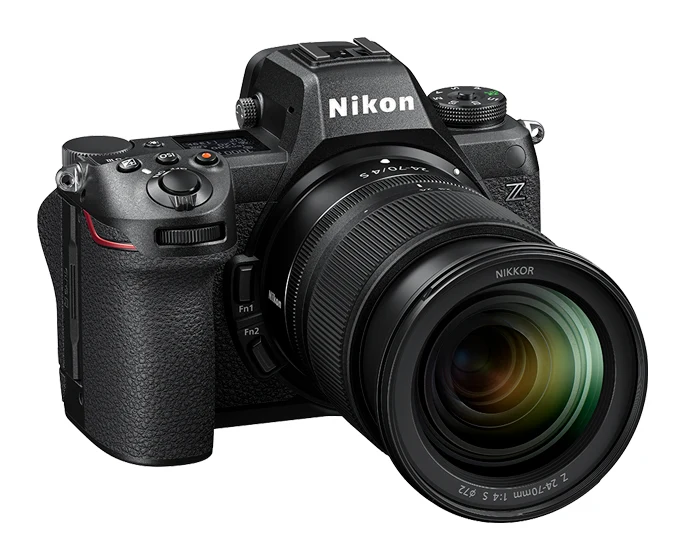
Best for: Hybrid shooters wanting internal RAW video without paying premium prices
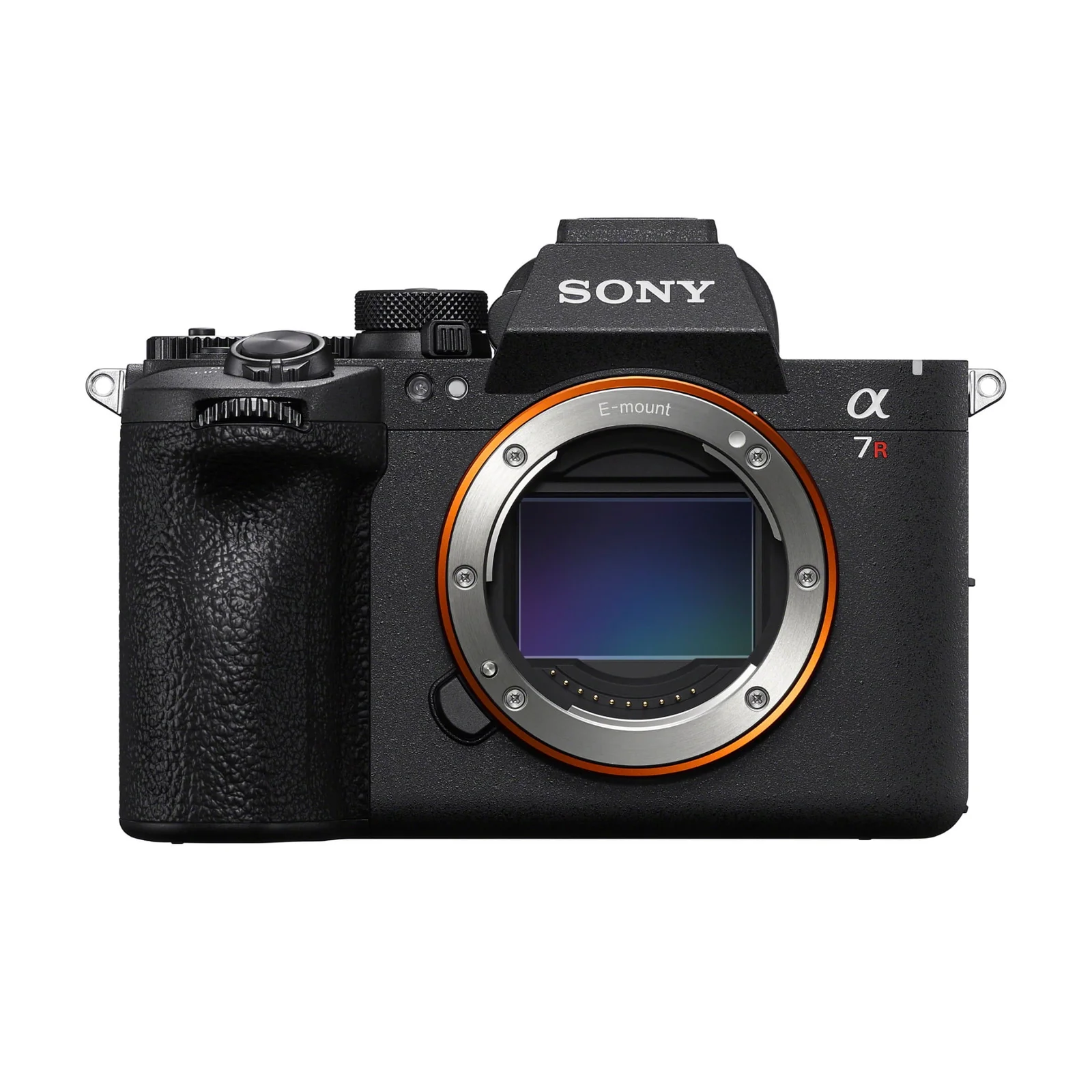
Best for: Photographers prioritizing maximum resolution, detail, and long battery life
The Nikon Z6III vs Sony a7R VI comparison comes down to one question: do you need video features and a lower price tier, or maximum resolution? Most hybrid shooters should pick the Nikon Z6III, which has internal 6K/60p N-RAW video and is the budget option of the two. The Sony a7R VI is the better choice if still-photo detail and battery life matter most and you can afford a premium body.
These cameras aim at different jobs. Nikon built the Z6III around a 24.5MP partially-stacked sensor tuned for speed and video. Sony built the a7R VI around a 66.8 MP fully stacked sensor that also shoots fast. Below is where each one comes out ahead.
Nikon Z6III vs Sony a7R VI: resolution and image quality
This round is not close. The Sony a7R VI has a 66.8 MP (approx. effective) fully stacked BSI Exmor RS sensor. The Nikon Z6III has 24.5 million effective pixels. Reviewers praise the Sony for class-leading detail and high dynamic range. They also name the Nikon's 24.5MP resolution as a limit on cropping and large prints, and say its dynamic range trails the Z6 II and some rivals.
If you crop heavily, print big or shoot landscapes, studio work or anything else where fine detail counts, the a7R VI is the stronger tool. The Nikon's resolution is enough for general use, but it can't match the Sony here.
Sensitivity ranges are listed as ISO 100-64000 (extended up to Hi 1.7, equivalent to ISO 204800) for the Nikon and ISO 100-32000 (expandable to 50-102400) for the Sony. The Nikon's autofocus detects down to -10 EV, and reviewers call it strong in low light. Sony lists no equivalent low-light figure for its autofocus.
Sony's reviewers do note that its JPEGs can look flat. If you shoot RAW, that matters less.
Video: internal RAW or 8K
Video is where the Nikon Z6III fights back. It records internal 6K/60p N-RAW, plus 6K/30p ProRes RAW HQ, 5.4K ProRes 422 HQ and H.265, 4K UHD/120p and Full HD/240p slow motion. Reviewers single out the internal 6K/60p N-RAW and the 4K/120p slow motion as strengths.
The Sony a7R VI offers 8K 30p (8.2K oversampled, 4:2:2 10-bit) and 4K 60p/120p without crop, plus Dual Gain shooting. That is a lot of resolution. But reviewers criticise it for lacking open-gate, internal RAW and waveform tools. If you want RAW video straight to the card, the Sony doesn't offer it.
The Z6III is the better pick for hybrid shooters and videographers who care about codecs and RAW workflow. The a7R VI suits someone who wants 8K and treats video as a secondary feature. The Nikon's 3.2in, 2100k-dot vari-angle touchscreen also suits vlogging and high or low angles. Sony's rear screen is a 4-axis multi-angle touchscreen.
Burst speed and autofocus
On paper the Nikon's headline number is bigger: up to 120 fps with Pre-Release Capture. Nikon's own breakdown is 60 fps JPEG and 20 fps RAW at full resolution, so the 120 fps figure comes with caveats. The Sony shoots up to 30 fps electronic and 10 fps mechanical. Its bursts are blackout-free with AF/AE tracking, and reviewers praise them. They also say the a7R VI isn't as fast in practice as dedicated high-speed bodies.
Autofocus is strong on both. The Nikon uses hybrid phase-detection/contrast AF with 273 points (single-point) or 299 points (auto-area). It detects 9 subject types with 3D tracking, and reviewers call it reliable. The Sony has 759 phase-detection points covering about 94% of the image area. Its Real-time Recognition AF+ adds human pose estimation and better small-subject tracking, and reviewers say it tracks people and small subjects well.
For sports and wildlife shooters who want pre-capture and the highest frame rates, the Nikon has the edge. For portraits, events and general action where you want full-resolution files at a steady 30 fps, the Sony is the more appealing package.
Battery, viewfinder and build
Battery life clearly favours Sony. The a7R VI is rated at 600 shots (viewfinder) / 710 shots (monitor), CIPA, using the new NP-SA100 battery. The Nikon Z6III is rated at approx. 360 shots (EN-EL15c), and reviewers list that as a criticism. Nikon also doesn't supply a battery charger in the box. For long days without spares, the Sony is the safer choice.
The viewfinders are both excellent. The Nikon has a 0.5in. OLED with approx. 5760k dots, 0.8x magnification and 4000 cd/m², which reviewers describe as very bright. The Sony has a 9.44M-dot OLED with 0.9x magnification and 10-bit HDR. On resolution and magnification, the Sony's finder is the larger and sharper of the two.
On stabilization, the Nikon offers up to 8 stops with Focus Point VR. The Sony offers up to 8.5 stops at the centre and 7.0 stops at the periphery.
The Nikon has a weather-sealed magnesium-alloy body rated for use down to -10°C/14°F, which reviewers also praise for rough conditions. Sony's listed features don't mention weather sealing or a temperature rating. If you shoot outdoors in poor weather, the Nikon is the one with documented protection.
On handling, the Sony weighs 713 g with battery and card, against approx. 760 g for the Nikon. The Sony has illuminated rear buttons and dual USB-C ports, but reviewers call its menus convoluted. Storage differs too: the Nikon takes CFexpress Type B/XQD plus SD (UHS-II), and the Sony takes CFexpress Type A or UHS-II SD in dual slots. If you already own cards, check which type you have.
What experts say
Both cameras score very well. The Nikon Z6III has an expert average of 9.3 out of 10. It scored 91/100 from DPReview, 4.5/5 from Tom's Guide, 5/5 from TechRadar, 5/5 from Digital Camera World and 8.5/10 from PetaPixel. Reviewers praise its internal 6K/60p N-RAW video, reliable subject-detection autofocus, bright viewfinder and weather-sealed, vari-angle body. A common criticism is the 24.5MP resolution, the battery life of about 360 shots, dynamic range that trails the Z6 II and some rivals, and the missing charger.
The Sony a7R VI averages 9.1 out of 10. DPReview gave it 92/100, Digital Camera World 4.5/5, TechRadar 5/5 and The Phoblographer 4/5. Reviewers praise the stacked sensor's detail and dynamic range, the blackout-free 30 fps bursts, the 710-shot battery rating and the viewfinder. They criticise its premium price, noting the a7R V is better value if resolution is all you want. They also point to the missing open-gate, internal RAW and waveform tools, the convoluted menus and the sometimes flat JPEGs.
The scores are close. DPReview, TechRadar and Digital Camera World scored both cameras: DPReview gave the Sony the slightly higher score (92/100 vs 91/100), TechRadar gave both 5/5, and Digital Camera World scored the Nikon higher (5/5 vs 4.5/5). The Nikon leads on the overall average.
Choose the Nikon Z6III if…
Best for: Hybrid shooters wanting internal RAW video without paying premium prices
Pick the Nikon Z6III over the Sony if video capability and burst speed matter more than resolution, especially internal RAW recording and high frame rates. It suits hybrid shooters who want a capable full-frame body without stepping up to a premium price tier.
Read our full Nikon Z6III review →- Battery life
- Approx. 360 shots (EN-EL15c)
- Weight
- Approx. 760 g with battery and memory card; approx. 670 g body only
- Dimensions
- Approx. 138.5 × 101.5 × 74 mm / 5.5 × 4 × 3 in.
- Resolution
- 24.5 million effective pixels
- Storage
- CFexpress Type B/XQD + SD (UHS-II)
- ISO range
- ISO 100-64000 (extended up to Hi 1.7, equivalent to ISO 204800)
Reasons to buy
- Internal 6K/60p N-RAW video plus 4K/120p slow motion
- Reliable subject-detection autofocus with 3D tracking, strong in low light
- Very bright 5760k-dot EVF at 4000 nits
- Up to 120 fps bursts with Pre-Release Capture
- Weather-sealed body with vari-angle touchscreen for vlogging and rough conditions
Reasons to avoid
- Resolution stays at 24.5MP, limiting cropping and large prints
- Battery life is only about 360 shots
- Dynamic range trails the Z6 II and some rivals
- No battery charger supplied in the box
- TechRadar
- 10.0
- Digital Camera World
- 10.0
- ePHOTOzine
- 10.0
- DPReview
- 9.1
- Tom's Guide
- 9.0
- PetaPixel
- 8.5
Choose the Nikon if you shoot both stills and video and want internal 6K/60p N-RAW, 4K UHD/120p and a weather-sealed body with a vari-angle screen. It's also the budget option here, so it suits hybrid shooters who don't want to pay for a premium body. Accept that you get 24.5MP and about 360 shots per charge, and plan on carrying spare batteries.
Choose the Sony a7R VI if…
Best for: Photographers prioritizing maximum resolution, detail, and long battery life
Pick the Sony a7R VI over the Nikon if maximum resolution and image quality are your priority, and you want long battery life with 30 fps stacked-sensor speed. It suits photographers who can afford a premium body and don't need internal RAW video.
Read our full Sony a7R VI review →- Battery life
- 600 shots (viewfinder) / 710 shots (monitor), CIPA
- Weight
- 713 g (1.57 lbs) with battery and card
- Dimensions
- 133 x 97 x 83 mm (5.2 x 3.8 x 3.3 in)
- Resolution
- 66.8 MP (approx. effective)
- Storage
- Dual slots: CFexpress Type A / UHS-II SD
- ISO range
- ISO 100-32000 (expandable to 50-102400)
Reasons to buy
- 66.8MP stacked sensor delivers class-leading detail and high dynamic range
- Blackout-free 30 fps bursts with AF/AE tracking
- Battery rated up to 710 shots per charge
- 9.44M-dot OLED viewfinder and multi-angle touchscreen
- Real-time Recognition AF+ tracks people and small subjects well
Reasons to avoid
- Premium price, and the a7R V is better value for resolution alone
- Video lacks open-gate, internal RAW and waveform tools
- Not as fast in practice as dedicated high-speed bodies
- Convoluted menus, and JPEGs can look flat
- Digital Camera World
- 9.0
- TechRadar
- 10.0
- The Phoblographer
- 8.0
- Amateur Photographer
- 10.0
- DPReview
- 9.2
- What Digital Camera
- 9.2
- PhotoTrend
- 9.0
Choose the Sony if image detail is your priority. The 66.8 MP sensor, 30 fps blackout-free bursts and 710-shot battery rating suit landscape, studio, portrait and event photographers. It also suits anyone who wants 8K 30p. You'll pay premium-tier money and give up internal RAW video, so it makes the most sense for stills-first shooters.
Compare our picks side by side
The specs most of our picks share, from each maker’s spec page (— = not published). Expert score = the average of published expert reviews, which rate each product for its price. Scroll sideways on small screens.
| Spec | Nikon Z6III | Sony a7R VI |
|---|---|---|
| Best for | Our Pick | The Alternative |
| Expert score | 9.4 | 9.2 |
| Price vs. these picks | Lower | Higher |
| Battery life | Approx. 360 shots (EN-EL15c) | 600 shots (viewfinder) / 710 shots (monitor), CIPA |
| Weight | Approx. 760 g with battery and memory card; approx. 670 g body only | 713 g (1.57 lbs) with battery and card |
| Dimensions | Approx. 138.5 × 101.5 × 74 mm / 5.5 × 4 × 3 in. | 133 x 97 x 83 mm (5.2 x 3.8 x 3.3 in) |
| Resolution | 24.5 million effective pixels | 66.8 MP (approx. effective) |
| Storage | CFexpress Type B/XQD + SD (UHS-II) | Dual slots: CFexpress Type A / UHS-II SD |
| ISO range | ISO 100-64000 (extended up to Hi 1.7, equivalent to ISO 204800) | ISO 100-32000 (expandable to 50-102400) |
| Viewfinder | 0.5in. OLED, approx. 5760k dots, 0.8x magnification, 4000 cd/m² | 9.44M-dot OLED, 0.9x magnification |
| Sensor size | 35.9 × 23.9 mm (full-frame/FX) partially-stacked CMOS | Full-frame (36 x 24 mm), fully stacked BSI Exmor RS CMOS |
| Where to buy | View on Amazon | View on Amazon |
The verdict
For most people the Nikon Z6III is the better buy. It has the higher expert average, the more capable video and the lower price tier, and it keeps up in autofocus and burst shooting. The Sony a7R VI is the better camera if resolution and battery life drive your decision, and it earns its premium for photographers who need that detail and don't need internal RAW video.
Ready to buy?
 Our PickNikon Z6IIIView on Amazon
 The AlternativeSony a7R VIView on Amazon
Related buying guides
- Nikon Z f Review (2026): Is Retro Worth the Quirks?
- Best High-End Cameras 2026: Resolution, Speed & Video
- Sony a7CR Review (2026): 61MP in a Small Body
- Best Digital Camera for Beginners 2026: Compact & Easy
- Fujifilm X-M5 Review (2026): Pocket Camera, Big Video Specs
- Canon EOS R100 vs Canon EOS R50 (2026): Budget or Video?
Frequently asked questions
Is the Nikon Z6III better than the Sony a7R VI?
The Nikon Z6III is the better choice for most people, especially hybrid shooters. It has the higher expert average (9.3 vs 9.1 out of 10), internal 6K/60p N-RAW video and a lower price tier. The Sony a7R VI is better if you want maximum resolution and longer battery life.
Which has more resolution, the Z6III or the a7R VI?
The Sony a7R VI has far more resolution, at 66.8 MP (approx. effective) against the Nikon Z6III's 24.5 million effective pixels. That gives the Sony more room for cropping and large prints.
Which camera is better for video?
The Nikon Z6III is better for video workflows, with internal 6K/60p N-RAW, 4K UHD/120p and Full HD/240p. The Sony a7R VI offers 8K 30p and 4K 120p without crop. Reviewers criticise it for lacking open-gate, internal RAW and waveform tools.
Does the Z6III or a7R VI have longer battery life?
The Sony a7R VI lasts longer. It is rated at 600 shots (viewfinder) / 710 shots (monitor), CIPA, while the Nikon Z6III is rated at approx. 360 shots.
Which is faster for burst shooting?
It depends on how you count. The Nikon Z6III lists up to 120 fps with Pre-Release Capture, but Nikon says full-resolution bursts are 60 fps JPEG or 20 fps RAW. The Sony a7R VI shoots up to 30 fps electronic with blackout-free AF/AE tracking and 10 fps mechanical.
Is the Nikon Z6III weather-sealed?
Yes. The Nikon Z6III has a weather-sealed magnesium-alloy body rated for use down to -10°C/14°F. Sony's listed features for the a7R VI don't mention weather sealing.
Sources
Specs are taken from the manufacturers' official pages; expert recommendations from the publications below.
- Nikon Z6III: nikonusa.com, imaging.nikon.com
- Sony a7R VI: electronics.sony.com, dpreview.com, amateurphotographer.com, digitalcameraworld.com
More buying guides
Sony a7R VI Review (2026): Resolution Meets Speed?
A 66.8 MP stacked sensor, blackout-free 30 fps bursts and 8K video in one body. Here's what the Sony a7R VI offers, where reviewers push back, and who should buy it.
Published Nov 4, 2026Nikon Z6III Review (2026): Hybrid Shooter's All-Rounder
Our Nikon Z6III review looks at a 24.5MP full-frame hybrid with fast autofocus, a very bright viewfinder and serious video options, plus where experts say it falls short.
Published Oct 25, 2026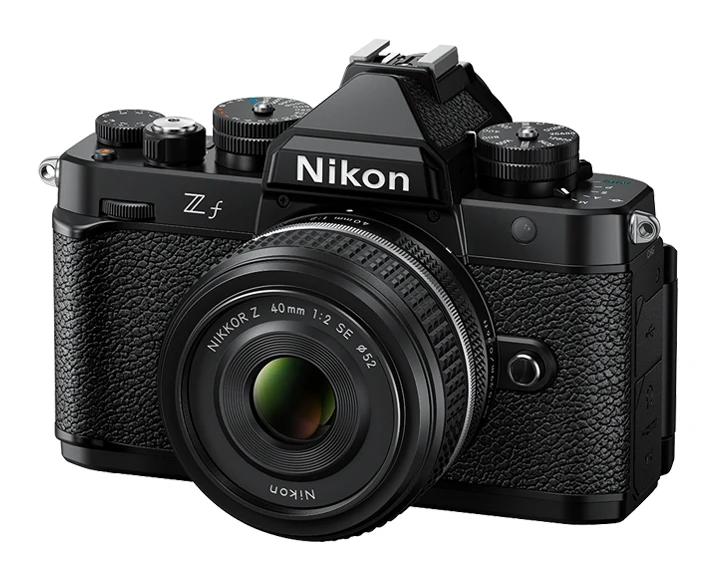
Nikon Z f Review (2026): Is Retro Worth the Quirks?
A full-frame camera with dials, a magnesium-alloy body and modern autofocus. Here is what the Nikon Z f offers, where experts say it frustrates, and who should buy it.
Published Oct 19, 2026