Sony a7R VI Review (2026): Resolution Meets Speed?
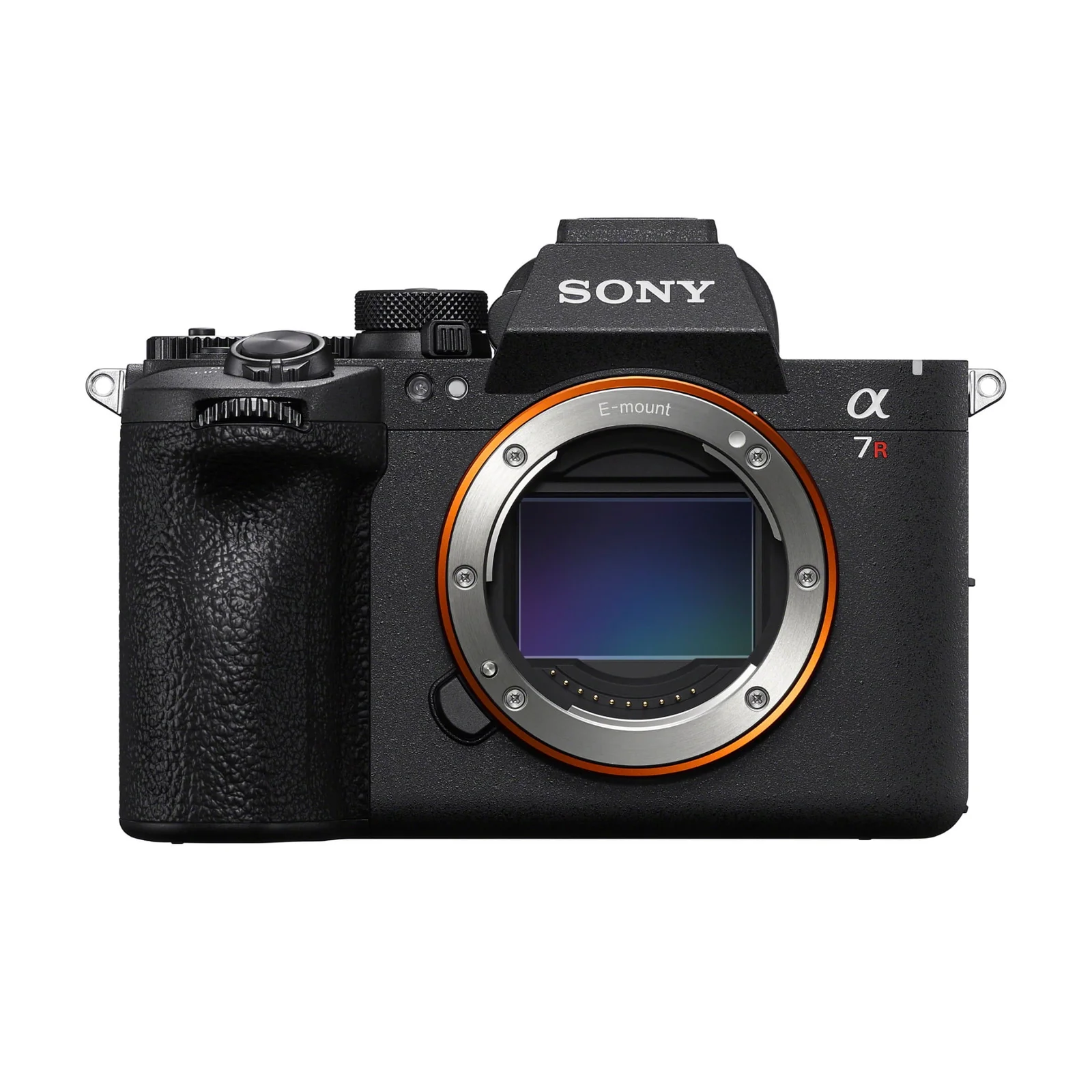
A 66.8 MP stacked sensor, blackout-free 30 fps bursts and 8K video in one body. Here's what the Sony a7R VI offers, where reviewers push back, and who should buy it.
Research-based · We earn from qualifying purchases
Our verdict
The a7R VI suits high-resolution photographers who also want fast bursts, dependable autofocus and serious hybrid video in one body. Resolution-only shooters, dedicated sports photographers and anyone on a tighter budget should look at the a7R V or faster rivals instead.
The good
- 66.8 MP stacked sensor delivers class-leading detail and generous cropping room
- Blackout-free bursts up to 30 fps with AF/AE tracking
- Fast, reliable subject and bird tracking from the AI-equipped BIONZ XR2 processor
- Capable hybrid video: 8K 30p, 4K 120p and uncropped 4K 60p
- Strong battery life, dual card slots and a bright 9.44M-dot viewfinder
+2 more
- Capable hybrid video: 8K 30p, 4K 120p and uncropped 4K 60p
- Strong battery life, dual card slots and a bright 9.44M-dot viewfinder
The bad
- Very expensive; the a7R V is better value for resolution-only shooters
- No open-gate or internal RAW video, and standard 4K looks soft
- Not as quick in practice as Nikon Z8 or Canon R5 II for sports
- Convoluted menus and somewhat flat out-of-camera JPEGs
+1 more
- Convoluted menus and somewhat flat out-of-camera JPEGs
This Sony a7R VI review looks at a camera that tries to end an old trade-off in full-frame photography. High-resolution bodies have traditionally meant slower shooting, while fast bodies meant fewer pixels. The a7R VI pairs a 66.8 MP fully stacked full-frame sensor with bursts up to 30 fps, an AI-equipped processor and serious video specs. It is aimed at landscape, studio and wildlife shooters who want resolution and speed in the same camera.
This article is based on Sony's published specifications and on what independent expert reviews report. It is not based on hands-on testing.
Sony a7R VI: specs at a glance
From the manufacturer- Video
- 8K up to 30p; 4K up to 120p; 4:2:2 10-bit
- Sensor
- 35.9 x 24.0 mm full-frame stacked Exmor RS CMOS
- Weight
- 622 g body only; 713 g with battery and media
- Autofocus
- 759 phase-detection points
- Processor
- BIONZ XR2 with integrated AI processing unit
- Card slots
- Dual: CFexpress Type A / SDXC (UHS-II)
- Viewfinder
- 0.64-inch OLED, 9,437,184 dots, 0.9x magnification
- Connectivity
- Wi-Fi 6 (802.11ax), Bluetooth 5.3, USB-C 3.2 Gen 2, USB-C, HDMI
- Rear monitor
- 3.2-inch 4-axis touchscreen, 2,095,104 dots
- Battery life (CIPA)
- Approx. 600 shots (viewfinder) / Approx. 710 shots (LCD monitor)
- Continuous shooting
- up to 30 fps
- ISO (photo, native)
- 100 to 32,000 (50 to 102,400 extended)
- Image stabilization
- 5-axis sensor-shift, up to 8.5 stops (center)
- Effective resolution
- 66.8 megapixels
- Dimensions (W x H x D)
- 132.7 x 96.9 x 82.9 mm
Key features
- 66.8 MP fully stacked full-frame sensor for very high detail and cropping room
- Blackout-free bursts up to 30 fps with AF/AE tracking
- BIONZ XR2 processor with AI unit and Real-time Recognition AF+ for tenacious subject tracking
- 8K 30p and 4K 120p 10-bit video, with 4K 60p uncropped
- Up to 16-stop dynamic range
- Bright 9.44-million-dot OLED viewfinder with wider colour gamut
- 4-axis multi-angle 3.2-inch touchscreen for flexible framing
- Higher-capacity NP-SA100 battery, dual USB-C ports and dual CFexpress Type A/SD card slots
What the Sony a7R VI is trying to do
The core of the camera is a 35.9 x 24.0 mm stacked Exmor RS CMOS sensor with an effective resolution of 66.8 megapixels. Sony describes it as delivering very high detail and plenty of cropping room. Reviewers agree, and praise the detail the sensor resolves.
That resolution sits alongside a BIONZ XR2 processor with an integrated AI processing unit. Together with Sony's Real-time Recognition AF+, it is meant to hold on to subjects tenaciously. The result is a camera that targets two groups. One wants large, detailed files for printing, studio work or heavy cropping. The other wants an autofocus and burst system capable of following moving subjects.
Experts rate it highly. It averages 9.3/10 across 4 expert reviews. TechRadar and Amateur Photographer each give it 5/5, Digital Camera World scores it 4.5/5, and The Phoblographer gives it 4/5.
Design and build
Sony lists the body at 622 g on its own, or 713 g with battery and media fitted. Dimensions are 132.7 x 96.9 x 82.9 mm. Sony's spec sheet doesn't give details on grip shape or sealing, so we won't guess at handling.
The rear has a 3.2-inch, 4-axis multi-angle touchscreen with 2,095,104 dots. The extra axes of movement should help with awkward angles, such as low-level landscape work or overhead studio setups. The viewfinder is a 0.64-inch OLED with 9,437,184 dots (Sony quotes 9.44 million) and 0.9x magnification. It also has a wider colour gamut than a standard panel. For anyone shooting action or judging focus on fine detail, a bright, high-resolution finder is a real day-to-day benefit.
Practical touches matter on a professional body. The a7R VI has dual card slots that accept CFexpress Type A or SDXC (UHS-II) cards. It also has two USB-C ports, one of which is USB-C 3.2 Gen 2, plus HDMI. It uses the higher-capacity NP-SA100 battery. With files this large, two fast card slots and a quick USB-C connection make a difference when offloading a shoot.
Sensor, speed and autofocus
Resolution you can crop into
A 66.8 MP sensor gives you flexibility. You can frame a little loosely and crop later, print large, or extract a tighter composition from a wide shot. Native ISO runs from 100 to 32,000, extending to 50 to 102,400. Sony also quotes up to 16 stops of dynamic range, a headline figure for landscape photographers who want to hold detail in both highlights and shadows.
Image stabilisation is 5-axis sensor-shift, rated at up to 8.5 stops (center). Stabilisation matters more at high resolution, because small amounts of camera shake become visible when you view images at full size. The spec suggests useful help for handheld shooting.
Bursts without the blackout
The stacked design is what enables continuous shooting up to 30 fps, with AF/AE tracking. Sony also specifies that bursts are blackout-free, so you keep a continuous view of the subject while shooting. That is important for wildlife and any unpredictable action, where losing sight of the subject during a burst can mean losing the shot.
Autofocus
The camera has 759 phase-detection points. Reviewers consistently praise the subject and bird tracking from the AI-equipped BIONZ XR2 processor, describing it as fast and reliable. If you mostly shoot living subjects that move erratically, this is probably the most persuasive part of the package.
There is a caveat. A common criticism is that, in practice, the a7R VI isn't as quick as the Nikon Z8 or Canon R5 II for sports. A dedicated sports photographer should weigh that carefully.
Video: capable, with limits
The a7R VI is not just a stills camera. It records 8K up to 30p and 4K up to 120p, in 4:2:2 10-bit. Sony also lists 4K 60p uncropped, which means you keep the full field of view at that frame rate. The 4K 120p mode gives you slow-motion options.
Reviewers do describe the video as capable and hybrid-ready, but they raise two criticisms. First, there is no open-gate recording and no internal RAW video. Second, the standard 4K looks soft. Anyone planning to make video the main use should weigh those points. If video is a secondary role alongside stills, the feature set will likely be plenty.
Battery, connectivity and workflow
CIPA ratings are approximately 600 shots using the viewfinder and approximately 710 shots using the LCD monitor. Reviewers call the battery life strong. The NP-SA100 is a higher-capacity cell, and having dual USB-C ports adds flexibility for charging and tethering. CIPA figures are a standardised way to compare battery life between cameras.
Wireless is covered by Wi-Fi 6 (802.11ax) and Bluetooth 5.3. For a camera producing large files, fast Wi-Fi is useful for quick transfers, although most professional workflows will lean on the card slots and USB-C.
What experts like and what they criticise
The praise falls into a consistent pattern:
- Reviewers praise the class-leading detail and cropping room from the 66.8 MP sensor.
- They like the blackout-free bursts up to 30 fps with AF/AE tracking.
- They highlight the dependable subject and bird tracking.
- They value the hybrid video capability, with 8K 30p, 4K 120p and uncropped 4K 60p.
- They note the strong battery life, dual card slots and bright 9.44M-dot viewfinder.
The criticisms are just as consistent:
- It is very expensive, and reviewers say the a7R V is better value for resolution-only shooters.
- There is no open-gate or internal RAW video, and standard 4K looks soft.
- It isn't as quick in practice as the Nikon Z8 or Canon R5 II for sports.
- The menus are convoluted, and out-of-camera JPEGs are somewhat flat.
The menu and JPEG complaints are worth taking seriously. Reviewers describe the menus as convoluted. Flat JPEGs suggest that anyone who dislikes editing may be less satisfied. The camera's strengths show most clearly to people who shoot RAW and enjoy the processing stage.
Who should buy the Sony a7R VI
It suits photographers who need several things at once:
- Landscape and studio shooters who want maximum detail and cropping room, plus the dynamic range Sony quotes.
- Wildlife photographers who value reliable subject and bird tracking, blackout-free bursts and a bright viewfinder.
- Hybrid shooters who want 8K 30p and 4K 120p available without carrying a second camera.
- Working professionals who need dual card slots, dual USB-C ports and solid battery life.
Who should skip it
- Resolution-only shooters. If you rarely need fast bursts or advanced video, reviewers point to the a7R V as better value.
- Dedicated sports photographers. Reviewers say the Nikon Z8 and Canon R5 II feel quicker in practice for sports.
- Video-first creators. Without open-gate or internal RAW video, and with soft standard 4K, it is not a pure video tool.
- Straight-out-of-camera JPEG shooters. The somewhat flat JPEGs and convoluted menus may frustrate you.
How it fits in the high-resolution category
The a7R VI is a high-resolution full-frame body that aims to pair its resolution with speed. Its distinguishing idea is that the resolution doesn't cost you speed, thanks to the stacked sensor and the AI-assisted processor. In general terms, cameras in this class ask you to pay for versatility, and the a7R VI follows that pattern. The more of its range you will actually use (bursts, tracking, video and resolution together), the easier the cost is to justify. If you would use only one of those, a more specialised body is likely to be a better fit.
Verdict
The a7R VI is a very strong all-rounder at the high end. Experts rate it highly, with a 9.3/10 average across 4 expert reviews, and the specs back that up. Its weaknesses are mostly about price, specific video limits and a few usability complaints, not core image quality. For photographers who genuinely need resolution, speed and capable video in one body, it is an easy camera to shortlist. For anyone who needs only one of those, it deserves a harder look against the alternatives.
Related buying guides
- Best High-End Cameras 2026: Resolution, Speed & Video
- Sony a7CR Review (2026): 61MP in a Small Body
- Best Instant Cameras 2026: Easy Snaps to Creative Control
- Best Digital Camera for Beginners 2026: Compact & Easy
- Fujifilm X-M5 Review (2026): Pocket Camera, Big Video Specs
- Canon EOS R100 vs Canon EOS R50 (2026): Budget or Video?
- Nikon Z f Review (2026): Is Retro Worth the Quirks?
- Fujifilm Instax Mini 12 Review (2026): Simple Instant Fun
Not sure about the Sony a7R VI? Consider these
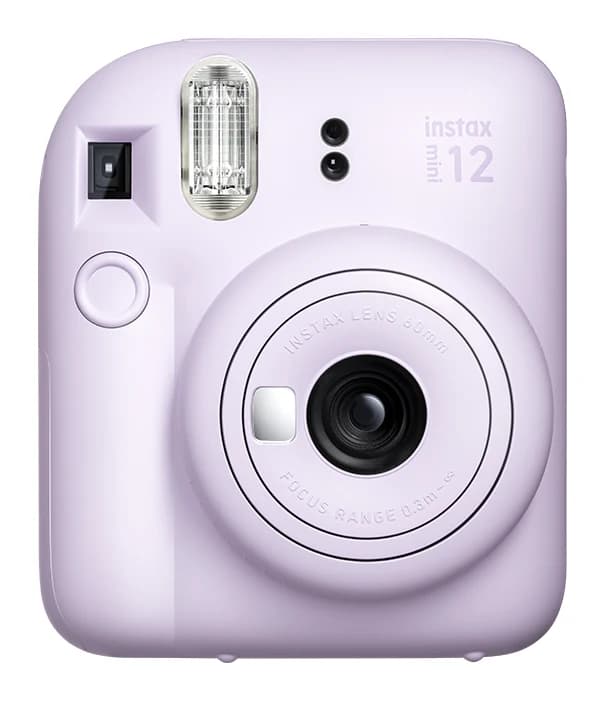
- Best OverallFujifilm Instax Mini 12Why we picked it →
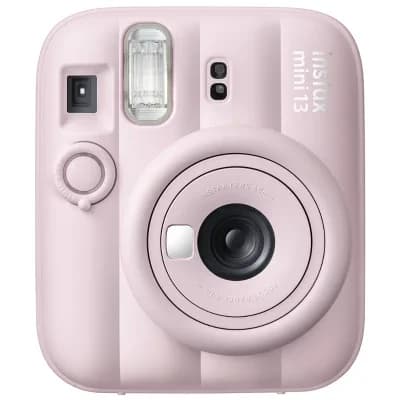
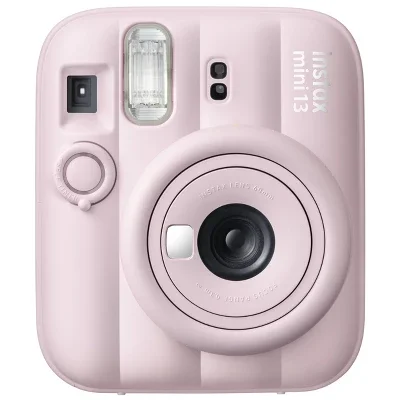
- Best ValueFujifilm Instax Mini 13Why we picked it →
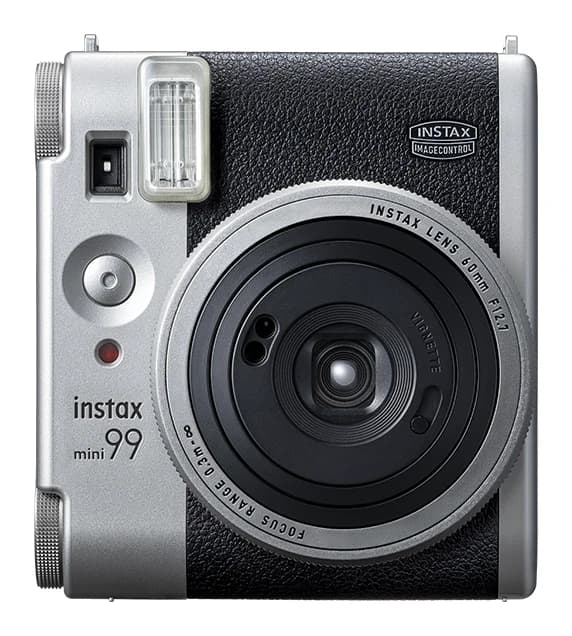
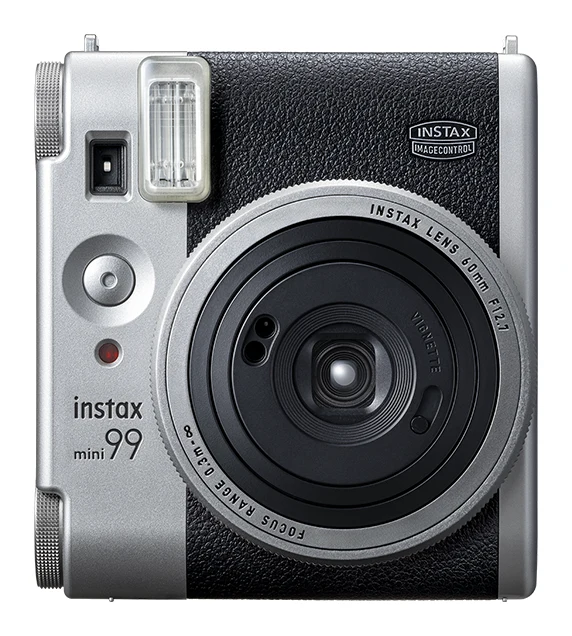
- Premium PickFujifilm Instax Mini 99Why we picked it →
Frequently asked questions
Is the Sony a7R VI worth it?
For photographers who want high resolution, fast bursts, reliable autofocus and hybrid video in one body, experts say yes, and it averages 9.3/10 across 4 expert reviews. Reviewers do call it very expensive, and say resolution-only shooters may be better served by the a7R V.
What is the resolution of the Sony a7R VI?
It has a 66.8 MP fully stacked full-frame sensor (35.9 x 24.0 mm Exmor RS CMOS), which gives very high detail and generous cropping room.
How fast can the Sony a7R VI shoot?
It shoots blackout-free bursts up to 30 fps with AF/AE tracking. Reviewers note it isn't as quick in practice as the Nikon Z8 or Canon R5 II for sports.
Does the Sony a7R VI shoot 8K video?
Yes. It records 8K up to 30p and 4K up to 120p, in 4:2:2 10-bit, with 4K 60p available uncropped. It has no open-gate or internal RAW video, and reviewers say standard 4K looks soft.
How long does the Sony a7R VI battery last?
CIPA ratings are approximately 600 shots using the viewfinder and approximately 710 shots using the LCD monitor. It uses the higher-capacity NP-SA100 battery, and reviewers call the battery life strong.
What memory cards does the Sony a7R VI use?
It has dual card slots, each accepting CFexpress Type A or SDXC (UHS-II) cards.
Is the Sony a7R VI good for wildlife photography?
Reviewers praise its fast, reliable subject and bird tracking, plus blackout-free bursts up to 30 fps and a bright 9.44M-dot viewfinder. It is best suited to landscape, studio and wildlife shooters who want resolution plus speed.
Sources
Specs are taken from the manufacturers' official pages; expert recommendations from the publications below.
- Sony a7R VI: electronics.sony.com, dpreview.com, amateurphotographer.com, digitalcameraworld.com
Related reviews & guides
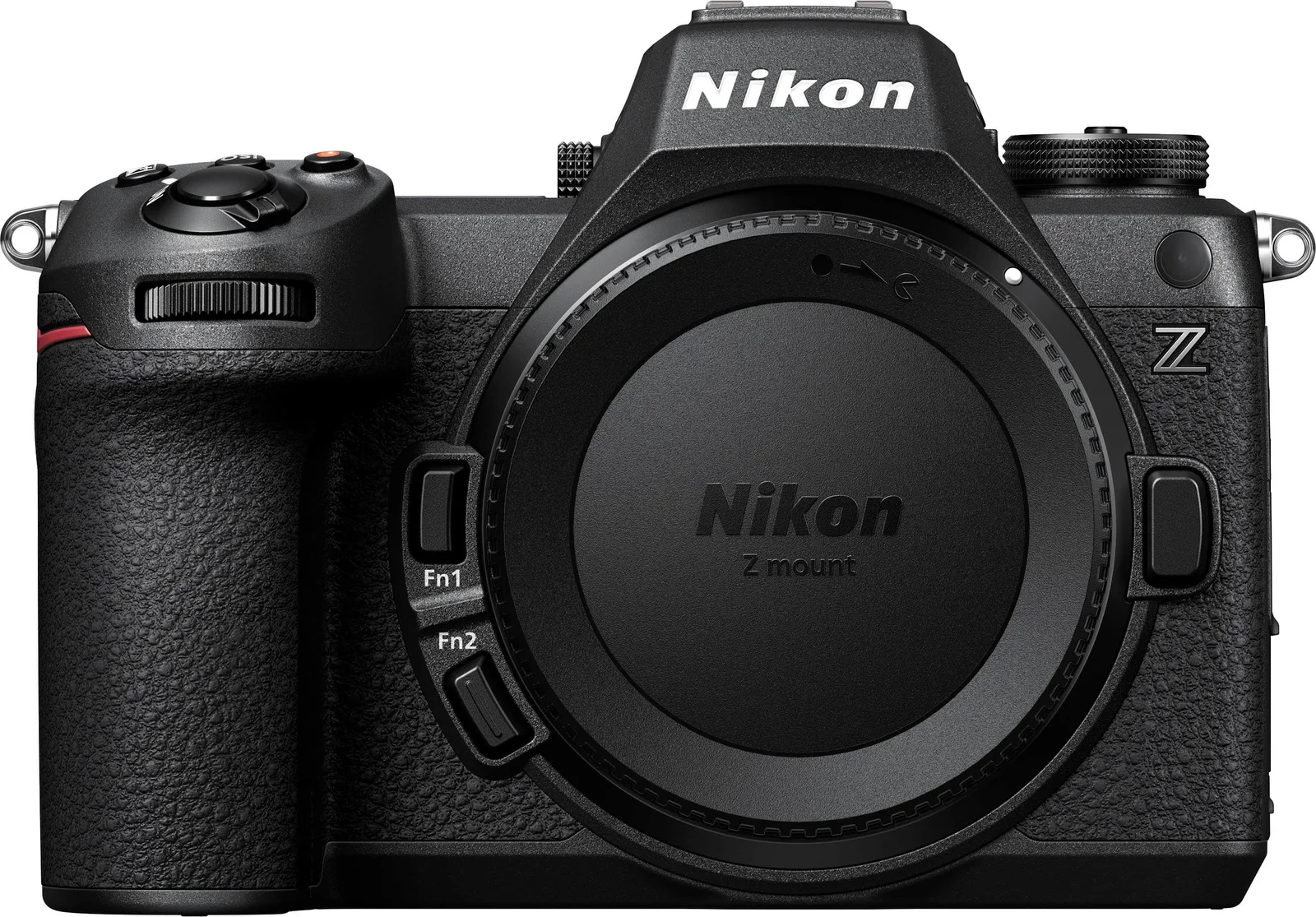
Best High-End Cameras 2026: Resolution, Speed & Video
Five high-end mirrorless cameras compared on resolution, burst speed, stabilization and video, from the 66.8MP Sony a7R VI to the full-frame Nikon Z5 II.
Published Oct 16, 2026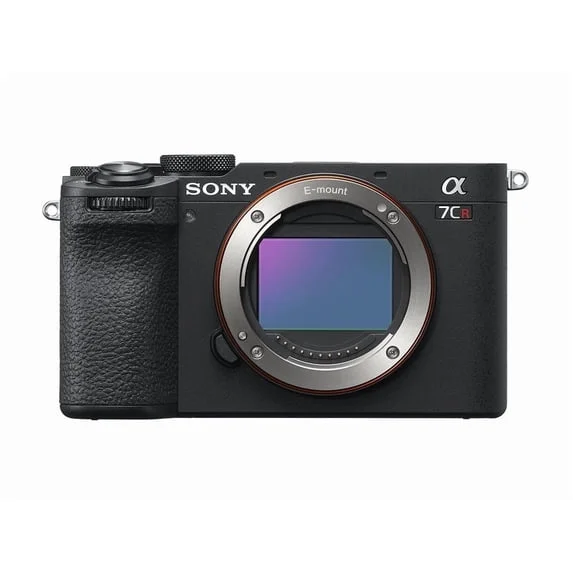
Sony a7CR Review (2026): 61MP in a Small Body
The Sony a7CR packs a 61MP full-frame sensor into a compact, weather-sealed body. We break down what the specs mean and what experts say about it.
Published Oct 19, 2026
Best Instant Cameras 2026: Easy Snaps to Creative Control
Five instant cameras compared from manufacturer specs and expert recommendations, from simple point-and-shoot Instax models to creative, manual-control options.
Published Oct 29, 2026