Nikon Z8 Review (2026): Z9 Speed in a Smaller Body
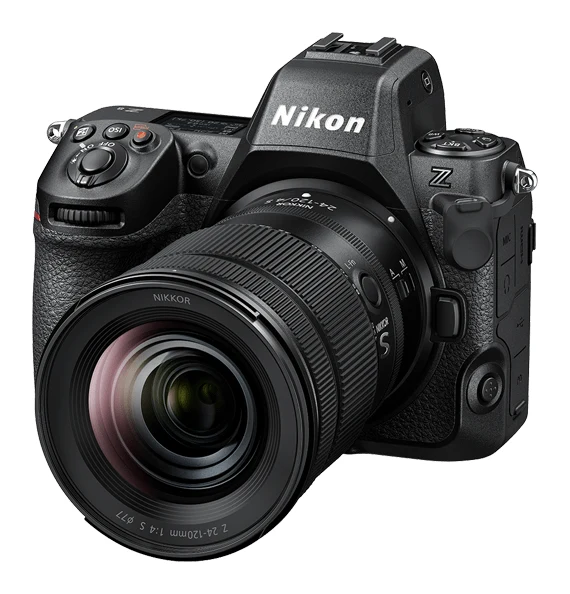
The Nikon Z8 pairs the Z9's stacked 45.7MP sensor with a compact, weather-resistant body. Here is what it offers, what reviewers like and who should skip it.
Research-based · We earn from qualifying purchases
Our verdict
The Z8 delivers flagship Z9-level speed, autofocus and video in a smaller body, making it a top pick for professional hybrid shooters, wildlife and sports photographers. Those who need a mechanical shutter, long battery life or a lighter, cheaper camera should look elsewhere.
The good
- Fast, accurate autofocus with deep-learning detection for nine subject types
- 45.7MP stacked sensor delivers excellent image quality and fast readout
- Internal 8K/60p RAW and 4K/120p video suit serious hybrid shooters
- Blackout-free viewfinder with up to 120 fps bursts and Pre-Release Capture
- Z9-class performance in a compact, weather-sealed body of about 910 g
+2 more
- Blackout-free viewfinder with up to 120 fps bursts and Pre-Release Capture
- Z9-class performance in a compact, weather-sealed body of about 910 g
The bad
- Battery rated at only about 340 shots per charge (CIPA)
- No mechanical shutter, so electronic shutter only
- Premium price and a body larger than some mirrorless rivals
This Nikon Z8 review covers a full-frame mirrorless camera built for photographers and filmmakers who want flagship-level speed without a flagship-sized body. It uses the same 45.7MP stacked CMOS sensor as Nikon's Z9, packs in 8K RAW video, and targets working professionals: wildlife and sport shooters, and hybrid creators who switch between stills and video on the same job.
This review is based on Nikon's published specifications and what independent expert reviews report, not on our own hands-on testing.
Nikon Z8: specs at a glance
From the manufacturer- Ports
- Dual USB Type-C, HDMI Type-A, 3.5 mm mic and headphone jacks
- Video
- 8.3K/60p N-RAW, 4K UHD/120p
- Sensor
- 35.9 x 23.9 mm stacked CMOS (FX full-frame)
- Weight
- approx. 910 g (2 lb. 0.1 oz.) with battery and memory card
- Battery
- EN-EL15c, 340 shots (rear LCD) / 330 shots (EVF) CIPA
- ISO range
- ISO 64–25600 (expandable to 32–102400)
- Processor
- EXPEED 7
- Card slots
- 1x CFexpress Type B/XQD + 1x SD UHS-II
- Viewfinder
- approx. 3690k-dot (Quad VGA) OLED, approx. 0.8x magnification
- Connectivity
- Wi-Fi IEEE 802.11b/g/n/a/ac, Bluetooth 5.0
- Rear monitor
- 3.2 in., approx. 2100 k-dot touch LCD, vertically and horizontally tilting
- Effective pixels
- 45.7 million
- Max shutter speed
- 1/32000 sec (electronic shutter only, no mechanical shutter)
- Continuous shooting
- up to 20 fps RAW, 30 fps full-size JPEG, up to 120 fps (11MP JPEG)
- Dimensions (W x H x D)
- approx. 144 x 118.5 x 83 mm / 5.7 x 4.7 x 3.3 in.
Key features
- 45.7MP stacked CMOS sensor shared with the flagship Z9, for fast readout and high resolution
- Internal 12-bit 8K/60p and 4K/120p RAW video, plus 10-bit ProRes 422 HQ
- Blackout-free Quad-VGA electronic viewfinder with no skipped frames
- Deep-learning subject detection for nine subject types, including dedicated airplane and bird modes
- Pre-Release Capture and up to 120 fps burst shooting
- Compact, lightweight body that is drip- and dust-resistant down to -10°C/14°F
- Vertically and horizontally tilting 3.2-inch touchscreen for vertical shooting
- Synchro VR stabilization rated up to 6.0 stops with compatible lenses
Nikon Z8 Review: Design and Build
The Z8's main design idea is that it keeps the Z9's core hardware and puts it in a more compact, lightweight body. It weighs approx. 910 g (2 lb. 0.1 oz.) with battery and memory card, and measures approx. 144 x 118.5 x 83 mm / 5.7 x 4.7 x 3.3 in. That is a serious camera, and reviewers praise Z9-class performance in a compact, weather-sealed body.
The body is drip- and dust-resistant down to -10°C/14°F. For outdoor and event work that matters more than any single headline spec. You can keep shooting when conditions turn, which is the whole point of a professional tool.
The rear screen is a 3.2-inch touchscreen that tilts both vertically and horizontally. The horizontal tilt is the familiar kind for high and low angles. The vertical tilt is aimed at people who shoot in portrait orientation, so you can still see the screen properly when the camera is turned on its side. The monitor is approx. 2100 k-dot and responds to touch.
One caveat that reviewers raise is that the body is larger than some other mirrorless cameras. It is compact by the standards of a flagship, but not small in absolute terms. If you want something light and pocketable for travel, this isn't that camera.
The Sensor and Image Quality
The 35.9 x 23.9 mm stacked CMOS (FX full-frame) sensor is the centrepiece. At 45.7 million effective pixels it gives plenty of resolution for large prints and heavy cropping. The stacked design also gives fast readout, which supports the camera's burst speeds and its blackout-free viewfinder.
The EXPEED 7 processor handles the data. Native sensitivity runs from ISO 64 to 25600, expandable to 32–102400. Reviewers consistently praise the image quality, and you would expect that from a high-resolution full-frame sensor of this type.
Autofocus and Burst Shooting
Reviewers praise the autofocus. The Z8 uses deep-learning subject detection covering nine subject types, including dedicated airplane and bird modes. In practice this means the camera is trying to recognise what you are photographing and lock onto it, rather than relying only on a focus point you place by hand. For wildlife, aviation and sport, that kind of recognition is the difference between a keeper and a miss.
Burst performance is just as ambitious:
- Up to 20 fps RAW and 30 fps full-size JPEG.
- Up to 120 fps at 11MP JPEG.
- Pre-Release Capture, which records frames from before you fully press the shutter button. It helps with moments that are over before you can react, like a bird taking off.
The viewfinder supports all of this. It is a Quad-VGA OLED unit of approx. 3690k-dot with approx. 0.8x magnification, and it is blackout-free with no skipped frames. When you are tracking a fast subject through a burst, a viewfinder that keeps showing the scene rather than going dark between frames makes following the action far easier.
The electronic-only shutter
The Z8 has no mechanical shutter. It shoots with an electronic shutter only, with a maximum speed of 1/32000 sec. That enables the speed, and reviewers still list it as a criticism. Some photographers simply prefer having a mechanical shutter, so it is worth thinking about whether your work depends on one before buying.
Video Features
Video is where the Z8 earns the word "hybrid". It records internal 12-bit 8K/60p and 4K/120p RAW, and also offers 10-bit ProRes 422 HQ. The spec sheet lists 8.3K/60p N-RAW and 4K UHD/120p.
Synchro VR stabilization is rated up to 6.0 stops with compatible lenses, which helps handheld stills and video alike. For sound and monitoring there are 3.5 mm mic and headphone jacks, and an HDMI Type-A port for external monitors or recorders. Reviewers say the video specification suits serious hybrid shooters, and that is the audience Nikon is clearly after.
Connectivity, Storage and Battery
There are two card slots: one CFexpress Type B/XQD and one SD UHS-II. The fast slot is what you will want for high-bitrate video and long bursts, while the SD slot gives you a second card for backup or overflow. Two USB Type-C ports sit alongside the HDMI and audio jacks, and wireless connectivity covers Wi-Fi IEEE 802.11b/g/n/a/ac and Bluetooth 5.0.
Battery life is a common criticism. The EN-EL15c is rated at 340 shots (rear LCD) or 330 shots (EVF) by the CIPA standard. CIPA is a standardised measurement, and real-world results vary with how you shoot. Shooting video and long bursts will use power differently from a typical stills session. Anyone who plans to shoot all day should budget for spare batteries.
What Experts Like and Criticise
The Z8 has been very well received. It averages 9.6/10 across 3 expert reviews: DPReview scores it 94/100, TechRadar gives it 5/5 and PetaPixel scores it 9.5/10.
What reviewers praise:
- Fast, accurate autofocus with subject detection.
- Excellent image quality and fast readout from the stacked sensor.
- Internal 8K/60p RAW and 4K/120p video.
- A blackout-free viewfinder, 120 fps bursts and Pre-Release Capture.
- Z9-class performance in a compact, weather-sealed body.
What they criticise:
- Battery life of about 340 shots per charge.
- The lack of a mechanical shutter.
- A premium price and a body that is larger than some mirrorless alternatives.
Who Should Buy the Nikon Z8
The Z8 suits professionals and serious enthusiasts who need speed and autofocus reliability and who also shoot video. That includes wildlife and sports photographers, and hybrid shooters who want internal RAW video and high-resolution stills from one body. If you already want the Z9's capabilities but would rather have a smaller, lighter camera, this is the point of the Z8.
Who Should Skip It
Skip it if you need a mechanical shutter, since this camera doesn't have one. Skip it if long battery life is a priority and you don't want to carry spares. And if you want a light, inexpensive camera for casual shooting, the Z8 is more camera than you need and carries a premium price that reviewers flag.
How It Fits in Its Category
The Z8 sits at the high-performance end of the full-frame mirrorless market. Cameras here are usually judged on autofocus, burst speed, video options and how well they hold up in rough conditions, and the Z8 scores well on each. The trade-offs are an electronic-only shutter and a battery rated at only about 340 shots, so the best fit depends on what you shoot and how.
Verdict
The Z8 is a convincing case that flagship performance doesn't have to come in a flagship-sized body. Reviewers praise its autofocus, image quality and video, and its flaws are specific: battery life, no mechanical shutter and a price aimed at professionals. If those aren't deal-breakers for your work, it is a top pick for professional hybrid shooters, wildlife and sports photographers.
Related buying guides
- Nikon Z50 II Review (2026): Z9 Autofocus in a Small Body
- Nikon Z f Review (2026): Is Retro Worth the Quirks?
- Nikon Z6III Review (2026): Hybrid Shooter's All-Rounder
- Nikon Z6III vs Sony a7R VI (2026): Video or Resolution?
- Best Digital Camera for Beginners 2026: Compact & Easy
- Best High-End Cameras 2026: Resolution, Speed & Video
- Sony a7CR Review (2026): 61MP in a Small Body
- Sony a7R VI Review (2026): Resolution Meets Speed?
Not sure about the Nikon Z8? Consider these
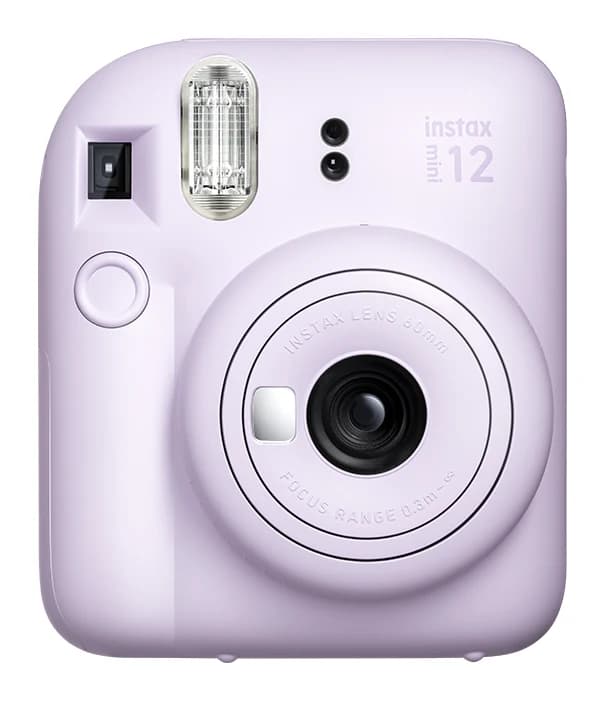
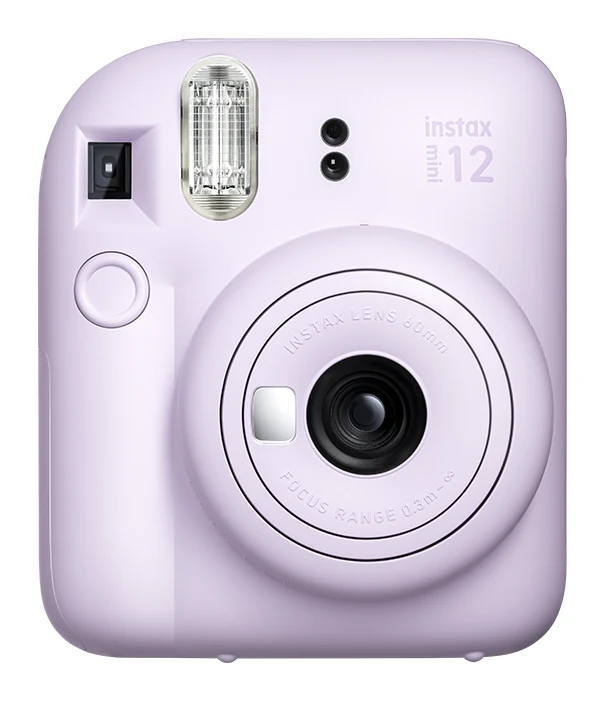
- Best OverallFujifilm Instax Mini 12Why we picked it →
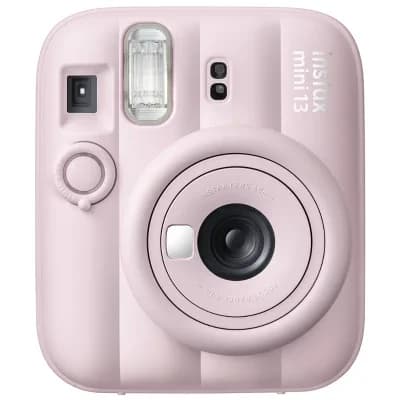
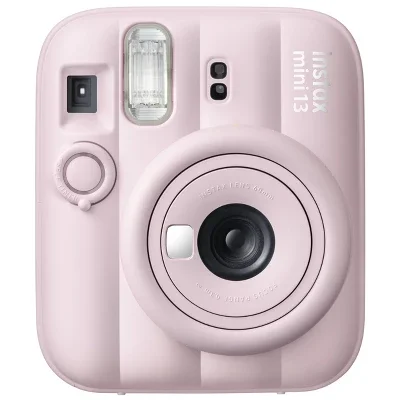
- Best ValueFujifilm Instax Mini 13Why we picked it →
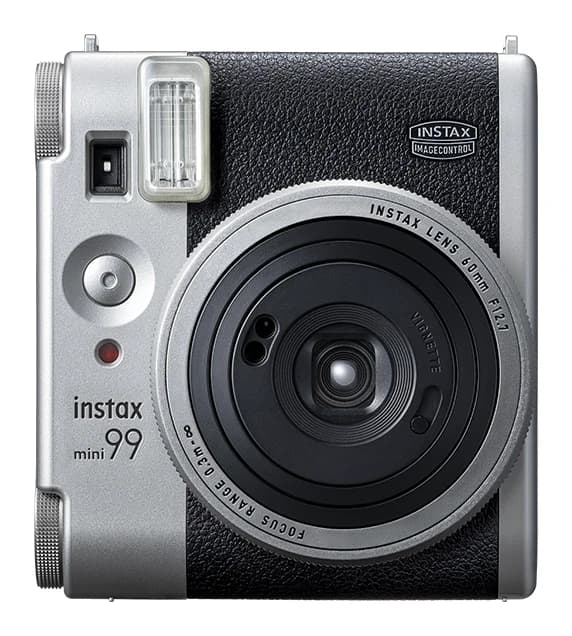
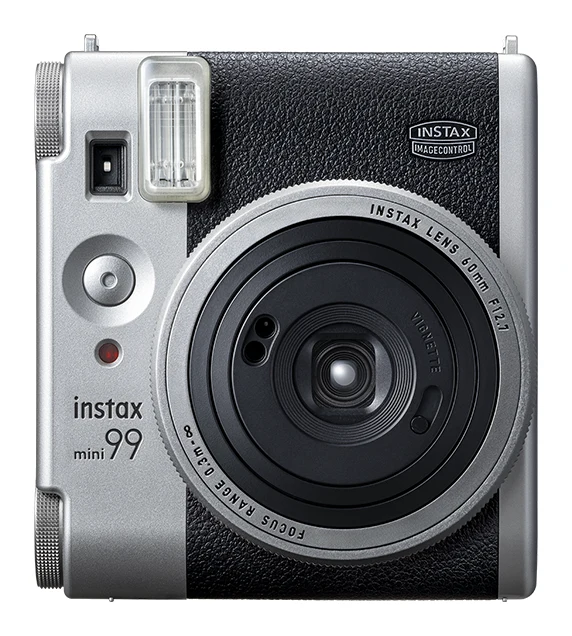
- Premium PickFujifilm Instax Mini 99Why we picked it →
Frequently asked questions
Is the Nikon Z8 worth it?
For professionals and serious hybrid shooters, reviewers say yes. It averages 9.6/10 across 3 expert reviews, with praise for its autofocus, image quality and video. It is less compelling if you need a mechanical shutter, long battery life or a lighter, cheaper camera.
Does the Nikon Z8 have a mechanical shutter?
No. The Z8 uses an electronic shutter only, with a maximum shutter speed of 1/32000 sec. Reviewers list this as one of its main criticisms.
Does the Nikon Z8 shoot 8K video?
Yes. It records internal 12-bit 8K/60p RAW video, along with 4K/120p RAW and 10-bit ProRes 422 HQ.
How long does the Nikon Z8 battery last?
The EN-EL15c battery is rated at 340 shots using the rear LCD or 330 shots using the viewfinder, by the CIPA standard. Reviewers cite this as a weakness, so spare batteries are a sensible addition for long days.
Is the Nikon Z8 weather-sealed?
It is drip- and dust-resistant down to -10°C/14°F, which suits outdoor and professional use.
What subjects can the Nikon Z8 autofocus detect?
Its deep-learning subject detection covers nine subject types, including dedicated airplane and bird modes.
Sources
Specs are taken from the manufacturers' official pages; expert recommendations from the publications below.
- Nikon Z8: nikonusa.com, imaging.nikon.com
Related reviews & guides
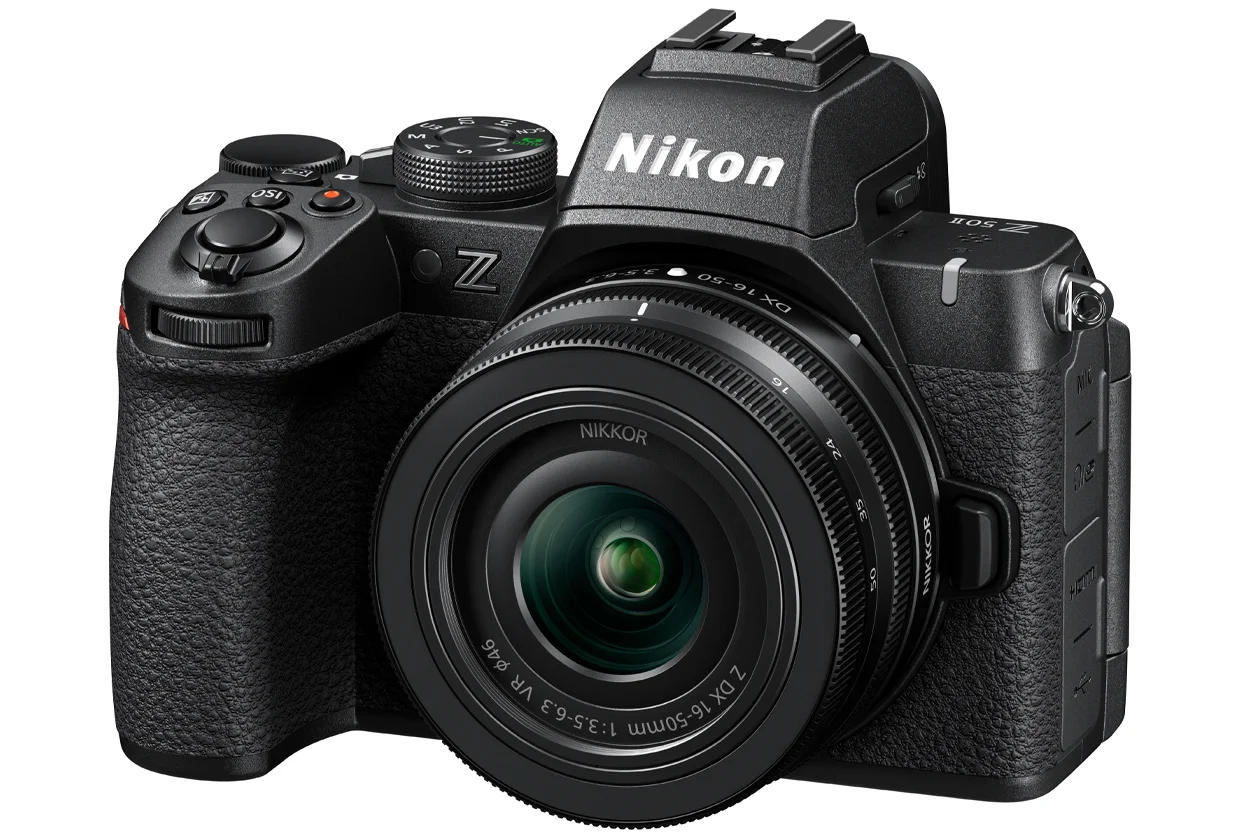
Nikon Z50 II Review (2026): Z9 Autofocus in a Small Body
Our Nikon Z50 II review covers a compact APS-C mirrorless camera with Z9-derived autofocus and creator-friendly video tools, and the battery and stabilization trade-offs that come with it.
Published Nov 16, 2026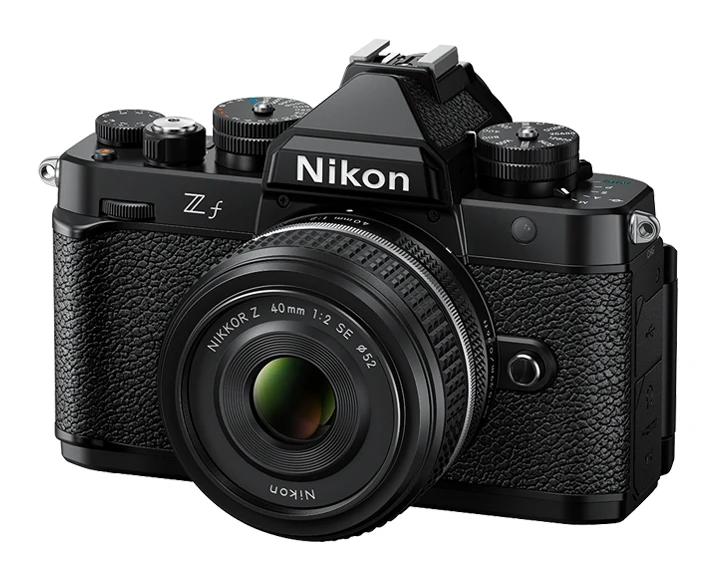
Nikon Z f Review (2026): Is Retro Worth the Quirks?
A full-frame camera with dials, a magnesium-alloy body and modern autofocus. Here is what the Nikon Z f offers, where experts say it frustrates, and who should buy it.
Published Oct 19, 2026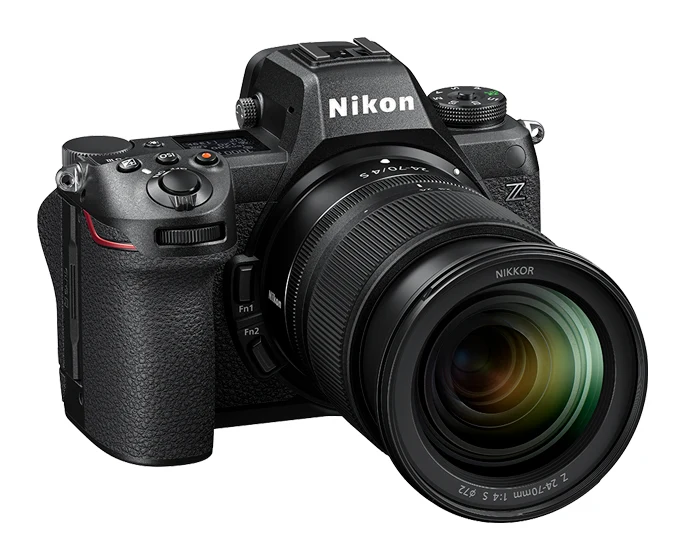
Nikon Z6III Review (2026): Hybrid Shooter's All-Rounder
Our Nikon Z6III review looks at a 24.5MP full-frame hybrid with fast autofocus, a very bright viewfinder and serious video options, plus where experts say it falls short.
Published Oct 25, 2026